




Freight Handler Responsibilities and Skills
Freight handlers play a crucial role in the logistics industry by ensuring smooth transportation of goods.
They load and unload freight while inspecting and tracking shipments.
These professionals require attention to detail, physical strength, and the ability to work in fast-paced environments.
Additionally, they need strong communication skills to interact effectively with colleagues and clients.
Definition of a Freight Handler
A freight handler loads and unloads goods and materials for transportation.
- Freight handlers work in warehouses, distribution centers, and shipping terminals.
- They help maintain the smooth flow of products.
- Additionally, they support logistics and supply chain operations.
- Freight handlers sort and organize packages.
- They use forklifts and pallet jacks to move goods.
- They inspect shipments for damage and accurate labeling.
- They may also package and label products for shipment.
- Freight handlers collaborate with truck drivers and warehouse staff.
- They follow safety protocols to prevent accidents and product damage.
- They work efficiently to meet deadlines and customer expectations.
Key Responsibilities of a Freight Handler
- Freight handlers load and unload trucks and containers.
- They sort, organize, and store products in designated areas.
- They ensure accurate shipment labeling and documentation.
- They operate forklifts, hand trucks, and conveyor belts.
- They collaborate with team members to improve workflow.
- They maintain a clean and organized work environment.
- They follow safety regulations and wear protective gear.
- They communicate effectively with supervisors and coworkers.
- They report shipment issues and discrepancies.
- They meet productivity targets and support customer satisfaction.
Contribution to Efficient Freight Movement
Freight handlers support transportation and logistics operations.
They load and unload goods while protecting shipment accuracy and safety.
Through teamwork and careful procedures, they help products and materials move efficiently.
Key Responsibilities of a Freight Handler
Freight handlers support the movement of goods through transportation and logistics operations.
They handle shipments carefully, accurately, and efficiently throughout the delivery process.
Their work helps protect shipment integrity and reduce risks in the supply chain.
Loading and Unloading Trucks and Containers
Freight handlers load and unload trucks and containers while keeping products secure.
They follow proper procedures to prevent damage and maintain shipment safety.
Physical strength and stamina help them lift heavy objects and navigate tight spaces.
- Freight handlers move products safely and efficiently between transportation vehicles and facilities.
- They secure items properly to prevent damage during loading and unloading activities.
- Workers use physical strength and stamina when handling heavy objects.
- Attention to detail helps workers place correct items in the proper locations.
Sorting and Organizing Packages and Shipments
Freight handlers sort packages and shipments according to specific instructions and guidelines.
They examine labels, codes, and markings before directing products toward their destinations.
Efficient organization helps workers meet deadlines and support delivery schedules.
- Handlers organize packages according to shipment instructions and established guidelines.
- They check labels, codes, and markings to direct products correctly.
- Efficiency helps freight handlers meet tight deadlines and delivery schedules.
- Strong organization prevents mix-ups, delays, and potential supply chain losses.
Inspecting Goods for Damage or Defects
Freight handlers inspect arriving goods for damage, defects, and other discrepancies.
They report problems to appropriate personnel and document their findings.
Clear communication helps teams coordinate follow-up actions for affected goods.
- Handlers inspect goods for visible damage or defects upon arrival.
- They report identified issues to the appropriate personnel.
- Workers document inspection findings for accurate record keeping.
- Attention to detail helps identify discrepancies that could affect product quality.
- Communication skills help handlers coordinate necessary follow-up actions.
Freight handlers help maintain accurate and careful movement throughout the shipment process.
Their physical abilities, organization, and attention to detail support reliable goods handling.
These practices help preserve shipment integrity throughout the supply chain.
Explore Further: Certifications to Boost Your Logistics Operations Career
Physical Requirements for Freight Handlers
Freight handlers must meet several physical demands to perform their duties safely and effectively.
These requirements help workers manage freight while maintaining consistent performance throughout each shift.
Physical preparation also helps reduce avoidable strain during demanding handling tasks.
Strength for Lifting Freight
Freight handlers need enough strength to lift and carry objects with different sizes and weights.
For example, they may place boxes onto trucks or remove shipments from containers.
Workers should use proper lifting techniques to reduce strain and protect their bodies.
Careful handling also helps freight handlers move items securely and avoid unnecessary damage.
Stamina for Extended Shifts
Freight handlers require stamina and endurance because the work can continue for extended periods.
Busy periods may require workers to maintain productivity during longer shifts.
Therefore, physical resilience helps handlers manage demanding work without losing focus.
Frequent breaks and sufficient rest can also help prevent fatigue during these shifts.
Attention to Detail During Shipment Handling
Freight handlers also need strong attention to detail when managing shipments.
They must identify, sort, and load each shipment onto the appropriate transport vehicle.
Accurate work helps prevent labeling mistakes, loading errors, delays, and misplaced goods.
Careful observation, organization, and communication support accurate shipment handling.
By combining physical ability with precision, freight handlers can support efficient freight movement.
Transform Your Career Today
Unlock a personalized career strategy that drives real results. Get tailored advice and a roadmap designed just for you.
Start NowDiscover More: Top Skills Needed for Transportation Security Screeners
Skills and Qualifications for Freight Handlers
Successful freight handlers need specific skills and qualifications for their work.
These abilities help workers coordinate tasks, manage information, and support safe warehouse operations.
They combine technical knowledge with communication and organizational skills.
Strong Communication Skills
Freight handlers communicate with team members throughout their work.
Clear communication helps teams complete tasks efficiently.
Workers also collaborate with colleagues to maintain a smooth workflow.
- Communicate effectively with team members
- Share information clearly and concisely
- Collaborate with colleagues to complete tasks efficiently
Basic Math Skills
Freight handlers use basic math when tracking inventory.
They count and record goods accurately before shipment.
Numerical information also supports organization and planning.
- Apply basic math skills to inventory tracking
- Count and record goods accurately for shipment
- Understand numerical data for organization and planning
Knowledge of Safety Protocols
Freight handlers must understand and follow safety procedures.
Knowledge of warehouse safety regulations helps workers perform tasks responsibly.
Workers assess potential hazards and take preventive measures.
- Understand and follow safety procedures
- Apply safety regulations in warehouse environments
- Assess potential hazards and take preventive measures
These qualifications help freight handlers perform their work effectively.
They also support career development in logistics and transportation.
Discover More: Railroad Engineer Job Market Trends
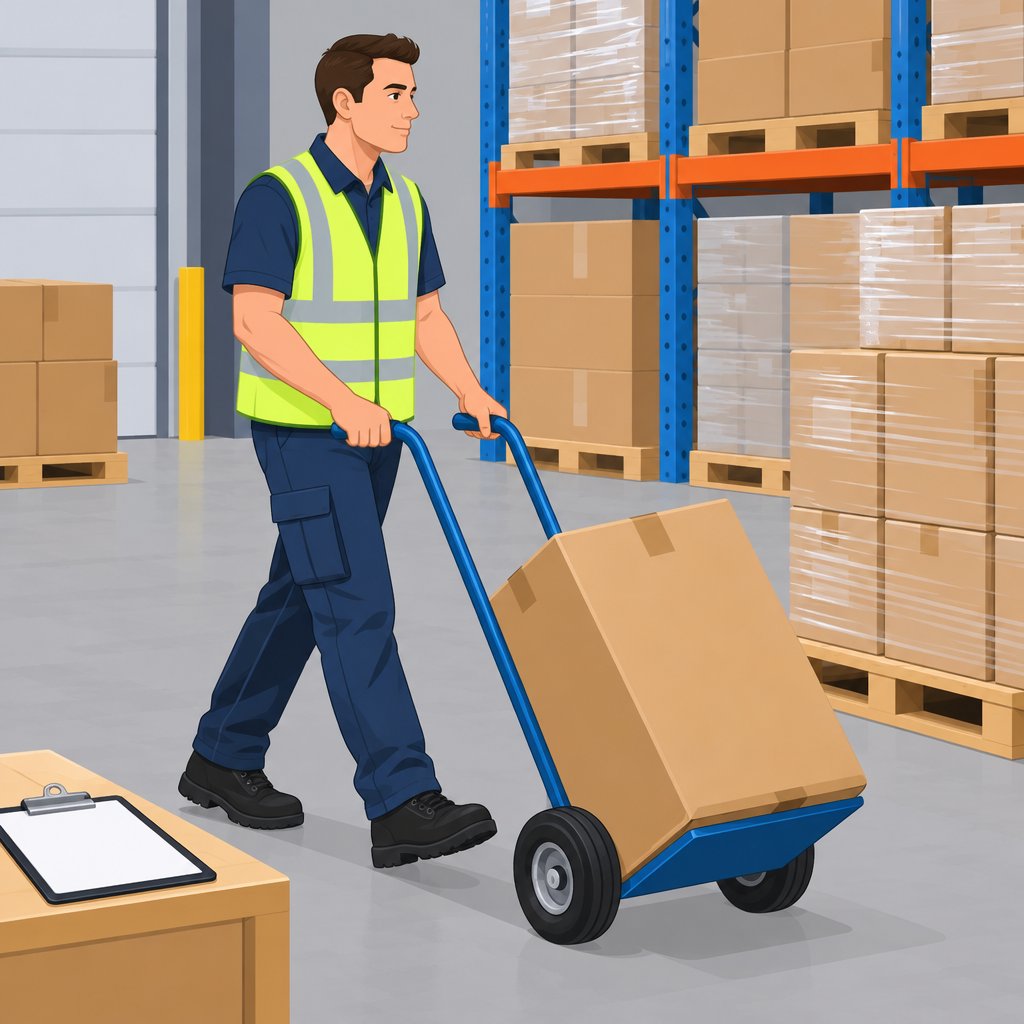
On-the-Job Training Provided by Employers
Employers often provide on-the-job training for new freight handlers.
This training teaches workers to handle and secure freight safely.
It also covers pallet jacks, hand trucks, and proper warehouse procedures.
During training, employees learn company policies, safety regulations, and specific responsibilities.
Hands-on instruction helps new hires understand warehouse operations and perform their duties effectively.
Certification Options for Freight Handlers
Freight handlers can pursue certifications in forklift operation or hazardous materials handling.
These credentials can strengthen their qualifications and improve their job market competitiveness.
Training programs are available through vocational schools, community colleges, and industry organizations.
- Forklift operation certification helps workers safely move heavy pallets and materials with forklifts.
- Hazardous materials handling certification teaches employees to safely handle, store, and transport chemicals or flammable liquids according to industry regulations.
Completing these courses can expand a handler’s expertise and support advancement into higher-paying logistics positions.
Learn More: Future Trends in the Transportation Security Screener Role
Career Advancement Opportunities
Freight handlers can pursue several pathways to advance their careers.
These opportunities may involve greater responsibility, stronger expertise, and broader involvement in freight operations.
Two common pathways include supervisory positions and continued professional development.
- Potential to move into supervisory roles
- Opportunities for further training and professional development
Supervisory Roles and Career Benefits
Experienced freight handlers may move into supervisory positions.
Supervisors manage teams, delegate assignments, and support efficient freight handling operations.
This advancement can provide greater responsibility, stronger decision-making opportunities, and increased earning potential.
- Increased leadership responsibilities
- Higher earning potential
- Enhanced decision-making opportunities
Ongoing Training and Professional Development
Freight handlers can strengthen their career prospects through continued training.
Additional certifications, courses, and workplace learning can expand their knowledge and abilities.
Continued development also helps workers remain competitive and approach their duties with greater confidence.
- Staying current with industry trends and practices
- Expanding skills across different tasks and responsibilities
- Enhancing job satisfaction and personal growth
Salary and Job Outlook for Freight Handlers
Freight handler earnings vary according to position, location, and employer.
Entry-level workers may receive wages alongside additional employment benefits.
Transportation demand also influences the field’s future opportunities.
Average Salary Range for Entry-Level Positions
Freight handlers in entry-level positions can earn between $25,000 and $35,000 annually.
However, location and the hiring company can affect actual earnings.
Transform Your Career Today
Unlock a personalized career strategy that drives real results. Get tailored advice and a roadmap designed just for you.
Start NowSome employers also provide health insurance, retirement plans, and paid time off.
Projected Job Growth from Transportation Demand
The job outlook for freight handlers should grow steadily in coming years.
Growing transportation demand supports this expected increase.
Meanwhile, expanding e-commerce increases the need for efficient freight handling.
Freight handlers help move goods safely and on time between locations.
Furthermore, online shopping and global trade can sustain demand for these workers.
Technology and automation are also changing freight handling processes.
Companies use robotics and software systems to streamline operations and improve efficiency.
Therefore, new opportunities may favor workers who operate and maintain these systems.
Workers who adapt to new technology can strengthen their position in the job market.
Freight handlers can work in warehouses, distribution centers, or transportation companies.
These settings may offer opportunities as transportation needs continue to rise.
Skilled and dedicated workers remain important to goods movement across supply chains.
Building a Career in Freight Handling
Freight handlers help warehouses and distribution centers move goods safely and efficiently.
They also verify shipments and support accurate processing during daily operations.
Employers value careful workers who coordinate tasks and follow established procedures.
Equipment operation requires training in safety protocols and proper handling techniques.
Applicants generally need a high school diploma or an equivalent qualification.
Additionally, strong communication helps workers function effectively in fast-paced environments.
Physical strength and coordination support consistent performance throughout each shift.
Workers can strengthen their prospects by developing reliable work habits and practical skills.
Consequently, freight handling can provide opportunities for continued growth within logistics.
Dedicated individuals may build lasting careers by maintaining safety, accuracy, and professionalism.


