




Introduction
Certifications play a crucial role for seamen and sailors.
They confirm professional competence and support safer maritime operations.
Furthermore, the maritime industry provides certifications for various roles and responsibilities.
Importance of Maritime Certifications
Certifications validate seamen and sailors’ skills and knowledge.
They also demonstrate compliance with industry standards and maritime regulations.
As a result, certified personnel can support safe and efficient shipboard operations.
Certification Types Across Maritime Roles
Different maritime positions require specific certifications and levels of responsibility.
For example, STCW certifications apply to all seafarers.
Meanwhile, officers and specialized personnel need credentials suited to their duties.
- STCW certifications cover basic safety training, crowd management, and medical care.
- Deck officers may need OICNW and Master Mariner certifications for leadership roles.
- Engine officers may need OICEW and Chief Engineer certifications for machinery oversight.
- Specialized certifications support marine electricians, divers, and offshore personnel.
Basic Certifications for Entry-Level Positions
Entry-level maritime roles require several basic certifications before employers consider applicants.
These qualifications provide essential preparation for work aboard a vessel.
Together, they address personal safety, survival, first aid, and fire response.
STCW Basic Safety Training Certification
The STCW Basic Safety Training certification provides foundational preparation for seamen and sailors.
It covers essential safety topics for people working aboard vessels.
Additionally, its modules develop basic responses to emergencies at sea.
- Personal Safety and Social Responsibilities
- Elementary First Aid
- Personal Survival Techniques
- Fire Prevention and Fire Fighting
Personal Survival Techniques Certification
Personal Survival Techniques forms a vital component of STCW Basic Safety Training.
This certification teaches individuals how to respond when a vessel sinks or requires abandonment.
Furthermore, the training prepares seamen and sailors to protect themselves and others during emergencies.
- Lifeboat Drills and Procedures
- Fitness and Health for Survivors
- Safe Use of Survival Craft Equipment
Fire Prevention and Fire Fighting Proficiency
Fire prevention and fire fighting skills support safe work aboard a vessel.
This training teaches individuals to prevent, control, and extinguish fires effectively.
Moreover, proficient crew members can help protect passengers and fellow crew members.
- Understanding Fire Hazards
- Firefighting Equipment and Techniques
- Fire Prevention Strategies
Advanced Certifications for Career Progression
Seamen and sailors often pursue advanced certifications to advance their maritime careers.
These qualifications expand job opportunities and can increase earning potential.
Additionally, advanced credentials demonstrate preparation for greater responsibilities aboard commercial vessels.
Chief Mate/Master Certification
The Chief Mate/Master certification ranks among the highest certifications available to seamen and sailors.
It authorizes qualified professionals to command a commercial vessel and its crew.
Therefore, the credential reflects proven competence in effective and safe ship management.
Candidates must complete required training and sea time before pursuing this certification.
They must also pass rigorous examinations covering navigation, ship handling, safety procedures, and leadership.
Consequently, successful candidates demonstrate readiness for significant responsibilities and critical decisions aboard ship.
The certification also reflects commitment to continuous learning and professional development.
Officer in Charge of a Navigational Watch Certification
OICNW certification prepares seamen and sailors to oversee safe vessel navigation.
It enables qualified individuals to serve as officers responsible for navigational watches.
To qualify, applicants must satisfy specified training and sea time requirements.
They must also pass examinations covering chart reading, navigation rules, communication protocols, and emergency procedures.
Furthermore, the credential demonstrates competence in navigational decision-making.
Certified officers can navigate changing weather and challenging situations while protecting vessel, crew, and cargo.
Importance of Radar Observer Certification
Radar Observer certification qualifies seamen and sailors to operate radar equipment aboard vessels.
The credential supports radar use for navigation, collision avoidance, and situational awareness at sea.
Individuals must complete specialized training in radar operation and image interpretation.
Transform Your Career Today
Unlock a personalized career strategy that drives real results. Get tailored advice and a roadmap designed just for you.
Start NowThey also study collision avoidance techniques and proper radar use during maritime situations.
Practical assessments then measure their ability to operate radar equipment effectively.
As a result, certified personnel can navigate more safely during low visibility conditions.
They can identify hazards and make timely decisions that help prevent accidents at sea.
Employers also recognize the certification as evidence of competent radar training.
Find Out More: Training Programs for Inventory Control Specialists
Specialized Certifications for Specific Roles
Specialized certifications prepare seafarers for duties involving dangerous cargoes, complex vessels, and deck operations.
Each qualification addresses distinct responsibilities aboard maritime vessels.
Together, these credentials help personnel perform their assigned duties with greater confidence.
- Tankerman certification for handling dangerous cargoes.
- Dynamic Positioning certification for operating complex vessels.
- Able Seaman certification for deckhands.
Tankerman Certification
Tankerman certification qualifies seamen to handle dangerous cargoes such as oil and chemicals.
These professionals support the safe transportation and transfer of hazardous materials at sea.
Therefore, the certification addresses duties that require careful cargo handling.
Dynamic Positioning Certification
Dynamic Positioning certification prepares sailors to operate vessels requiring advanced maneuvering capabilities.
Certified sailors maintain vessel position with precision during challenging conditions.
For example, they manage positioning when rough seas or strong currents affect the vessel.
Able Seaman Certification
Able Seaman certification establishes a fundamental qualification for deckhands.
It authorizes qualified deckhands to perform varied duties aboard a ship.
Additionally, the credential demonstrates skills and knowledge for vessel operation and maintenance.
Professional Application of Specialized Certifications
These credentials support safe and efficient work in specialized maritime roles.
They also help seamen apply role-specific knowledge during vessel operations.
By meeting role requirements, personnel contribute to successful maritime operations.
Discover More: Importance of Data Analysis in Logistics Operations
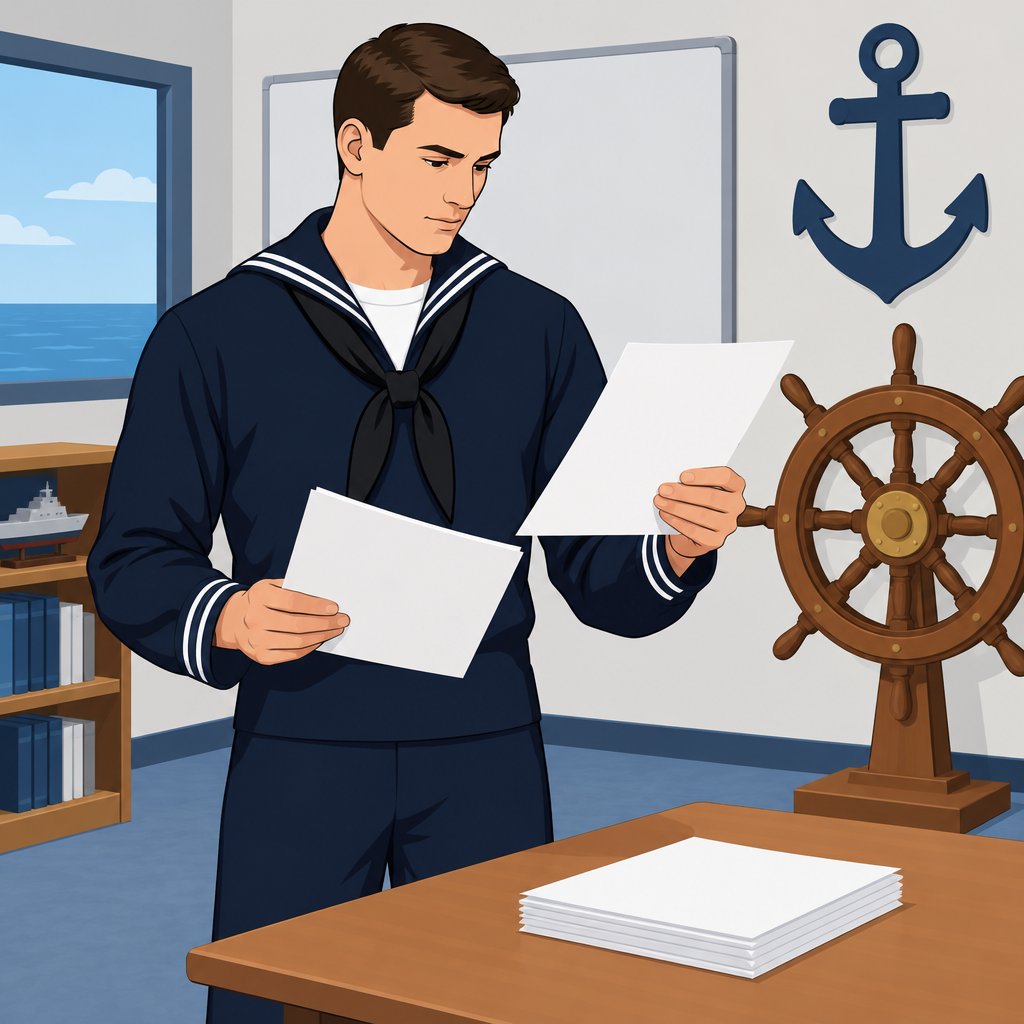
Medical Certifications for Seafarers
Medical certifications support seafarers during emergencies and help them perform their duties safely at sea.
These credentials cover immediate treatment, advanced medical care, and assessments of physical and mental fitness.
Together, they prepare crew members to respond effectively while maintaining safe maritime operations.
Medical First Aid Certification
Medical First Aid certification prepares seafarers to provide immediate treatment on board.
It gives seamen and sailors practical skills for handling medical emergencies at sea.
The training covers basic first aid, CPR, and injury stabilization until professional help arrives.
Proficiency in Medical Care Certification
Proficiency in Medical Care certification suits seafarers designated to act as the ship’s medical officer.
This qualification requires more advanced medical knowledge and skills than basic first aid.
It covers advanced procedures, pharmacology, and diagnosing and treating a wide range of illnesses.
These seafarers help protect the health and safety of crew members.
Medical Fitness Certificate Requirements
A valid Medical Fitness Certificate is mandatory before any seafarer embarks on a voyage.
It confirms that seamen and sailors remain physically and mentally fit for duties on board.
A thorough examination assesses their overall health and suitability for maritime work.
The certificate supports seafarer well-being and safer maritime operations.
Gain More Insights: Global Impact of Port Operations Managers on Trade
Environmental Certifications for Sustainable Practices
Environmental certifications support sustainable practices aboard ships.
They help seamen and sailors address environmental responsibilities during maritime operations.
These credentials also encourage compliance with environmental requirements.
Transform Your Career Today
Unlock a personalized career strategy that drives real results. Get tailored advice and a roadmap designed just for you.
Start NowEnvironmental Officer Certification
Environmental Officer certification supports seamen and sailors who work aboard ships.
It promotes sustainable practices and encourages compliance with environmental regulations.
The program addresses waste management, pollution prevention, and environmental management systems.
Candidates complete training and pass exams to demonstrate knowledge and competence.
Furthermore, the certification can strengthen career prospects for seamen and sailors.
Certified personnel also help protect the marine environment through responsible practices.
Ballast Water Management Certification
Ballast Water Management certification supports seamen and sailors involved in maritime operations.
Proper ballast water management helps prevent invasive species from spreading.
Ships take ballast water aboard to maintain stability and balance during voyages.
However, that water can carry marine organisms into different ports.
These organisms may harm local ecosystems after discharge.
Training teaches seafarers to treat ballast water and reduce bio-invasion risks.
Certified seafarers also follow international requirements for ballast water management.
Oil Pollution Prevention Certification
Oil Pollution Prevention certification supports seamen and sailors aboard ships carrying oil or hazardous substances.
It focuses on reducing oil spill risks and limiting environmental damage.
Training teaches seafarers to prevent, prepare for, and respond to spills.
They learn safe oil handling and storage procedures.
They also implement pollution control measures during shipboard operations.
During emergencies, certified seafarers coordinate response procedures effectively.
This credential demonstrates commitment to protecting marine ecosystems and coastal communities.
It also supports safe and responsible transport of oil products at sea.
Learn More: Environmental Benefits of Effective Route Planning
Security Certifications for Maritime Safety
Maritime security certifications prepare seamen and sailors to protect vessels, passengers, and crew members.
These qualifications address onboard security procedures, threat recognition, and effective responses to security incidents.
Furthermore, each certification supports coordinated security activities during maritime operations.
- Explanation of Ship Security Officer certification
- Requirements for Proficiency in Designated Security Duties certification
- Importance of Maritime Security Awareness certification
Ship Security Officer Certification
Seamen and sailors complete specialized training before becoming Ship Security Officers.
This certification confirms their ability to implement security measures onboard.
Ship Security Officers manage security risks, conduct assessments, and coordinate security activities.
Consequently, their work protects passengers, crew members, and the vessel.
Proficiency in Designated Security Duties Certification
Proficiency in Designated Security Duties certification supports seamen and sailors with assigned security responsibilities.
The training teaches participants to perform specific duties under international regulations.
Moreover, candidates must demonstrate effective responses to security threats.
This preparation helps personnel maintain a secure maritime environment.
Maritime Security Awareness Certification
Maritime Security Awareness certification prepares seamen and sailors to recognize security threats at sea.
Participants learn about piracy, illegal activities, and other potential security concerns.
They also learn to recognize and report security incidents accurately.
As a result, certified personnel can respond more effectively to maritime security challenges.
Continuing Education and Refresher Certifications
Continuing education helps seafarers maintain current skills and knowledge for safe maritime operations.
Regular learning also helps them respond effectively to changing maritime requirements.
Moreover, ongoing training supports efficient performance aboard vessels.
Transform Your Career Today
Unlock a personalized career strategy that drives real results. Get tailored advice and a roadmap designed just for you.
Start NowImportance of Regular Certification Renewal
Seafarers should renew certifications on time to maintain current knowledge of regulations and industry practices.
Timely renewal also demonstrates professionalism and commitment to safety.
Furthermore, updated credentials help seafarers work confidently with changing technology and maritime requirements.
Consequently, renewal supports effective duties and reduces risks during maritime operations.
Refresher Courses for Current Maritime Skills
Refresher courses help seafarers review knowledge and skills in specific maritime areas.
These courses update participants on industry trends, regulations, and technology.
They commonly cover navigation, safety procedures, firefighting, first aid, and communication skills.
Although brief, these courses provide intensive updates on essential abilities.
Regular attendance helps seafarers understand protocol changes affecting their onboard responsibilities.
Mandatory Programs for Maintaining Certifications
Seafarers must complete mandatory training programs to keep their certifications valid.
These programs develop the skills and knowledge required for safe, efficient duties.
Training commonly addresses personal safety, survival techniques, ship security, and environmental protection.
Additionally, these subjects support compliance with international regulations and industry standards.
Seafarers must complete the programs periodically according to certification requirements.
Failure to complete them can suspend or revoke certifications.
As a result, missed training can affect a seafarer’s ability to work at sea.
Professional Certification Benefits for Seafarers
Required certifications help seamen and sailors maintain safety and demonstrate competency at sea.
By investing in professional development, seafarers strengthen their skills and advance their careers.
These credentials also improve safety and efficiency across the maritime industry.
Therefore, seamen and sailors should prioritize certifications required for their respective roles.
Additional Resources
Bing search results for Required Certifications for Seamen and Sailors Transportation and Logistics


