




Transportation Security Screening Technology
Transportation security screeners help protect travelers at airports and other transport hubs.
They support safety efforts as travelers pass through transportation facilities.
Terrorism and other security risks make reliable screening technology essential.
Recent technological advances have changed how screeners conduct inspections.
These tools help screeners streamline procedures and strengthen security measures.
Screeners use several technologies during thorough inspections.
These technologies include body scanners and X-ray machines.
Explosive trace detectors also support the screening process.
Advanced software systems help screeners analyze data.
X-ray Screening Systems
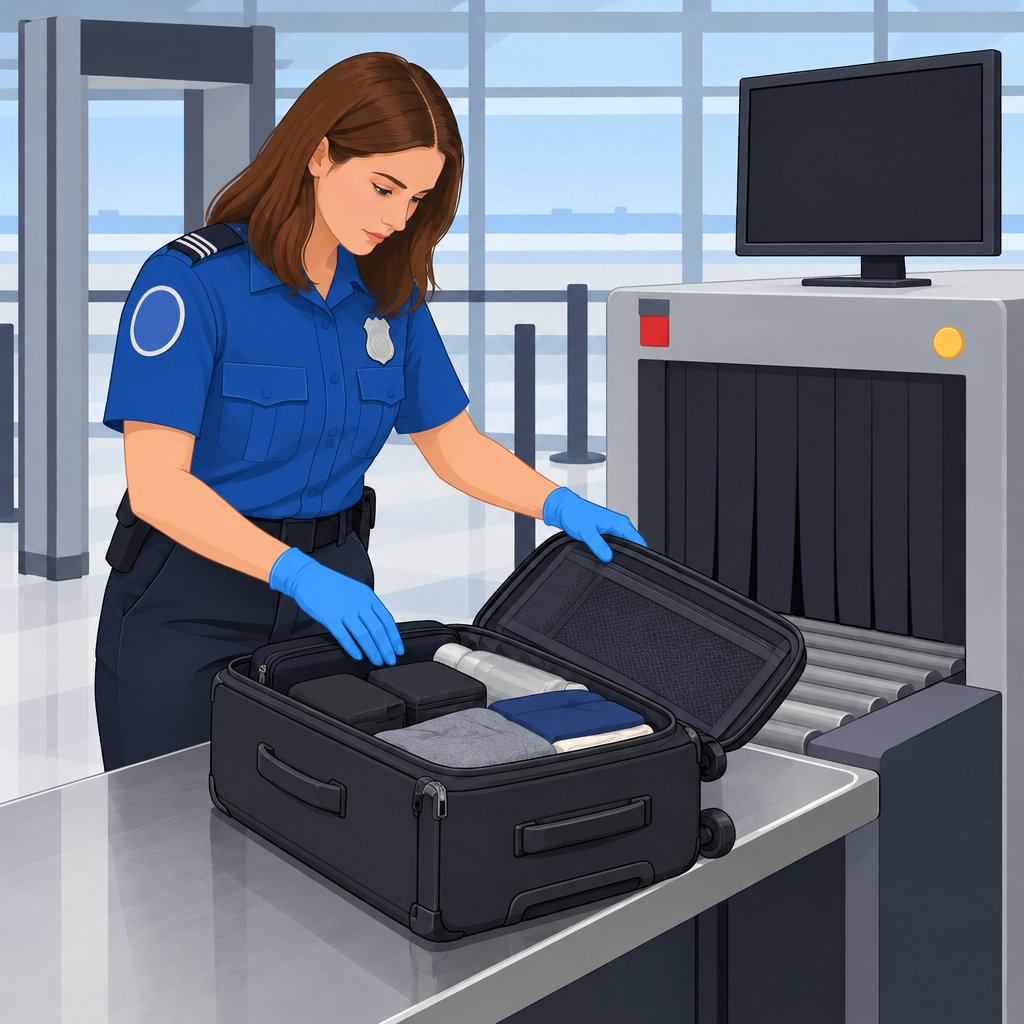
X-ray machines scan carry-on luggage at airports and other transportation hubs.
They create detailed images that help screeners locate concealed items.
As a result, screeners can identify items that may create security risks.
Millimeter Wave Scanners
Millimeter wave scanners create three-dimensional images of passengers’ bodies.
They help screeners detect items hidden beneath clothing.
Meanwhile, the technology supports threat detection while respecting passenger privacy.
Explosive Trace Detection Machines
Explosive Trace Detection machines analyze swabs collected from luggage.
The swabs can reveal traces of explosive materials that visual scans may miss.
Therefore, screeners can identify potential risks and take appropriate action.
Coordinated Security Screening
These technologies give transportation security screeners several ways to examine luggage and passengers.
Each tool addresses different types of concealed or trace-based threats.
Together, they support security efforts for travelers and staff at transportation facilities.
Advanced Security Software
Advanced security software supports several methods for identifying potential threats during passenger screening.
These methods analyze behavior, inspect luggage, and verify passenger identities.
They also help screeners identify concerns more efficiently.
-
Behavior Detection Technology
Behavior detection technology analyzes passenger behavior to identify potential threats.
It looks for signs of nervousness, deception, or unusual behavior.
Screeners can use these behavioral signs during passenger screening.
-
Automated Target Recognition
Automated Target Recognition software works with X-ray machines.
It automatically detects prohibited items in luggage.
The technology helps screeners identify potential threats quickly.
-
Biometric Identification
Airlines are exploring biometric identification methods, including facial recognition.
These systems verify passenger identities.
Biometrics offer a secure and quick identity verification process.
Discover More: How to Build a Strong Resume for Aviation Maintenance Jobs
Mobile Screening Technology
Mobile screening technology helps screeners examine passengers in high-traffic areas.
These portable tools support quick checks for concealed items and dangerous substances.
Additionally, screeners can use different devices for initial and secondary inspections.
Mobile Body Scanners
Mobile body scanners quickly examine passengers in high-traffic areas.
Advanced imaging technology can reveal prohibited items or dangerous substances that someone may carry.
Moreover, three-dimensional images help screeners identify body anomalies requiring further inspection.
Handheld Metal Detectors
Handheld metal detectors support secondary passenger screenings.
Because these devices remain portable, screeners can quickly check for overlooked metal objects.
After detecting metal, screeners can locate its precise position on the person’s body.
Portable Explosives Tracing Systems
Portable explosives tracing systems support random screenings and suspicious situations.
These devices analyze trace amounts of explosives on bags, clothing, or personal belongings.
By swiping a sample, screeners can check for explosive residues and take appropriate action.
Gain More Insights: Port Operations Manager: Effective Team Management
Challenges and Limitations
Advanced screening technology creates several challenges for transportation security authorities.
These challenges involve privacy, operational readiness, financial demands, and access.
Transform Your Career Today
Unlock a personalized career strategy that drives real results. Get tailored advice and a roadmap designed just for you.
Start NowAddressing them requires careful planning while authorities maintain effective security measures.
- Privacy concerns can affect public acceptance of advanced screening technology.
- Regular maintenance and training help screeners operate advanced technology effectively.
- High costs can limit access to advanced security technology.
Privacy Concerns
Privacy concerns remain a major issue surrounding advanced screening technology.
Although these systems improve security, some people believe they threaten individual privacy rights.
For example, full-body scanners have raised concerns about the detail they reveal.
Therefore, transportation security authorities must balance security needs with passengers’ privacy rights.
Addressing these concerns helps authorities maintain public trust in screening procedures.
Maintenance and Training
Regular maintenance helps advanced screening technology operate accurately and reliably.
Without proper maintenance, equipment may fail to detect potential threats effectively.
Meanwhile, screeners need continuous training on current protocols and operating procedures.
Consistent instruction helps personnel use advanced technology with greater confidence and accuracy.
Investing in maintenance and training strengthens the efficiency of screening operations.
Cost and Accessibility
Implementing and upgrading security technology can create substantial financial challenges.
Advanced screening equipment requires significant initial investment from transportation security agencies.
Furthermore, evolving threats can require agencies to upgrade existing systems.
Limited budgets may prevent some airports and transportation hubs from adopting advanced technology.
Strategic planning and collaboration can help agencies address cost and accessibility barriers.
Securing funding supports more equitable access to advanced transportation security measures.
Gain More Insights: Safety Protocols for Transportation Security Screeners
Future Directions for Transportation Security Technology
Transportation security agencies depend on integrated technology to strengthen safety across travel environments.
Full-body scanners, advanced imaging systems, and explosive detection tools help screeners identify potential threats.
Biometric technology also supports efficient and accurate screening.
These tools can improve passenger experiences by reducing wait times and increasing convenience.
Moreover, passengers may feel more confident when agencies use advanced screening measures.
As threats evolve, agencies must continue researching and developing security technology.
New tools and strategies can help agencies respond to changing risks.
Therefore, continued investment supports effective protection for passengers and transportation systems.


