




Key Responsibilities of Transportation Security Screeners

Introduction

Transportation security screeners play a crucial role in ensuring the safety of travelers at airports and other transportation hubs.

Their responsibilities are vital for maintaining security protocols.

They protect passengers, staff, and infrastructure.

This post will explore the key responsibilities of transportation security screeners.

It will shed light on their critical daily tasks.

Conducting Security Checks

Transportation security screeners efficiently screen passengers, luggage, and cargo.

They detect prohibited items and ensure compliance with security regulations.

Operating Security Equipment

Screeners operate X-ray machines, metal detectors, and other security equipment.

They conduct thorough inspections to identify potential threats or security risks.

Responding to Security Threats

In case of security threats or suspicious activity, screeners respond swiftly.

They follow established protocols to mitigate risks.

Ensuring the safety of all individuals is their top priority.

Providing Customer Service

While maintaining security, screeners also provide exceptional customer service.

They assist passengers with screening procedures.

Screeners address any concerns or inquiries passengers may have.

Collaborating with Security Teams

Transportation security screeners work closely with other security personnel.

They coordinate with law enforcement agencies and transportation authorities.

Screeners share information and coordinate responses.

These collaborations enhance security measures at transportation facilities.

Role of Transportation Security Screeners in Ensuring Safe Travel

Transportation security screeners safeguard the traveling public.

They maintain security within the transportation industry.

Their key responsibilities are essential for safe travel experiences.

All passengers and staff benefit from their diligent work.
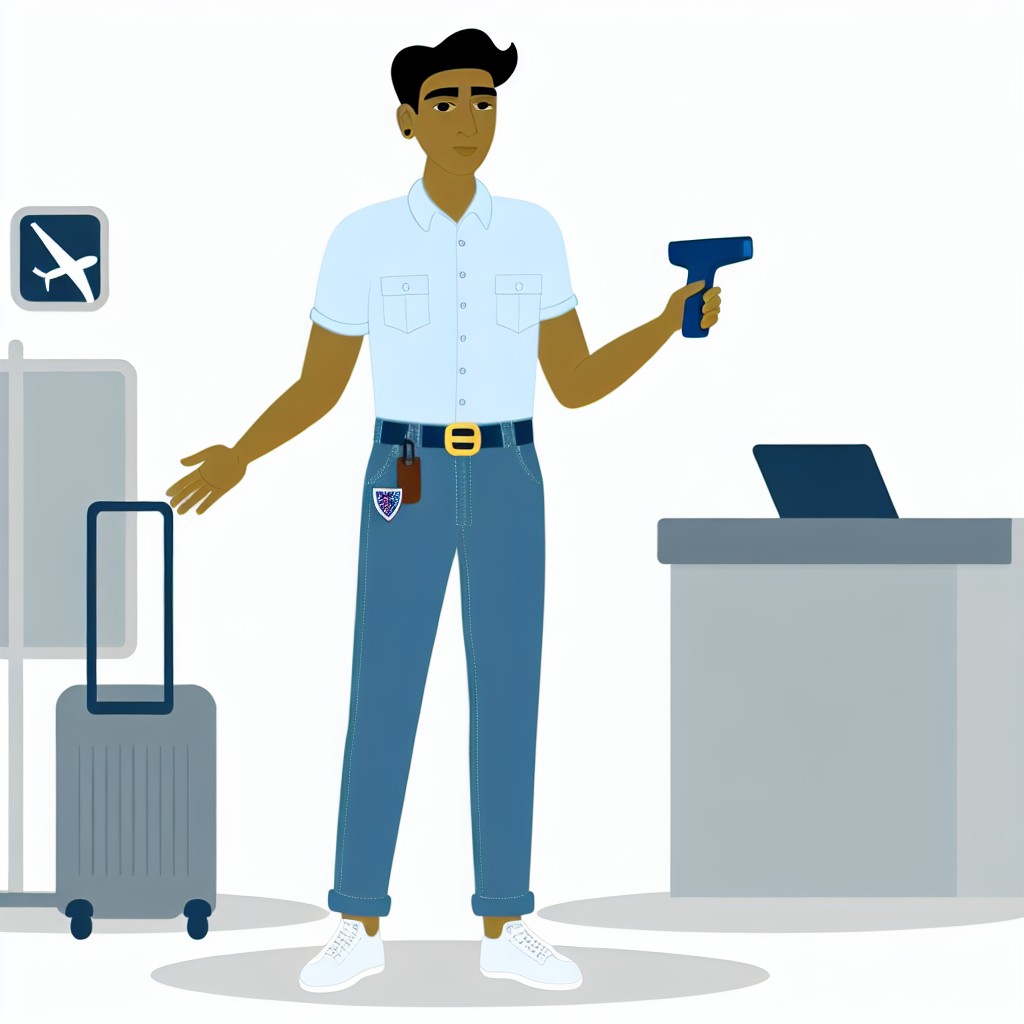
They ensure a secure and safe travel environment.

You Might Also Like: Importance of Logistics Technicians in Supply Chains

Identifying prohibited items

  • Transportation security screeners must recognize common prohibited items:

  • Weapons such as firearms, explosives, and knives.

  • Liquids exceeding 3.4 ounces in carry-on baggage.

  • Sharp objects like scissors and razor blades.

  • Sporting goods like baseball bats and golf clubs.

  • Tools that could be used as weapons, such as screwdrivers.

  • Consequences of allowing prohibited items to pass through security checkpoints:

  • Increased risk of terrorist attacks or criminal activities.

  • Compromised safety of passengers and airline crew.

  • Potential harm to individuals or damage to aircraft.

  • Negative impact on the airline industry and public perception.

  • Training transportation security screeners receive to identify potential threats:

  • Extensive knowledge of prohibited items outlined by TSA regulations.

  • Practice drills simulating real-life security scenarios.

  • Use of advanced screening technologies like X-ray machines and metal detectors.

  • Profiling techniques to identify suspicious behavior or body language.

  • Continuous education on emerging threats and security protocols.

Find Out More: How to Maintain Physical Fitness as a Seaman

When it comes to the role of transportation security screeners, effective communication with passengers is paramount.

Here is why effective communication is essential.

Importance of Effective Communication Skills

Transportation security screeners need to communicate security procedures clearly and concisely.

Clear communication ensures passenger cooperation and compliance.

Without effective communication, passengers may not understand security protocols.

This misunderstanding can lead to delays and potential security risks.

Informing Passengers about Security Procedures

Transportation security screeners have the responsibility to inform passengers about the rules they must follow.

Transform Your Career Today

Unlock a personalized career strategy that drives real results. Get tailored advice and a roadmap designed just for you.

Start Now

This includes explaining prohibited items clearly.

Screeners also describe the process for removing belongings for screening.

Additionally, they inform passengers of any extra security measures in place.

Professionalism and Sensitivity in Passenger Interaction

Transportation security screeners deal with a diverse group of travelers daily.

They must maintain professionalism and sensitivity at all times.

Screeners treat all passengers with respect and understanding, regardless of background.

This approach helps create a positive experience for travelers.

Discover More: Job Outlook for Cargo and Freight Agents

Key Responsibilities of Transportation Security Screeners

Responding to security incidents

One of the key responsibilities of transportation security screeners is to be prepared to respond promptly.

They must handle security incidents effectively.

Having a clear protocol is essential for handling suspicious behavior or prohibited items.

Protocol for responding to security incidents

  • Screeners must immediately alert their supervisor or designated point of contact.

  • They should maintain clear communication channels with other security personnel.

  • They must follow established procedures to investigate and resolve the incident.

  • Document details of the incident for reporting and review purposes.

Teamwork involved in coordinating responses

  • Transportation security screeners often work in teams to coordinate responses to incidents.

  • Collaboration with other security personnel is crucial for a unified response.

  • Clear roles and responsibilities should be assigned to ensure smooth coordination.

Importance of remaining calm and following procedures

  • During incidents, it is crucial for screeners to remain calm and composed.

  • Panic can lead to confusion and hinder effective response.

  • Following established procedures ensures a consistent and structured response.

  • Proper training and regular drills prepare screeners for various scenarios.

By emphasizing preparedness, teamwork, and adherence to protocols, screeners can respond effectively.

They help maintain the safety and security of travelers and personnel.

Discover More: Logistics Consultant: Time Management Tips

Role and Responsibilities of Transportation Security Screeners

Transportation security screeners play a crucial role in maintaining security standards.

They follow standards set by regulatory agencies.

  • Importance of Regulatory Standards: Screeners ensure all passengers and belongings are screened according to security protocols.

  • Role in Upholding Security Standards: They adhere to strict guidelines to prevent prohibited items from entering secure areas.

  • Regular Training and Continuing Education: Screeners receive ongoing training to stay updated on security procedures and techniques.

  • Staying Updated on Security Protocols: This helps them detect and respond effectively to potential threats.

  • Commitment to Vigilance: Screeners remain vigilant to identify suspicious behavior or items posing risks.

  • Professionalism in a High-Pressure Environment: They maintain professionalism even in stressful situations.

Transportation security screeners play a critical role in keeping travelers safe.

They uphold stringent security standards and protocols effectively.

Role and Importance of Transportation Security Screeners

Transportation security screeners perform essential duties to protect travelers.

They strictly follow established security protocols to ensure safety.

Screeners conduct careful and detailed screenings of passengers and luggage.

Staying alert helps them identify and prevent potential security threats effectively.

Travelers should acknowledge and respect the hard work these screeners do daily.

Their dedication maintains efficient and secure travel experiences for everyone.

Next time you see a security screener, take a moment to thank them sincerely.

Additional Resources

Careers At TSA | Transportation Security Administration

Transportation Security Administration - Wikipedia

Leave a Reply

Your email address will not be published. Required fields are marked *