




Introduction
As a Transportation Security Screener, you help ensure travelers’ safety at airports.
Additionally, transportation security helps prevent potential threats and protect passengers.
Furthermore, this rewarding career offers job stability and opportunities to make a difference.
Requirements for Transportation Security Screeners
Researching the requirements helps you prepare for a transportation security screener career.
Education, experience, training, and screening requirements can affect your application.
Understanding these expectations helps you identify the preparation you need.
Educational Requirements
Most transportation security screener positions require a high school diploma or equivalent.
However, some positions may require a college degree in a related field.
Therefore, confirm the minimum education requirement before pursuing each position.
- A high school diploma or equivalent generally meets the basic education requirement.
- Some positions may require a related college degree.
- Applicants should understand the minimum education requirement before applying.
Experience Requirements
Previous security-related experience can strengthen your preparation for this career.
Entry-level positions may provide training while you develop job-specific skills.
Consequently, reviewing experience expectations can help you plan your next steps.
- Security-related work experience can benefit applicants.
- Entry-level positions may include on-the-job training.
- Understanding experience requirements can guide your preparation.
Training and Certifications
Transportation security screeners typically receive training after entering the position.
Some roles may also require a Transportation Security Administration certification.
Researching required training and certifications can help you prepare effectively.
- On-the-job training commonly supports transportation security screener preparation.
- Some positions may require Transportation Security Administration certification.
- Applicants should research the specific training requirements for each position.
Background Checks and Security Clearances
Transportation security screeners must pass a thorough background check.
Additionally, certain positions may require a security clearance.
Understanding these screening requirements remains essential before submitting an application.
- Applicants must pass a thorough background check.
- Certain positions may require a security clearance.
- Applicants should review screening requirements before applying.
TSA Job Application Process
Start by exploring TSA job opportunities through the official TSA website.
Additionally, review reputable job portals such as Indeed and Glassdoor for TSA postings.
Before applying, compare each job description with your qualifications and relevant skills.
- Review the requirements for Transportation Security Screener positions.
- Prepare a professional resume that emphasizes relevant experience and skills.
- Tailor your cover letter to explain why you are an ideal candidate.
- Highlight previous security-related experience or training in your application.
- Check your application carefully for errors before submitting it.
- Use professional formatting throughout your resume and cover letter.
- Submit your application through the appropriate application platform.
- Track your application status after submission.
- Prepare for a potential background check and security clearance process.
- Monitor TSA communications for updates about your application.
- Remain patient because the hiring process may take time.
- Follow up if you receive no response within a reasonable timeframe.
See Related Content: Freight Handler Work-Life Balance Tips
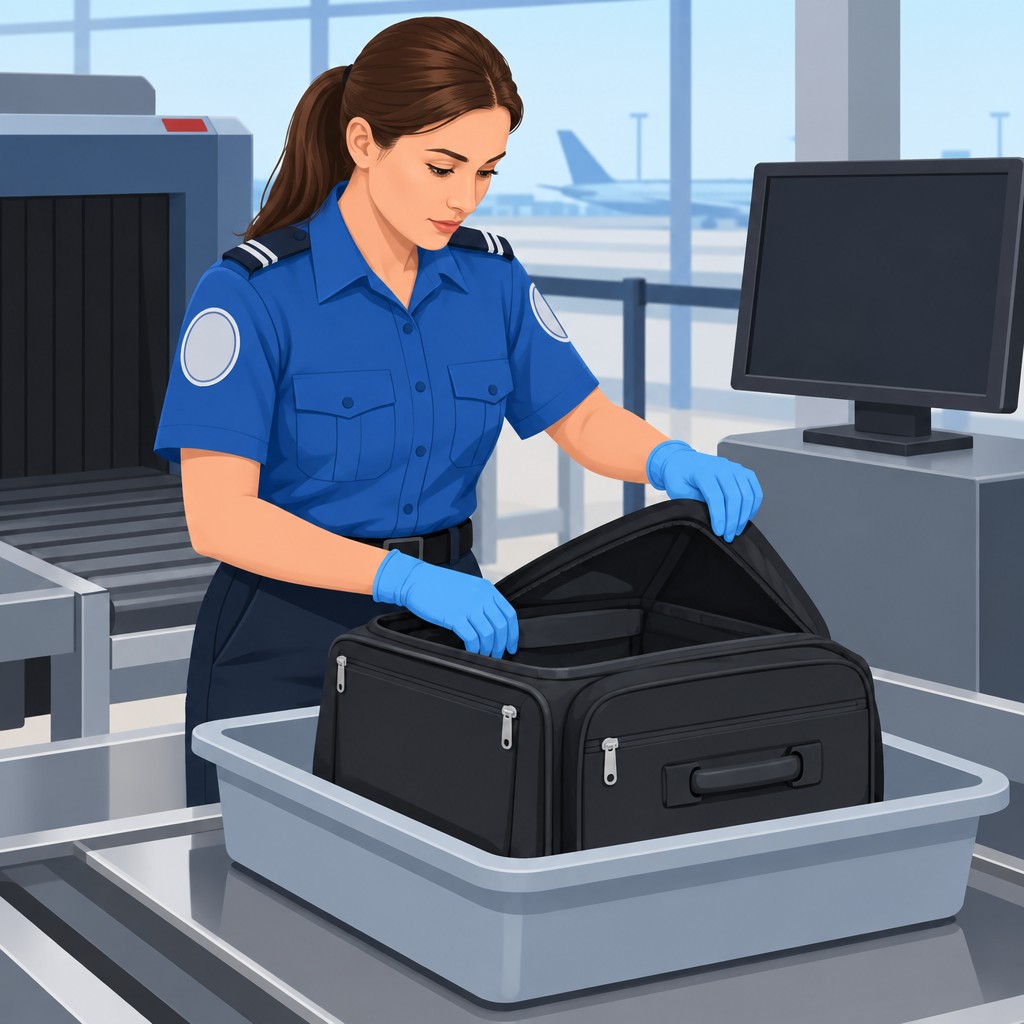
Interview Preparation for Transportation Security Screeners
Interview preparation helps you demonstrate your knowledge, skills, and professionalism.
The interview gives the hiring team an opportunity to evaluate your readiness for security screening.
Therefore, prepare your responses and review relevant airport security information before attending.
- Practice common interview questions about security screening.
- Review airport security procedures and screening protocols.
- Dress professionally and arrive early for the interview.
Practice Common Interview Questions
Review common questions about security screening before your interview.
Practice explaining your experience, skills, and responses to security scenarios.
This preparation can help you communicate confidently during the interview.
Review Airport Security Procedures
Refresh your knowledge of airport security procedures before meeting the hiring team.
Study the screening process, security protocols, and practices for maintaining a secure environment.
Additionally, informed responses can demonstrate your dedication to the transportation security role.
Present Yourself Professionally
Choose professional attire that suits the interview setting.
Your appearance shows that you take the opportunity seriously.
Arriving early also demonstrates punctuality and reliability.
These qualities support professional service within a transportation security team.
Gain More Insights: How Supply Chain Analysts Handle Global Logistics
Assessment Performance
- Participate in a written test and physical screening demonstration.
- Demonstrate compliance with security protocols during the assessment.
- Show attention to detail while working quickly and efficiently.
After completing the application and initial screening, you must pass the assessment.
This step measures the skills and qualities required for transportation security screening.
Therefore, prepare to demonstrate accuracy, composure, and reliable judgment.
Assessment Activities
The assessment may include a written test about security procedures and protocols.
Transform Your Career Today
Unlock a personalized career strategy that drives real results. Get tailored advice and a roadmap designed just for you.
Start NowYou may also complete a physical screening demonstration.
This demonstration shows whether you can perform screening tasks effectively.
Security Protocol Compliance
Follow every security protocol carefully throughout the assessment.
These protocols include safety regulations and established operating procedures.
Consistent compliance supports passenger and staff safety.
Stress Management
Transportation security screeners may encounter stressful situations during their duties.
For example, they may address unruly passengers or respond to security threats.
During the assessment, remain composed and respond professionally.
Attention to Detail
Careful observation supports thorough screening and effective security practices.
Notice small anomalies or discrepancies during each screening task.
Detailed work helps prevent security breaches and protects passengers.
Efficient Work Performance
Airport screening requires speed because screeners process many passengers.
Work efficiently while maintaining accuracy and thoroughness.
Ultimately, strong assessment performance can improve your chances of securing this position.
Learn More: Transportation Analyst: Project Management Skills
After passing initial screening, you will complete the TSA Academy training program.
This training provides knowledge and skills for your responsibilities as a Transportation Security Screener.
TSA Academy Training
The program combines intensive classroom instruction with practical, hands-on training.
It prepares you for responsibilities as a Transportation Security Screener.
During training, you will study topics related to airport security.
Airport Security Regulations and Technologies
You will develop a strong understanding of airport security regulations.
You will also study procedures that guide airport operations.
These procedures help maintain a safe and secure environment for passengers and staff.
You will learn about security technologies used in airport operations.
Practical Screening Experience
Practical experience forms an essential part of the training program.
You will apply your knowledge during simulated screening exercises.
These exercises help you screen passengers, baggage, and cargo for prohibited items.
The training prepares you to perform your duties with confidence and professionalism.
It addresses the challenges and responsibilities involved in airport safety and security.
Delve into the Subject: Inventory Control Specialist vs. Warehouse Manager
Necessary Certifications for Transportation Security Screeners
Obtaining required certifications helps qualify you for a Transportation Security Screener role.
The TSA provides the most common certification through training and an examination.
Additionally, continued training and specialized instruction can support career advancement.
- Obtain necessary certifications, such as Transportation Security Officer (TSO) certification.
- Stay updated on training requirements and certifications for career advancement.
- Seek specialized training in explosives detection or behavioral analysis.
Obtaining Transportation Security Officer Certification
First, obtain the certifications required for transportation security screening work.
The Transportation Security Officer certification commonly supports entry into this career.
Applicants typically complete a training program and pass an examination.
Maintaining Current Training Requirements
After certification, monitor current training requirements and certification expectations.
Ongoing courses can help you qualify for promotions or specialized roles.
Therefore, maintaining current qualifications can strengthen your career advancement opportunities.
Specialized Training Opportunities
Specialized training can prepare you for focused transportation security screening responsibilities.
Transform Your Career Today
Unlock a personalized career strategy that drives real results. Get tailored advice and a roadmap designed just for you.
Start NowFor example, explosives detection and behavioral analysis offer specialized training areas.
These programs can develop skills that support specialized roles and career growth.
Transportation Security Screening Responsibilities and Career Value
Transportation security screeners protect passengers and maintain security at airports.
Candidates must first meet basic qualifications, including U.S. citizenship and successful completion of a background check.
Next, they complete TSA training and certification before assuming screening responsibilities.
Certified screeners remain vigilant, professional, and dedicated while protecting the traveling public.
Their work carries significant responsibility because they help address security threats.
Moreover, this profession allows individuals to contribute directly to airport security.
Screeners can find meaningful opportunities by supporting traveler safety nationwide.
Therefore, transportation security offers a potentially rewarding and fulfilling career path.


