




Essential Skills for Transportation Security Screeners
Transportation security screeners help protect travelers in airports and other transportation hubs.
They detect and prevent potential threats through careful inspections and effective security procedures.
Several professional skills help screeners perform their responsibilities safely and efficiently.
Attention to Detail
Screeners carefully inspect luggage and passengers for prohibited items.
Even a small oversight could create a security breach.
Therefore, consistent attention helps screeners identify possible threats.
Communication Skills
Clear communication helps screeners interact effectively with passengers, colleagues, and law enforcement.
Screeners explain procedures and share important information during daily operations.
As a result, concise communication reduces misunderstandings and supports efficient work.
Critical Thinking
Screeners quickly assess situations and make decisions under pressure.
They use problem-solving skills to identify and address potential security threats.
Moreover, critical thinking helps them respond appropriately when circumstances change.
Teamwork
Security personnel collaborate to maintain a safe environment.
Screeners coordinate their efforts and respond collectively to potential threats.
Strong teamwork allows security staff to support one another during operations.
Adaptability
The security landscape continues to evolve over time.
Screeners must learn new protocols and use emerging technologies effectively.
Additionally, flexibility helps them remain prepared for changing security needs.
Integrity
Screeners must perform their duties honestly and ethically.
They follow security protocols while protecting the trust of the public.
Ultimately, integrity supports safe and responsible transportation security.
Communication Skills
- Screeners must communicate effectively with passengers and colleagues.
- They need to handle stressful situations and diffuse conflicts professionally.
- Clear and concise verbal and written communication remains crucial in this role.
Attention to Detail
- Screeners must pay close attention to identify potential security threats.
- They need to remain vigilant and thorough throughout the screening process.
- Missing small details can result in serious security breaches.
Problem-Solving Skills
- Screeners should think quickly and solve problems during high-pressure situations.
- They need to assess complex situations and make decisions promptly.
- Adaptability and practical solutions support effective security screening.
Interpersonal Skills
- Building rapport with passengers helps screeners maintain professionalism.
- Screeners need to collaborate with team members to support smooth operations.
- Strong interpersonal skills help create a positive and welcoming atmosphere.
Technical Skills
- Screeners must operate security screening equipment proficiently.
- They require training on x-ray machines, metal detectors, and other tools.
- Understanding and using technology supports the detection of security threats.
Critical Thinking
- Screeners need to analyze information quickly and make sound judgments.
- They must evaluate risks and prioritize tasks effectively.
- Critical thinking helps screeners identify potential security risks.
Physical Fitness
- Screeners need physical fitness to stand for long periods and lift heavy objects.
- Running and responding quickly during emergencies requires physical stamina.
- Maintaining good health supports effective screening duties.
Teamwork
- Collaboration with colleagues supports efficient and effective security screening.
- Screeners should support team members while pursuing shared goals.
- A strong team dynamic improves security operations.
Ongoing Skill Development
Transportation security screeners need diverse skills to perform their duties effectively.
Communication, problem-solving, technical proficiency, and physical fitness each support passenger and staff safety.
Continuous training helps screeners adapt to evolving security threats and maintain vigilance.
Attention to Detail in Security Screening
- Screen luggage and passengers thoroughly for prohibited items.
- Follow strict protocols and procedures to maintain safety.
- Note suspicious behavior or items that may pose a threat.
Transportation security screeners rely on attention to detail during every inspection.
This skill helps protect passengers and supports security throughout the transportation system.
When screeners examine luggage, they check each item for prohibited or dangerous materials.
They look for weapons, explosives, and other banned items that could endanger passengers or aircraft.
Meanwhile, strict protocols help screeners perform consistent and effective inspections.
These procedures guide screenings, suspicious-item handling, and communication with law enforcement when necessary.
Screeners also observe passenger behavior during the screening process.
They consider body language, facial expressions, and interactions for signs of possible malicious intent.
By recognizing suspicious behavior or items, screeners can address threats before they escalate.
Consequently, careful screening helps identify and reduce security risks within transportation systems.
This attention supports safer travel for passengers, crew members, and aircraft.
See Related Content: Railroad Engineer Job Market Trends
Critical Thinking Skills for Transportation Security Screeners
Critical thinking helps transportation security screeners make sound judgments during demanding situations.
It combines rapid assessment, threat recognition, and appropriate responses.
Training and practice strengthen these abilities across airports, seaports, and other transportation facilities.
Rapid Assessment and Decision-Making
Screeners rapidly evaluate circumstances before choosing a response.
Transform Your Career Today
Unlock a personalized career strategy that drives real results. Get tailored advice and a roadmap designed just for you.
Start NowFor example, they determine whether luggage items create potential risks or whether behavior requires further attention.
Meanwhile, clear judgment helps them act without delaying necessary security procedures.
Recognizing Potential Security Threats
Screeners identify possible threats by interpreting information from luggage and passenger behavior.
They may recognize prohibited items or notice conduct that appears suspicious.
Consequently, strong reasoning helps them distinguish ordinary circumstances from situations requiring action.
Appropriate Responses During Emergencies
During emergencies, screeners respond quickly while following established safety procedures.
They may evacuate an area, provide first aid, or coordinate with law enforcement.
Therefore, decisive action supports the safety of passengers and staff.
These abilities help screeners perform their duties effectively and protect the traveling public.
You Might Also Like: Future Trends in the Transportation Security Screener Role
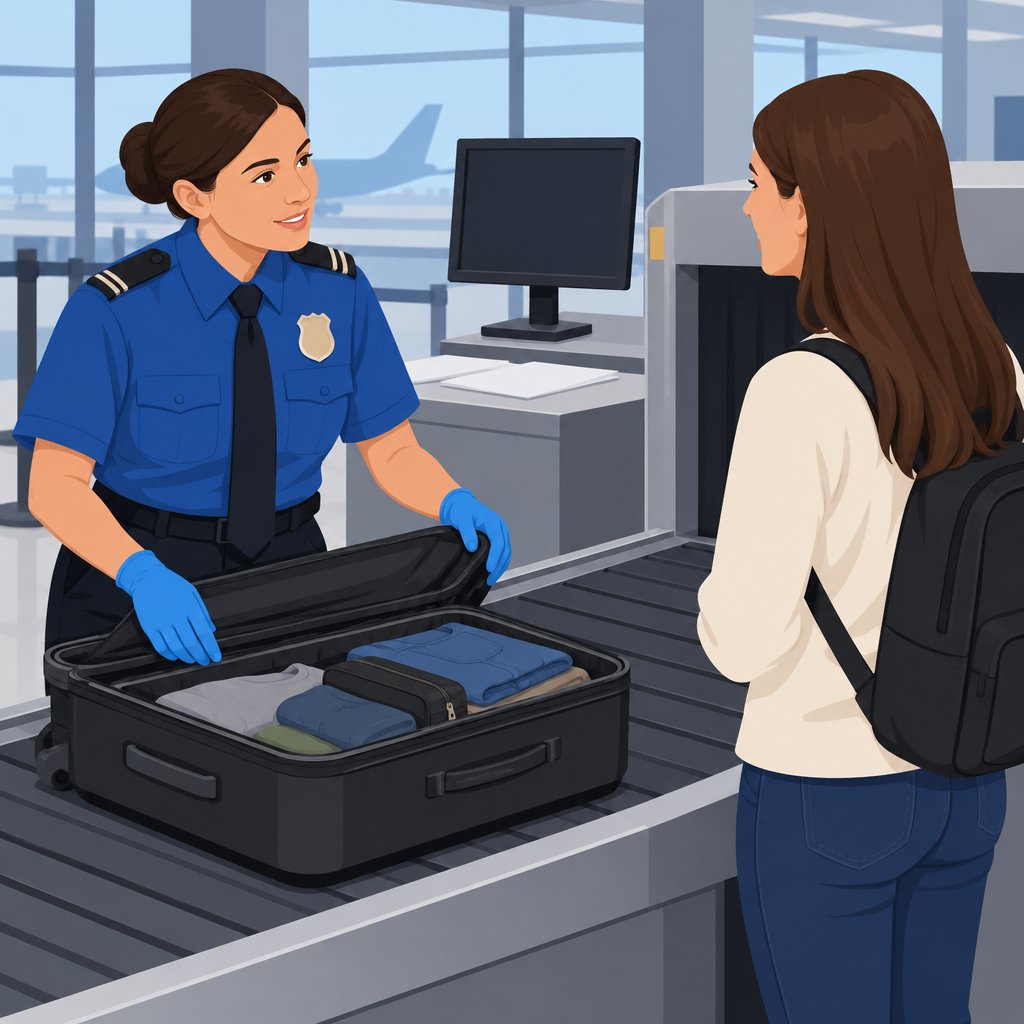
Customer Service Skills for Transportation Security Screeners
Transportation security screeners often serve as passengers’ first point of contact.
They provide helpful service while enforcing required security measures.
Therefore, screeners must balance passenger assistance with consistent security procedures.
- Screeners provide excellent customer service while maintaining security measures.
- They assist passengers with questions or concerns.
- They remain professional and courteous throughout the screening process.
When passengers raise concerns, screeners address them calmly and efficiently.
This approach requires patience, professionalism, and sound judgment.
Additionally, courteous conduct helps create a positive passenger experience.
It also supports the integrity of the security screening process.
Strong customer service skills help screeners maintain an efficient screening experience for everyone.
Uncover the Details: Key Partnerships in Effective Distribution Management
Problem-Solving Skills
Transportation security screeners need strong problem-solving skills.
These skills help them handle issues during screenings.
They also support safe and efficient checkpoint operations.
- Screeners quickly resolve problems during the screening process.
- They identify prohibited items and manage unruly passengers appropriately.
- They address technical malfunctions involving screening equipment.
- Additionally, screeners think quickly when unexpected situations arise.
- They respond to security threats and passenger medical emergencies under pressure.
- Finally, screeners collaborate with team members to find effective solutions.
- Effective teamwork helps them meet passenger needs while following security protocols.
Learn More: Freight Brokerage Marketing: Building Your Brand Online
Physical Abilities for Transportation Security Screeners
Physical abilities help transportation security screeners perform their duties effectively.
They also support passenger safety and protect the transportation system.
- Standing for long periods of time
- Lifting and inspecting heavy luggage
- Moving quickly when needed to respond to threats
Screeners often stand for extended periods while conducting passenger and baggage screenings.
This position helps them maintain clear views of screening areas and observe activity closely.
Additionally, screeners need enough strength to lift and inspect heavy luggage thoroughly.
They examine bags for prohibited or dangerous materials that could create security risks.
During emergencies, screeners must move quickly and respond effectively to potential threats.
They may navigate crowded areas, approach suspicious individuals, and act promptly when necessary.
Maintaining physical fitness and agility helps screeners perform their responsibilities with confidence and professionalism.
Understanding TSA Regulations
Transportation security screeners must understand the rules established by the Transportation Security Administration.
They identify permitted carry-on items and recognize prohibited materials during screening.
Following TSA regulations helps screeners protect passengers and staff.
Staying Current with Security Protocols
Security protocols change as new threats and challenges emerge.
Screeners review updated procedures and attend regular training sessions to maintain current knowledge.
They also stay informed about current security threats affecting their responsibilities.
Completing Required Training and Certifications
Transportation security screeners must complete specific training before beginning their work.
Required courses may address threat detection, screening procedures, and conflict resolution.
Transform Your Career Today
Unlock a personalized career strategy that drives real results. Get tailored advice and a roadmap designed just for you.
Start NowCertifications demonstrate that screeners possess the preparation required for their duties.
Adaptability in Transportation Security Screening
Adaptability remains a vital skill for transportation security screeners.
It helps screeners respond effectively as checkpoint demands, procedures, and technologies change.
Additionally, adaptable screeners can maintain reliable performance while supporting passenger and staff safety.
Performance in Fast-Paced Environments
Transportation security screeners often process many passengers and belongings within limited time.
Consequently, adaptable screeners adjust their pace while completing required screening responsibilities.
This flexibility helps them work efficiently without losing focus during busy periods.
Adjusting to Procedures and Technology
Security procedures and screening technology can change as transportation security requirements evolve.
Adaptable screeners learn new systems and equipment quickly.
As a result, they remain prepared to follow current security protocols.
Maintaining Composure Under Pressure
High-stress situations may involve unruly passengers or potential security threats.
In these moments, adaptable screeners remain calm and focused.
Their composure supports effective responses and helps protect passengers and staff.
Professional Contributions to Transportation Security
Transportation security screeners help maintain safety and security throughout transportation systems.
They protect passengers and prevent potential threats, making their work essential to public well-being.
Success in this profession requires communication, attention to detail, problem-solving, and adaptability.
These abilities support effective security procedures and responses to challenging situations.
Aspiring screeners can develop these skills through training, practice, and continuous learning.
Ongoing improvement can strengthen job performance and support safer environments for passengers and transportation staff.
Their dedication to safety standards helps address security concerns and supports smooth transportation operations.
Therefore, interested individuals should cultivate the skills and attributes required for this challenging, rewarding profession.


