




Port Operations Management
Port Operations Managers oversee daily activities at a port.
They manage personnel and handle cargo efficiently.
They also coordinate activities to support smooth operations.
Responsibilities of Port Operations Managers
Port Operations Managers coordinate shipping activities across the port.
They maintain port infrastructure and oversee regulatory compliance.
Furthermore, they optimize port performance and support reliable operations.
Environmental Responsibilities in Port Operations
Environmental responsibilities help reduce impacts on ecosystems and surrounding communities.
Port Operations Managers implement sustainable practices and follow environmental regulations.
They also promote eco-friendly operations throughout the port.
Environmental Responsibilities for a Port Operations Manager
Environmental responsibilities define how a Port Operations Manager protects the environment during port operations.
These duties require regulatory compliance, sustainable practices, and effective environmental risk management.
They also guide decisions that reduce operational impacts on surrounding ecosystems.
Key Environmental Management Practices
A Port Operations Manager uses several practices to reduce environmental impacts.
They establish systems that monitor environmental performance and control operational risks.
Additionally, they work with stakeholders to improve sustainability throughout port activities.
- Develop and implement environmental management systems
- Maintain compliance with environmental regulations
- Apply pollution prevention measures
- Conduct environmental audits and assessments
- Collaborate with stakeholders on environmental concerns
- Introduce green initiatives and cleaner technologies
Environmental Challenges in Port Operations
Port activities can affect water, air quality, habitats, and nearby communities.
Managers must identify these challenges and apply suitable controls.
Effective planning can reduce pollution and protect surrounding ecosystems.
- Water pollution can result from ballast water, oil spills, and waste runoff
- Ships, trucks, and equipment can create air pollution
- Cargo handling and vessel movements can generate noise pollution
- Land reclamation and dredging can disrupt coastal habitats
- Ballast water and ship traffic can introduce invasive species
- Port activities can generate substantial solid waste
Addressing these issues requires proactive measures and effective management strategies.
Innovative solutions can help ports reduce their environmental impact.
Environmental regulations shape how ports protect ecosystems while meeting operational responsibilities.
Regulations and Compliance
Port operations managers must understand environmental requirements affecting activities within port facilities.
These regulations protect surrounding ecosystems and help prevent pollution from port operations.
Therefore, managers need effective processes for identifying obligations and maintaining compliance.
Relevant Environmental Regulations for Port Operations
Several environmental rules address emissions, water quality, oil pollution, and hazardous waste.
Together, these requirements establish important safeguards for port areas and nearby communities.
Managers should review each applicable regulation and align operational practices with its requirements.
- The International Maritime Organization (IMO) sets standards for emissions from ships.
- The Clean Air Act regulates air pollution from port activities.
- The Clean Water Act addresses water quality concerns in ports.
- The Oil Pollution Act requires prevention of oil spills in port areas.
- The Resource Conservation and Recovery Act governs hazardous waste management.
Importance of Environmental Compliance
Port operations managers must treat environmental compliance as both a legal requirement and a moral responsibility.
By following environmental laws, they help protect ecosystems and support the health of surrounding communities.
Compliance also strengthens a port’s reputation and improves relationships with stakeholders.
Ports that prioritize environmental responsibility can appear trustworthy and environmentally conscious.
As a result, these ports may attract additional business opportunities through responsible practices.
Furthermore, sustainable practices can reduce operational expenses over time.
Effective pollution control also helps managers avoid cleanup costs linked to non-compliance.
Ultimately, regulatory compliance helps port operations support a cleaner and healthier environment.
You Might Also Like: Networking Tips for Aspiring Supply Chain Analysts
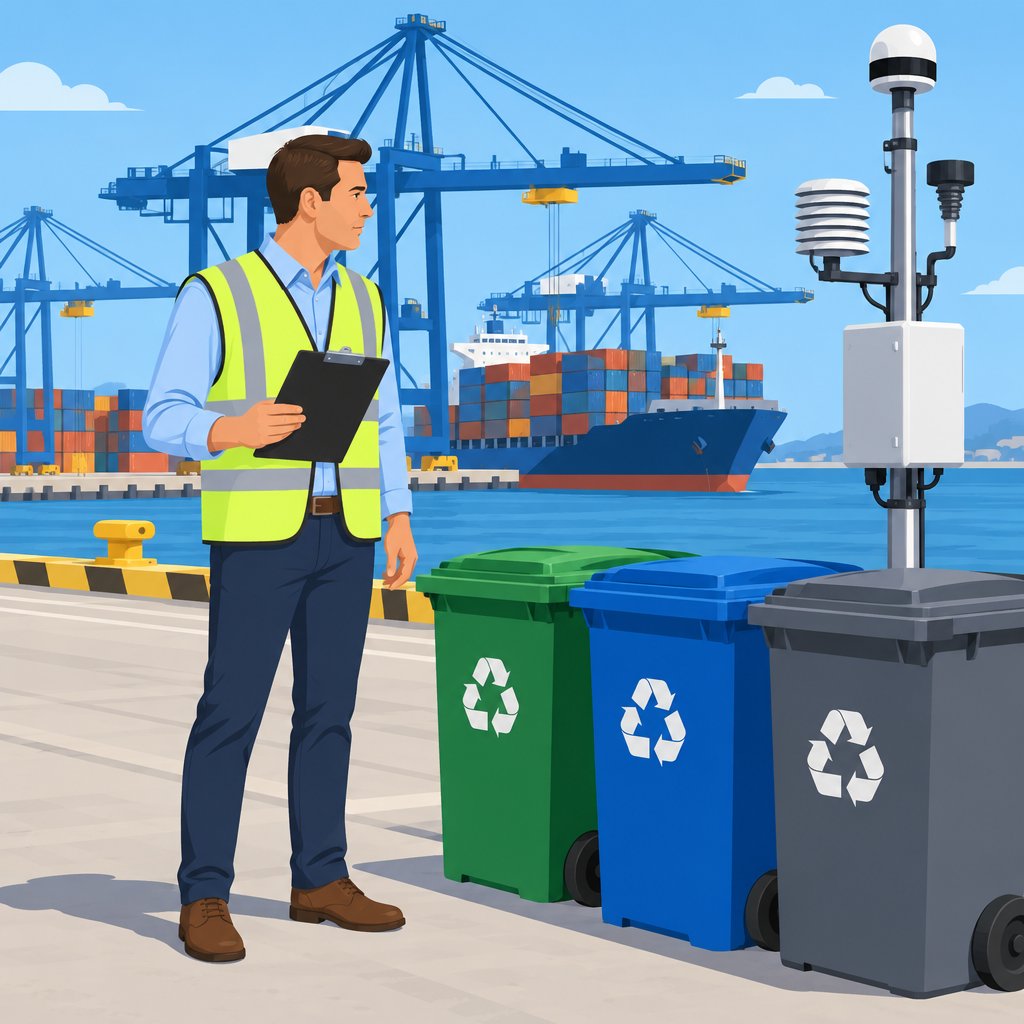
Sustainable Practices in Port Operations
Port operations managers play a crucial role in promoting sustainability within their operations.
They can implement sustainable practices to support environmental conservation.
These practices also reduce the ecological impact of port activities.
- Managers can invest in renewable energy sources, such as solar or wind power, to reduce fossil fuel reliance.
- Additionally, recycling programs and proper waste disposal methods can minimize the environmental footprint of port operations.
- Ports can adopt electric cranes or hybrid vehicles to lower carbon emissions and energy consumption.
- Managers can reduce water usage and prevent water pollution through conservation measures.
Benefits of Sustainable Port Operations
Port managers can gain several benefits by incorporating sustainable practices into operations.
Transform Your Career Today
Unlock a personalized career strategy that drives real results. Get tailored advice and a roadmap designed just for you.
Start NowThese benefits extend beyond environmental conservation.
They can also improve financial, reputational, regulatory, and operational outcomes.
- Reducing energy consumption and waste production can lower operational expenses.
- Furthermore, stakeholders may view sustainability-focused ports more favorably, strengthening their brand image.
- Sustainable practices help ports comply with environmental regulations and avoid fines or penalties.
- Finally, sustainable methods can streamline processes and increase operational efficiency.
Gain More Insights: Dock Worker Job Requirements: What Employers Look For
Waste Management
Effective waste management is crucial in port operations to maintain environmental sustainability.
Ports can reduce environmental impact by applying clear waste management strategies.
Furthermore, consistent practices support environmental sustainability throughout port operations.
Strategies for Effective Waste Management in Port Operations
Port teams should segregate waste at its source to support proper disposal.
They can also establish recycling programs for paper, plastics, and metals.
Additionally, composting organic waste reduces landfill use and methane production.
- Segregate waste at the source to facilitate proper disposal.
- Implement recycling programs for paper, plastics, and metals.
- Compost organic waste to reduce landfill use and methane production.
- Store and handle hazardous waste properly to prevent environmental contamination.
- Monitor and audit waste management practices regularly for continual improvement.
Environmental Impact of Proper Waste Management
Proper waste management helps prevent pollutants from entering the environment.
Recycling and reusing materials reduce demand for virgin resources.
Moreover, effective waste management protects natural habitats and biodiversity.
Proper disposal practices also help reduce greenhouse gas emissions.
Finally, reusing materials in port operations supports a circular economy.
Find Out More: Best Apps for Delivery Drivers to Improve Efficiency
Pollution Control
Port operations can pollute air, water, and soil when managers fail to control harmful releases.
Therefore, pollution control protects ecosystems and nearby communities from avoidable environmental harm.
Effective measures require cooperation among port authorities, shipping companies, and other stakeholders.
Methods for Controlling Pollution in Port Operations
Port authorities can apply several measures to control pollution during daily operations.
These measures address emissions, wastewater, spills, equipment pollution, and solid waste.
Additionally, coordinated action helps stakeholders maintain consistent pollution control practices.
- Ports can enforce strict emission standards for vessels entering the port.
- Port authorities can use shore power to reduce emissions from docked ships.
- Ports can install advanced wastewater treatment systems to prevent water pollution.
- Managers can implement spill prevention measures to avoid oil and chemical spills.
- Regular equipment maintenance can minimize air pollution from machinery.
- Ports can apply proper waste management practices to reduce solid waste pollution.
Environmental and Community Impacts
Pollution from port operations can affect ecosystems and communities in several ways.
Water pollution can damage marine life and disrupt aquatic ecosystems.
Air pollution can also create health concerns for nearby communities.
- Water pollution can harm marine life and disrupt the aquatic ecosystem.
- Air pollution from port operations can lead to respiratory issues in nearby communities.
- Soil contamination can affect local plant life and agriculture.
- Pollution can affect human health through contaminated water or food consumption.
- Ecosystem imbalance can result when pollution disrupts natural habitats.
Consequently, port operations managers should identify pollution risks before they affect environmental or community health.
Proactive pollution control can support a cleaner and healthier environment for present and future generations.
Raising environmental awareness can further strengthen pollution control across port operations.
Discover More: Interview Tips for Aspiring Logistics Operations Managers
Collaboration with Stakeholders
Stakeholder collaboration helps Port Operations Managers address environmental issues effectively.
Managers gain valuable insights and resources by working with various groups and individuals.
They can also build support for sustainable practices and reduce the port’s environmental impact.
Benefits of Stakeholder Collaboration
- Stakeholder involvement brings diverse perspectives into environmental decision-making processes.
- Stakeholders can provide expertise, funding, and technology for environmental initiatives.
- Collaboration with communities and environmental groups builds goodwill, trust, and a positive reputation.
- Stakeholder engagement helps managers identify environmental risks and address them proactively.
- Government agencies and NGOs can help ports understand regulations and maintain compliance.
Examples of Successful Port Collaborations
Several ports demonstrate how stakeholder collaboration can address environmental challenges.
These partnerships support sustainability through shared programs, research, technology, and environmental improvements.
The following examples show how ports work with communities, governments, industries, and environmental organizations.
- Port of Vancouver, Canada: The port works with communities, agencies, and organizations on shore power and habitat restoration.
- Port of Rotterdam, Netherlands: The port works with shipping companies, cargo owners, and researchers to reduce emissions.
- Port of Singapore, Singapore: Industry, academia, and government support emissions monitoring, waste management, and green technology.
- Port of Long Beach, USA: Community groups, regulators, and tenants support clean air and green infrastructure programs.
- Port of Gothenburg, Sweden: Environmental groups, agencies, and shipping companies support cleaner air and biodiversity conservation.
Environmental Stewardship in Port Operations
Environmental stewardship supports the long-term viability of port operations.
Therefore, managers must reduce environmental impacts while supporting surrounding communities.
Proactive practices and regulatory compliance can strengthen organizational reputation and support a greener future.
- Port Operations Managers support environmental sustainability through daily operational decisions.
- They manage waste, emissions, and energy use to reduce environmental impacts.
- They follow environmental regulations to maintain compliant port operations.
- Green initiatives can reduce costs and build community goodwill.
- They monitor performance continuously and improve practices over time.


