




Introduction
Supply chain refers to a network of individuals, organizations, resources, activities, and technology.
It supports the creation and delivery of goods and services to customers.
Material handlers play a crucial role in keeping supply chain operations running smoothly.
Supply Chain Operations
A supply chain includes every activity involved in producing and distributing goods.
It begins with raw materials and ends when the final product reaches the consumer.
Key stages include procurement, production, inventory management, distribution, and customer service.
Importance of Material Handlers in Supply Chains
Material handlers support efficient operations across warehouses and distribution centers.
They also help organizations control inventory, improve productivity, reduce costs, and protect workplace safety.
Additionally, their work supports customer satisfaction and supply chain resilience.
- Material handlers move goods within warehouses or distribution centers, ensuring timely and accurate product shipments.
- They track, count, and organize goods accurately to prevent stockouts or overstock situations.
- They streamline material handling, reduce lead times, improve order fulfillment, and increase overall productivity.
- Effective practices reduce labor expenses, optimize storage space, and minimize product damage or loss.
- They follow occupational health and safety standards to reduce workplace accidents and injuries.
- They support timely, accurate deliveries, helping businesses meet customer demand and improve satisfaction.
- They help supply chains adapt to disruptions, mitigate risks, and maintain operational continuity.
Material Handler Responsibilities
Material handlers move, store, and manage materials throughout supply chain operations.
They support the steady movement of goods between different points within the supply chain.
Their work helps organizations coordinate material flow and maintain efficient daily operations.
- Material handlers move, store, and manage materials within a supply chain.
- They help maintain the smooth and efficient flow of goods throughout supply chain operations.
Material Movement and Workplace Efficiency
Material handlers move supplies quickly and efficiently between locations.
They use forklifts, conveyors, and pallet jacks to transport materials inside facilities.
They also maintain accurate inventory records and account for materials consistently.
By monitoring inventory levels, they help prevent stockouts and excess inventory.
They initiate replenishment orders when material levels require attention.
Additionally, material handlers follow safety procedures when handling materials.
Their training helps reduce accidents and injuries within warehouses and distribution centers.
Efficient handling also reduces waste, improves productivity, and maximizes resource use.
Customer Service and Supply Chain Resilience
Material handlers help deliver materials on time and in good condition.
Therefore, their work supports customer demands and service expectations.
During disruptions, material handlers adjust quickly to changing supply chain conditions.
They help reduce risks and maintain material flow during unpredictable events.
This flexibility supports continuity when natural disasters or other disruptions affect operations.
Material handlers also examine processes to identify opportunities for improvement.
They analyze data and implement changes that strengthen efficiency and productivity.
Collaboration, Adaptability, and Technology
Material handlers coordinate with logistics, warehouse, and transportation teams.
Clear communication helps these teams pursue shared supply chain goals.
They also adjust workflows when demands and priorities change.
This adaptability allows them to respond to shifting operational requirements.
Furthermore, material handlers use technology and automation to streamline handling processes.
They monitor industry innovations and apply useful tools to improve operational performance.
Through these responsibilities, material handlers support efficient, safe, and responsive supply chain operations.
Efficiency in Supply Chain Management
- Material handlers improve supply chain efficiency through quick and accurate material processing.
- They help minimize delays by handling materials efficiently throughout supply chain operations.
- Additionally, material handlers move goods seamlessly from one point to another.
- They streamline material flow and reduce the possibility of supply chain bottlenecks.
Gain More Insights: Future Trends in Railroad Engineering
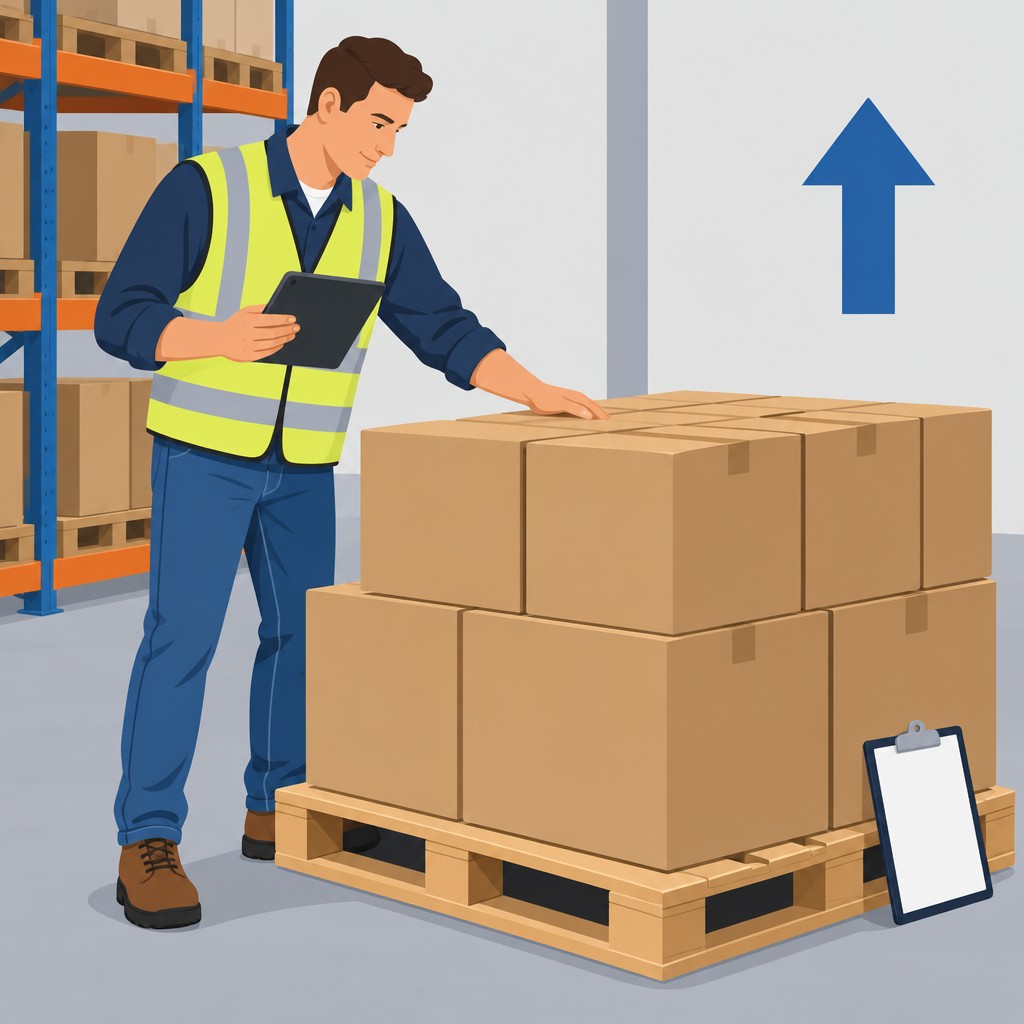
Material Handlers and Inventory Management
Inventory management supports the steady flow of goods from suppliers to customers.
Material handlers maintain suitable stock levels by receiving, storing, and issuing materials.
They also coordinate with planners and warehouse managers to support demand forecasting and replenishment planning.
- Material handlers receive, store, and issue materials while maintaining appropriate stock levels.
- They apply inventory controls to prevent shortages and excess stock, which can increase costs.
- They conduct regular audits to verify quantities, identify discrepancies, and resolve issues promptly.
- Consequently, accurate inventory management supports operational efficiency and customer satisfaction.
- They coordinate with planners and warehouse managers to forecast demand and plan replenishment.
Accurate Stock Levels and Inventory Control
Inventory systems help material handlers track shipments, stock levels, and inventory reports.
Additionally, established procedures support accurate records for movements, transactions, and adjustments.
Transform Your Career Today
Unlock a personalized career strategy that drives real results. Get tailored advice and a roadmap designed just for you.
Start NowCycle counts and physical checks help teams verify records and address discrepancies quickly.
- Material handlers record incoming and outgoing shipments in inventory management software.
- They follow control procedures when documenting stock movements and adjustments.
- They perform cycle counts and physical checks to compare records with actual quantities.
- They collaborate with procurement and logistics teams to coordinate inventory activities.
- Accurate records help reduce carrying costs and minimize stockouts.
These practices help organizations maintain suitable inventory levels while supporting broader supply chain objectives.
Delve into the Subject: Training Programs for Aspiring Railroad Engineers
Cost Reduction Through Material Handling
Material handlers can reduce supply chain costs.
They achieve savings through careful handling, organized storage, and efficient logistics.
Their work also limits waste, supports productivity, and improves resource use.
- Trained material handlers reduce damage and loss through efficient handling practices.
- They organize materials efficiently, maximizing storage space and reducing facility needs.
- They streamline loading and unloading, which helps reduce transportation expenses.
- Proper storage and handling reduce spoilage, damage, and material waste.
- Accurate stock levels help prevent costly overstocking and stockouts.
- Efficient handling processes reduce downtime and delays, improving productivity.
- Material handlers use equipment, labor, and space effectively to support cost savings.
- Lean practices help material handlers eliminate waste and improve supply chain efficiency.
Explore Further: The Benefits of Continuous Learning in Logistics Consulting
Transportation and Logistics
Material handlers play a crucial role in transporting goods throughout the supply chain.
They move products between locations while helping ensure timely and careful delivery.
Their work supports reliable transportation operations and helps goods reach customers in good condition.
Role of Material Handlers in Transportation
During transportation, material handlers prepare goods for movement between different locations.
They follow established procedures to protect products and maintain accurate shipment information.
Additionally, they coordinate transportation activities to support efficient and cost-effective deliveries.
- Material handlers load and unload goods onto trucks, ships, or planes according to transportation needs.
- Moreover, they package and label items securely to prevent transit damage and follow required protocols.
- They track inventory levels and update records, giving logistics planners accurate information.
- They collaborate with transportation companies to schedule deliveries and pickups.
- Furthermore, they optimize routes to improve efficiency and control costs.
- They inspect vehicles and equipment, then report maintenance or repair needs.
Coordination with the Logistics Team
Material handlers coordinate with logistics teams throughout the supply chain.
They share shipment details to help teams organize incoming and outgoing goods.
Furthermore, their updates support timely decisions about stock and transportation activities.
- Material handlers work closely with logistics teams to coordinate goods movement.
- They communicate incoming and outgoing shipment information to streamline operations.
- They provide real-time stock updates that help logistics teams make informed decisions.
- They participate in meetings and planning sessions about shipments and potential challenges.
- They discuss process improvements that can strengthen transportation operations.
- They contribute practical suggestions for improving logistics efficiency and productivity.
Material handlers support transportation and logistics across the supply chain.
Their attention to detail, organizational skills, and communication abilities support smooth operations.
As a result, they help ensure that goods reach customers on time and in good condition.
Find Out More: Networking Tips for Expediters in Logistics
Safety and Compliance in Material Handling
- Ensuring safe handling of materials
- Complying with industry regulations and standards
Material handlers protect people, products, and operations by applying safety procedures during every handling activity.
They load and unload trucks, move materials through warehouses, and operate heavy machinery according to established protocols.
These procedures reduce risks and help prevent accidents, injuries, and fatalities.
Additionally, handlers must recognize hazards before moving, storing, or processing materials.
Industry regulations and standards guide how handlers transport, store, and dispose of materials.
Handlers must follow specific requirements for hazardous materials to protect health and prevent environmental damage.
Regular awareness of regulatory updates helps workers maintain compliant practices.
Safe handling also protects product integrity during movement and storage.
Careless handling can break delicate items and create financial losses for the company.
Therefore, workers need training and skills for handling different material types effectively.
Compliance also protects the company’s reputation and limits legal consequences.
Noncompliance can lead to fines, lawsuits, or suspended operations.
By following safety rules, handlers create a safer workplace for themselves and colleagues.
Furthermore, compliant practices support efficient material movement throughout the supply chain.
These efforts strengthen operational reliability and support the supply chain industry’s sustainability.
Customer Satisfaction
- Impact of Material Handlers on Customer Satisfaction
Material handlers help ensure that products reach customers on time.
Their efficient inventory management directly affects the customer experience.
When customers receive prompt, undamaged orders, they are more likely to feel satisfied.
- Timely Delivery and Quality Service
Material handlers move products between locations efficiently and safely.
They support customer expectations by helping the company deliver orders on time.
Transform Your Career Today
Unlock a personalized career strategy that drives real results. Get tailored advice and a roadmap designed just for you.
Start NowThey also support quality control by handling products carefully and minimizing damage or transportation errors.
Material Handlers and Supply Chain Performance
Material handlers directly influence supply chain productivity through accurate inventory control, order fulfillment, and transportation coordination.
Their careful work helps businesses move materials efficiently and control operating costs.
Without skilled handlers, operations may experience delays, errors, and unnecessary expenses.
These professionals follow procedures and maintain steady material flow between operational points.
Moreover, their attention to detail supports consistent handling throughout daily supply chain activities.
Businesses should recognize this role and invest in training and professional development.
Such investment can strengthen operations and support sustained supply chain performance.
Consequently, customers receive orders on time, in the correct quantities, and in good condition.
Additional Resources
Bing search results for Importance of Material Handlers in Supply Chain Transportation and Logistics


