




Material Handling in Logistics
Logistics teams move, protect, store, and control products throughout the supply chain.
Efficient material handling supports smooth supply chain operations and timely customer deliveries.
Without proper practices, companies face delays, damaged products, resource waste, and higher costs.
Therefore, organizations can optimize operations, improve productivity, and increase customer satisfaction through best practices.
Proper Storage and Organization
Proper inventory storage and organization support efficient logistics operations.
- Logical inventory organization: Systematic arrangements provide easy access and prevent order-processing delays.
- Storage systems: FIFO, LIFO, and JIT methods support stock rotation and help minimize waste.
- Labeling and tracking: Product labels and barcode systems improve inventory visibility and accuracy.
By applying these practices, businesses can streamline logistics and improve inventory management.
Consequently, organized storage can enhance overall operational efficiency.
Efficient Use of Space
Efficient space use helps companies optimize material handling operations.
Companies must maximize storage capacity to manage warehouse space effectively.
Furthermore, thoughtful space planning can help reduce operating costs.
Maximizing Storage Space Through Stacking
Companies can increase storage capacity by using vertical or horizontal stacking methods.
Vertical stacking uses available warehouse height to expand storage without enlarging the facility.
Meanwhile, horizontal stacking uses floor space through careful product placement.
- Vertical stacking uses tall shelves or racks to store items upward.
- Horizontal stacking arranges items across the floor to fit more products within the same area.
Warehouse Layout Optimization Techniques
An optimized warehouse layout can reduce unnecessary movement and improve productivity.
First, companies should position frequently picked items near the shipping area.
Additionally, slotting analysis can match product velocity with suitable storage locations.
- Place frequently picked items near shipping areas to reduce travel time.
- Use slotting optimization to position products according to velocity and storage requirements.
Automated Systems for Material Handling
Automation can streamline warehouse movement and reduce manual handling.
Conveyor belts move items through the warehouse with less manual effort.
Robotic arms can support picking, packing, and stacking tasks continuously.
- Conveyor belts automate item movement within the warehouse.
- Robotic arms support picking, packing, and stacking operations.
These practices help companies optimize warehouse operations and use available space efficiently.
As a result, companies can reduce costs and improve material handling efficiency.
Learn More: Freight Agent Best Practices for Efficiency
Safety Measures
Employee safety remains essential for successful material handling operations.
Logistics companies can protect employees by applying clear safety practices.
These practices also reduce accidents that disrupt workflow and affect efficiency.
Prioritizing Employee Safety
Companies should place employee safety before operational convenience.
This priority helps protect employees from workplace harm.
It also reduces accidents that could interrupt material handling activities.
Training for Handling Equipment
Employers should train employees before they operate handling equipment and machinery.
Proper training helps employees operate equipment safely.
It also minimizes the possibility of workplace injuries.
- Operate forklifts, conveyors, and other equipment correctly.
- Use correct lifting techniques to prevent strains and injuries.
- Understand workplace safety procedures and protocols.
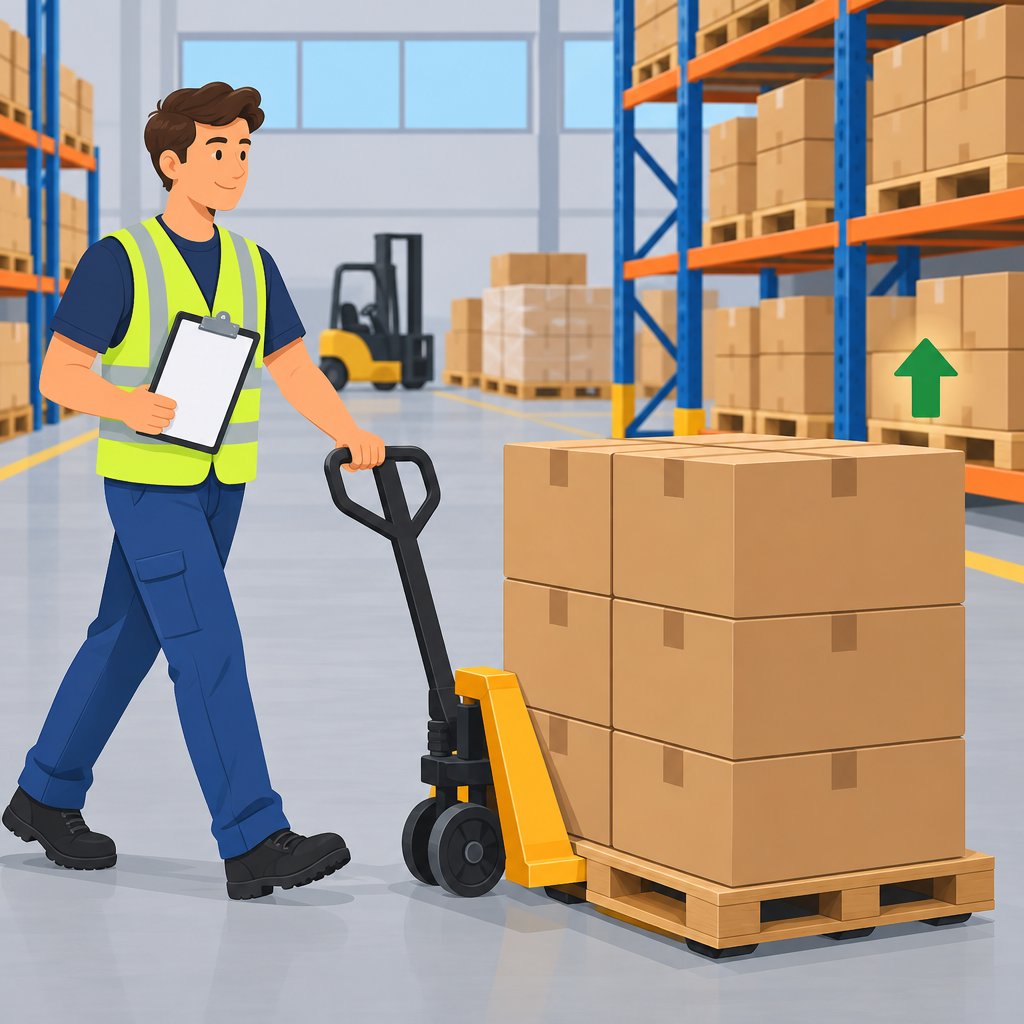
Safety Protocols and Inspections
Clear safety protocols help employees understand how to respond to hazards.
They also provide guidance during workplace emergencies.
Regular inspections identify potential risks before those risks escalate.
- Wear appropriate personal protective equipment.
- Maintain clear pathways for material movement.
- Secure loads properly to prevent shifting or falling.
Logistics companies can create safer workplaces by prioritizing employee safety.
They can also provide adequate training for handling equipment.
Strict safety protocols further help minimize accidents during material handling operations.
Find Out More: Environmental Impact of Public Bus Transportation
Inventory Management
- Inventory tracking systems monitor stock levels and support timely decisions.
- Businesses can use RFID tags or barcodes to improve inventory count accuracy.
- Cycle counting and regular audits help prevent stockouts and overstocking.
Effective inventory management supports smooth logistics operations.
Tracking systems show current stock levels, which helps businesses make informed decisions.
Transform Your Career Today
Unlock a personalized career strategy that drives real results. Get tailored advice and a roadmap designed just for you.
Start NowAdditionally, RFID tags and barcodes streamline counting and reduce errors.
These tools improve count accuracy and minimize stock discrepancies.
Meanwhile, cycle counting and regular audits reveal discrepancies before they disrupt inventory control.
Companies can address differences promptly and maintain appropriate stock levels.
Consequently, well-managed inventory systems improve productivity and customer satisfaction.
Find Out More: Future Trends in Urban Transportation Planning
Streamlining Material Handling Processes
- Implement lean manufacturing principles to reduce waste during material handling.
- Identify process bottlenecks and develop practical solutions.
- Continuously improve workflows and optimize operations for greater efficiency.
Efficiency plays a central role in material handling operations.
Lean manufacturing principles help organizations reduce waste and improve process efficiency.
Consequently, streamlined processes can improve logistics operations significantly.
Companies can streamline operations by identifying bottlenecks in material handling processes.
Bottlenecks delay work and disrupt the movement of materials.
By addressing these obstacles, companies can improve productivity and reduce downtime.
Continuous improvement helps organizations optimize material handling operations.
Teams can analyze and refine workflows to identify opportunities for improvement.
Then, they can implement changes that create greater efficiency.
This ongoing effort helps operations respond to changing business demands.
Efficient material handling involves more than moving items between locations.
Companies must move materials in the most effective and streamlined manner.
Therefore, lean principles, bottleneck reduction, and workflow improvements support efficient logistics operations.
Learn More: Role of Technology in Modern Distribution Management
Sustainability Practices
- Companies implement eco-friendly material handling practices to reduce their carbon footprint.
- Businesses recycle materials and packaging to minimize waste.
- Logistics teams use energy-efficient equipment and technology during operations.
Sustainability practices help companies reduce environmental impacts and improve operational efficiency.
Eco-friendly solutions can also help businesses lower long-term costs.
Companies can improve sustainability by applying responsible practices throughout the supply chain.
These practices include reducing single-use plastics and optimizing packaging materials.
Businesses can also establish recycling programs that reduce unnecessary waste.
Reducing Carbon Footprint
Companies reduce carbon emissions by limiting energy consumption during material handling.
They can optimize transportation routes, use energy-efficient vehicles, and consolidate shipments.
These actions reduce the number of trips required to move materials.
Furthermore, businesses can explore alternative fuels and energy sources for material handling equipment.
Examples include electric forklifts, solar-powered conveyor belts, and fuel-efficient trucks.
Investing in sustainable energy solutions can reduce emissions and operating costs.
Recycling and Minimizing Waste
Recycling materials and packaging supports sustainability in material handling operations.
Companies can work with suppliers that provide recyclable or biodegradable packaging materials.
They can also establish recycling stations throughout their facilities.
These stations encourage employees to dispose of waste correctly.
By minimizing waste, businesses reduce environmental impacts and strengthen their public reputation.
Additionally, sustainable operations can appeal to consumers who value environmental responsibility.
Using Energy-Efficient Equipment
Energy-efficient equipment helps logistics operations reduce power consumption and operating costs.
Companies can invest in technology designed to minimize energy usage.
Examples include automated storage systems, conveyor belts, and robotic palletizers.
Transform Your Career Today
Unlock a personalized career strategy that drives real results. Get tailored advice and a roadmap designed just for you.
Start NowThese solutions can lower utility bills while improving operational efficiency.
Consequently, businesses support environmental goals and strengthen their financial performance.
Sustainable equipment also helps companies meet regulatory requirements and attract environmentally conscious consumers.
Strategic Benefits of Material Handling Practices
Strong material handling practices improve logistics performance and strengthen productivity.
Moreover, streamlined procedures help companies reduce errors and control operating costs.
Consequently, efficient handling can support faster deliveries and improve customer satisfaction.
Proper training and suitable equipment can also create long-term savings.
Meanwhile, companies can review their practices regularly to maintain consistent performance.
Continuous adaptation helps businesses respond to changing market demands and remain competitive.
These improvements influence supply chain results by supporting reliable material movement.
Therefore, effective material handling remains essential to sustained logistics success.
Additional Resources
Bing search results for Material Handling: Best Practices in Logistics Transportation and Logistics


