




Warehouse Safety and Common Workplace Accidents
Warehouse safety helps ensure a secure work environment for employees.
Without proper safety measures, accidents can happen.
Common warehouse accidents include slips, trips, falls, and manual handling injuries.
Warehouse Safety Training
Regular safety training supports a safe warehouse environment.
Consistent education reinforces essential workplace practices and procedures.
Therefore, employees can maintain awareness while performing their duties.
Importance of Ongoing Safety Training
Employees need regular reminders to maintain awareness of safety protocols.
Training sessions reinforce the importance of safe conduct throughout the workplace.
Additionally, ongoing instruction helps employees remain vigilant during daily tasks.
Essential Topics for Safety Training
Training sessions should address practical skills and responses to potential emergencies.
These lessons give employees knowledge for navigating hazards in the warehouse environment.
Furthermore, clear instruction helps employees protect themselves and others.
- Employees should use proper lifting techniques to prevent back injuries and muscle strains.
- Employees should learn emergency procedures for fires, chemical spills, and other emergencies.
Strict Safety Protocols for Hazardous Materials and PPE
Warehouse operations require strict protocols for hazardous materials and personal protective equipment.
These measures help prevent accidents and protect employees during warehouse tasks.
Employers should communicate requirements clearly and enforce them consistently.
Hazardous Materials Handling Requirements
Employees need clear instructions for handling hazardous materials safely and effectively.
Label every hazardous material with its contents, potential hazards, and required precautions.
Store hazardous materials in designated areas, separate from other items.
This separation helps prevent contamination and accidents.
Inspect these storage areas regularly to confirm secure conditions and compliance with safety regulations.
Provide spill kits and procedures for responding to leaks or spills.
Train employees to follow those procedures during emergencies.
Conduct regular drills so employees can practice emergency responses.
Personal Protective Equipment Requirements
Require employees to wear PPE appropriate for their tasks and potential hazards.
Provide helmets, safety goggles, gloves, steel-toed boots, and ear protection.
Maintain PPE properly and replace damaged equipment when necessary.
Store protective equipment in designated areas for easy access.
Train employees to wear and use PPE correctly.
Teach them to inspect, clean, and report problems with their equipment.
A strong safety culture encourages employees to follow PPE requirements consistently.
These protocols help create a safer work environment for warehouse staff.
Consistent implementation can reduce the risk of accidents and injuries.
Safety should remain the top workplace priority.
Delve into the Subject: How to Transition from Assembler to Supervisor
Regular Equipment Inspection and Maintenance
Warehouses need regular equipment inspections and maintenance to support a safe work environment.
Routine checks help employees identify equipment problems before those problems become serious safety hazards.
Furthermore, well-maintained equipment supports efficient and productive warehouse operations.
- Routine equipment inspections help detect defects and wear before they cause accidents.
- Scheduled maintenance checks help prevent accidents and extend equipment service life.
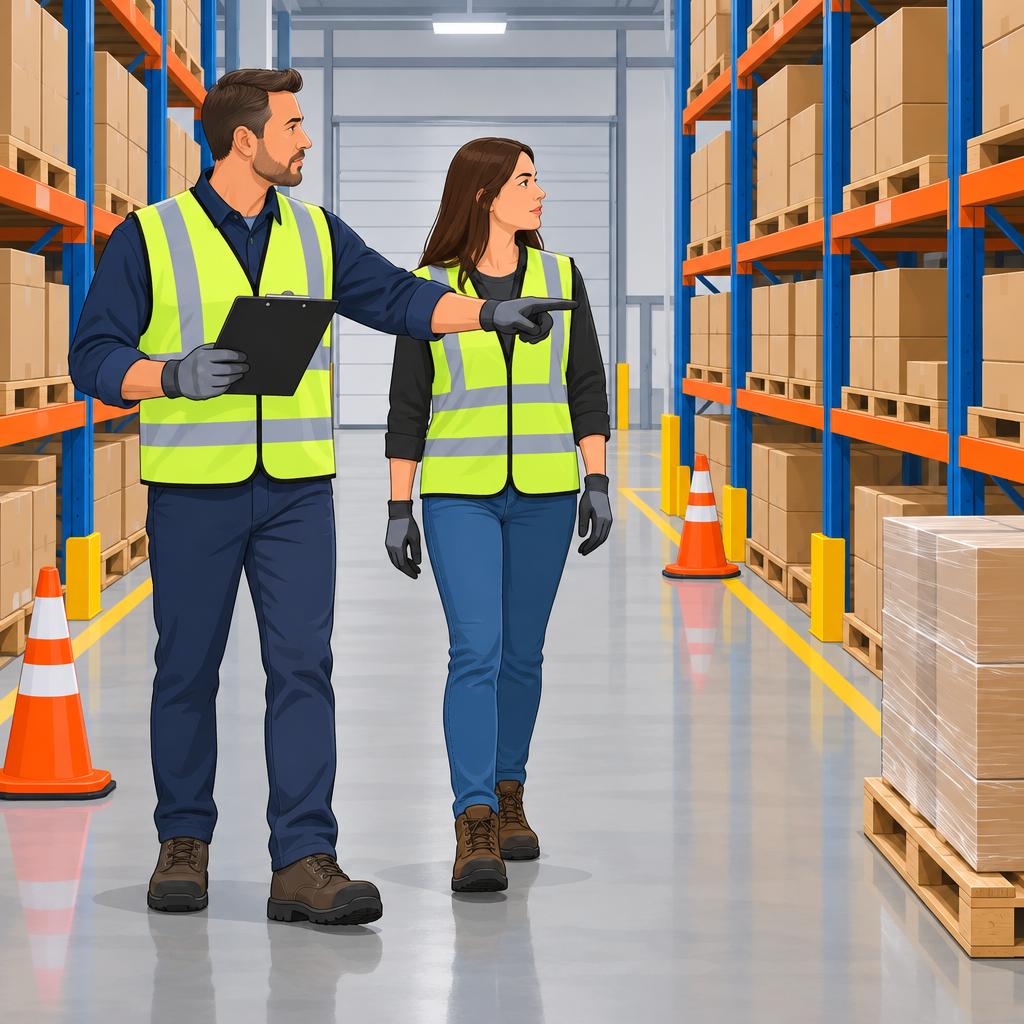
Maintenance Checks That Prevent Accidents
Warehouse teams should create a maintenance schedule with specific dates for each inspection.
Additionally, the schedule helps prevent equipment from going unchecked for too long.
Designated personnel should oversee inspections and examine every piece of equipment carefully.
Transform Your Career Today
Unlock a personalized career strategy that drives real results. Get tailored advice and a roadmap designed just for you.
Start NowWarehouses should also record every inspection and repair in detailed maintenance records.
These records support accountability and reveal trends in equipment performance.
By taking a proactive approach, warehouses can reduce accident risks and maintain safer operations.
Delve into the Subject: Common Challenges Faced by Movers and How to Overcome Them
Encourage Open Communication
Open communication in warehouse operations helps teams identify and address safety concerns promptly.
Employees can raise concerns when leaders provide clear reporting methods and encourage respectful discussion.
Moreover, collaborative teams can examine risks together and support practical responses.
- Provide channels for employees to report safety concerns.
- Foster teamwork and collaboration when addressing safety issues.
Provide Channels for Safety Concerns
A designated safety officer or committee can receive concerns and coordinate appropriate responses.
Employees need a direct communication path that supports candid safety reporting.
Additionally, clear reporting responsibilities help teams address concerns without unnecessary delay.
Foster Teamwork and Collaboration
Teamwork encourages employees to discuss safety issues and consider different perspectives.
When employees prioritize shared safety goals, they can address concerns more effectively.
Therefore, collaboration supports consistent attention to hazards and strengthens workplace communication.
Learn More: Day in the Life of a Professional Land Surveyor
Organized warehouse work areas improve productivity and reduce the risk of accidents and injuries.
Therefore, employees can work more safely when teams maintain clear spaces and reliable storage systems.
Maintaining a Clutter-Free Workspace
A tidy workspace helps employees move safely and identify potential hazards quickly.
Additionally, organized work areas help employees locate items without unnecessary delays.
Good housekeeping also encourages employees to maintain consistent safety standards.
- Clear walkways reduce tripping hazards and help employees move safely.
- Clean spaces improve visibility of spilled liquids and misplaced items.
- Organized areas help workers locate items faster and improve productivity.
- Regular housekeeping promotes a workplace culture focused on safety.
- Proper organization helps prevent inventory damage, loss, and disorganization.
Implementing Efficient Storage Systems
Efficient storage systems use available space while reducing potential hazards.
Meanwhile, clear labels help employees return items to their proper locations.
Regular inspections keep storage equipment reliable and support safer warehouse operations.
- Use vertical space with shelving units or pallet racks.
- Label shelves, bins, and storage areas clearly.
- Choose sturdy storage equipment designed for stored item weights.
- Rotate inventory through a first-in-first-out system.
- Inspect storage systems regularly for damage and wear.
By combining clear work areas with efficient storage, teams create safer and more productive warehouse environments.
Consequently, organized workspaces support employees while protecting inventory from avoidable damage.
Explore Further: Best Practices for Efficient Warehouse Operations
Ergonomic Risks in Warehouse Environments
Ergonomic safety protects warehouse employees from preventable physical strain.
It also supports employee health, productivity, and well-being during daily work.
Therefore, businesses should monitor ergonomic risks as part of workplace safety.
The Importance of Ergonomic Safety
Ergonomics affects employee health and productivity in warehouse environments.
When businesses ignore ergonomic risks, employees may develop musculoskeletal disorders and experience lower work performance.
Additionally, proper ergonomic practices can improve morale, reduce absenteeism, and strengthen workplace efficiency.
- Employees need to understand how ergonomics affects their health and productivity.
- Ignoring ergonomic risks can cause musculoskeletal disorders and reduce work performance.
- Proper ergonomics can improve morale, reduce absenteeism, and enhance workplace efficiency.
Ergonomic Solutions for Injury Prevention
Businesses can reduce injury risks by adjusting workstations and equipment for different body sizes and movements.
Regular assessments help teams identify hazards and apply corrective measures promptly.
Furthermore, training, suitable tools, safety equipment, and task rotation can reduce physical strain.
- Invest in adjustable workstations and equipment that accommodate different body sizes and movements.
- Conduct regular ergonomic assessments to identify hazards and implement corrective measures promptly.
- Teach employees proper lifting techniques and explain the importance of ergonomic practices.
- Provide ergonomically designed tools and accessories to minimize strain and repetitive stress injuries.
- Offer back support belts and anti-fatigue mats to help reduce injury risks.
- Rotate tasks to reduce prolonged exposure to repetitive movements.
By prioritizing ergonomic safety, businesses can strengthen workplace safety culture and support employee well-being.
Warehouse Safety Responsibilities
Warehouse safety depends on proper equipment usage and effective housekeeping.
These measures support essential safety practices throughout daily operations.
Every employee helps create a safer work environment by following safety protocols.
- Proper equipment usage and housekeeping support essential warehouse safety measures.
- Employees should follow safety protocols and encourage a culture of safety.
Additional Resources
Transform Your Career Today
Unlock a personalized career strategy that drives real results. Get tailored advice and a roadmap designed just for you.
Start Now


