




Power Line Installers and Career Flexibility
Power line installers install and maintain electrical power systems.
They help deliver electricity to homes, businesses, and industries.
Because industry demands and technologies change, these workers must adapt to remain competitive.
Why Career Flexibility Matters
First, adapting to new technologies helps power line installers remain relevant in the evolving energy sector.
Moreover, flexible skills support roles involving transmission lines and renewable energy sources.
Workers can also explore opportunities on large construction projects or in remote locations.
Additionally, flexibility helps installers respond to outages caused by severe weather or accidents.
Finally, specialized certifications can support career advancement or movement into management roles.
Long-Term Opportunities in the Energy Sector
Power line installers remain vital to the energy sector.
By embracing new technologies, they can respond effectively to changing industry demands.
Consequently, flexible skills can help these workers thrive in dynamic environments.
Power Line Installer Responsibilities
Power line installers help communities receive reliable electricity.
They install, repair, and maintain power lines serving homes and businesses.
Additionally, these workers support electrical systems through careful fieldwork and maintenance.
Daily Work Performed by Power Line Installers
Installers work on both overhead and underground power lines.
They climb poles and towers to complete inspections and maintenance tasks.
Furthermore, they test electrical lines and troubleshoot service interruptions.
- Install and repair overhead power lines.
- Install and repair underground power lines.
- Climb poles and towers during maintenance work.
- Test power lines to confirm proper operation.
- Troubleshoot and repair power outages.
- Operate bucket trucks, cranes, and other specialized equipment.
- Follow safety protocols during every task.
Skills Required for Power Line Installation
Physical fitness helps installers climb poles and lift heavy equipment.
Attention to detail supports accurate power line installation and maintenance.
Moreover, communication enables crews to coordinate work and maintain safe operations.
- Build physical strength and endurance.
- Apply problem-solving skills during troubleshooting.
- Communicate effectively with team members.
- Operate specialized equipment competently.
- Understand electrical systems and safety regulations.
Training and Certification Requirements
New installers complete formal training before handling advanced responsibilities.
Training combines classroom instruction with supervised on-the-job experience.
Continuing education helps workers follow current regulations and industry practices.
- Complete an approved formal training program.
- Obtain a journeyman electrician license when required.
- Pass a written licensing examination when necessary.
- Continue education throughout the career.
Career Opportunities in Power Line Installation
Power line installation offers challenging work and opportunities for professional growth.
Electricity demand continues to support the need for skilled installers.
Installers can work for utility companies or private contractors.
Their work helps keep communities connected and powered.
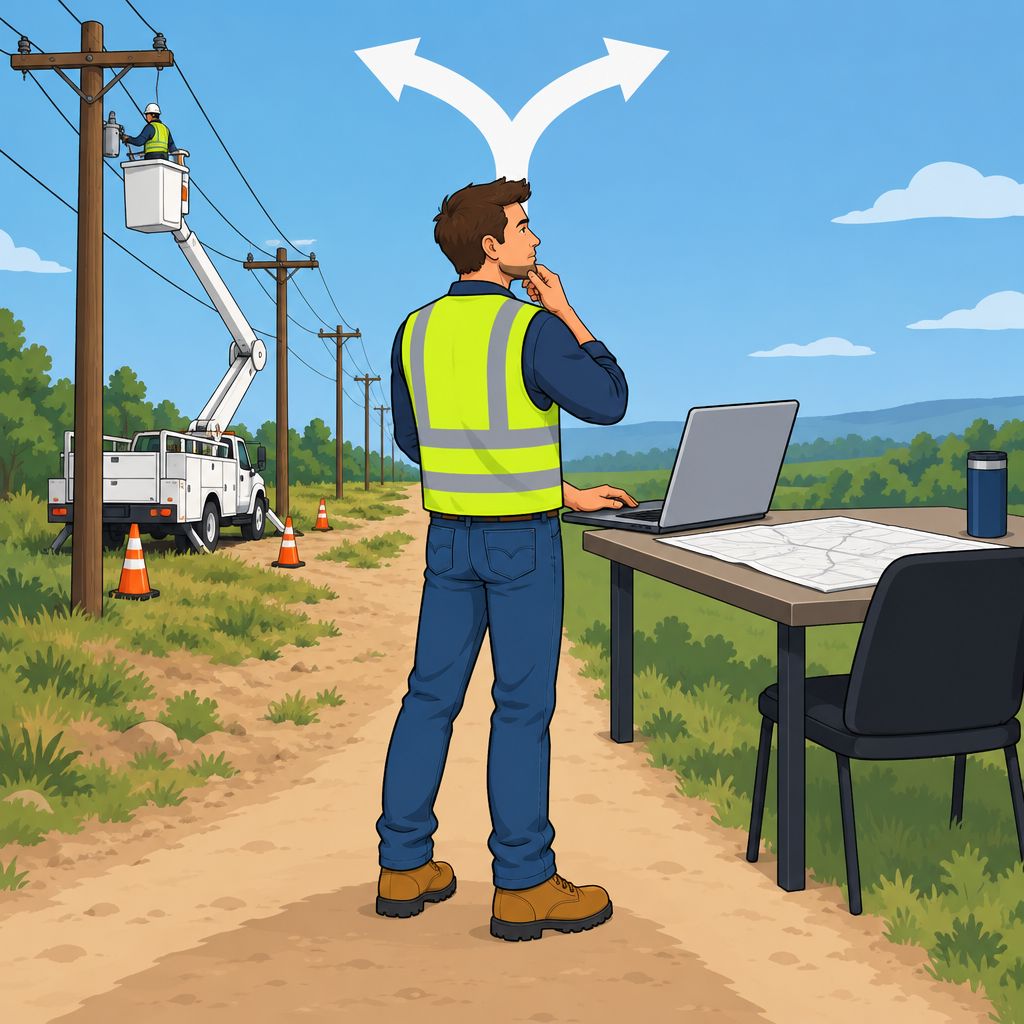
Career Growth Opportunities
Power line installers can advance through several career pathways within the field.
These pathways support professional growth while workers pursue different responsibilities.
Experienced installers can choose leadership, specialization, project management, consulting, education, or entrepreneurship.
- Leadership Roles: Experienced installers can supervise teams in leadership or management positions.
- Specialized Training: Installers can develop expertise in areas such as high-voltage line work.
- Project Management: Installers can oversee the planning and execution of large-scale projects.
- Consulting: Experienced installers can advise companies about power line installation and maintenance practices.
- Education and Training: Installers can become instructors who share knowledge with future workers.
- Entrepreneurship: Installers can start businesses that offer power line installation services to clients.
Uncover the Details: Safety Tips Every Fence Erector Should Follow on the Job
Geographic Flexibility
Power line installers can work in different locations.
Their work may take place in urban, rural, or remote areas.
This flexibility exposes them to varied settings and experiences.
- Power line installers have the ability to work in different locations.
- Traveling for work offers numerous benefits.
Diverse Work Environments
Power line installers experience different work settings based on their locations.
Urban, rural, and remote areas each present unique challenges.
These varied environments also provide opportunities for professional growth.
Opportunities for Adventure
Traveling for work allows power line installers to explore new cities and towns.
They can also experience different landscapes during their assignments.
This travel creates a sense of adventure and discovery.
Transform Your Career Today
Unlock a personalized career strategy that drives real results. Get tailored advice and a roadmap designed just for you.
Start NowEnhanced Skills and Knowledge
Working in different locations exposes power line installers to varying techniques.
They also encounter different technologies throughout their work.
As a result, they broaden their skills and follow industry trends.
Networking and Career Growth
Working across regions helps power line installers meet professionals from diverse backgrounds.
These connections can support collaborations and new job opportunities.
They may also help installers pursue future career advancement.
Personal Development
Traveling for work challenges power line installers to adapt to new surroundings.
They must overcome obstacles and develop practical problem-solving skills.
These experiences can strengthen resilience and self-confidence.
Find Out More: Construction Manager's Checklist for Site Inspections
Job Stability and Demand
Power line installers support industries that depend on safe and efficient electricity transmission.
The profession offers steady employment because communities and businesses continue to need reliable electrical infrastructure.
Furthermore, infrastructure improvements and renewable energy projects can create additional opportunities for skilled workers.
Job Outlook for Power Line Installers
The Bureau of Labor Statistics projects eight percent employment growth from 2020 to 2030.
This rate exceeds the average projected growth for all occupations.
As populations grow, communities will need dependable electricity systems and qualified professionals to support them.
- Aging infrastructure can encourage utilities to upgrade existing electrical systems.
- Renewable energy development can increase the need for new electrical connections.
- Population growth can strengthen demand for electricity infrastructure and related installation work.
Steady Demand Across Industries
Several industries employ power line installers to build, maintain, and expand essential infrastructure.
Utility companies depend on these workers to maintain electrical systems and meet customer needs.
Meanwhile, construction and telecommunications projects create additional demand for their technical skills.
- Utilities hire installers to maintain and upgrade electrical systems.
- Construction companies need installers for residential, commercial, and industrial electricity connections.
- Telecommunications companies use installers for fiber optic and communication infrastructure projects.
- Renewable energy projects require installers to connect solar and wind systems to electrical grids.
These varied employment settings can help power line installers find consistent opportunities across changing market conditions.
Their work also supports reliable energy delivery as organizations expand and modernize their infrastructure.
Learn More: Landscape Architecture: Integrating Art and Nature
Work-Life Balance for Power Line Installers
Power line installers may find flexible schedules and work arrangements.
For example, they can work different shifts, weekends, or part-time schedules.
These options can accommodate personal commitments.
Additionally, installers can choose companies that offer remote work options.
Such arrangements may let them work from home or other locations.
Therefore, maintaining a healthy work-life balance remains crucial for power line installers.
They should prioritize self-care, relaxation, and time with loved ones.
Meanwhile, regular breaks during the workday can help them recharge.
Installers should also establish boundaries between work and personal life.
Clear boundaries can help them avoid burnout.
Furthermore, realistic goals and priorities can help installers manage their workloads.
Taking vacation days and time off supports rest and rejuvenation.
Effective communication with supervisors helps installers address scheduling needs.
Finally, colleagues, friends, or counselors can provide support for stress management.
Discover More: Effective Communication Skills for Maintenance Workers
Training Programs for Aspiring Power Line Installers
Aspiring power line installers can pursue several training and education opportunities.
These programs combine practical experience with theoretical knowledge.
They prepare participants for the demands of power line installation work.
Transform Your Career Today
Unlock a personalized career strategy that drives real results. Get tailored advice and a roadmap designed just for you.
Start Now- Apprenticeship programs provide on-the-job training under experienced professionals.
- Apprentices learn skills for safely installing and maintaining power lines.
- Technical schools offer courses in electrical systems, safety procedures, and power line installation.
- Students gain industry knowledge through practical technical training.
- Online courses provide flexible learning options for aspiring installers.
- These courses cover essential power line installation topics at each student’s pace.
Benefits of Continuing Education
Continuing education helps power line installers track new technologies, regulations, and safety practices.
Ongoing learning also helps workers strengthen existing abilities and develop new skills.
Furthermore, advanced education can help installers manage complex projects more confidently.
- Continuing education enhances skills and supports more efficient project work.
- Advanced training can support professional growth and access to higher-paying opportunities.
- Regular learning helps installers remain competitive in an evolving field.
- Training courses create networking opportunities with industry professionals.
- Professional connections may lead to job opportunities and collaborations.
- Continuing education helps installers adapt to changing technology and safety standards.
Training and education can strengthen an installer’s career flexibility.
These opportunities help individuals expand their knowledge and maintain relevant skills.
Contact us for additional information about training programs for aspiring power line installers.
Skill Development
Power line installers can build new abilities throughout their careers.
Hands-on practice, targeted instruction, and professional connections support that development.
These opportunities help installers strengthen technical, interpersonal, and leadership capabilities.
- On-The-Job Training: Installers gain practical experience by learning new skills while working in the field.
- Specialized Training Programs: Employers may provide training in safety procedures, equipment operation, and maintenance techniques.
- Networking Opportunities: Training programs and industry events connect installers with professionals, mentors, and career opportunities.
- Certification Programs: Installers can earn certifications that validate their skills and demonstrate field expertise.
- Continuous Learning: Workshops, seminars, and online courses help installers follow industry developments and expand their knowledge.
- Soft Skills Development: Installers can improve communication, teamwork, and problem-solving abilities to work more effectively.
- Leadership Development: Experienced installers can develop leadership skills and pursue managerial responsibilities within their organizations.
By investing in professional growth, installers can remain competitive in a changing industry.
Continued development can help them pursue rewarding and fulfilling careers.
Career Flexibility Supports Long-Term Success
Career flexibility helps power line installers respond effectively to changing work conditions and professional environments.
By broadening their skills and knowledge, installers can pursue varied opportunities within the energy field.
Moreover, different projects can strengthen practical experience and expand professional networks.
This adaptability helps workers remain competitive as industry demands and technologies evolve.
The expanding energy sector creates continued opportunities for skilled power line installers.
As electricity demand grows, employers will continue valuing workers who can handle varied assignments.
Consequently, this profession can offer stable employment, competitive pay, and challenging work.
Individuals who value variety may find the field both dynamic and rewarding.
Career flexibility therefore supports lasting satisfaction and professional development for people entering the energy sector.
Additional Resources
Google search results for Power Line Installers: Career Flexibility Construction and Manual Labor
Bing search results for Power Line Installers: Career Flexibility Construction and Manual Labor


