




Assembler Responsibilities and Career Growth
Assemblers play a crucial role in manufacturing.
They put together various components to create finished products.
Success in this role supports personal growth and career advancement.
It also demonstrates reliability, attention to detail, and teamwork.
Understanding Assembler Job Requirements
Starting a new assembler position requires a clear understanding of its expectations.
First, review the job description and identify the responsibilities assigned to your role.
Then, ask supervisors for clarification whenever any requirement seems unclear.
- Familiarize yourself with the job description and responsibilities.
- Ask questions and seek clarification from supervisors when needed.
- Note the specific skills and qualities required for the role.
Reviewing the Job Description
Before starting work, read the job description carefully.
This document explains what your assembler position requires.
Additionally, reviewing each responsibility helps you organize your work effectively.
Pay close attention to the listed tasks and responsibilities.
As a result, you can prioritize assignments and meet your objectives.
Communicating With Supervisors
Ask questions whenever you feel uncertain about your role.
Seeking clarification early can help you avoid mistakes later.
Moreover, supervisors can provide guidance that improves your performance.
Communicate openly with them whenever you need support.
This approach helps you complete your work more effectively and efficiently.
Developing Required Skills
Pay attention to the skills and qualities that the assembler role requires.
These qualities may include attention to detail, manual dexterity, and teamwork.
If you identify a skill gap, take proactive steps to improve it.
For example, you can seek additional training or skill development opportunities.
Finally, remain engaged, motivated, and willing to learn in your position.
Develop Good Communication Skills
Communication supports accurate and efficient work in an assembler role.
Clear discussions help team members and supervisors coordinate daily tasks.
Additionally, open communication helps employees address questions before mistakes occur.
- Communicate effectively with team members and supervisors.
- Seek feedback about your performance to identify areas for improvement.
- Ask for help when needed, and assist others whenever possible.
Why Good Communication Skills Are Essential
Effective communication helps assemblers complete assigned work correctly and on time.
Moreover, accurate information allows coworkers to coordinate their efforts efficiently.
As a result, respectful communication can support a positive working environment.
- Clear communication helps you complete tasks correctly and on time.
- Feedback helps you improve and grow within your role.
- Offering assistance encourages a positive working environment.
Benefits of Seeking Feedback
Feedback gives you useful information about your current work performance.
It also shows which skills require further attention and development.
By requesting feedback, you demonstrate that you want to learn and improve.
- Identify improvement areas and strengthen your skills.
- Build stronger relationships with supervisors and colleagues.
- Demonstrate your willingness to learn and grow.
How to Ask for Help and Offer Assistance
Successful assemblers ask for support whenever they face uncertainty.
They also notice when colleagues need assistance with their work.
Through collaboration, team members can help complete tasks efficiently.
- Ask for help whenever you need guidance.
- Offer assistance when colleagues could use support.
- Collaborate with team members to complete tasks efficiently.
Find Out More: Green Practices in Maintenance and Construction Repairs
Attention to Detail in Assembly Work
- Follow all instructions and specifications carefully.
- Double-check completed work for accuracy.
- Report inconsistencies or errors to supervisors promptly.
Attention to detail is a critical skill for every new assembler.
Accurate work improves efficiency and productivity.
Furthermore, careful assembly reduces the likelihood of costly mistakes.
Following Instructions and Specifications
Begin each task by reading the provided instructions and specifications carefully.
Next, make sure you understand every requirement before starting the work.
Transform Your Career Today
Unlock a personalized career strategy that drives real results. Get tailored advice and a roadmap designed just for you.
Start NowPay attention to small details because they can affect the completed assembly.
Verifying Completed Assembly Work
After completing a task, take time to double-check your work.
Look for errors or inconsistencies that may have appeared during assembly.
By verifying each task, you can correct mistakes before they create larger issues.
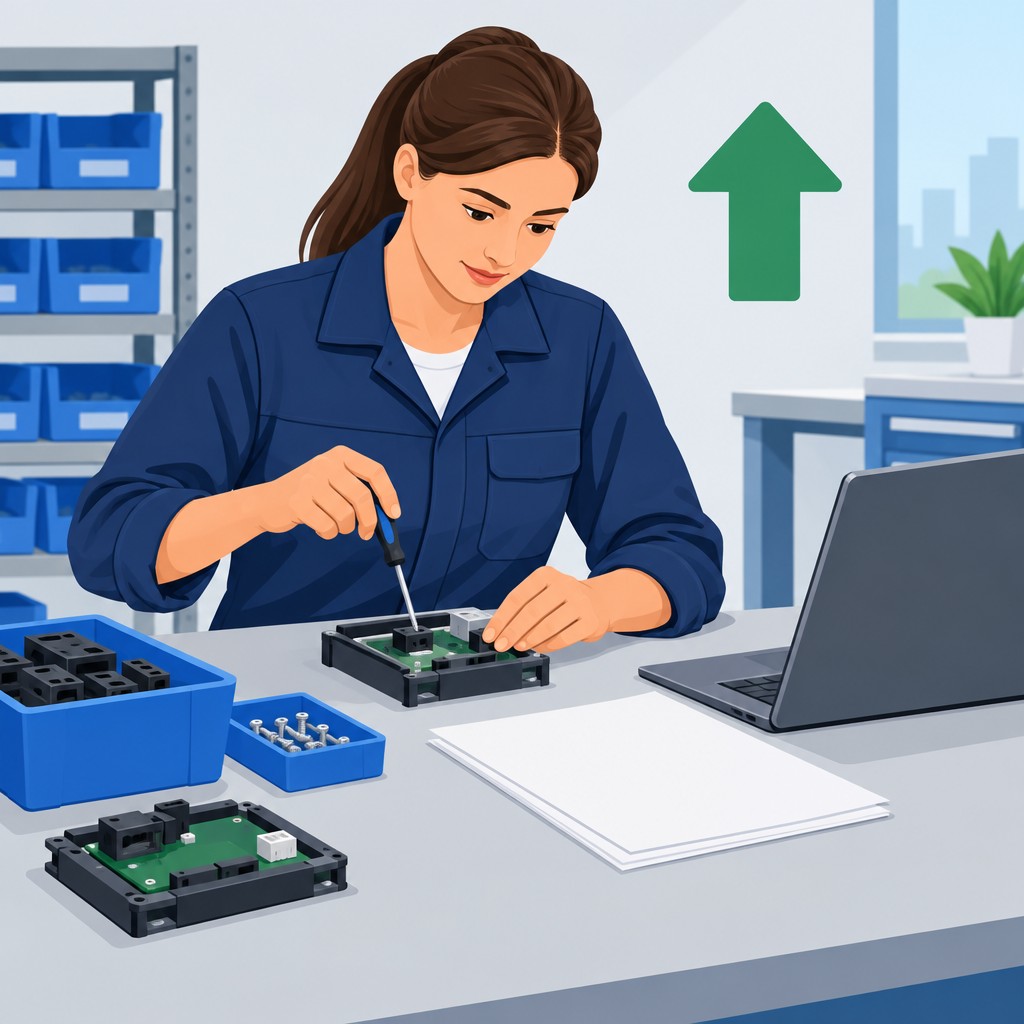
Reporting Assembly Errors Promptly
Report any inconsistency or error to your supervisor without delay.
Prompt communication helps prevent mistakes from affecting overall product quality.
Supervisors can address problems and help ensure that products meet required standards.
Gain More Insights: Work Environment of Power Line Technicians
Importance of Safety in Assembly
As a new assembler, safety deserves priority because it supports success in the role.
Use safety guidance consistently to reduce exposure to potential hazards.
Your choices help maintain a safe working environment for yourself and others.
- Follow safety protocols: Adhere to safety protocols and guidelines whenever you perform assembly tasks.
- Wear appropriate protective gear: Wear gloves, goggles, helmets, or other required equipment for each task.
- Report safety hazards: Tell your supervisor immediately when you notice hazards or have process concerns.
Understanding the Importance of Safety Protocols
Assembly line tasks can create risks when workers handle them improperly.
Following safety procedures reduces accidents that could injure you or others.
Safety also limits interruptions and helps protect your health and well-being.
- Prevent accidents: Follow established procedures to minimize preventable injuries and other harmful incidents.
- Ensure efficiency: Prioritize safety to avoid interruptions caused by preventable injuries or mishaps.
- Protect your well-being: Apply safety guidelines to safeguard your health while completing assembly work.
Creating a Safety-Conscious Work Environment
As a new assembler, you contribute to the safety standards within your work environment.
Your daily actions can encourage careful behavior among team members.
Training and current information can prepare you to respond to potential hazards.
- Lead by example: Follow safety protocols diligently and encourage others to follow them.
- Participate in safety training: Complete available training to strengthen your hazard awareness and knowledge.
- Stay informed: Keep updated on safety procedures and guidelines for different situations.
Continuous Improvement in Safety Practices
Safety in assembly work requires ongoing attention and continuous improvement.
Regular reflection can reveal gaps in current procedures.
Proactive action can address concerns before they create potential hazards.
- Seek feedback: Ask experienced colleagues or supervisors how you can improve your safety practices.
- Regularly review procedures: Examine safety procedures periodically to identify gaps or improvement areas.
- Stay proactive: Address safety concerns and make necessary changes before hazards occur.
See Related Content: Agricultural Worker Rights and Labor Laws Explained
Stay Organized
Organization helps new assemblers work efficiently and effectively.
A consistent routine keeps tools, materials, and tasks easier to manage.
Therefore, organized work can streamline processes, reduce errors, and support timely completion.
- Keep your workspace clean and organized
- Create a system for storing tools and materials
- Prioritize tasks and manage your time effectively
Keep Your Workspace Clean and Organized
A clutter-free workspace can improve your focus and productivity.
In addition, cleaning your workspace at the end of each day prepares you for the next morning.
Keep only essential tools and materials nearby to limit distractions.
Create a System for Storing Tools and Materials
A designated storage location helps you find tools and materials quickly.
Use containers, bins, or shelves to keep each item in its proper place.
Moreover, labels make stored items easier to identify.
Prioritize Tasks and Manage Your Time Effectively
Create a daily or weekly task list to organize your workload.
Rank tasks according to their deadlines and importance.
Then, divide larger tasks into smaller steps to make them manageable.
Use a calendar or planner to schedule tasks and assign time for each one.
By applying these habits consistently, you can improve your performance as a new assembler.
Uncover the Details: How Masons Contribute to Sustainable Building Practices
Developing a Positive Attitude
Having a positive attitude in the workplace is essential for success as an assembler.
Approach each task with enthusiasm and a willingness to learn.
This approach improves your skills and supports a positive, productive work environment.
Furthermore, stay motivated and focused on achieving your goals.
Transform Your Career Today
Unlock a personalized career strategy that drives real results. Get tailored advice and a roadmap designed just for you.
Start NowSet clear goals and work steadily toward them to remain focused.
As a result, you can stay on track and recognize your accomplishments.
Remember why you chose to become an assembler, and continue improving your abilities.
Additionally, remain open to feedback and constructive criticism.
Experienced colleagues and supervisors can help you develop stronger assembly skills.
Accept their feedback and use it to improve your performance.
This response shows your commitment to growth and development in the role.
By maintaining a positive attitude, you strengthen your skills and support your colleagues.
Building Long-Term Success in Assembly Work
New assemblers must pay attention to detail, follow safety protocols, and ask for help when needed.
Furthermore, assemblers should learn their tools and equipment while pursuing continual self-improvement.
By staying organized, communicating effectively, and seeking feedback, new assemblers can succeed in their roles.
They can also contribute to the team’s success.
Additionally, continuous learning and self-improvement remain crucial in fast-paced assembly environments.
Finally, a growth mindset helps assemblers embrace challenges, enhance their skills, and become valuable team members.


