




Managing pests helps maintain a healthy environment.
Traditional methods can harm the environment.
Importance of Pest Control
Pest control helps prevent the spread of diseases.
It protects crops from damage.
Additionally, it supports a safe and healthy living environment for humans.
Environmental Effects of Chemical Methods
Traditional pest control methods often use harmful chemicals.
These chemicals can contaminate soil, water, and air.
They can also harm non-targeted species, including beneficial insects and animals.
This damage disrupts ecosystems and creates imbalances.
Moreover, pest control chemicals can accumulate in the food chain.
That accumulation can threaten human health and cause long-term environmental damage.
Overusing pesticides can also create resistance among pests.
Consequently, this pressure can require stronger chemicals and worsen the problem.
Chemical runoff can pollute water bodies and harm aquatic life.
Therefore, these effects reach beyond the original pest control activities.
Sustainable alternatives can balance effective pest management with environmental protection.
This balance can help preserve the environment for future generations.
Environmental Costs of Traditional Pest Control
- Chemical pesticides can harm environmental systems.
- Harmful chemicals can contaminate soil, water, and air.
- These substances can damage beneficial insects and wildlife.
Chemical pesticides remain common because they eliminate pests efficiently.
However, their environmental effects require careful consideration.
When users spray pesticides on crops or buildings, chemicals can seep into the soil.
Those chemicals may eventually contaminate groundwater.
Groundwater contamination can persist and affect wildlife and human health.
Furthermore, pesticide runoff can reach nearby water bodies.
As a result, aquatic life may suffer harmful effects.
Spraying pesticides can also pollute the air.
Some chemicals evaporate and travel across long distances through wind.
This aerial drift can affect nearby areas and neighboring regions.
Additionally, pesticides can harm species that users did not target.
Bees and ladybugs support pollination and natural pest control.
Yet chemical exposure can injure or kill these beneficial insects.
Such losses can disrupt ecological balance.
Wildlife can also encounter pesticides through contaminated food or surrounding habitats.
For example, birds of prey may consume contaminated animals.
This exposure can cause reproductive problems or death.
Consequently, indiscriminate pesticide use can disturb food chains and biodiversity.
Integrated pest management and biological controls offer less harmful alternatives.
Alternative Pest Control Methods
Several alternative methods can manage pests while supporting sustainable practices.
These approaches combine prevention, natural controls, and physical removal techniques.
They also reduce reliance on chemical treatments when other options prove effective.
- Integrated Pest Management provides a sustainable and eco-friendly approach.
- Biological control uses natural predators or parasites to manage pest populations.
- Mechanical methods use traps or barriers to prevent pest infestations.
Integrated Pest Management
Integrated Pest Management, or IPM, takes a holistic approach to pest control.
Transform Your Career Today
Unlock a personalized career strategy that drives real results. Get tailored advice and a roadmap designed just for you.
Start NowIt combines biological controls, habitat manipulation, and modified cultural practices.
Additionally, IPM uses chemicals carefully and only when necessary.
This combination supports long-term pest prevention and limits environmental impact.
Biological Control
Biological control uses natural pest enemies, including predators, parasites, and pathogens.
These organisms regulate pest populations without relying on synthetic chemicals.
As a result, biological control supports balance within the surrounding ecosystem.
It can also reduce the need for chemical treatments.
Mechanical Methods
Mechanical methods use physical barriers or traps to manage pest activity.
For example, screens and fences can prevent pests from entering specific areas.
Meanwhile, traps can capture and remove pests from affected locations.
These methods remain non-toxic and have minimal environmental impact.
Together, these strategies offer sustainable options for managing pest populations.
Using them can reduce reliance on harmful chemicals and limit environmental effects.
See Related Content: Construction Manager's Role in Quality Control
Benefits of Environmentally Friendly Pest Control
Environmentally friendly pest control supports safer communities and healthier ecosystems.
These methods reduce chemical exposure, protect beneficial insects, and limit pollution.
They also support cleaner water, healthier soil, and stronger ecological balance.
- Reduced risk of chemical exposure to humans, pets, and wildlife
- Preservation of beneficial insect populations crucial for ecosystem balance
- Prevention of water and soil contamination from harmful pesticides
Reduced Chemical Exposure for People and Wildlife
Environmentally friendly pest control significantly reduces exposure to harmful chemicals.
Traditional methods often use toxic pesticides that can threaten humans, pets, and wildlife.
Natural and non-toxic solutions help protect people and animals from chemical health hazards.
Furthermore, reducing chemical exposure helps protect air, water, and soil from long-term damage.
Protection of Beneficial Insect Populations
Environmentally friendly pest control helps preserve beneficial insects that support ecosystem balance.
These insects pollinate plants, control pests, and decompose organic matter.
Traditional treatments can harm beneficial insects while targeting unwanted pests.
Natural approaches target specific pests while protecting pollinators and predator insects.
As a result, these methods support biodiversity and ecological resilience.
Prevention of Water and Soil Contamination
Eco-friendly pest control helps prevent harmful pesticide contamination in water and soil.
Conventional pesticides can leach into groundwater, rivers, and lakes.
These substances can threaten aquatic life and human health.
Toxic chemicals may also remain in soil and affect plant growth.
Natural ingredients and biological agents reduce the risk of water and soil pollution.
Therefore, sustainable methods help protect vital resources for living organisms.
Explore Further: Assembler Work Schedules: What to Expect
Education and Awareness in Sustainable Pest Management
Education and awareness shape how individuals and organizations approach pest management.
They can encourage responsible choices and support sustainable pest control practices.
Moreover, clear guidance helps stakeholders understand environmentally friendly options.
- Educating homeowners and businesses can increase understanding of environmentally friendly pest control methods.
- Promoting IPM adoption among pest control companies can reduce environmental impacts.
- Supporting research can produce more effective and eco-friendly pest management techniques.
Education can help people recognize the benefits of safer pest control methods.
It can also reduce dependence on harmful chemicals and pesticides.
Furthermore, informed decisions can limit the unintended effects of pest management activities.
Integrated Pest Management combines several strategies to manage pests effectively.
Transform Your Career Today
Unlock a personalized career strategy that drives real results. Get tailored advice and a roadmap designed just for you.
Start NowIPM emphasizes monitoring, biological control, habitat manipulation, and other non-chemical methods.
Therefore, pest control companies can reduce pesticide use by adopting IPM practices.
These practices also help companies manage pests while limiting effects on non-target organisms.
Research and innovation can strengthen sustainable pest management.
Researchers can develop techniques suited to specific pest control challenges.
In addition, new technologies may address emerging pest problems more sustainably.
Awareness can increase demand for environmentally responsible pest control services.
As demand grows, companies may expand their eco-friendly service options.
This shift can encourage the pest control industry to prioritize environmental stewardship.
Consequently, education, IPM adoption, and research can support sustainable pest management.
See Related Content: The Financial Rewards of a Mining Career
Environmental Considerations in Pest Control Regulation
Environmental rules shape how professionals select, apply, and monitor pest control products.
These requirements can reduce unnecessary exposure and encourage more careful decisions.
Therefore, responsible policies connect pest management with environmental protection and public health.
Government Oversight of Pesticide Use
Government agencies regulate pesticide registration and use during pest control work.
The Environmental Protection Agency registers and regulates pesticides for safe and effective use.
These regulations address potential risks to water sources, non-target species, and ecosystems.
Consequently, pest control professionals must consider environmental effects when selecting and applying pesticides.
Environmental Effects of Chemical Pesticides
Chemical products may move through soil and reach groundwater.
Such movement can contaminate water and affect plants, animals, and microorganisms.
Airborne pesticide drift can expose non-target organisms and beneficial insects.
Likewise, aquatic contamination can harm fish and disrupt ecosystem balance.
Guidelines for Safer Pest Control Practices
Professionals can reduce environmental risks by following safe pest control guidelines.
Integrated Pest Management combines several strategies to manage pest populations.
This approach includes biological controls, habitat modification, and carefully selected pesticides.
Professionals can reserve less toxic pesticides for situations requiring additional control.
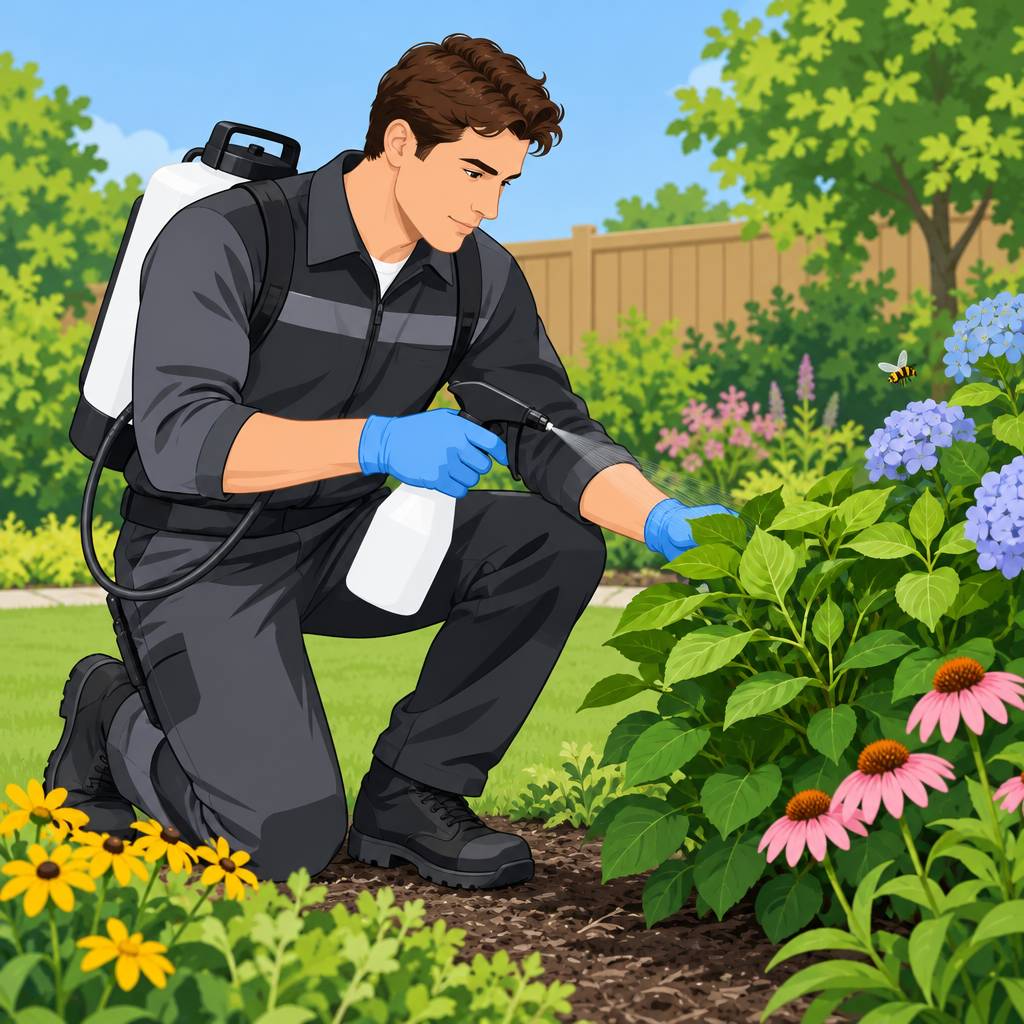
Incentives Supporting Eco-Friendly Pest Control
Government agencies and environmental organizations can encourage sustainable pest control methods.
Grants and tax breaks can make non-chemical options more accessible.
Support programs can also help businesses and individuals adopt environmentally responsible practices.
As a result, incentives can promote methods that protect environmental and public health.
Coordinated Policies for Sustainable Pest Management
Effective policies require cooperation among businesses, individuals, government agencies, and environmental organizations.
Together, these groups can prioritize pest control methods that reduce environmental harm.
Such coordination can protect ecosystems, wildlife, and public health through more sustainable practices.
See Related Content: The Role of Innovation in Construction Management
Collaborative Approaches to Sustainable Pest Management
Collaboration and partnerships help reduce the environmental impact of pest control.
Different stakeholders can combine their knowledge, resources, and experience.
Furthermore, cooperation can support sustainable strategies that protect environmental and human health.
Cooperation Among Pest Management Stakeholders
Pest control companies can work with environmental organizations and government agencies.
These groups can share information, resources, and effective management practices.
As a result, stakeholders can develop comprehensive approaches that limit environmental harm.
Transform Your Career Today
Unlock a personalized career strategy that drives real results. Get tailored advice and a roadmap designed just for you.
Start NowShared Knowledge and Resources
Stakeholders can share research data, technological tools, and professional expertise.
This exchange can improve pest control efforts and encourage alternatives to chemical pesticides.
Moreover, shared knowledge can support innovative practices with minimal environmental impact.
Partnerships for Environmental Protection
Partnerships can address specific environmental concerns linked to pest control activities.
For example, stakeholders can work together to reduce pesticide runoff into water bodies.
They can also protect non-target species by developing targeted mitigation solutions.
Coordinated Action for Sustainable Pest Management
Coordinated efforts can promote sustainable pest management practices across different organizations.
Stakeholders can leverage combined resources to create practical, eco-friendly solutions.
These solutions can support both environmental protection and human health.
Case Studies and Success Stories
Businesses and communities demonstrate practical ways to apply eco-friendly pest control methods.
These approaches support responsible pest management while addressing the needs of people and organizations.
The examples below show how different groups have adopted more sustainable pest control practices.
- Businesses: Many businesses choose eco-friendly solutions to protect employees and customers from harmful chemicals.
- Communities: Several communities adopt sustainable practices to create safer living environments for residents.
Positive Effects on the Environment and Human Health
Sustainable pest control reduces the release of toxic chemicals into surrounding environments.
It also helps preserve ecosystems by limiting chemical contamination.
Furthermore, reducing harmful pesticide use can lower chemical exposure for individuals.
- Environment: Eco-friendly methods reduce toxic chemical releases and help preserve ecosystems.
- Human Health: Reduced pesticide use minimizes chemical exposure and supports better health.
Lessons Learned from Sustainable Pest Control
Successful implementation depends on informed decisions and continued cooperation.
Organizations can improve results by sharing knowledge and supporting ongoing innovation.
Clear regulations can also encourage responsible and sustainable pest control practices.
- Education: Education helps businesses and communities understand sustainable pest control benefits.
- Collaboration: Partnerships can strengthen eco-friendly initiatives among relevant organizations and communities.
- Research: Continued research can produce more effective and sustainable pest control solutions.
- Regulation: Government regulations can encourage environmentally responsible pest control methods.
Sustainable Responsibility in Pest Management
Pest control work can affect the environment.
Therefore, professionals should prioritize sustainable and eco-friendly practices.
These practices can reduce harm to surrounding ecosystems.
Individuals and businesses should adopt responsible pest management strategies.
They can control pests effectively without compromising environmental health.
For example, natural and non-toxic methods can support responsible pest control.
Everyone shares responsibility for protecting the environment during pest management.
By choosing environmentally friendly methods, communities can support a healthier planet for future generations.
Additional Resources
Google search results for Pest Control Work: Environmental Impact Construction and Manual Labor
Bing search results for Pest Control Work: Environmental Impact Construction and Manual Labor


