




Introduction
Pest control workers play a crucial role in maintaining public health and safety.
They eliminate pests that can spread diseases.
They can also prevent damage to properties.
To become a licensed pest control worker, applicants must follow specific steps and requirements.
State Licensing Requirements for Pest Control Workers
Applicants must research the licensing requirements established by their state.
Each state may set different standards for pest control workers.
Applicants should confirm current requirements through the official licensing board.
- Research the specific licensing requirements in your state.
- Understand the educational and training requirements for licensing.
Specific Licensing Requirements
Applicants should begin by researching their state’s specific licensing requirements.
The state’s official licensing board can provide detailed information.
Applicants can also contact the board directly when questions remain.
Educational and Training Requirements
Licensing often requires applicants to complete approved education or training.
Requirements may include a specific number of training hours or courses.
Applicants should verify these prerequisites before selecting a program.
Pest Control Training Programs
After reviewing state requirements, applicants can enroll in a pest control training program.
These programs develop the knowledge and skills needed for pest control work.
Applicants should choose training that matches their state’s licensing standards.
- Find a reputable pest control training program locally or online.
- Ensure the program covers required topics and licensing standards.
Reputable Training Programs
A reputable program should meet state licensing requirements.
Applicants can research programs, read reviews, and request recommendations.
These steps help applicants identify high-quality training options.
Essential Training Topics
Training should cover the subjects required for pest control licensing.
Important topics may include pest identification, pesticide application, and safety protocols.
Programs should also address applicable regulations.
Hands-On Pest Control Experience
Hands-on experience helps applicants apply training in real-world situations.
Internships and apprenticeships provide practical exposure to pest control work.
This experience also prepares applicants for challenges in the field.
- Seek hands-on training through internships or apprenticeships.
- Apply training knowledge and skills to real-world situations.
Internships and Apprenticeships
Aspiring workers should seek opportunities with experienced pest control professionals.
Internships and apprenticeships reveal the daily responsibilities of pest control workers.
They also help participants develop essential field skills.
Applying Training in the Field
Workers should apply their training whenever real-world opportunities arise.
Practical work reinforces knowledge and improves skill development.
This experience helps workers become more competent in pest control.
Proper education and training help aspiring workers build the knowledge required for licensed pest control work.
These steps combine formal instruction with practical experience.
Applicants should develop strong knowledge of pest management practices before pursuing this career.
Pest Control Training Programs
Training programs introduce pest identification, treatment methods, and safety protocols.
Applicants should choose accredited programs that satisfy their state’s licensing requirements.
Coursework requires consistent effort and a thorough understanding of pest control practices.
- Look for accredited training programs covering pest identification, treatment methods, and safety protocols.
- Check with your state’s regulatory agency to confirm that the program meets licensing requirements.
- Dedicate sufficient time and effort to completing the coursework successfully.
Hands-On Pest Control Experience
Practical experience helps workers apply classroom knowledge in real pest control settings.
Internships and apprenticeships provide opportunities to learn from licensed professionals.
Workers can develop safer and more effective practices through supervised field experience.
Transform Your Career Today
Unlock a personalized career strategy that drives real results. Get tailored advice and a roadmap designed just for you.
Start Now- Consider internships or apprenticeships with licensed pest control companies.
- Learn to use pest control equipment effectively and handle chemicals safely.
- Assess pest infestation levels alongside experienced professionals.
- Study best practices and industry standards in pest management.
Combining education with hands-on experience builds the expertise needed for licensed pest control work.
Continuous learning and awareness of industry trends can support long-term success in this field.
Uncover the Details: The Social and Cultural Aspects of Mining
Pass the Licensing Exam
- Applicants should study for the licensing exam.
- Preparation should cover pest biology, pesticide safety, and regulations.
- They must take and pass the exam to demonstrate knowledge and competency.
Explore Further: How to Improve Efficiency as an Assembler
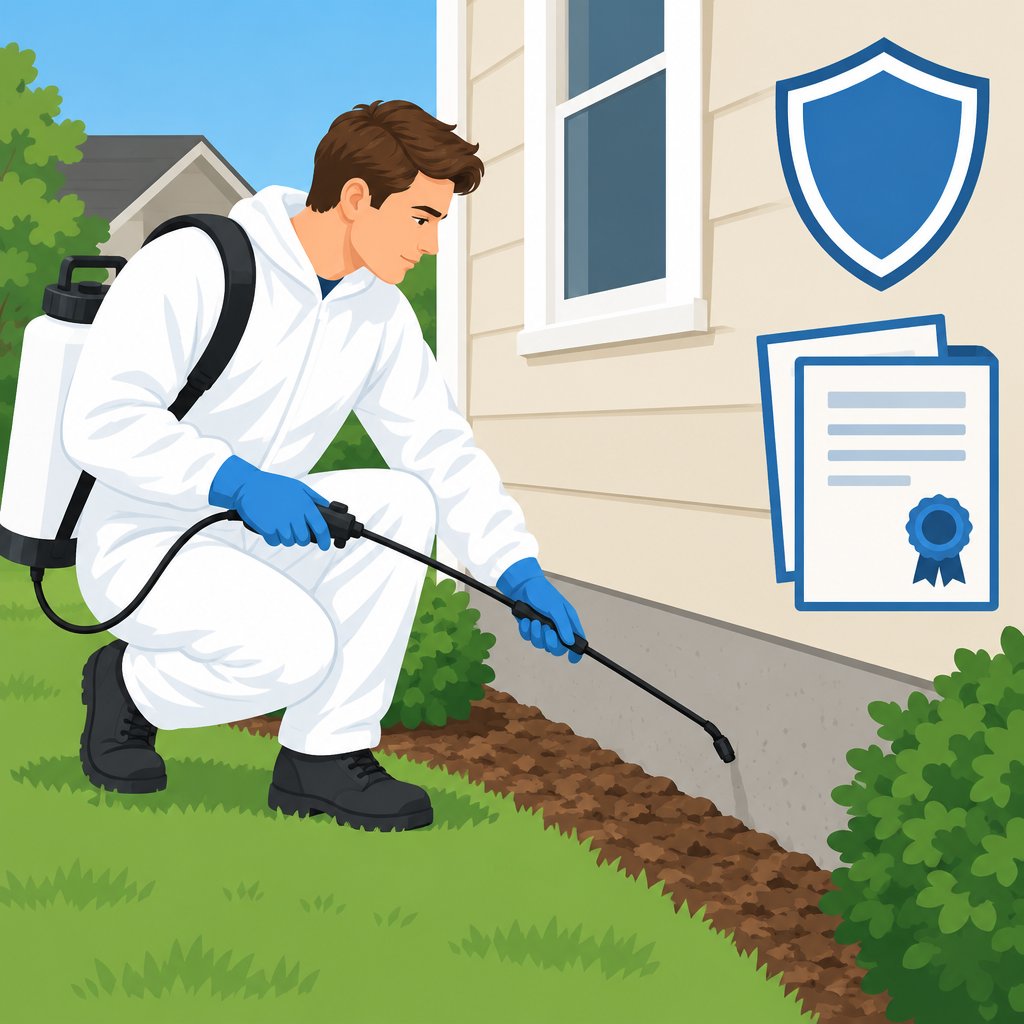
Applying for a Pest Control Worker License
After completing the required education and training, applicants can apply for a pest control worker license.
The application process usually requires submission to the appropriate state regulatory agency.
Applicants should follow each licensing step carefully to prevent unnecessary delays.
Application and Supporting Documentation
First, complete the required application form with accurate personal and professional information.
Accurate information helps the regulatory agency process the application efficiently.
Next, provide documents that support your qualifications for the license.
These documents may include proof of education, such as a high school diploma or GED certificate.
You may also submit records from completed pest control training programs or courses.
Additionally, the agency may require licensing exam scores with the application.
Background Checks and Application Fees
Most states require applicants to complete a background check during the licensing process.
The check helps determine whether a criminal record could affect licensing eligibility.
Applicants must also pay the required licensing and application fees.
Fee amounts vary according to the state where applicants seek licensure.
Therefore, review your state’s specific fee requirements before submitting the application.
Interviews and Application Review
Some states require applicants to attend an interview before approving a license.
During the interview, officials may ask about education, training, and experience.
They may also assess your knowledge of pest control practices.
Afterward, the state regulatory agency reviews the application and submitted documents.
This approval process may take several weeks to complete.
Receiving and Maintaining the License
If the agency approves your application, it will send your license by mail.
Review the license carefully after receiving it.
Keep the license in a safe place because you need it for legal practice.
Finally, monitor licensing updates to remain compliant with state regulations.
See Related Content: Excavator Operation: Key Techniques and Tips
Gain Work Experience
Hands-on experience provides practical skills and knowledge that classroom learning cannot provide.
Therefore, aspiring workers should seek supervised opportunities in the pest control industry.
- Work under a licensed pest control professional’s supervision to gain practical field experience.
- Learn advanced pest control techniques and best practices through on-the-job training.
Apprenticeships: Many workers begin as apprentices under licensed pest control professionals.
This arrangement teaches pest identification, treatment methods, and customer interactions.
Internships: Many pest control companies offer internships for people interested in this career.
Interns work alongside experienced professionals and build practical skills.
They also develop industry contacts while learning about residential and commercial pest control.
Volunteering: Local pest control organizations and nonprofit groups may offer volunteer opportunities.
Although unpaid, volunteer work provides hands-on experience and professional guidance.
Volunteers can also build relationships with employers and obtain references for future applications.
On-the-Job Training: After securing a position, workers should actively participate in workplace training.
Practical training introduces advanced techniques, best practices, and different pest control situations.
Transform Your Career Today
Unlock a personalized career strategy that drives real results. Get tailored advice and a roadmap designed just for you.
Start NowWorkers can strengthen their abilities by participating actively in supervised field assignments.
Apprenticeships, internships, volunteering, and workplace training help workers develop field-ready skills.
These experiences also prepare applicants for future responsibilities in pest control work.
Find Out More: The Impact of Climate Change on Mining Operations
License Renewal and Continuing Education
License renewal and continuing education help pest control workers remain compliant and informed.
Together, these responsibilities support safe services and continued career development.
Workers should track renewal requirements and select education addressing current products, technologies, and regulations.
- Renew your pest control worker license as required by your state regulatory agency.
- Participate in continuing education courses to stay current on products, technologies, and regulations.
Renewing a Pest Control Worker License
Each state establishes its own licensing rules for pest control workers.
Workers must understand their state’s renewal requirements and follow them consistently.
Late renewal can cause fines or suspend a worker’s ability to work.
The renewal process typically requires an application, a fee, and proof of required continuing education.
Start the process well before the expiration date to prevent a license lapse.
Participating in Continuing Education
Continuing education keeps workers current in the changing pest control field.
Courses may introduce new pest control methods, safety regulations, and pesticide use updates.
Many states require workers to complete a specific number of education hours each year.
These courses expand knowledge and skills while supporting license maintenance.
Additionally, current knowledge can improve job performance and career prospects.
Core Steps for Licensed Pest Control Work
Licensed pest control work requires preparation, supervised practice, and continued professional development.
Applicants should complete each requirement carefully before beginning professional pest control work.
These steps help workers build a successful and rewarding career in pest control.
- Applicants must be at least 18 years old, hold a high school diploma or GED, and pass a background check.
- Aspiring workers should gain practical experience under a licensed pest control professional.
- They should complete a state-approved training program or earn a degree in entomology or a related field.
- Afterward, applicants must pass the required exams and apply through their state’s pest control regulatory agency.
- Finally, licensed workers should pursue ongoing professional development and stay current with industry practices.
Proper education and training support safe, knowledgeable, and effective pest control work.
Continued learning also helps workers remain aware of industry trends, regulations, and best practices.
Additional Resources
Google search results for How to Become a Licensed Pest Control Worker Construction and Manual Labor
Bing search results for How to Become a Licensed Pest Control Worker Construction and Manual Labor


