




Introduction
Construction projects require organization from start to finish.
Without it, delays, mistakes, and accidents can affect project progress.
Therefore, organized practices help teams maintain smoother site operations.
Importance of Staying Organized on a Construction Site
Organization supports successful construction site management.
It helps workers track materials, tools, and project deadlines.
As a result, teams can keep essential items accessible and operations moving smoothly.
Benefits of Staying Organized for Efficiency and Safety
A well-organized construction site improves workplace efficiency.
Workers can find necessary items more easily, supporting faster completion and lower costs.
Additionally, a tidy site reduces accident risks and supports everyone's safety.
A detailed plan keeps a construction site organized.
It outlines the project timeline and milestones.
It also assigns tasks and establishes communication channels for updates.
Project Timeline and Milestones
- Create a timeline with start and end dates for each project phase.
- Break the project into smaller milestones to track progress.
- Allocate a specific timeframe for each milestone to support timely completion.
Task Assignments for Team Members
- Identify each team member’s responsibilities according to their skills and expertise.
- Delegate tasks clearly and communicate expectations to prevent confusion.
- Assign a team member to oversee each task and establish accountability.
Communication Channels for Project Updates
- Use project management tools such as Slack or Trello to communicate with team members.
- Hold regular meetings or check-ins to discuss progress and address issues.
- Create a centralized system for sharing documents, plans, and important information.
Clear planning and communication help teams keep the construction site organized.
These practices help the project run smoothly.
Central Storage Area Organization
A central storage area keeps all tools and materials together on the construction site.
This arrangement gives workers easier access to the resources required for the project.
Additionally, one designated location helps teams manage resources more consistently.
Designated Tool and Material Storage
Choose one specific location exclusively for tools and materials.
As a result, workers can identify stored items more easily.
This approach also prevents tools and materials from becoming misplaced or mixed with other resources.
Inventory Management System
An inventory management system helps the team maintain an organized storage area.
For example, workers can record tools and materials on a detailed list.
They can also track usage and arrange timely restocking when necessary.
Labeled Storage Bins and Shelves
Label storage bins and shelves to improve access within the central storage area.
Clear labels help workers locate specific items quickly.
Moreover, consistent labeling reduces mix-ups and confusion among team members.
See Related Content: The Impact of Legislation on Mining Practices
When workers maintain a clean workspace, they improve organization on a construction site.
This practice supports efficient and productive work.
Debris and Waste Management
Debris and waste materials often create clutter on construction sites.
Therefore, workers should designate specific areas for these materials.
Regular cleanup reduces hazards and supports a safer working environment.
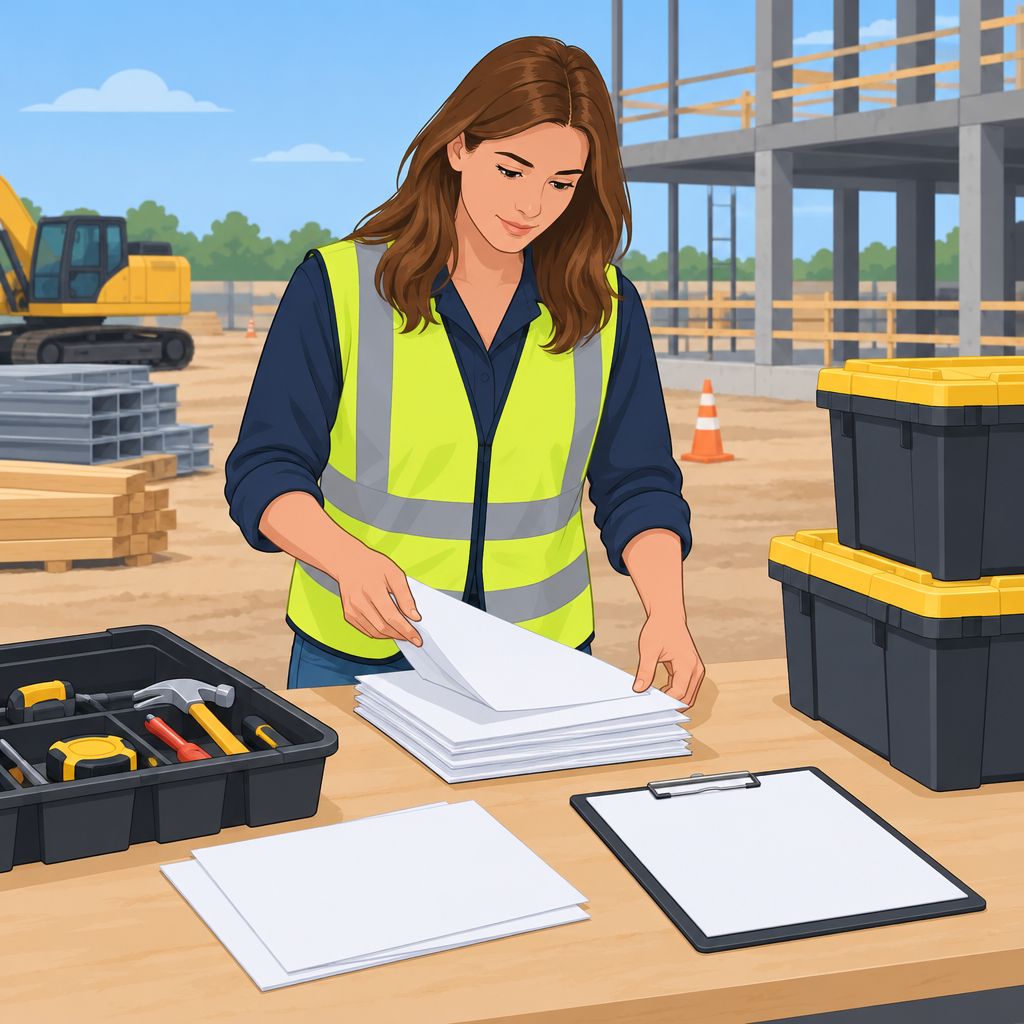
Proper Tool and Equipment Storage
Workers should return tools to designated storage areas after each use.
Additionally, they should secure equipment to prevent damage or loss.
This routine keeps work areas organized and protects essential equipment.
Daily Cleaning for Common Areas
A daily cleaning routine keeps common areas orderly.
Workers should clean workspaces, break areas, and shared equipment each day.
As a result, everyone can use these areas in a clean, organized environment.
These practices help teams work efficiently and safely.
Gain More Insights: Lumberjack Tools: Choosing the Right Chainsaw
Transform Your Career Today
Unlock a personalized career strategy that drives real results. Get tailored advice and a roadmap designed just for you.
Start NowRegular Team Meetings for Project Coordination
Regular team meetings help construction teams discuss project progress, upcoming tasks, and emerging concerns.
These discussions keep everyone informed about project responsibilities and current priorities.
They also help team members work together toward successful project completion.
- Discuss project progress and timeline
- Review completed tasks and milestones
- Address delays or setbacks
Collaborative Solutions for Construction Issues
Team members should collaborate on solutions when construction issues or concerns arise.
By working together, the team can develop creative solutions that help keep the project on track.
Furthermore, collaboration supports efficient problem-solving and encourages a positive working environment.
- Brainstorm ideas and strategies
- Seek input from all team members
- Consider different perspectives
Adjusting the Project Plan
Team meetings also provide opportunities to adjust the project plan when necessary.
These adjustments may change deadlines, reallocate resources, or reevaluate the scope of work.
This flexibility helps teams respond to unexpected challenges while maintaining project progress.
- Identify areas for improvement
- Implement changes to enhance efficiency
- Keep the project on schedule and within budget
Gain More Insights: The Role of Window Cleaners in Building Maintenance
Technology for Construction Progress Tracking
Construction sites move quickly, so organized systems help teams monitor progress and control daily work.
Technology gives teams a practical way to manage information across the project.
Digital tools also support clearer communication, task tracking, and financial visibility.
- Implement project management software for task management
- Utilize mobile apps for real-time updates and communication
- Track expenses and budgets electronically for transparency
Project Management Software for Task Control
Project management software centralizes project information for the entire team.
Managers can create task lists, assign responsibilities, and set deadlines within one system.
Team members can then review progress and coordinate work from shared records.
Mobile Apps for Real-Time Communication
Mobile apps provide real-time project updates wherever team members work.
They also let workers communicate and access important documents while away from an office.
As a result, teams can address issues quickly and make informed decisions on the go.
Electronic Expense and Budget Tracking
Electronic expense tracking helps teams maintain transparent records throughout the project.
Workers can record spending and review how the budget is being used.
This process helps teams identify possible cost reductions and support financial goals.
Find Out More: Top Tools Every Construction Manager Needs
Safety Protocols
Safety should always remain the number one priority on a construction site.
Prioritizing safety protocols keeps every team member aware of potential risks.
Clear procedures also help workers understand how to stay safe while completing their duties.
- Train all team members on safety procedures.
- Conduct regular safety inspections of the site.
- Provide adequate protective gear and equipment for every worker.
Training on Safety Procedures
All team members should receive thorough safety training before beginning work on the construction site.
This training should address hazardous materials, equipment operation, and emergency responses.
Workers need this knowledge to respond appropriately when site conditions create danger.
Regular Safety Inspections
Regular safety inspections help maintain a safe work environment.
Inspectors can identify hazards or risks that require attention.
Addressing these concerns helps prevent accidents and injuries.
Providing Protective Gear
Employers should provide adequate protective gear and equipment for every worker.
Required items include hard hats, safety goggles, gloves, and steel-toed boots.
Using suitable gear reduces the risk of construction site injuries and accidents.
These safety measures support the well-being of everyone involved in the project.
Consistent training, inspections, and protective equipment create a safer work environment.
Daily Checklists for Construction Sites
A daily checklist helps construction teams organize their work and maintain steady progress.
It identifies required tasks, assigns responsibilities, and supports efficient teamwork.
Furthermore, regular reviews help teams address unfinished work and adjust upcoming priorities.
Transform Your Career Today
Unlock a personalized career strategy that drives real results. Get tailored advice and a roadmap designed just for you.
Start Now- Develop a list of tasks for each day.
- Assign responsibilities to specific team members.
- Review daily progress and make necessary adjustments.
Start by listing every task that requires completion during the day.
These tasks may include equipment setup, material preparation, and specific construction activities.
Next, assign each task to a responsible team member.
Clear assignments show workers what they must complete and prevent tasks from being overlooked.
At the end of each day, review the completed work and remaining tasks.
This review helps the team identify unfinished responsibilities and prepare for the following day.
Finally, adjust the checklist whenever site conditions or work requirements change.
Because construction sites remain dynamic, regular updates keep the checklist relevant and useful.
- List equipment setup, material preparation, and construction tasks.
- Assign each responsibility to an appropriate team member.
- Review completed work and identify unfinished tasks.
- Adjust the following day’s checklist according to current needs.
These practices help teams work efficiently and support timely project completion within budget.
Evaluate and Adjust the Construction Project Plan
Regular reviews help teams confirm that project work follows the planned timeline.
These reviews also reveal delays, inefficiencies, and changes that require timely action.
Feedback and project management software support informed adjustments throughout construction.
- Review the project timeline and milestones regularly.
- Identify improvements that increase efficiency.
- Adapt the plan when the scope or schedule changes.
- Consider feedback from team members and stakeholders.
- Use project management software to track progress.
Regularly Review the Project Timeline and Milestones
Review the project timeline and milestones regularly to confirm steady progress.
This practice keeps deadlines and key milestones visible to the construction team.
Early reviews help teams identify delays or issues and take corrective action.
Identify Areas for Improvement or Optimization
Assess current processes and workflows across the construction site.
Next, identify tasks that teams can streamline or complete more efficiently.
Addressing these opportunities helps the project remain on track and within budget.
Adapt to Changes in the Project Scope or Schedule
Construction projects can change as teams manage evolving scopes and schedules.
When changes arise, adjust the project plan to reflect the new requirements.
Responsive planning helps teams avoid delays and maintain smooth project progress.
Consider Feedback from Team Members and Stakeholders
Gather feedback from team members and stakeholders at regular intervals.
Team insights can reveal process improvements and help resolve project issues.
Stakeholder feedback supports informed decisions and helps refine the project plan.
Utilize Project Management Software
Project management software helps construction teams organize project information.
These platforms track progress, support communication, and monitor deadlines in real time.
Teams can use this information to streamline workflows and adjust the plan.
Consistent Organization Supports Project Success
Staying organized on a construction site improves efficiency and supports safer work.
By storing tools and materials in designated areas, workers can prevent accidents and delays.
Furthermore, continuous improvements to organizational strategies benefit workers, teams, and project progress.
Encourage everyone to follow the same system to maintain a smooth workflow.
Therefore, organized construction sites help teams work productively and support successful projects.
Additional Resources
Google search results for How to Stay Organized on a Construction Site Construction and Manual Labor
Bing search results for How to Stay Organized on a Construction Site Construction and Manual Labor


