




When fishing, the right skills help create a successful experience.
Whether you are a beginner or seasoned angler, developing these skills can improve your ability to catch fish.
Additionally, these skills can help you enjoy your time on the water.
Understanding essential skills can improve your fishing ability and increase your chances of catching a large fish.
By practicing these skills, you can handle various fishing situations and maximize your success on the water.
Knowledge of Different Fishing Techniques
Understanding different fishing techniques helps anglers pursue various fish successfully.
Fly fishing, bait casting, and trolling each offer distinct ways to approach fishing.
Learning these methods helps anglers respond effectively to changing water conditions and fish behavior.
Importance of Understanding Different Fishing Techniques
Each technique requires specific skills and careful execution.
Anglers can adapt more easily when they understand several fishing methods.
Versatility gives fishermen more options across different fishing environments.
- Each fishing technique requires specific skills for effective use.
- Multiple techniques help fishermen adapt to changing water conditions.
- Versatile anglers can target a wider range of fish species.
- Different methods provide useful options in varied fishing environments.
- Proficiency in several techniques can enhance the fishing experience.
How Fishing Techniques Can Increase Catch Rates
Fly fishing can effectively target specific species in freshwater streams and rivers.
Bait casting helps anglers place lures or bait accurately near likely fish-holding structures.
Trolling allows anglers to cover broad areas while attracting predatory fish.
- Fly fishing suits targeted fishing in freshwater streams and rivers.
- Bait casting places lures or bait near structures where fish may hide.
- Trolling covers large areas and can entice predatory fish to strike.
- Choosing suitable techniques can produce more bites and successful catches.
- Rotating methods can maintain fish interest and improve catch rates.
Therefore, knowledge of varied fishing techniques gives anglers practical choices on the water.
These choices can increase catches while developing stronger fishing abilities and enjoyment.
Essential Qualities for Successful Fishing
Successful fishing requires patience and perseverance.
These qualities help anglers remain focused during changing conditions.
Together, they can improve fishing skills and increase enjoyment outdoors.
Patience During Fishing
- Waiting for a bite can frustrate anglers, but patience supports successful fishing.
- Relaxing and enjoying the process can help anglers remain attentive.
- Patience involves waiting calmly while keeping attention focused.
- Furthermore, patient anglers can appreciate nature and outdoor surroundings.
- Mastering patience can help anglers become more skilled.
Perseverance Through Fishing Challenges
- Perseverance helps anglers face bad weather and difficult fishing conditions.
- When conditions worsen, anglers can continue trying new techniques.
- Every successful fisherman faces setbacks and obstacles during the sport.
- Persistent effort can strengthen fishing skills over time.
- Thus, perseverance distinguishes anglers who catch fish consistently from those who struggle.
Patience and perseverance work together during every fishing outing.
By developing both qualities, anglers can improve abilities and enjoy the sport more.
Therefore, anglers should stay patient and continue persevering on the water.
Learn More: Common Groundskeeping Challenges and Solutions
Understanding Fish Behavior
Knowledge of fish behavior helps anglers adjust their techniques and improve their chances of catching fish.
Fish behavior changes across seasons and environments.
- Fish behavior changes across seasons and environments.
Therefore, anglers should adjust their strategies accordingly.
During winter, fish often move into deeper water to stay warm.
Anglers should adjust their fishing depth in response. - Understanding fish behavior helps anglers choose suitable bait and fishing locations.
For example, topwater lures can work well when fish feed near the surface.
Furthermore, rocks, fallen trees, and underwater vegetation can attract fish.
Targeting these structures may improve fishing results.
By observing behavior patterns, anglers can make informed decisions about bait selection and fishing locations.
These decisions can lead to more fruitful outings.
Uncover the Details: Balancing Work and Life as a Lumberjack
Ability to Read the Water
Successful fishermen learn to read water conditions before choosing a fishing location.
This skill helps them recognize places where fish may gather and move.
Furthermore, careful observation helps fishermen position themselves where fish may respond to their bait.
Finding Productive Fishing Areas
Water conditions can reveal areas that offer suitable habitats for fish.
For example, fishermen can study the water to identify locations that attract or shelter fish.
Consequently, reading the water helps fishermen make strategic choices during each fishing trip.
Conditions That Shape Fish Movement
Water temperature strongly influences where different fish species choose to remain.
Each species prefers particular temperatures, so fishermen should consider temperature when selecting a location.
Meanwhile, water current affects how fish travel and conserve energy.
Fish often swim against currents, while slower water can provide attractive fishing areas.
Underwater structures also influence fish movement and provide potential habitats.
Rocks, submerged logs, and vegetation can create areas where fish gather.
Transform Your Career Today
Unlock a personalized career strategy that drives real results. Get tailored advice and a roadmap designed just for you.
Start Now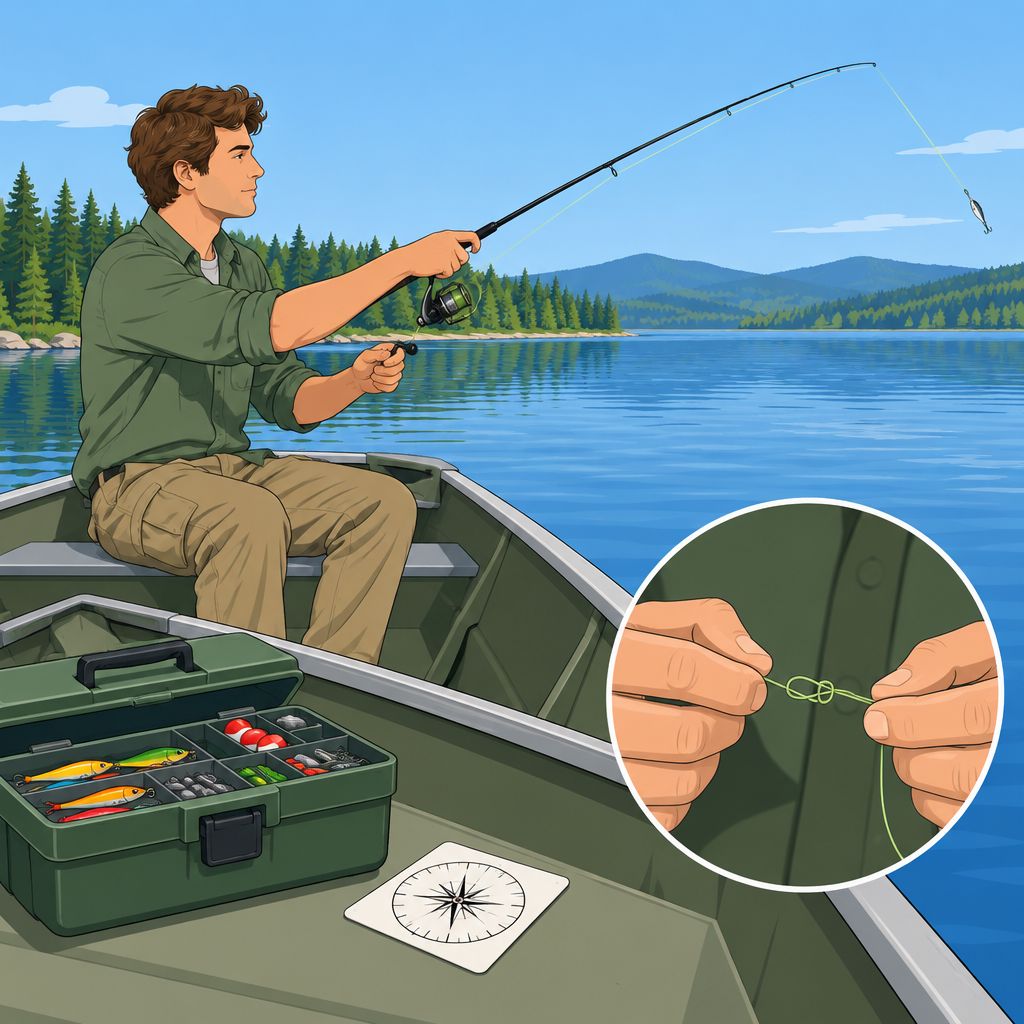
Ways to Develop Water Reading Skills
Fishermen can improve their skills by observing different bodies of water over time.
They should note how fish respond to changing conditions and where successful catches occur.
Additionally, studying target species can reveal behavior patterns that clarify water conditions.
Experimenting with different techniques also shows how temperature, current, and structure affect fish movement.
Finally, experienced fishermen can provide practical guidance for interpreting water conditions more effectively.
Uncover the Details: Innovative Use of Lighting in Landscape Architecture
Proficiency in Knot Tying
- Strong knots support different types of fishing rigs.
- Anglers should learn essential knots, including the improved clinch knot and loop knot.
Knot tying remains a crucial skill for every successful fisherman.
Strong, secure knots help keep fishing rigs effective and reliable.
Therefore, anglers should practice several knots for different fishing situations.
The Importance of Strong and Secure Knots
Weak knots can cause lost fish, broken lines, and frustration on the water.
Reliable knots increase an angler’s ability to land a large catch.
They also support a more enjoyable fishing experience.
Essential Fishing Knots
Anglers select fishing knots according to their rigs and techniques.
Several tested knots provide strength and reliability when needed.
The improved clinch knot and loop knot deserve a place in every angler’s repertoire.
Improved Clinch Knot
The improved clinch knot connects hooks, lures, or swivels to fishing line.
First, pass the line through the hook eye and double it back beside the standing line.
Next, wrap the doubled line six or seven times, beginning near the hook eye.
- Pass the line through the hook eye and double it back parallel to the standing line.
- Make six or seven wraps around the doubled line, starting near the hook eye.
- Thread the tag end through the loop formed beside the hook eye.
- Moisten the knot and pull the tag end to tighten the wraps against the hook eye.
Loop Knot
The loop knot gives bait or lures greater freedom of movement.
Anglers commonly use this knot with soft plastics or live bait.
Begin by forming a small loop at the end of the fishing line.
- Create a small loop at the line’s end, with the tag end facing the desired opening direction.
- Pass the tag end through the loop and around the standing line.
- Pass the tag end through the loop again and around the standing line.
- Moisten the knot, then pull the standing line and tag end to secure the loop.
Practice helps anglers tie both knots with greater confidence.
Secure knots make fishing rigs more dependable during use.
Mastering these knots can support greater fishing success.
Delve into the Subject: The Benefits of Multidisciplinary Collaboration
Knowledge of Fishing Regulations
- Successful fishermen must understand their local fishing regulations.
- Following these rules helps anglers fish legally and ethically.
- Because regulations vary by location, anglers should stay informed.
- Regulations protect fish populations from overfishing and depletion.
- By following regulations, anglers support sustainable fishing and conservation efforts.
- Violating regulations can cause fines, penalties, and harm to fish populations.
- Always check local fishing regulations before heading out.
- Learn about catch limits, size restrictions, and prohibited fishing methods.
- Responsible fishing begins with understanding and following established rules.
- Respecting regulations helps preserve fishing opportunities for future generations.
Successful fishing requires anglers to adjust their approach as conditions change.
Adaptability and problem-solving skills can significantly improve each fishing experience.
These abilities help anglers respond effectively when unexpected challenges arise.
Furthermore, every fishing trip offers opportunities to strengthen these practical skills.
Adaptability During Changing Conditions
- Adaptability allows anglers to adjust their approach while fishing.
- Weather patterns, water conditions, and fish behavior can change, so anglers must adapt quickly.
- Trying new techniques or changing strategies can improve results.
- Consequently, flexibility can separate a successful fishing trip from a disappointing one.
Problem-Solving Skills on the Water
- Problem-solving skills help anglers overcome obstacles during fishing trips.
- Equipment failures, sudden weather changes, and missing bites can create difficult situations.
- Anglers can troubleshoot problems and develop creative solutions when challenges appear.
- Additionally, a positive attitude helps fishermen think clearly and respond quickly.
Adaptability and problem-solving skills complement each other during every fishing trip.
Anglers who adjust their methods can respond more effectively to changing circumstances.
Meanwhile, practical thinking helps them overcome obstacles that could disrupt their plans.
By developing both abilities, fishermen can handle challenges and continue learning on the water.
Persistence in Learning and Improvement
Continuous learning helps fishermen strengthen their abilities and pursue greater success.
Furthermore, new knowledge, techniques, and experiences can improve each fishing endeavor.
Persistent practice helps fishermen develop confidence while responding to unfamiliar challenges.
- Stay Updated: Fishermen should follow new equipment, trends, and fishing regulations.
- Attend Workshops and Seminars: These events offer insights from experienced anglers.
- Experiment with Different Techniques: New methods can expand fishing skills and improve catch opportunities.
- Learn from Failure: Unsuccessful trips can reveal mistakes and guide future improvements.
- Practice Patience: Skill development requires time, persistence, and regular practice.
- Seek Mentorship: A mentor can provide guidance, feedback, and continued support.
- Join Fishing Communities: Fishing communities encourage anglers to exchange tips and experiences.
- Set Goals: Clear, achievable goals can maintain motivation and focus.
- Embrace Challenges: New challenges encourage growth beyond familiar fishing routines.
- Celebrate Progress: Recognizing small improvements can encourage continued effort.
Continuous learning helps fishermen enhance their skills and expand their knowledge.
Success requires dedication, perseverance, and a willingness to improve.
Therefore, keep learning, growing, and improving to become a more successful fisherman.
Skills That Support Fishing Success
- Patience, adaptability, and attention to detail are crucial skills for successful fishermen.
- Effective communication, problem-solving, and perseverance are also important qualities to possess.
- By honing these skills, fishermen can enhance their abilities and increase their chances of success.
- Continuous learning and practice will further improve their fishing techniques and strategies.
- Successful fishermen are skilled anglers and disciplined individuals with a passion for the sport.
- Readers should develop these key skills and strive to improve their fishing abilities.
- Ultimately, becoming a successful fisherman requires dedication, hard work, and a willingness to learn and adapt.
Additional Resources
Google search results for Top Skills Every Successful Fisherman Needs Construction and Manual Labor
Transform Your Career Today
Unlock a personalized career strategy that drives real results. Get tailored advice and a roadmap designed just for you.
Start NowBing search results for Top Skills Every Successful Fisherman Needs Construction and Manual Labor


