




Efficient packing and unpacking play a crucial role when moving or traveling.
Proper organization can save time and reduce stress during the process.
Packing Checklist Organization
- Make a list of every item you need to pack.
- Group similar items together on the checklist.
- Use the checklist to track your progress.
A packing checklist provides a clear starting point for organizing your belongings.
It helps you avoid forgotten essentials during the packing process.
Start by listing clothing, toiletries, kitchen items, and electronics.
A complete list can prevent last-minute panic.
Next, organize related belongings into categories such as clothing, kitchen items, toiletries, and electronics.
These categories make similar items easier to pack and locate later.
As you pack, check each item off the list.
This approach shows your progress and helps you remain organized.
It also reduces the chance of overlooking important belongings.
With careful planning, you can streamline the packing and unpacking process.
Consequently, the transition becomes easier to manage and less stressful.
Pack by Category
Organizing belongings by category makes packing and unpacking more efficient.
This method saves time and helps you locate everything during unpacking.
First, sort your belongings into categories such as clothes, kitchen items, toiletries, and electronics.
- Sort Your Belongings: Grouping similar items streamlines packing and prevents belongings from different rooms mixing together.
- Pack Each Category Separately: Place each category in a designated box or container for easier unpacking.
- Label Each Box: Write each box’s contents outside, or use color-coded labels for quick identification.
For example, keep clothes together, place kitchen items separately, and organize other categories similarly.
Additionally, clear labels help you find needed items without opening several boxes.
As a result, category-based packing keeps the process organized from start to finish.
It also makes unpacking easier by showing where each group of belongings belongs.
Delve into the Subject: How to Stay Organized on a Construction Site
Use Proper Packing Supplies
Proper packing supplies help protect belongings during a move.
They also make packing and unpacking more manageable.
Therefore, choose materials that match each item’s size, weight, and fragility.
Invest in Quality Packing Materials
Quality materials help boxes hold their contents securely.
Additionally, cushioning reduces movement around fragile belongings.
Choose supplies that support both protection and secure sealing.
- Choose sturdy boxes that can withstand the weight of your items.
- Use high-quality packing tape to seal your boxes securely.
- Wrap fragile items in bubble wrap to help prevent breakage during transit.
- Use packing paper to cushion items and fill empty spaces inside boxes.
Use Appropriate-Sized Boxes
Box size affects stability during transport.
Furthermore, matching box size to item weight helps prevent damage.
Distribute weight carefully so each box remains manageable.
- Choose boxes that fit your items to avoid overpacking or underpacking.
- Place heavy items in smaller boxes to help prevent bottom damage.
- Place lighter items in larger boxes while monitoring weight distribution.
Consider Using Wardrobe Boxes for Clothes
Wardrobe boxes provide a practical option for hanging clothes.
They keep garments arranged while you move them.
Additionally, their design can simplify the unpacking process.
- Wardrobe boxes include hanger bars for hanging clothes.
- Use wardrobe boxes to help keep clothes wrinkle-free during the move.
- Transfer clothes directly to the closet to make unpacking easier.
Use these supplies to pack belongings efficiently and safely for the journey to your new home.
Uncover the Details: The Impact of Legislation on Mining Practices
Pack Strategically
When you pack and unpack strategically, you can make the moving process smoother.
A clear plan also helps you protect belongings and manage each task.
Therefore, begin with less essential items and reserve daily necessities for later.
- Start packing non-essential items first and save frequently used items for last.
- Utilize empty spaces in boxes for smaller or fragile items needing extra protection.
- Use soft items like towels and blankets to cushion breakable belongings.
Packing Non-Essential Items First
Begin with belongings that you rarely use during everyday routines.
For example, pack seasonal clothing, decorations, books, and other non-essential items.
Transform Your Career Today
Unlock a personalized career strategy that drives real results. Get tailored advice and a roadmap designed just for you.
Start NowThis approach streamlines your work and reduces last-minute packing pressure.
Using Empty Spaces in Boxes
Next, inspect each box for gaps while placing your belongings inside.
Fill those spaces with smaller items or fragile belongings that need added protection.
As a result, you can use available space efficiently and keep items secure during transit.
Using Soft Items for Cushioning
Protect breakable belongings with soft items such as towels, blankets, and clothing.
Wrap delicate pieces before placing them inside boxes.
This extra layer of cushioning helps minimize breakage during transportation.
Finally, label every box clearly to simplify unpacking.
Keep an inventory of your belongings so you can track each item.
These practices help your belongings arrive safely and make settling into your new home easier.
Gain More Insights: Lumberjack Tools: Choosing the Right Chainsaw
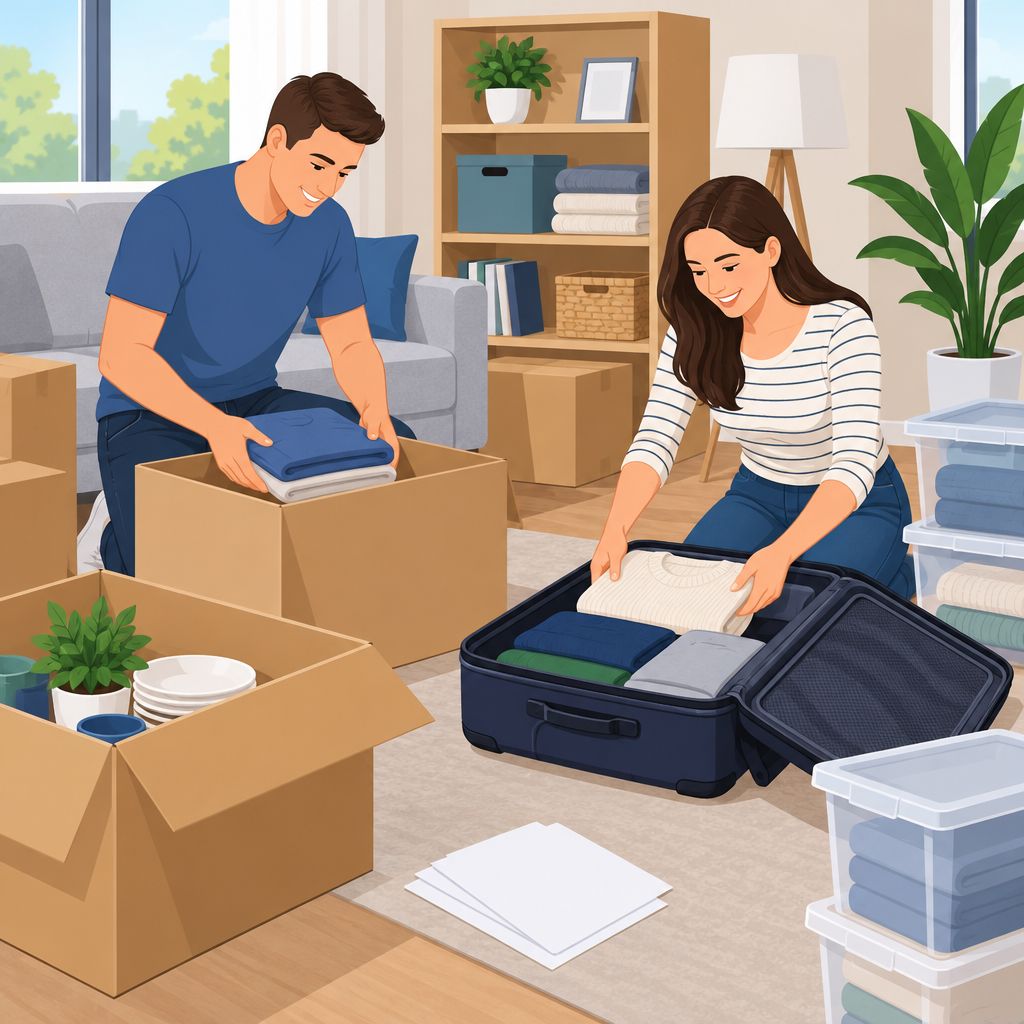
Keeping Essential Items Accessible During a Move
- Pack medication, toiletries, clothes, and important documents separately.
- Keep the essentials box accessible throughout the move.
- Label the box clearly as “Essentials” for quick identification.
Keep essential items accessible while packing and unpacking your belongings.
A separate essentials box prevents unnecessary searching during the move.
Include prescription medications, over-the-counter medications, toiletries, and several days of clothing.
Also include important documents such as passports, identification cards, and financial papers.
Gather these items before packing begins.
Next, place them inside a sturdy, portable box.
Choose a manageable size so you can carry the box easily.
Seal the box securely to prevent items from falling out during transit.
Then, label it clearly as “Essentials” for quick recognition.
Keep the box with you or place it somewhere easily accessible.
Avoid burying it beneath other boxes or placing it at the truck’s back.
If you travel by car, place the box on the passenger seat or floor.
This arrangement keeps necessary items within reach during the journey.
After arriving, unpack the essentials box before handling other belongings.
Set it in a convenient location where you can access it immediately.
These preparations can make settling into your new space easier.
Discover More: The Role of Window Cleaners in Building Maintenance
Staying Organized While Unpacking
Unpacking requires a different approach from packing.
A clear plan helps you settle into your new home efficiently.
Therefore, focus on one room and prioritize items that restore daily function.
Unpacking One Room at a Time
Focus on one room to prevent the boxes from becoming overwhelming.
This approach keeps your attention on one space and simplifies placement decisions.
As a result, you can create order without managing every room simultaneously.
Prioritizing Essential Household Items
Begin with bedding, kitchen supplies, and toiletries.
These essentials help you create a functional living space quickly.
Meanwhile, placing them in designated spots provides convenient access.
Removing Packing Materials Promptly
Discard boxes, bubble wrap, and packing peanuts as you unpack.
Otherwise, unused materials can quickly clutter your new home.
Break down boxes for recycling or consider alternative uses before discarding them.
Transform Your Career Today
Unlock a personalized career strategy that drives real results. Get tailored advice and a roadmap designed just for you.
Start NowEfficient Unpacking Techniques
Efficient unpacking depends on clear decisions, steady progress, and careful handling.
Prepare a small station with scissors, box cutters, and tape before opening containers.
These tools remain accessible while you open and empty boxes.
- Flatten empty boxes as soon as you empty them.
- Invite family or friends to share suitable tasks.
- Prepare accessible tools before opening containers.
Next, assign each helper a specific task to divide the workload.
Family and friends can make the process faster and more enjoyable.
Meanwhile, flatten each empty box immediately to prevent clutter from spreading.
Keep flattened cardboard in one designated area until disposal or storage.
Handle fragile belongings slowly to reduce the risk of accidental damage.
Unwrap delicate items carefully before placing them in their intended locations.
Use padding or cushioning whenever an item needs additional protection.
As you unpack, give every belonging a suitable place immediately.
This approach limits clutter and keeps the new space manageable.
Take regular breaks whenever the work causes fatigue or discomfort.
Listen to your body’s signals and avoid unnecessary overexertion.
Finally, maintain a steady pace instead of rushing through demanding tasks.
Practical Packing and Unpacking Results
Efficient packing and unpacking require proper planning and organization.
Quality packing supplies protect your belongings throughout the process.
Additionally, staying organized saves time and reduces stress.
Sort items by category and label boxes clearly.
These strategies can streamline packing and unpacking for your next move or trip.


