




Groundskeeping Challenges
Groundskeeping plays a crucial role in maintaining outdoor spaces.
However, groundskeepers often face challenges involving weed control, pest management, and irrigation.
This post explores effective solutions to these prevalent problems.
Outdoor spaces often face pest control challenges during groundskeeping.
Pest Control in Outdoor Spaces
Various pests can damage plant health and reduce the visual appeal of outdoor areas.
Groundskeepers commonly find the following pests in outdoor spaces.
- Aphids
- Whiteflies
- Slugs and snails
- Spider mites
These pests feed on plants, remove vital nutrients, and transmit diseases.
They can cause stunted growth and wilting.
In severe cases, they can kill plants.
Moreover, pests can harm the appearance of outdoor spaces.
They create holes in leaves, cause discoloration, and leave sticky residues.
Consequently, affected plants may look unattractive.
Groundskeepers can address these issues through integrated pest management, or IPM.
IPM combines biological, cultural, physical, and chemical control methods.
This combination helps groundskeepers manage pests efficiently and sustainably.
In addition, groundskeepers can use natural repellents to discourage infestations.
Neem oil, garlic spray, and peppermint oil can repel pests without harming plants or beneficial insects.
By taking proactive steps, groundskeepers can manage pests and protect plant health.
They can also preserve the aesthetics of outdoor spaces.
Weeds
Weeds create persistent challenges for landscapers.
These unwanted plants can spread quickly throughout landscapes.
They compete with desired plants for essential resources.
How Weeds Compete with Desired Plants
Weeds often spread aggressively across different types of soil.
They compete with desired plants for water and nutrients.
Additionally, weeds can limit access to essential sunlight.
Common Types of Weeds
Different weeds require different removal and prevention approaches.
Some weeds develop roots or growth patterns that complicate control.
The following examples commonly affect lawns and landscapes.
- Dandelions develop taproots that make complete removal challenging.
- Crabgrass thrives in hot, dry conditions and can overtake lawns quickly.
- Clover spreads rapidly while competing with grass for space and nutrients.
Strategies for Weed Prevention and Removal
Prevention provides an effective starting point for managing weeds.
Mulch creates a barrier that helps prevent weed seeds from germinating.
It also helps retain moisture in the soil.
Hand weeding removes unwanted plants directly from the soil.
Although hand weeding takes time, removing roots can prevent regrowth.
Wear gloves to protect your hands during this process.
Use herbicides only as a last resort for particularly stubborn weeds.
Choose a product that targets the specific weed you want to control.
Finally, follow the instructions carefully to avoid damaging desired plants.
Find Out More: Balancing Work and Life as a Lumberjack
Soil Erosion
Groundskeepers face soil erosion when water destabilizes soil and removes valuable topsoil.
Heavy rainfall and improper irrigation can weaken the ground and disturb plant growth.
Transform Your Career Today
Unlock a personalized career strategy that drives real results. Get tailored advice and a roadmap designed just for you.
Start NowTherefore, prevention methods help protect plants and maintain a stable landscape.
- Heavy rainfall and improper irrigation can trigger soil erosion.
- Soil erosion can expose plant roots, reduce nutrients, and destabilize the landscape.
- Ground cover, retaining walls, and mulch can help prevent soil erosion.
Causes of Soil Erosion
Heavy rainfall washes away topsoil and exposes plant roots.
Additionally, overwatering can weaken soil structure and encourage water to carry soil away.
Consequently, improper irrigation can increase erosion and destabilize the ground.
Consequences of Soil Erosion
Soil erosion can harm plant health by exposing their roots.
It also reduces nutrients available in the soil, which can affect plant growth.
Meanwhile, gullies and uneven surfaces can weaken landscape stability and reduce biodiversity.
Techniques for Preventing Soil Erosion
Strategically planted ground cover holds soil in place and limits erosion.
Retaining walls create barriers that block water flow and stabilize soil.
Finally, mulch protects soil from heavy rain and reduces its erosive impact.
See Related Content: Innovative Use of Lighting in Landscape Architecture
Drainage Issues
Effective drainage supports healthy plants and helps protect visitors.
Poor drainage leaves soil waterlogged, depriving plants of oxygen and nutrients.
Consequently, standing water can increase the risk of slips and falls.
Effects of Poor Drainage
Stagnant water can suffocate plant roots, causing rot and eventual plant death.
Furthermore, waterlogged soil creates breeding conditions for harmful pathogens and pests.
Prolonged standing water can also encourage fungal diseases.
Common Signs of Drainage Problems
Standing water or soggy soil clearly indicates that water drains poorly.
Yellowing leaves and stunted growth may also signal drainage problems.
Additionally, an unpleasant soil odor can indicate excessive moisture.
Solutions for Improving Drainage
- Install French drains using gravel-filled trenches to redirect excess water from planting areas.
- Redirect downspouts away from building foundations and landscaped areas.
- Amend compacted soil with organic matter to improve water absorption and drainage.
By addressing drainage issues promptly, you can create a healthier and safer environment for plants and visitors.
Gain More Insights: The Benefits of Multidisciplinary Collaboration
Drought presents a serious challenge for groundskeepers.
During water scarcity, groundskeepers must protect plant health while conserving available water.
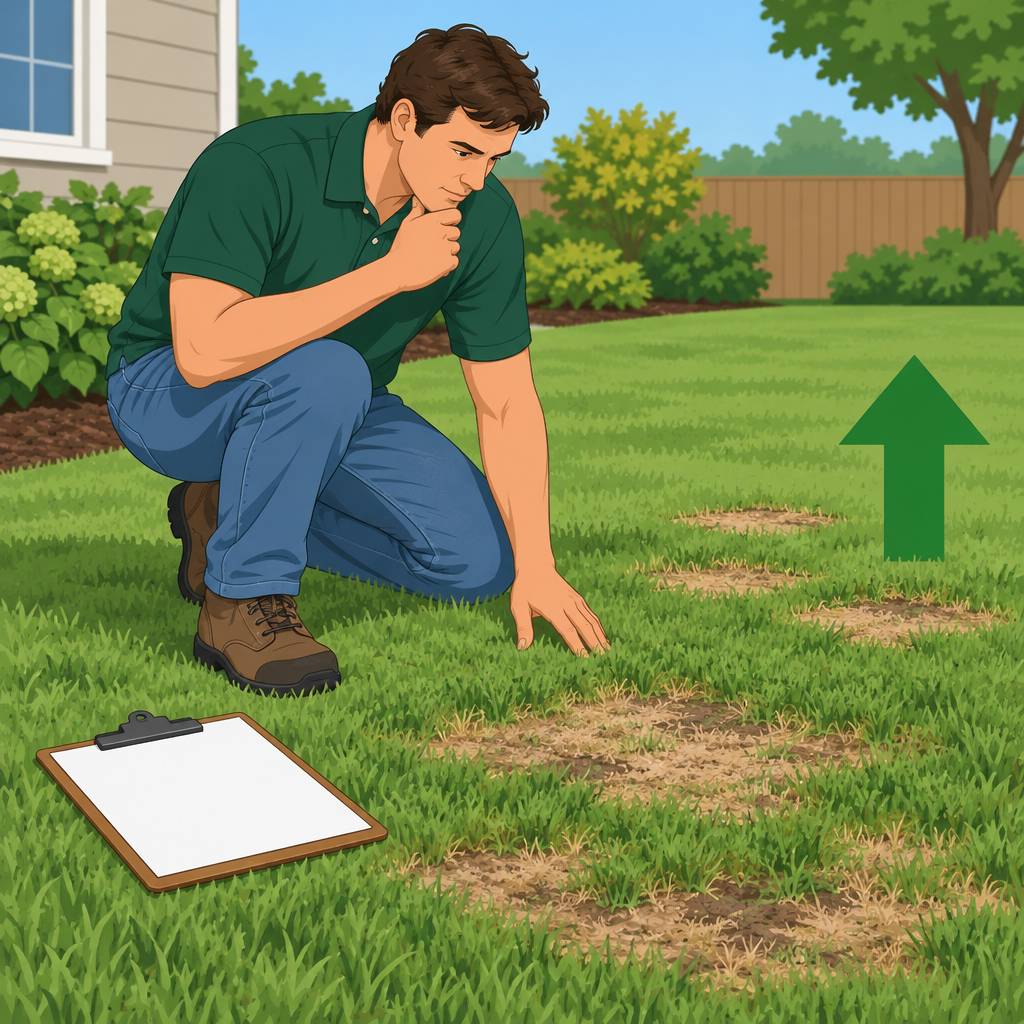
Impact of Drought on Plant Health and Water Usage
Drought can cause wilting, stunted growth, and plant death.
Plants need water for essential processes, including photosynthesis and nutrient absorption.
Without enough water, these processes slow down and plants show visible stress.
Additionally, plants reduce transpiration during drought to conserve moisture.
Signs of Drought Stress in Plants
Groundskeepers can identify drought stress by observing changes in plant appearance.
These symptoms often show that plants cannot absorb enough water.
Early recognition allows groundskeepers to adjust watering practices promptly.
- Wilting occurs when leaves lose turgidity and appear limp or droopy.
- Browning causes leaf margins or entire leaves to become brown and crispy.
- Stunted growth causes plants to stop growing or develop very slowly.
- Leaf curling reduces water loss by causing leaves to curl or roll upward.
- Premature leaf drop helps plants conserve water by shedding leaves.
Water Conservation Strategies During Dry Periods
During dry periods, groundskeepers should combine water conservation with careful plant monitoring.
These practices help plants receive adequate hydration while limiting unnecessary water use.
Groundskeepers can also adjust watering schedules as soil moisture levels change.
- Water deeply and infrequently to encourage deep root growth.
- Apply mulch around plants to retain soil moisture and reduce evaporation.
- Water in the early morning or late evening to reduce evaporation.
- Use drought-tolerant plant species that require less water to thrive.
- Monitor soil moisture regularly and adjust watering frequency as needed.
- Use drip irrigation or soaker hoses for targeted and efficient watering.
- Avoid fertilizing during drought because fertilizer can increase plant water demand.
- Use rainwater harvesting systems to collect and store irrigation water.
Learn More: How to Start Your Own Groundskeeping Business
Proactive Landscape Maintenance Strategies
This post examined common groundskeeping challenges involving irrigation systems, pest infestations, and healthy turf.
These issues can affect landscape health and require consistent attention from professionals.
Therefore, groundskeepers should use a proactive maintenance approach before problems escalate.
Regular inspections and monitoring help professionals identify potential problems early.
Early identification also helps groundskeepers respond before challenges require greater time or resources.
Transform Your Career Today
Unlock a personalized career strategy that drives real results. Get tailored advice and a roadmap designed just for you.
Start NowProper water management supports healthier landscapes and addresses irrigation-related concerns.
Additionally, integrated pest management techniques help groundskeepers respond to pest infestations.
A regular fertilization schedule further supports healthy and vibrant turf.
By applying these strategies, groundskeepers can address challenges more effectively.
Proactive problem-solving can help groundskeepers save time and resources.
Groundskeepers should incorporate these practices into their daily routines.
Consequently, consistent care helps preserve the beauty and health of their landscapes.
Additional Resources
Bing search results for Common Groundskeeping Challenges and Solutions Construction and Manual Labor


