




Painting Cabinets and Furniture for a Fresh Look
Painting cabinets and furniture can give your home a fresh new look.
Additionally, updated pieces can transform a room’s appearance and atmosphere.
You can refresh kitchen cabinets, dressers, or dining tables with a new coat of paint.
Why Updating Existing Pieces Matters
Over time, furniture and cabinets may become worn or outdated.
Furthermore, existing pieces may no longer match your preferred style.
Painting them breathes new life into familiar items and creates a cohesive home design.
Benefits of Painting Furniture
Painting furniture lets you customize its appearance, colors, and finishes.
As a result, you can create a look that suits your personal preferences.
Moreover, repainting old pieces reduces waste and offers a cost-effective alternative to buying replacements.
Choosing the Right Paint
Choosing suitable paint matters for cabinets and furniture.
Several paint types can meet different project needs.
Therefore, consider application, appearance, and durability before deciding.
Paint Types for Cabinets and Furniture
Each paint type offers distinct benefits for cabinets and furniture.
For example, some paints simplify cleanup, while others provide added durability.
Meanwhile, certain options create specific finishes or reduce preparation work.
- Latex paint cleans easily, produces fewer fumes, and dries quickly.
- Oil-based paint provides durability and a smoother finish, but it has strong odors and dries slowly.
- Chalk paint suits distressed looks and requires minimal preparation.
- Acrylic paint dries quickly and provides a matte finish.
Choosing a Color and Finish
The color and finish strongly influence the final appearance.
First, compare your preferred color with the room’s existing color scheme.
Then, select a finish that supports either a modern or rustic style.
- Consider the room’s existing color scheme for a cohesive appearance.
- Choose light colors to make a space feel larger and brighter.
- Select a high-gloss finish for a modern look.
- Choose a matte finish for a more rustic feel.
Benefits of High-Quality Paint
High-quality paint supports a more durable and attractive result.
It also improves surface adhesion and helps prevent peeling or chipping.
Additionally, better coverage can reduce the time and money required for painting.
- High-quality paint improves adhesion and helps prevent peeling or chipping.
- It offers better coverage, which can save time and money.
- Its finish resists scratches, stains, and moisture more effectively.
Ultimately, quality paint helps create a beautiful, lasting finish for cabinets and furniture.
Prepare the Surface
Proper surface preparation creates a professional and durable finish for cabinets or furniture.
First, remove dirt, grease, loose finish, and surface imperfections before applying paint.
Then, complete each preparation step carefully so the paint bonds smoothly and lasts longer.
Steps for Preparing the Surface
Follow these steps to prepare cabinets or furniture for a fresh coat of paint.
Work carefully and allow the surface to dry fully between preparation stages.
This process gives the paint a cleaner foundation and improves the final appearance.
- Sanding: Sand the surface to remove existing finish and smooth imperfections.
- Cleaning: Wash away dust, dirt, grease, and residue after sanding.
- Priming: Apply primer to seal the surface and improve paint adhesion.
Tips for Cleaning and Sanding
Cleaning and sanding require attention because residue or uneven areas can weaken paint adhesion.
Use suitable materials and gentle techniques to protect the surface during preparation.
Afterward, inspect the surface carefully before moving on to priming.
- Clean Thoroughly: Use a degreaser or mild cleaner to remove grease and grime.
- Sand Lightly: Use a light touch to avoid damaging the surface.
- Use Quality Materials: Choose reliable sandpaper, cleaning supplies, and primer for better results.
Why Proper Preparation Matters
Good preparation helps create a smooth and professional-looking finish.
It also helps prevent peeling, chipping, and other problems after painting.
Take time to clean, sand, and prime so the finished surface looks attractive and remains durable.
Delve into the Subject: Lumberjack Salaries: What to Expect in the US
Why Hardware Removal Matters
Removing hardware helps you apply paint evenly across cabinets and furniture.
It also prevents paint from covering hinges, knobs, and pulls.
Additionally, hardware removal gives you better access to every surface.
- Remove hardware for a cleaner and more professional finish.
- Protect hinges, knobs, and pulls from unwanted paint.
- Reach hidden surfaces more easily during painting.
Safe Hardware Removal Steps
Gather a screwdriver, pliers, and a small container before removing any hardware.
Use the correct screwdriver to loosen each screw carefully.
Transform Your Career Today
Unlock a personalized career strategy that drives real results. Get tailored advice and a roadmap designed just for you.
Start NowFor stubborn pieces, use pliers gently to avoid damaging the furniture.
- Collect the screwdriver, pliers, and small container.
- Loosen and remove screws holding hinges, knobs, and pulls.
- Place each removed hardware piece inside the container.
Labeling Hardware for Reinstallation
Labeling hardware makes reinstallation easier after the paint dries.
Use masking tape or small bags to identify each hardware piece.
Write the original location on each label with a marker.
- Label hardware from each cabinet door or drawer.
- Write locations such as top cabinet door or bottom drawer.
- Keep labeled hardware together in a safe place.
Find Out More: Best Training Programs for Aspiring Dockworkers
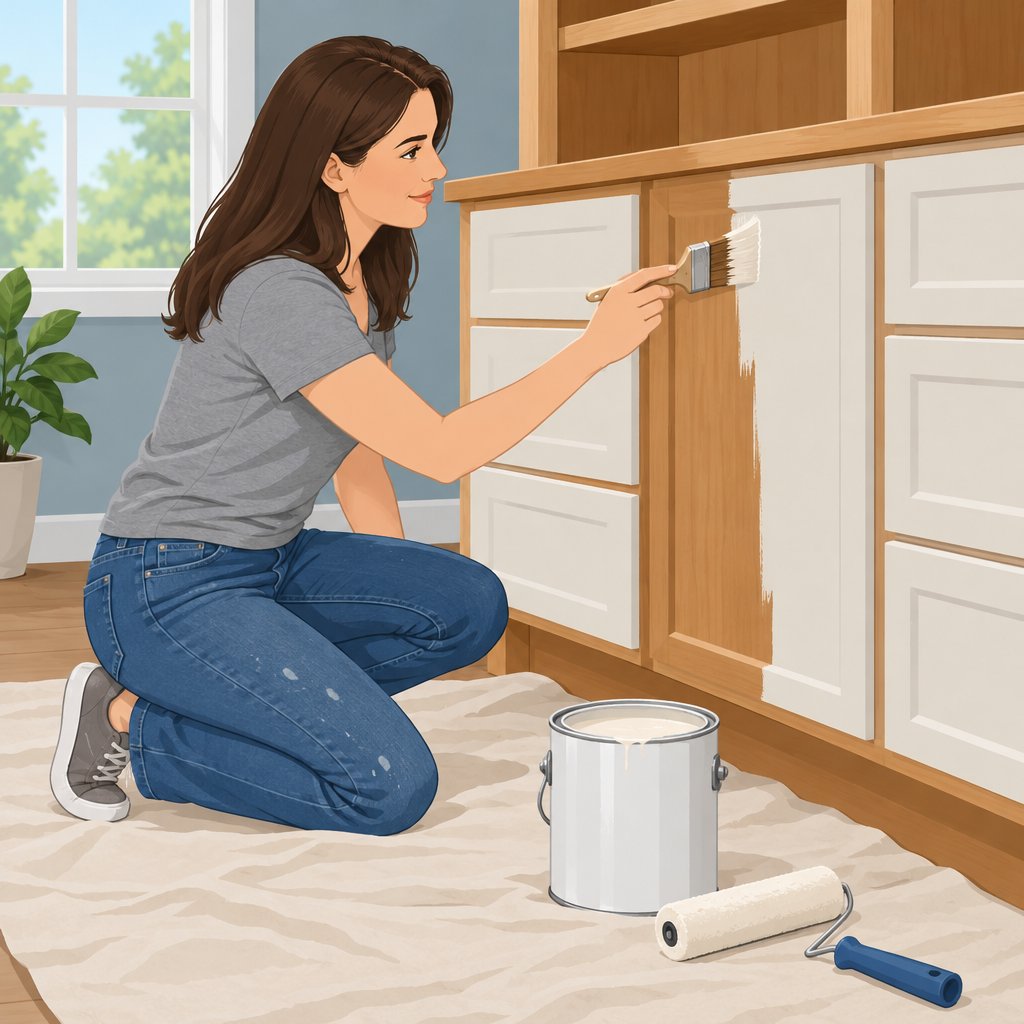
Applying Paint to Cabinets and Furniture
Apply paint carefully to create a professional finish on cabinets and furniture.
Choose a method that suits the surface, design, and finish you want.
Meanwhile, follow a consistent process to produce an even result.
Best Techniques for Painting Cabinets and Furniture
Each painting method offers specific advantages for cabinets and furniture.
Consider the surface size, design details, and desired finish before choosing your technique.
Additionally, select suitable tools to control coverage and minimize visible marks.
- Use a high-quality brush to achieve a smooth finish with minimal brush strokes.
- Choose the brush size according to the surface area you plan to paint.
- Use a foam roller to cover larger surfaces quickly and create a smooth finish.
- Apply spray paint for an even coat and a flawless finish.
- Use spraying for intricate patterns or areas that are difficult to reach.
Tips for Achieving a Smooth and Even Coat
Thin, controlled applications help create a smooth and even coat.
Quality materials also support a durable and professional-looking finish.
Furthermore, consistent technique helps prevent drips, smudges, and uneven surfaces.
- Clean and sand the surface before applying paint.
- Use quality paint designed specifically for cabinets and furniture.
- Apply thin coats instead of thick layers to prevent drips and uneven surfaces.
- Work in small sections and maintain a consistent painting technique.
- Allow every coat to dry completely before applying the next layer.
Allowing Sufficient Drying Time Between Coats
Patience plays an important role when you paint cabinets and furniture.
Allow sufficient drying time between coats to achieve a flawless finish.
Moreover, waiting helps prevent mistakes that could damage your work.
Wait for the paint to dry before applying another coat for several reasons.
- Drying prevents smudging or smearing and supports a clean, professional look.
- Proper drying allows the paint to cure and improves its durability.
- Dry coats minimize brush marks and uneven surfaces.
- Each dry coat creates a solid foundation for the next application.
Discover More: Innovations Making Mining Safer and More Efficient
Decorative Accents for Cabinets and Furniture
Decorative accents can elevate the appearance and feel of cabinets and furniture.
These small details can support rustic, vintage, modern, or contemporary styles.
Choose accents that complement the furniture and the surrounding room.
- Discuss stencils, decals, and distressing for cabinets and furniture.
- Choose accents that match the desired decorative style.
- Use small details to influence the furniture’s overall appearance.
Stencils for Customized Designs
Stencils provide a versatile way to add customized designs to cabinets and furniture.
Choose a pattern that complements the furniture’s existing style.
For example, floral stencils suit vintage cabinets, while geometric patterns support modern pieces.
Secure the stencil with painter’s tape before applying paint.
Use a small foam roller or brush to apply the paint evenly.
Remove the stencil carefully to reveal the finished design.
Decals for Flexible Decoration
Decals offer an easy and affordable way to add visual interest.
They come in styles ranging from whimsical designs to sophisticated patterns.
Apply floral decals to cabinet doors for an elegant decorative touch.
Alternatively, use a quote decal to add personality to a dresser.
Most decals apply by peeling and sticking them onto the surface.
They can also suit renters or anyone who frequently changes their decor.
Distressing for an Aged Appearance
Distressing gives cabinets and furniture an aged, worn-in appearance.
Use sandpaper and a sanding block to create the effect.
Begin by lightly sanding edges and corners where natural wear commonly appears.
You can also sand selected areas to imitate additional wear.
Work gradually so you can control the final appearance.
After distressing, apply clear wax or polyurethane to protect the finish.
Transform Your Career Today
Unlock a personalized career strategy that drives real results. Get tailored advice and a roadmap designed just for you.
Start NowChoosing Accents for the Desired Style
Consider the room’s overall style before selecting decorative accents.
Shabby chic furniture may benefit from distressing or delicate floral designs.
Modern farmhouse pieces can combine simple patterns with gently distressed details.
Sleek contemporary furniture often works best with restrained geometric accents.
Ultimately, small decorative details can tie the room together.
Therefore, thoughtful accents can create a more cohesive furniture arrangement.
See Related Content: Importance of Time Management in Construction
Protecting Painted Cabinets and Furniture
Painting cabinets and furniture requires a protective finish to ensure lasting durability.
Without proper protection, wear and tear can cause the paint to chip, scratch, or fade.
Topcoats and sealants create a protective barrier against daily use, spills, and environmental factors.
These products come in matte, satin, and gloss finishes to match your preferred style.
Apply at least two coats of topcoat or sealant to improve the finish’s durability.
Follow the manufacturer’s instructions for drying times and curing requirements.
Let the topcoat fully cure before using the cabinets or furniture.
Proper care and maintenance help preserve the fresh appearance of painted surfaces.
Use the following practices to protect your painted cabinets and furniture.
- Use mild soap and water to clean painted surfaces, avoiding harsh chemicals that could damage the finish.
- Wipe spills immediately to prevent stains and paint damage.
- Avoid abrasive cleaners and scrubbing pads that can scratch the paint.
- Use coasters, placemats, and trivets to protect surfaces from heat, moisture, and scratches.
- Avoid placing heavy or sharp objects directly on painted surfaces.
- Check regularly for chips, scratches, or fading, and touch up damaged areas as needed.
Achieving a Lasting Painted Finish
Painting cabinets and furniture can completely transform the look of a space.
Proper preparation, including cleaning, sanding, and priming, is crucial for a successful outcome.
Additionally, technique matters because the right tools and even application create better results.
By following these steps, you can achieve a professional-looking finish that will last for years.
Therefore, do not hesitate to paint cabinets and furniture yourself.
With the right attitude and attention to detail, you can create a stylish new look at home.
Finally, gather your supplies, roll up your sleeves, and unleash your creativity with paint.


