




Roof Ventilation and Insulation for Home Comfort
Roof ventilation and insulation work together to support a comfortable, healthy, and energy-efficient home.
Ventilation moves air through the attic to regulate temperature and moisture levels.
Insulation creates a barrier that limits heat transfer during both cold and hot weather.
How These Systems Protect the Home
Proper ventilation reduces heat and moisture buildup in the attic.
This approach helps prevent mold growth and wood rot.
Meanwhile, insulation maintains a more consistent indoor temperature and reduces HVAC strain.
Together, these systems can improve indoor air quality and lower energy bills.
Additionally, they can extend roof life by limiting moisture damage and reducing ice-dam risks in colder climates.
These benefits may help homeowners avoid costly repairs over time.
Health Benefits of Proper Roof Ventilation and Insulation
Proper roof ventilation and insulation support a healthy indoor environment.
Together, they help manage moisture and air quality inside the home.
These measures can benefit household health by limiting mold, allergens, and stale air.
Preventing Mold and Mildew Growth
Proper ventilation and insulation help control moisture levels in the attic.
This control reduces conditions that support mold and mildew growth.
Mold and mildew can cause respiratory issues and allergic reactions.
Reducing Respiratory Risks
A dry attic can reduce exposure to mold spores and other allergens.
Consequently, proper ventilation and insulation may lower risks associated with asthma and allergies.
They also support healthier indoor air by limiting damp conditions.
Improving Indoor Air Quality
Effective ventilation removes stale air from the home.
It replaces stale air with fresh outdoor air.
As a result, indoor pollutants and allergens can remain less concentrated.
Energy Efficiency Through Roof Improvements
Proper roof ventilation regulates indoor temperature.
Insulation reduces the need for excessive heating or cooling.
Together, these improvements can significantly lower energy bills.
Roof Ventilation and Temperature Regulation
Roof ventilation helps maintain a comfortable indoor environment.
During summer, inadequate ventilation traps attic heat and warms the rest of the house.
During winter, poor airflow allows moisture buildup that can damage roof structures.
Proper ventilation regulates temperatures and reduces pressure on the HVAC system.
Insulation and Reduced Energy Demand
Insulation helps retain indoor heat during winter.
It also helps keep the home cooler during summer.
Consequently, the HVAC system requires less energy to maintain comfortable temperatures.
Quality insulation can reduce excessive heating and cooling over time.
Potential Energy Bill Savings
Roof ventilation and insulation can work together to reduce overall energy consumption.
Maintaining consistent indoor temperatures can lower heating and cooling costs.
Additionally, reduced HVAC strain may help extend the equipment’s lifespan.
This lower strain can help homeowners avoid some costly repairs and replacements.
Uncover the Details: Training and Development for Construction Managers
Your roof needs more than durable materials to remain reliable over time.
Proper ventilation and insulation help preserve the roof’s condition.
This care reduces exposure to moisture and temperature changes.
Transform Your Career Today
Unlock a personalized career strategy that drives real results. Get tailored advice and a roadmap designed just for you.
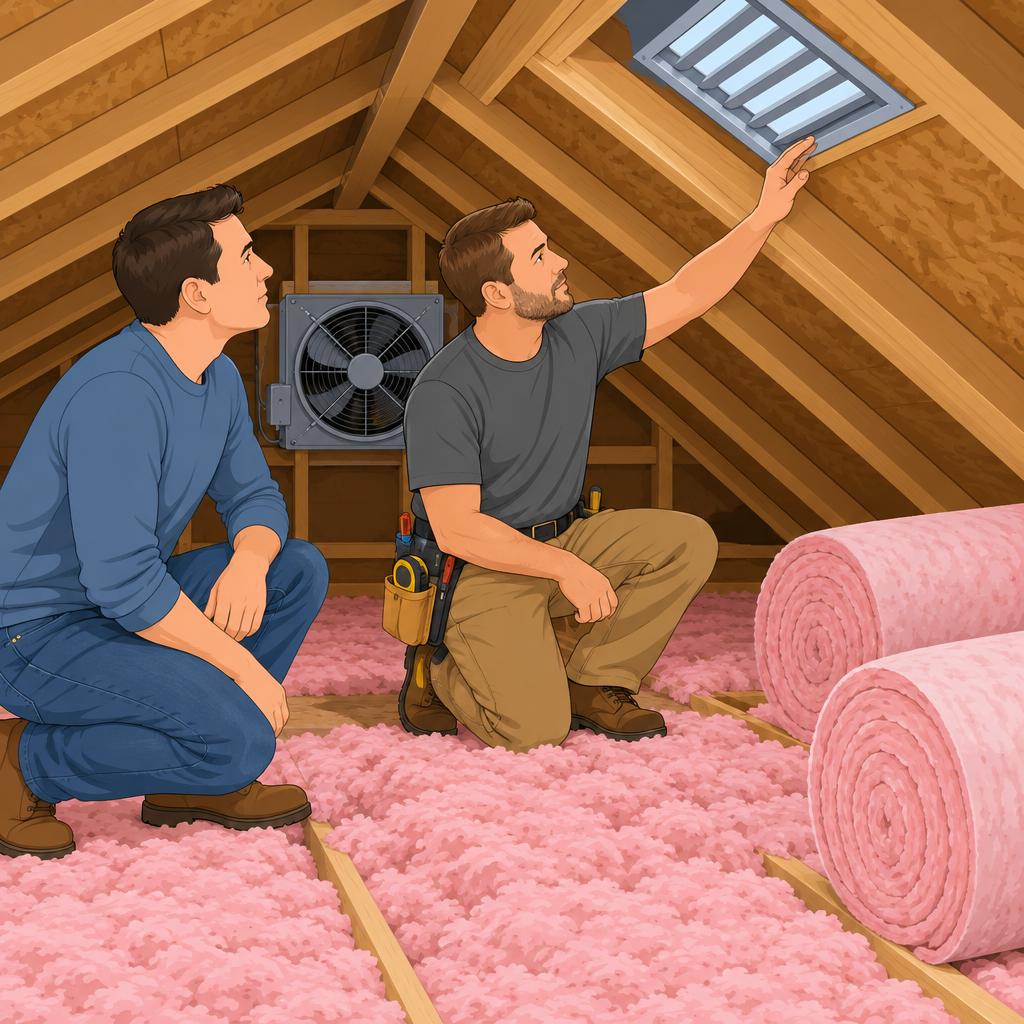
Start NowExtending the Lifespan of the Roof
- Proper ventilation prevents moisture buildup in the attic, reducing mold growth and structural damage.
- Additionally, steady airflow helps control attic temperature and humidity levels.
- Insulation shields the home from extreme temperatures and reduces strain on heating and cooling equipment.
- Consequently, insulation helps the roof withstand weather changes and last longer.
Preventing Moisture Buildup and Roof Damage
- Without adequate ventilation, warm, moist air can remain trapped inside the attic.
- That trapped air can create condensation and damage the roof structure.
- Furthermore, excess moisture can weaken insulation and encourage mold and mildew growth.
- Proper ventilation removes excess heat and moisture, helping prevent expensive roof repairs.
Protecting the Roof from Extreme Temperatures
- Insulation creates a thermal barrier that limits heat transfer through the roof.
- During summer, insulation helps prevent roof heat from entering the home.
- In colder climates, insulation retains indoor heat and helps prevent ice dams.
- As a result, the roof handles temperature changes with greater resilience.
Reducing Roof Repairs and Replacements
- Adequate ventilation and insulation can reduce the need for frequent roof repairs.
- These measures also help protect the roof’s structure from environmental wear.
- Regular inspections and maintenance further support the roof’s long-term condition.
- Finally, quality materials and professional installation can provide lasting cost savings.
Long-Term Roof Protection
Roof ventilation and insulation protect the roof from moisture damage and temperature extremes.
They also help prevent premature deterioration of the roof structure.
Investing in suitable solutions supports a durable and resilient roof for years.
Gain More Insights: Training Programs for Aspiring Agricultural Workers
Environmental Benefits of Roof Ventilation and Insulation
Lower energy consumption can reduce carbon emissions.
Proper roof ventilation and insulation can reduce the energy required to heat and cool your home.
Consequently, your home may require less electricity and gas.
Both energy sources contribute to carbon emissions.
These improvements also support sustainability by reducing pressure on natural resources.
Furthermore, lower energy use can decrease your home’s environmental impact.
Green building practices seek to limit environmental effects throughout a building’s life cycle.
Therefore, roof ventilation and insulation support those practices by reducing energy consumption.
They can help create a more sustainable living space.
Find Out More: Importance of Ongoing Training for Maintenance Workers
Different Types of Roof Ventilation and Insulation
Homeowners can choose from several roof ventilation and insulation options.
These options support a well-functioning roof.
Therefore, understanding each type helps homeowners compare suitable choices.
Roof Ventilation Systems
Roof ventilation systems manage airflow through the attic.
Each system serves a different position and airflow purpose.
Additionally, homeowners can combine systems for broader attic air circulation.
- Ridge vents sit along the roof peak and allow warm attic air to escape.
- Soffit vents sit beneath the eaves and provide intake airflow to the attic.
- Gable vents sit on roof gables and help circulate air through the attic.
Types of Insulation Materials
Insulation materials differ in composition, cost, and thermal performance.
Homeowners can compare these characteristics before selecting an option.
Moreover, the right material depends on budget, climate, and desired energy efficiency.
- Fiberglass offers an affordable way to reduce heat transfer.
- Cellulose uses recycled paper and provides good thermal performance.
- Spray foam creates a tight seal and provides strong insulating performance.
Factors Affecting Ventilation and Insulation Choices
Several practical factors influence ventilation and insulation decisions.
Climate affects the insulation and ventilation levels a home requires.
Budget and professional advice also guide the final selection.
- Different regions require different levels of insulation and ventilation.
- Proper choices can improve energy efficiency and indoor comfort.
- Homeowners should determine their budget before planning upgrades.
- Roofing professionals can advise homeowners about proper installation and efficiency.
See Related Content: Tips for New Assemblers: How to Succeed in Your Role
DIY and Professional Installation Choices
Homeowners often choose between installing roof ventilation and insulation themselves or hiring a professional contractor.
Each option offers different benefits, responsibilities, and potential drawbacks.
Homeowners should consider their time, knowledge, budget, and desired results before choosing an approach.
Advantages and Drawbacks of DIY Installation
DIY installation can reduce project costs because homeowners avoid labor fees.
It also gives homeowners full control over the installation process.
However, the work requires time, effort, and knowledge of proper installation techniques.
- Homeowners can save money by avoiding labor fees.
- They control each part of the installation process.
- Some homeowners may find the project satisfying.
- Improper installation can create problems later.
- The project requires time, effort, and installation knowledge.
- DIY work does not guarantee professional results or warranties.
Benefits of Professional Contractor Services
Professional contractors bring experience and expertise to roof ventilation and insulation projects.
They understand proper installation techniques and can complete the work efficiently.
Professional services can also provide warranties for the completed work.
- Contractors provide access to installation expertise and experience.
- They can deliver professional results and warranties.
- They save homeowners time and effort during the project.
Finding a Reputable Roofing Contractor
Homeowners should research contractors carefully before selecting roof ventilation and insulation services.
Recommendations, reviews, credentials, and references can help homeowners assess potential contractors.
Clear communication and a written contract should guide the project before work begins.
- Ask friends, family, or neighbors for contractor recommendations.
- Check online reviews and ratings for local contractors.
- Verify each contractor’s license and insurance credentials.
- Request multiple quotes and compare prices and services.
- Ask for references and examples of previous work.
- Confirm clear communication and a written contract before starting.
Maintaining a Healthy and Efficient Home
Quality roof ventilation and insulation help homeowners maintain a healthy living environment.
Transform Your Career Today
Unlock a personalized career strategy that drives real results. Get tailored advice and a roadmap designed just for you.
Start NowMoreover, investing in both measures supports energy efficiency and household comfort.
By addressing these needs proactively, homeowners can create a comfortable, sustainable space for their families.


