




OSHA Compliance and Workplace Safety
OSHA establishes regulations to promote workplace safety.
Equipment operators prevent accidents and injuries by following these regulations.
Moreover, compliance helps employees and employers maintain a safer work environment.
Noncompliance can bring fines, penalties, and potential legal action.
Operators must understand standards for their industries and equipment.
Regular training and updates help operators maintain compliance and workplace safety.
Therefore, operators should prioritize safety and follow OSHA regulations to prevent incidents.
These practices help workplaces build a stronger culture of safety.
OSHA Requirements for Equipment Operators
OSHA regulations establish operating expectations for people who use workplace equipment.
These requirements support informed decisions during equipment use and maintenance.
Operators and employers share responsibility for applying safe procedures consistently.
Standards for Safe Equipment Operation
Operators need training and certification for each equipment type they operate.
They should understand the equipment and follow the manufacturer’s guidelines.
Regular inspections and maintenance checks help identify conditions that could affect safe operation.
- Operators receive training and certification for specific equipment.
- They learn equipment features and manufacturer instructions.
- Inspections and maintenance checks occur regularly.
- Appropriate PPE protects operators during machinery use.
- Operators follow established procedures and protocols.
Compliance Practices That Support Accident Prevention
Compliance helps businesses maintain safer conditions for equipment operators.
Failure to follow OSHA standards can expose businesses to fines and penalties.
Training, audits, and inspections support continuing attention to required safety practices.
- Compliance supports a safer work environment.
- Noncompliance can bring costly fines and penalties.
- Resulting accidents can cause serious injuries or fatalities.
- Training and enforcement help prevent accidents.
- Safety audits and inspections monitor ongoing compliance.
Training Requirements for Equipment Operators
Training helps equipment operators follow safe workplace practices.
Employers should address equipment operation, maintenance, hazards, and emergency procedures.
Regular instruction also helps operators maintain safe and productive work environments.
OSHA Guidelines for Training Programs
OSHA requires employers to provide training that supports safe workplace practices.
Training programs should explain proper equipment operation, maintenance, and potential hazards.
Employers must also teach emergency procedures and protective measures that help prevent accidents.
Importance of Regular Training Sessions
Regular training keeps operators updated on safety regulations and industry best practices.
Consequently, training sessions can reduce workplace accidents and injuries.
Well-trained operators work more efficiently, which can increase productivity and reduce downtime.
Continuous training also informs operators about equipment changes and updated regulations.
Explore Further: Mining Equipment Maintenance and Care Tips
Physical Requirements for Equipment Operators
- OSHA regulations require operators to meet physical fitness standards for equipment operation.
- Proper physical ability helps protect operators and others from workplace hazards.
- Therefore, physical screening can help employers prevent accidents and injuries.
- Operators must perform tasks requiring strength, agility, and coordination.
- However, physical requirements may differ according to the equipment type.
- Some equipment requires specific physical qualifications for safe operation.
- Regular assessments can identify conditions that might affect operator performance.
- Physical fitness can improve an operator’s ability to respond quickly during emergencies.
- Additionally, fit operators may experience less fatigue and muscle strain during operation.
- Employers should provide training in proper ergonomics and body mechanics.
- They should also provide operators with appropriate personal protective equipment.
- Regular exercise and stretching can help operators maintain physical health.
- Proper nutrition and hydration help operators sustain energy during long shifts.
- Furthermore, adequate rest and breaks reduce physical and mental fatigue.
- A workplace safety and wellness culture can encourage operators to maintain fitness.
- Employers should prioritize operator well-being while developing a safe, productive work environment.
- Following physical fitness requirements can reduce the risk of workplace accidents and injuries.
- Investing in operator health can support efficiency and job satisfaction.
Explore Further: Common Drywall Installation Mistakes to Avoid
Safety Protocols for Equipment Operators
Safety remains paramount when operators use heavy machinery and equipment.
Operators must follow OSHA guidelines to prevent accidents and injuries.
These practices help operators manage workplace hazards effectively.
OSHA Guidelines for Safe Operation Practices
- Operators must receive adequate training before operating machinery safely.
- Operators should wear PPE, including helmets, gloves, and safety goggles.
- Employers should inspect and maintain machinery regularly.
- Operators must follow the safety procedures in manufacturer guidelines.
- Operators should remain focused and alert while using equipment.
Safety Protocols That Help Prevent Injuries
Following safety protocols helps operators prevent injuries and maintain a safe working environment.
These practices reduce risks during machinery operation.
They also protect operators and other employees from potential hazards.
- Adhering to safety protocols reduces accidents and injuries during machinery operation.
- Following guidelines protects equipment operators from potential hazards.
- Following safety protocols supports compliance with OSHA regulations.
- Ignoring safety protocols can result in fines and penalties.
- Safety practices create a safer environment for operators and employees.
- Preventing accidents reduces downtime and protects productivity.
Equipment operators must prioritize safety during every machinery operation.
Following OSHA guidelines helps prevent accidents and injuries.
These protocols also support a safer work environment.
Explore Further: Essential Skills for Aspiring Landscape Architects
Maintenance and Inspection Requirements for Equipment
Regular maintenance and inspection help operators identify equipment problems before use.
Transform Your Career Today
Unlock a personalized career strategy that drives real results. Get tailored advice and a roadmap designed just for you.
Start NowOSHA rules require operators and employers to address equipment conditions consistently.
Therefore, documented inspections and timely repairs support reliable daily operations.
OSHA Requirements for Equipment Maintenance and Inspection
Operators must inspect equipment before each use to confirm proper working conditions.
Employers should establish maintenance schedules and follow them consistently.
When equipment fails inspection, workers must remove it from service until repairs finish.
- Inspect equipment before every use.
- Follow established maintenance schedules.
- Tag faulty equipment out of service.
- Keep inspection and maintenance records accessible.
Benefits of Maintaining Equipment in Good Condition
Well-maintained equipment helps protect operators and other people at the worksite.
Additionally, proper maintenance reduces malfunctions that can cause accidents or injuries.
Regular care can also extend equipment life and reduce repair or replacement costs.
- Protects operators and nearby workers.
- Reduces risks from equipment malfunctions.
- Extends equipment service life.
- Improves worksite efficiency and productivity.
Operators should prioritize maintenance and inspection during daily equipment operations.
These practices help teams maintain safer and more efficient working conditions.
Discover More: Warehouse Safety Tips: Ensuring a Safe Work Environment
Reporting and Recordkeeping for Equipment Operators
Equipment operators must report workplace accidents and near misses to their supervisors immediately.
These reports help employers identify hazards and apply corrective measures.
Accurate records also support OSHA compliance and future safety assessments.
- OSHA requirements for reporting accidents and near misses
- Thorough recordkeeping for compliance with OSHA regulations
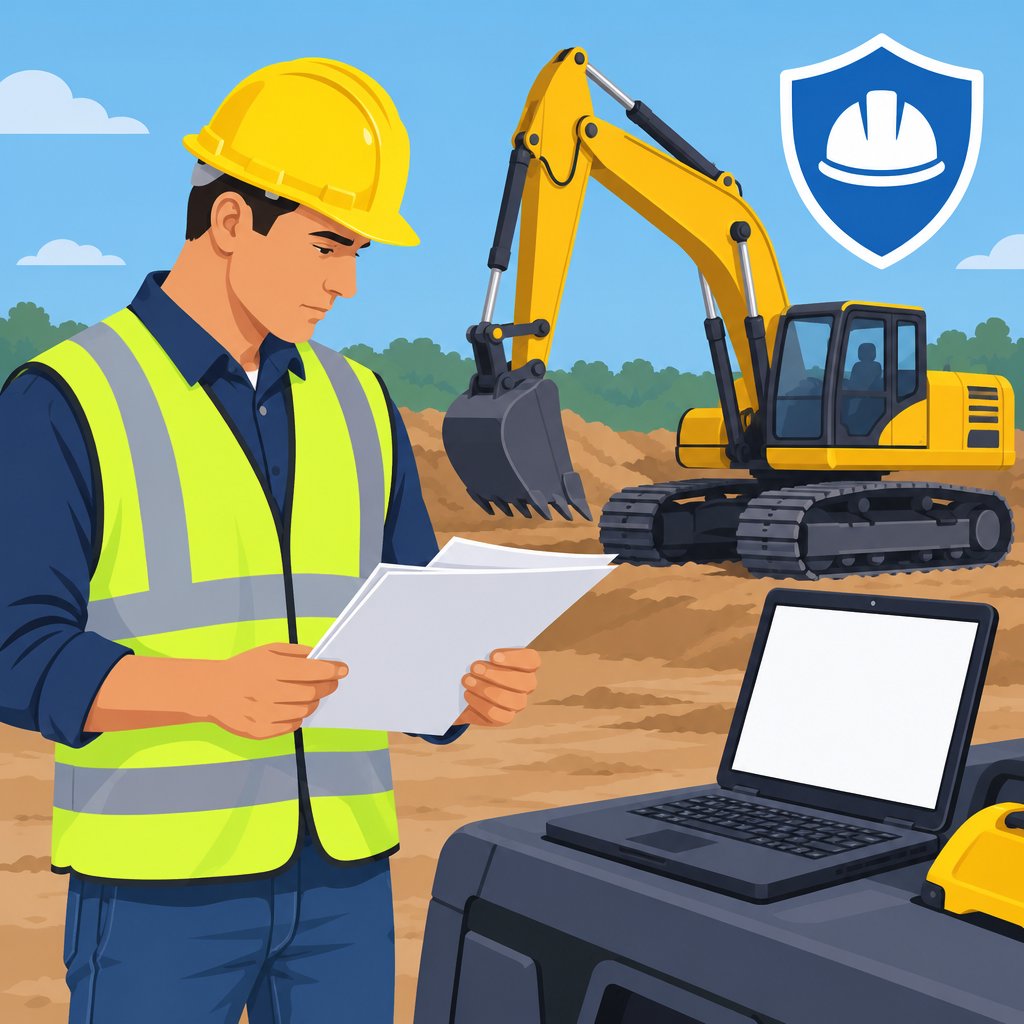
Reporting Accidents and Near Misses
Accident reports should identify the date, time, location, and cause.
Operators should also describe the circumstances surrounding each event.
Although near misses cause no harm, investigations can reveal hazards requiring attention.
Prompt reporting allows employers to review incidents and improve safety protocols.
Operators therefore help protect coworkers when they communicate concerns without delay.
Thorough Recordkeeping for OSHA Compliance
Thorough records help employers demonstrate compliance with OSHA regulations.
Employers should document accidents, near misses, training sessions, inspections, and maintenance activities.
These records show whether employers take appropriate precautions for employee well-being.
Moreover, inspectors may review records during an OSHA inspection.
Operators should record daily tasks and safety concerns during each shift.
Those details support later safety assessments and training programs.
Operator Contributions to Safer Workplaces
Prompt reporting and accurate records strengthen workplace safety efforts.
Operators give employers information needed to address hazards and improve procedures.
Consistent documentation also supports safer decisions during future work activities.
Penalties for Non-Compliance with OSHA Regulations
Failure to follow OSHA regulations can create serious consequences for equipment operators and their employers.
Operators can reduce legal and financial risks by following required procedures consistently.
Moreover, compliance supports safer decisions and protects workplace stability.
- Non-compliance increases the risk of workplace accidents and injuries.
- OSHA inspections may result in fines and penalties.
- Injured employees or their families may file lawsuits.
- Violations can damage a company’s reputation and credibility.
- Employees may lose trust and seek other employment.
Benefits of Understanding OSHA Penalties
Understanding potential penalties encourages operators to treat compliance as a daily responsibility.
It also helps companies protect employees while avoiding costly fines and penalties.
Furthermore, informed operators can support trust, reputation, and a consistent safety culture.
- Compliance protects employee safety and well-being.
- Following regulations helps companies avoid costly fines and penalties.
- Consistent compliance supports a positive industry reputation.
- Safe practices help build employee trust and loyalty.
- Clear expectations help create a culture of safety and compliance.
Operators should stay informed about OSHA regulations and updates to avoid potential penalties.
By prioritizing compliance, operators help create a safer workplace for everyone.
OSHA Compliance and Workplace Responsibility
- Equipment operators must understand and follow OSHA regulations during workplace activities.
- Following these standards protects operators and others from preventable workplace hazards.
- Key responsibilities include training, careful operation, maintenance, and clear hazard communication.
- Furthermore, OSHA compliance helps prevent accidents and supports a safer work environment.
- Compliance represents both a legal requirement and a moral responsibility toward workplace safety.


