




Construction Manager Quality Control Responsibilities
Construction managers ensure that all construction activities meet established quality standards.
Quality control protects safety, durability, and regulatory compliance throughout construction projects.
They oversee quality measures, conduct inspections, and resolve problems promptly.
Additionally, they collaborate with contractors, subcontractors, and inspectors throughout the project.
They implement quality processes and procedures to prevent defects and support project success.
Construction managers document quality procedures and communicate them to every project stakeholder.
They also train and support the construction team to maintain high standards.
Regular audits and monitoring help them identify and address quality issues quickly.
Furthermore, strong quality control helps construction managers protect their company’s reputation and credibility.
Through these responsibilities, construction managers support successful project completion.
Construction Manager Project Coordination
A construction manager plans, coordinates, and oversees construction projects.
They manage the budget, schedule, and resources throughout each project.
They oversee construction activities from the beginning through completion.
They also help projects meet schedules, budgets, and required quality standards.
Quality Monitoring During Construction
Quality control involves monitoring and evaluating construction activities against required standards.
Construction managers implement measures that address issues during construction.
They coordinate with contractors, subcontractors, and suppliers throughout the process.
This coordination helps project participants align their work with established expectations.
Communication and Leadership in Quality Management
Effective communication helps construction managers apply quality measures correctly.
They communicate expectations, requirements, and feedback to project stakeholders.
Strong leadership helps managers motivate teams during construction activities.
Leaders who inspire their teams strengthen quality performance across the project.
These abilities support successful project completion and consistent construction quality.
Planning for Quality Control
Quality control planning helps construction projects meet required standards and specifications.
It also reduces errors, limits defects, and supports compliance with applicable regulations.
Furthermore, effective planning improves customer satisfaction and helps prevent delays, cost overruns, and poor outcomes.
Developing Quality Control Plans
A construction manager begins by identifying the quality requirements established by clients, regulators, and industry practices.
Next, the manager defines processes, procedures, and metrics for measuring project quality.
The plan also assigns quality responsibilities, establishes communication channels, and schedules regular monitoring and reporting.
Consequently, the project team can track progress and address quality issues promptly.
Quality Control Strategies
Construction managers apply several strategies to maintain quality throughout project activities.
These strategies combine inspections, testing, documentation, training, and continuous improvement.
Together, they provide structured methods for identifying problems and improving project results.
- Regular inspections identify defects, errors, and deviations from established quality standards.
- Material testing confirms that construction materials and components meet required specifications before installation.
- Document control preserves quality procedures, specifications, test results, and related records for traceability.
- Training helps project personnel understand quality processes, standards, and expectations.
- Continuous improvement uses performance data and corrective actions to strengthen quality control processes.
Discover More: Assembler Work Schedules: What to Expect
Implementing Quality Control Measures
- Construction managers implement quality control measures throughout the construction site.
- First, they establish clear standards and specifications for every construction activity.
- They also train workers to understand and follow the required quality procedures.
- Additionally, managers create quality control plans that define tasks, responsibilities, and procedures.
Monitoring and Evaluating Quality Control Activities
- Construction managers oversee quality control activities throughout the construction process.
- Regular inspections verify compliance with established standards and specifications.
- Meanwhile, managers evaluate subcontractor and supplier performance against quality requirements.
- They document each activity to track progress and identify opportunities for improvement.
Tools and Techniques for Quality Control
- Construction managers use various tools and techniques to support quality control on site.
- For example, checklists identify quality requirements and standards for each construction phase.
- Quality control software helps managers track and manage processes efficiently.
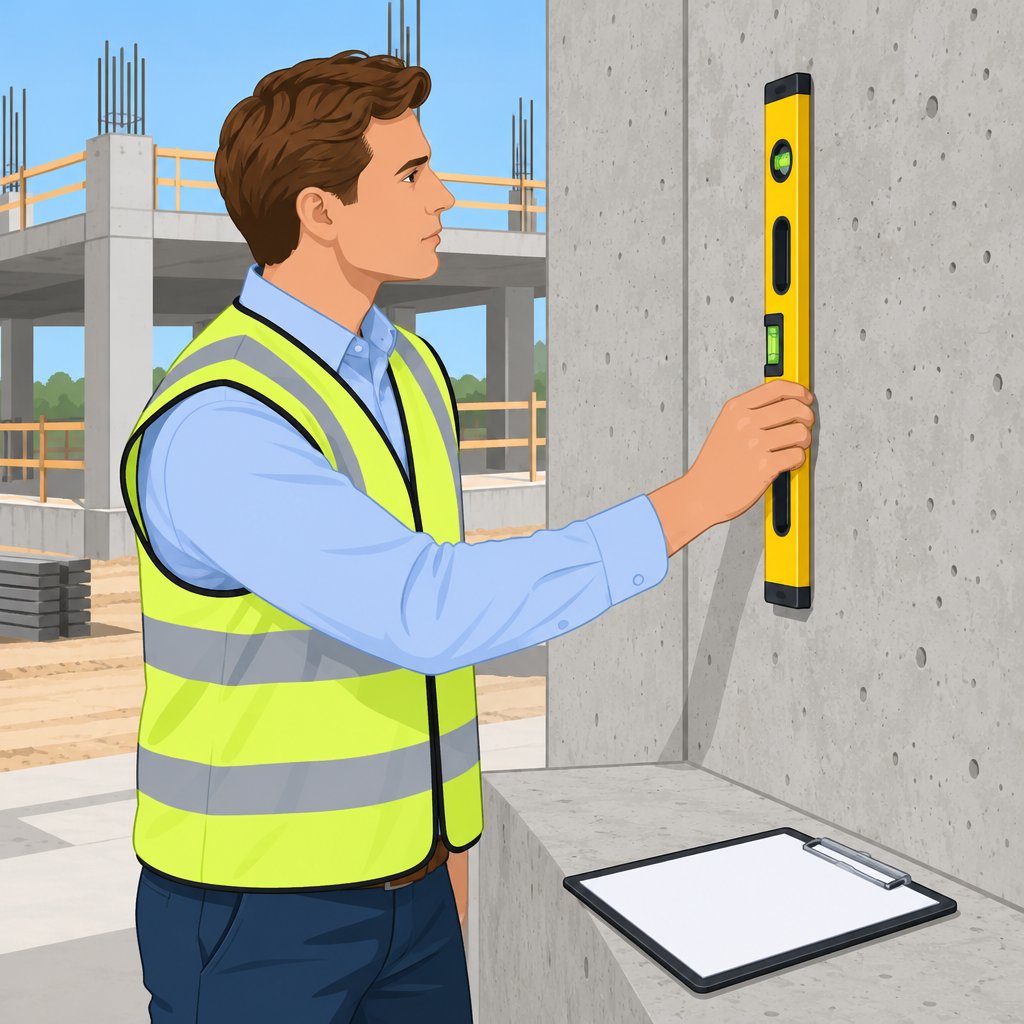
- Finally, thermometers, levels, and sensors help verify compliance with quality standards.
Learn More: The Financial Rewards of a Mining Career
Training and Development
Training and development support effective quality control throughout construction projects.
Construction managers provide project teams with guidance on quality control expectations.
Moreover, continuous learning helps professionals strengthen quality control practices over time.
- Training supports quality control in construction projects.
- Construction managers provide quality control training to project teams.
- Continuous improvement strengthens construction quality control practices.
Training on Quality Control Standards
Training programs equip construction professionals with knowledge and skills for maintaining quality control measures.
Construction managers explain established quality control protocols during structured training sessions.
Transform Your Career Today
Unlock a personalized career strategy that drives real results. Get tailored advice and a roadmap designed just for you.
Start NowThese sessions help project teams understand how quality control supports timely and cost-conscious project delivery.
Continuous Learning and Improvement
Continuous learning encourages project teams to maintain consistent quality standards.
Regular training also helps construction professionals remain aware of industry trends and accepted practices.
As a result, organizations can encourage accountability, innovation, and excellence within their construction projects.
- Training empowers teams to deliver work that meets client expectations.
- Ongoing development helps professionals apply current industry practices.
- Quality-focused learning can support efficiency and productivity on construction projects.
Delve into the Subject: The Role of Innovation in Construction Management
Stakeholder Collaboration in Quality Control
- Stakeholder collaboration supports successful quality control in construction projects.
- Construction managers work closely with subcontractors to maintain required quality standards.
- Managers work with suppliers to source quality materials for construction activities.
- Client feedback helps ensure that the final product meets expectations.
- Regular communication helps stakeholders identify and address quality issues early.
Benefits of Shared Quality Responsibilities
- Collaboration keeps everyone aligned with the project’s quality standards.
- It promotes teamwork and shared responsibility for project success.
- Stakeholders combine their expertise to overcome quality control challenges.
- Collaboration builds trust and strengthens relationships among project team members.
- It creates a more efficient and effective quality control process.
Coordination with Subcontractors, Suppliers, and Clients
- Construction managers set clear quality expectations for subcontractors from the beginning.
- Regular site visits and inspections help managers monitor subcontractor workmanship.
- Feedback loops help teams address subcontractor quality issues promptly.
- Close supplier coordination supports timely delivery of quality materials.
- Quality control begins during procurement through rigorous supplier selection.
- Client input during design aligns quality expectations with the final product.
Examples of Effective Stakeholder Partnerships
- A reputable subcontractor partnership improved workmanship quality on a project.
- A reliable supplier partnership maintained consistent material quality throughout the project.
- Client participation in progress meetings supported successful quality control outcomes.
- Subcontractor participation in quality discussions encouraged proactive onsite problem-solving.
- Transparent stakeholder collaboration built trust and enhanced project quality.
Explore Further: The Benefits of Using Low-VOC Paints in Your Home
Monitoring and Reporting
Construction managers monitor quality control measures throughout construction projects.
They compare completed work with project requirements and identify quality concerns promptly.
They also document progress and communicate quality information to relevant stakeholders.
Monitoring Quality Control Measures
Construction managers regularly inspect work sites to evaluate the quality of completed activities.
They review project specifications to confirm that materials and workmanship meet required standards.
Furthermore, they address deviations from approved plans through project team discussions.
- Construction managers inspect work sites and assess the quality of ongoing activities.
- They review specifications to verify that materials and workmanship meet required standards.
- They identify deviations from project plans and address them promptly.
- Regular meetings help project teams discuss quality concerns and determine necessary actions.
Tracking and Reporting Quality Progress
Construction managers maintain detailed records of inspections, observations, and quality findings.
They monitor identified issues until project teams correct them.
Regular reports show stakeholders how quality control activities are progressing.
- Construction managers record inspection results and quality control findings.
- They track corrective actions to confirm that teams resolve identified issues.
- They compile regular quality control progress reports for stakeholders.
- They communicate quality progress with clients and regulatory agencies.
Data Analysis and Reporting Tools
Construction managers analyze quality control data to recognize trends and recurring patterns.
Reporting tools organize quality metrics into customized reports for project review.
These insights help managers improve processes and make informed quality decisions.
- Data analysis tools help construction managers identify trends in quality control information.
- Reporting tools generate customized reports for monitoring quality control metrics.
- Managers use analyzed data to identify opportunities for process improvement.
- Data tools support informed decisions that enhance project quality.
Through consistent monitoring and reporting, construction managers keep quality activities visible and responsive.
They use documented findings and analyzed data to support timely improvements.
This approach helps construction projects meet their required quality standards.
Inspection and Material Standards
Quality control remains essential for successful construction projects.
Construction managers conduct regular inspections throughout the construction process.
These inspections help them identify potential issues before those issues become costly problems.
They also verify that construction materials meet industry standards and project specifications.
Furthermore, managers use their knowledge of construction techniques to evaluate completed work carefully.
By addressing concerns promptly, they help reduce rework and protect the project timeline.
Communication and Project Quality
Construction managers communicate quality expectations clearly to everyone involved in the work.
They coordinate with subcontractors when inspections reveal quality concerns.
Moreover, clear communication helps teams understand required standards and respond quickly to identified issues.
Managers maintain close attention to detail while overseeing construction activities.
As a result, quality control supports projects that satisfy client expectations.
Strong quality practices also help protect the project’s success and reputation.
Therefore, project teams should prioritize quality control practices throughout the construction process.
Additional Resources
Bing search results for Construction Manager's Role in Quality Control Construction and Manual Labor


