




Broadcast Technicians in Media Production
Broadcast technicians play a crucial role in the media industry.
These professionals manage equipment used for television and radio broadcasts.
Their responsibilities include installing, maintaining, and operating various technologies.
As a result, they ensure high-quality audio and visual output.
They also troubleshoot and resolve technical issues quickly.
Collaboration with Media Teams
Successful media production depends on effective collaboration.
Broadcast technicians work closely with producers, directors, and reporters.
This teamwork aligns technical requirements with creative visions.
Moreover, clear communication between teams improves the final product.
When creativity combines with technical expertise, broadcasts become more engaging.
Technical Coordination During Productions
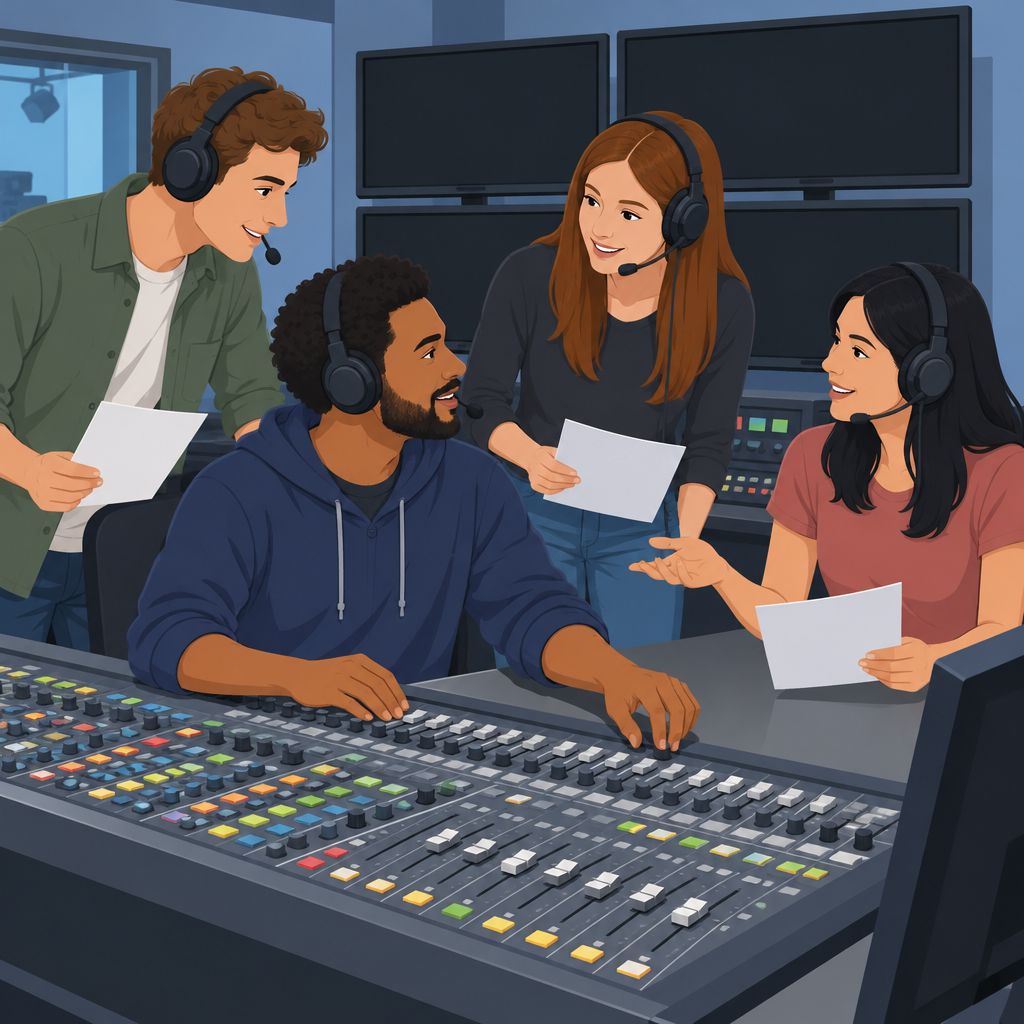
During productions, broadcast technicians integrate smoothly into media teams.
Before production begins, they participate in meetings about project needs.
This preparation clarifies the technical requirements for each production.
At live events, technicians monitor equipment and adjust settings in real time.
They ensure that every technical element functions properly.
Technicians also consult media professionals about specific production requirements.
During rehearsals, teams test equipment and troubleshoot potential issues.
Broadcast technicians help adjust lighting and sound for optimal performance.
After broadcasts, technicians provide media teams with performance feedback.
This insight helps teams refine future productions.
Strong professional relationships also improve workflow efficiency.
Through combined efforts, technicians support seamless execution while media teams focus on storytelling.
Together, they create compelling content that entertains and informs the public.
Broadcast technicians help media teams deliver reliable audio and video content.
Their technical skills support successful radio and television productions.
Understanding the Broadcast Technician Role
Broadcast technicians manage the technical aspects of radio and television production.
They prepare equipment, resolve problems, and support smooth live broadcasts.
Additionally, they coordinate sound, lighting, and video systems during media presentations.
These professionals work closely with producers, directors, editors, and other media specialists.
Their teamwork strengthens the viewer experience and protects the broadcast’s technical quality.
Responsibilities Within a Media Team
Broadcast technicians perform different duties according to each project’s needs and team structure.
Their core responsibilities include the following technical activities.
- Equipment Setup: Technicians prepare and arrange equipment for broadcasts.
- Audio and Video Monitoring: They check sound and picture quality throughout each broadcast.
- Technical Troubleshooting: Technicians diagnose and resolve problems quickly when they occur.
- Equipment Maintenance: They service and maintain broadcasting equipment regularly.
- Team Collaboration: They develop and apply technical solutions with other media professionals.
- Transmission Operations: Technicians help maintain smooth and uninterrupted signal transmission.
- Standards Compliance: They ensure broadcasts follow applicable industry standards and regulations.
- Technology Upgrades: Technicians evaluate new technology and integrate useful improvements into their work.
Each duty supports the technical success of a media project.
A capable technical team provides essential support throughout production.
Skills and Qualifications for Broadcast Technicians
Broadcast technicians need practical knowledge and dependable professional skills.
They also benefit from education, hands-on training, and experience with broadcasting equipment.
- Technical Knowledge: Technicians need strong knowledge of audio, video, and transmission equipment.
- Problem-Solving Skills: They must resolve technical issues efficiently as they arise.
- Attention to Detail: Technicians must notice small issues that could affect production quality.
- Teamwork: They collaborate effectively with other members of the media team.
- Communication Skills: Technicians explain technical information clearly to colleagues.
- Adaptability: They adjust their methods as media technology changes.
- Education: Employers often seek a bachelor’s degree or specialized broadcast technology training.
- Experience: Hands-on equipment experience increases a technician’s professional value.
These competencies help technicians perform confidently in demanding production environments.
Technical Expertise and Attention to Detail
Technical expertise allows broadcast technicians to manage complex systems that transmit sound and video.
A malfunction can interrupt the viewing experience and reduce audience engagement.
Therefore, technicians inspect equipment carefully before each broadcast begins.
Transform Your Career Today
Unlock a personalized career strategy that drives real results. Get tailored advice and a roadmap designed just for you.
Start NowThey also recognize small problems before those issues affect the wider production.
For example, an overlooked cable connection can cause audio failure during a live broadcast.
Moreover, technical knowledge helps technicians understand emerging broadcast technologies.
They can then recommend improvements that support changing viewer preferences.
Within a team, technicians often provide dependable solutions when technical problems arise.
Their troubleshooting skills build confidence and allow creative teams to work more freely.
The Continuing Value of Broadcast Technicians
Broadcast technicians combine technical ability, teamwork, and careful preparation.
These qualities help media teams deliver stories with clarity and professionalism.
As broadcasting technology evolves, skilled technicians will remain important to successful media production.
Education, training, and practical experience can prepare future technicians for this changing field.
Broadcast technicians help media teams execute successful productions.
They collaborate closely with producers and directors to meet technical requirements.
Additionally, their expertise improves broadcast visuals and audio for audiences.
Collaborating with Producers
Producers oversee production processes, manage budgets, coordinate schedules, and guide each show’s objectives.
Therefore, technicians must understand production goals before preparing technical solutions.
Clear collaboration helps both professionals maintain an efficient workflow.
- Understanding Technical Requirements: Technicians study each producer’s vision and expectations carefully.
- Implementing Equipment Needs: Technicians source and prepare requested equipment before production begins.
- Assisting with Planning: Technicians explain equipment capabilities during planning discussions.
- Providing Feedback: Technicians identify technical limitations and offer timely feedback during production.
Moreover, strong relationships help technicians and producers streamline production tasks.
Communicating with Directors
Directors shape the visual and audio direction of each broadcast.
Technicians translate that creative vision into practical technical execution.
Regular communication allows both professionals to address opportunities and constraints early.
- Regular Briefings: Technicians attend pre-production meetings to align with the broadcast vision.
- Listening Actively: Careful listening helps technicians understand directors’ ideas accurately.
- Simplifying Technical Language: Technicians explain complex terms using clear, accessible language.
- Visual Demonstrations: Technicians use visual aids to clarify setups and proposed changes.
Consequently, effective communication creates a more collaborative production environment.
Adapting to Last-Minute Changes
Live broadcasts can introduce unexpected challenges at any moment.
Technicians respond by adjusting equipment and priorities without losing focus.
Their composure supports directors and helps maintain audience engagement.
- Staying Flexible: Technicians modify setups quickly when new instructions arrive.
- Prioritizing Solutions: Technicians address the most critical problems first.
- Maintaining Calm: Technicians demonstrate professionalism during emergencies by remaining composed.
- Utilizing Backup Equipment: Technicians replace failing devices quickly to minimize disruptions.
As a result, adaptability becomes essential during unpredictable production moments.
Troubleshooting During Live Broadcasts
Real-time troubleshooting represents one of the technician’s most important responsibilities.
Live broadcasts give technicians little opportunity to correct mistakes later.
They must diagnose problems quickly and apply effective solutions.
- Audio Problems: Technicians adjust levels or replace faulty microphones when static or feedback occurs.
- Video Quality Issues: Technicians check cables and connections when images flicker or appear blurry.
- Connectivity Issues: Technicians locate signal failures and restore connections quickly.
- Lighting Problems: Technicians adjust lighting setups to improve visual output.
Sound judgment and quick reflexes help technicians protect live production quality.
The Evolving Role of Broadcast Technicians
Broadcast technicians connect technical requirements with creative direction.
Their communication, flexibility, and troubleshooting skills support seamless broadcasts.
As technology progresses, their contributions remain central to successful media productions.
Discover More: How to Create a Standout Event Planning Website
Broadcast technicians connect many technical teams during media production.
Their coordination supports dependable audio and visual delivery.
Moreover, they respond quickly when live conditions change.
This section examines their teamwork, communication, and equipment responsibilities.
Coordination with Camera Operators and Sound Engineers
Broadcast technicians coordinate closely with camera operators and sound engineers.
Each specialist contributes different skills to the production process.
Clear coordination helps these teams deliver consistent broadcast results.
Transform Your Career Today
Unlock a personalized career strategy that drives real results. Get tailored advice and a roadmap designed just for you.
Start Now- Understanding Roles: Camera operators capture images, while sound engineers manage audio signals.
- Regular Meetings: Frequent meetings help teams discuss plans, changes, and technical concerns.
- Pre-Production Coordination: Technicians help select cameras, microphones, and other necessary equipment.
- Real-Time Adjustments: Technicians modify equipment settings after receiving feedback during broadcasts.
Communication Across Broadcast Teams
Broadcast environments require precise communication between every participating team.
Misunderstood instructions can create technical problems or missed cues.
Therefore, technicians help establish communication practices that support timely decisions.
- Establishing Clear Channels: Technicians organize headsets, intercoms, and chat applications for team communication.
- Utilizing Visual Aids: Diagrams and charts clarify camera positions, angles, and sound levels.
- Encouraging Open Dialogue: Open discussion allows team members to share concerns and suggestions.
- Conducting Rehearsals: Rehearsals help participants practice cues and communication procedures before broadcasts.
Equipment Setup and Quality Monitoring
Technicians prepare broadcast equipment to capture clear visuals and balanced audio.
They follow careful procedures before production begins.
During broadcasts, they monitor feeds and correct issues without delay.
- Selecting Equipment: Technicians choose cameras, microphones, and mixing consoles for each production.
- Setup Procedures: They connect cables, check power sources, and position cameras carefully.
- Routine Checks: Technicians test audio levels, camera focus, and equipment performance beforehand.
- Live Monitoring: They watch audio and visual feeds while adjusting levels when necessary.
Collaborative Shot Composition and Sound Mixing
Shot composition and sound mixing strengthen the storytelling quality of broadcasts.
Technicians collaborate with camera operators and sound engineers throughout production.
This cooperation helps align creative choices with technical requirements.
- Discussing Creative Vision: Team members exchange ideas about framing, angles, and sound design.
- Shaping Visual Composition: Technicians assist camera operators with framing and camera angles.
- Supporting Sound Mixing: Technicians communicate with sound engineers about suitable audio levels.
- Adapting During Broadcasts: Teams adjust their approach when live feedback reveals unexpected changes.
Strong collaboration allows broadcast technicians to support reliable media production.
They connect visual, audio, and communication processes throughout each production.
Their adaptability helps teams maintain quality when broadcast conditions change.
Learn More: Legal Considerations for TV Producers
Post-Production Collaboration for Broadcast Technicians
Broadcast technicians connect creative plans with dependable technical execution.
They work with post-production teams to transform raw recordings into polished broadcasts.
Clear coordination helps every team member understand the project’s requirements and creative direction.
Regular communication also helps technicians identify constraints before production materials reach editors.
Effective Integration with Post-Production Teams
Technicians begin collaboration by discussing project requirements with producers, directors, and post-production staff.
They clarify responsibilities so each team member understands their role.
Furthermore, early discussions establish deadlines, deliverables, and communication methods.
- Regular meetings keep all participants aligned throughout production.
- Clear roles prevent duplicated work and missed responsibilities.
- Early expectations clarify deadlines and required deliverables.
- Collaboration platforms support file sharing and feedback.
These practices create a reliable foundation for efficient post-production work.
Organizing Raw Footage and Audio Recordings
Broadcast technicians prepare raw footage and audio recordings for the editing team.
They organize materials carefully so editors can locate and match files quickly.
Additionally, consistent file preparation reduces confusion during later editing stages.
- Descriptive filenames help editors locate footage efficiently.
- Matched audio files correspond with their video recordings.
- Compatible formats support smooth editing workflows.
- Backup copies protect important production materials.
Careful preparation allows editors to focus on storytelling instead of locating missing materials.
Supporting Edits and Revisions
Technicians continue supporting the project after delivering footage and audio.
They review early edits and identify issues involving technical requirements.
Moreover, their feedback helps editors refine the broadcast without losing the intended direction.
- Initial reviews reveal problems with technical specifications.
- Technical suggestions can improve transitions, color, and audio balance.
- Open communication keeps everyone informed about editing changes.
- Revision records preserve an accurate history of project adjustments.
This cooperative approach helps the finished broadcast reflect both creative goals and technical standards.
Verifying Broadcast Technical Specifications
Technicians verify technical specifications before the completed content reaches its audience.
They check each format against the requirements of its intended broadcast platform.
Consequently, careful verification helps content play correctly across supported platforms.
- Resolution must match the applicable broadcasting standard.
- Audio and video bitrates must meet required levels.
- Compression methods should preserve the intended quality.
- Aspect ratios must match the planned presentation format.
Technical oversight protects the broadcast’s consistency and professional presentation.
Building Reliable Post-Production Workflows
Strong collaboration connects communication, file preparation, editing support, and technical verification.
Each activity helps the post-production team move efficiently from raw materials to completed content.
Through shared responsibility, technicians and editors protect the quality of the final broadcast.
Their combined efforts help bring media stories to audiences in clear and engaging forms.
You Might Also Like: Career Growth Opportunities for Videographers
Media production depends on effective collaboration among broadcast professionals.
Broadcast technicians support smooth technical operations while working with producers, directors, and other media team members.
Transform Your Career Today
Unlock a personalized career strategy that drives real results. Get tailored advice and a roadmap designed just for you.
Start NowTheir active participation strengthens communication, problem solving, and preparation throughout each broadcast.
Participation in Team Meetings
Team meetings give broadcast professionals a structured space for sharing information and coordinating upcoming work.
Technicians use these discussions to clarify responsibilities, deadlines, and technical requirements.
Consequently, clear communication helps each team member remain accountable during production.
- Clarifying Roles and Responsibilities: Technicians confirm their duties and deadlines during each meeting.
- Setting Goals: Team members establish specific objectives for upcoming broadcasts.
- Sharing Updates: Technicians report equipment conditions and unresolved technical issues.
- Facilitating Problem Solving: The team discusses challenges and develops practical responses together.
In addition, detailed discussions help technicians build stronger working relationships with their colleagues.
These conversations encourage creative cooperation and improve the team’s production capabilities.
Post-Broadcast Debriefs
Debriefs allow broadcast technicians and media teams to evaluate each broadcast after completion.
During these sessions, participants examine performance, identify difficulties, and consider practical adjustments.
This process turns individual experiences into shared knowledge for future productions.
- Reflecting on Challenges: Technicians describe difficulties that affected the broadcast.
- Recognizing Successes: The team identifies successful technical and production elements.
- Collecting Feedback: Technicians request opinions about the broadcast’s technical performance.
- Documenting Lessons Learned: Participants record useful insights for future projects.
Moreover, debriefs establish a culture of continuous improvement across the media team.
Technicians contribute directly to the team’s ongoing learning and development.
Discussion of Technical Challenges and Successes
Effective collaboration continues through regular discussions about technical challenges and successful solutions.
Technicians help the team recognize recurring problems and understand how previous responses addressed them.
Open communication also encourages trust and supports better decisions during future broadcasts.
- Identifying Technical Challenges: Technicians highlight recurring issues that require team attention.
- Sharing Solutions: They explain methods that resolved earlier technical problems.
- Communicating Success Stories: Technicians describe situations where technical execution exceeded expectations.
- Encouraging Open Dialogue: Team members discuss difficulties honestly and respectfully.
As a result, shared experiences help the team refine its working processes.
Technicians’ insights support continuous progress and strengthen the final production.
Feedback on Technical Performance
Broadcast technicians provide essential feedback about the technical elements of each production.
Their observations help media teams improve equipment use, broadcast quality, and operational workflows.
When technicians communicate feedback clearly, teams can address weaknesses before future broadcasts.
- Equipment Audits: Technicians inspect equipment before and after each broadcast.
- Evaluating Broadcast Quality: They assess audio, video, and transmission performance.
- Suggesting Improvements: Technicians recommend useful technologies and workflow changes.
- Encouraging Team Feedback: They invite colleagues to share their own observations.
Furthermore, constructive feedback can strengthen relationships throughout the media team.
A consistent feedback process encourages innovation and supports technical excellence.
Planning Future Broadcasts
Future broadcast planning requires technicians to apply lessons from previous productions.
They work with the wider team to coordinate equipment, personnel, schedules, and rehearsals.
Careful preparation reduces last-minute pressure and improves confidence before the broadcast begins.
- Anticipating Equipment Needs: Technicians review previous equipment use before planning the next broadcast.
- Allocating Resources: The team identifies the personnel and technology required for production.
- Developing Timelines: Technicians help create realistic schedules for production tasks.
- Conducting Rehearsals: The team practices procedures and resolves technical issues before broadcasting.
Through this preparation, technicians help the team approach each broadcast with greater readiness.
Their planning supports reliable operations and creates opportunities for more effective productions.
Collaboration That Strengthens Broadcast Production
Broadcast technicians contribute to media teams through meetings, debriefs, feedback, and forward planning.
They discuss challenges openly, recognize successful work, and help colleagues improve technical processes.
Through these collaborative activities, technicians support seamless and high-quality broadcasting experiences.
Discover More: Key Skills Every Successful Film Producer Needs
Broadcasting changes quickly, so technicians must adapt to new technology and audience preferences.
Industry awareness helps technicians remain useful members of their teams.
Continuous learning also supports reliable decisions in a changing media environment.
Industry Trends Shaping Broadcast Technology
Technicians can anticipate workplace changes by monitoring developments across broadcasting.
Audience habits, regulations, and competitors also influence technical priorities.
Regular observation helps technicians prepare for changing operational demands.
- Emerging Technologies: Technicians can monitor 5G, virtual reality, and AI developments.
- Consumer Preferences: Technicians should track viewing habits, including the growth of on-demand streaming.
- Regulatory Changes: Technicians must follow broadcasting regulations to support compliance.
- Competitive Landscape: Technicians can study competitors to identify effective operational strategies.
New Technologies and Techniques in Broadcasting
Broadcasting technology advances rapidly, requiring technicians to update their knowledge regularly.
New tools can improve production quality, efficiency, and creative possibilities.
Technicians can remain relevant by practicing current methods and learning unfamiliar systems.
- Audio and Video Equipment: Technicians should review manuals and attend demonstrations for new equipment.
- Software Solutions: Learning editing and mixing software can increase efficiency and creativity.
- Remote Broadcasting: Technicians should understand cloud solutions and remote production tools.
- Live Streaming Technologies: Technicians must learn to configure and optimize live streaming systems.
Workshops and Training for Technical Growth
Continuous education gives technicians structured opportunities to strengthen their professional skills.
Transform Your Career Today
Unlock a personalized career strategy that drives real results. Get tailored advice and a roadmap designed just for you.
Start NowWorkshops combine practical learning with guidance from experienced industry professionals.
Training events can also connect technicians with peers and potential collaborators.
- Hands-On Experience: Workshops let attendees practice new tools and techniques directly.
- Networking Opportunities: Professional events create connections for future collaboration and employment.
- Expert Instruction: Industry experts can provide guidance that improves technical practices.
- Certification Opportunities: Certifications can demonstrate commitment and technical expertise.
Collaborative Innovation in Broadcast Teams
Collaboration helps broadcast teams develop practical ideas and creative technical strategies.
Open communication allows team members to share knowledge and address challenges together.
Organized collaboration also keeps projects aligned with shared production goals.
- Encourage Open Communication: Teams should create space for members to share ideas freely.
- Hold Brainstorming Sessions: Regular discussions can generate ideas from diverse team members.
- Utilize Project Management Tools: Shared tools can keep responsibilities and progress visible.
- Share Feedback: Constructive input can strengthen performance across the team.
Technicians strengthen their capabilities by following industry developments and practicing new skills.
They also support innovation when they collaborate openly with media teams.
These practices help technicians remain valuable contributors in a dynamic broadcasting environment.
Collaboration That Advances Broadcast Quality
Collaboration between broadcast technicians and media teams supports successful projects.
It helps each broadcast meet audience expectations consistently.
Technicians provide technical expertise, while media teams shape creative direction.
Together, they create conditions for high-quality production.
When these roles align, the finished content can resonate with viewers.
Broadcast technicians directly influence the quality of each broadcast.
They operate equipment, resolve issues, and maintain professional technical standards.
Consequently, their work supports clear broadcasts and positive viewer experiences.
Their contribution remains essential to dependable media production.
Aspiring technicians should prioritize collaboration with media teams.
Strong communication skills make teamwork more effective.
Furthermore, understanding each role encourages respect and cooperation.
Aspiring professionals can strengthen their abilities by working with creative colleagues.
Such collaboration broadens their understanding of production dynamics.
Effective collaboration strengthens the final product and supports career development.
As broadcast technology evolves, teamwork will become even more important.
Technicians who embrace cooperation can prepare for changing industry demands.
They can also contribute to innovative content that captures viewer interest.
This partnership fuels creativity, innovation, and high-quality broadcasts.
Strong working relationships support successful broadcasts and fulfilling careers.
Additional Resources
Bing search results for Broadcast Technician: Collaborating with Media Teams Media and Communication


