




The Role of Multimedia Journalism
Multimedia journalism combines traditional reporting with digital formats, including text, audio, video, and images.
It creates compelling stories for audiences across multiple platforms.
In today’s digital age, multimedia journalists provide rich and interactive content.
As the media landscape evolves, demand for skilled multimedia journalists continues to rise.
Technical Proficiency
Multimedia journalists must use various digital tools confidently.
Familiarity with content management systems supports efficient story publication.
Knowledge of video and audio editing software strengthens their storytelling capabilities.
Strong Writing Skills
Writing remains central to effective journalism.
Multimedia journalists must produce clear and concise articles.
They should adapt their style for formats such as blogs and scripts.
Furthermore, engaging narratives encourage audiences to explore stories more deeply.
Photography and Videography
Visual storytelling forms an important part of multimedia journalism.
Journalists should capture high-quality photographs and videos.
Understanding composition, lighting, and framing improves visual content.
Consequently, strong visuals add depth and context to journalistic stories.
Social Media Acumen
Social media can expand a journalist’s reach in the digital age.
Multimedia journalists must understand how different platforms operate.
They should share content strategically to engage audiences.
Additionally, attention-grabbing posts can attract viewers and drive traffic.
Critical Thinking and Adaptability
Multimedia journalists must evaluate information carefully and make quick decisions.
They often work under pressure in fast-paced environments.
Adaptability helps them respond to changing technologies and audience needs.
Through continuous learning, they can remain effective in the evolving digital media ecosystem.
Strong writing helps journalists tell clear stories across changing formats.
It captures attention while preserving accuracy and meaning.
This section presents practical skills for effective journalistic storytelling.
Engaging and Concise Content
Journalists need compelling language that communicates information clearly and keeps audiences interested.
They should also match their language and tone to the intended audience.
Storytelling techniques can make complex topics more relatable and memorable.
- Know Your Audience: Writers should understand their target demographic before choosing language and style.
- Craft Attention-Grabbing Headlines: Strong headlines attract readers and establish the piece’s direction.
- Use Active Voice: Active voice improves clarity and helps readers connect with the narrative.
- Be Concise: Simple language keeps content accessible and reduces unnecessary jargon.
- Incorporate Storytelling Elements: Anecdotes and narratives make topics more relatable and engaging.
AP Style and Grammar Proficiency
Grammar and style knowledge supports professional multimedia journalism.
The Associated Press style guide gives journalists a consistent approach to writing.
Accurate grammar and attribution help readers understand information and trust its presentation.
- Maintain Consistency: AP style creates familiarity through consistent spelling, punctuation, and capitalization.
- Use Punctuation Effectively: Correct punctuation preserves meaning and prevents confusion.
- Strengthen Grammar Skills: Regular review and practice can reduce errors and miscommunication.
- Understand Citation: Proper source attribution supports journalistic credibility.
- Prioritize Clarity and Brevity: Short, direct sentences help readers follow important ideas.
Storytelling Through Words
Effective storytelling gives journalism emotional depth beyond basic reporting.
Journalists can engage readers emotionally while still presenting important information accurately.
Careful pacing, vivid language, and authentic voices can strengthen a story’s impact.
- Develop a Strong Lead: The opening paragraph should present the main idea clearly and compellingly.
- Build Suspense and Interest: Strategic pacing encourages readers to continue through the narrative.
- Use Vivid Descriptions: Descriptive language helps readers imagine the reported scene.
- Incorporate Quotes: Direct quotes add authenticity and introduce human perspectives.
- Conclude with Impact: A strong ending reinforces key points and connects with the lead.
Adaptability Across Platforms
Multimedia journalists must adjust their writing for different formats and audience expectations.
Each platform requires thoughtful choices about structure, tone, length, and presentation.
Writers can strengthen stories by coordinating words with suitable visual and interactive elements.
- Understand Platform Nuances: Print, digital, and social platforms require different writing approaches.
- Incorporate Multimedia Elements: Images, videos, and infographics can complement written storytelling.
- Optimize Online Readability: Subheadings, bullet points, and short paragraphs support scanning.
- Engage with Social Media: Social content should combine creativity, relevance, and brevity.
- Use SEO Techniques: Strategic keywords can improve online visibility and attract readers.
Continuous Writing Development
Journalism continues to evolve, so writers must keep improving their skills.
Regular learning helps journalists respond thoughtfully to changing audience needs and industry practices.
Transform Your Career Today
Unlock a personalized career strategy that drives real results. Get tailored advice and a roadmap designed just for you.
Start NowFeedback, reading, training, and professional relationships can support steady progress.
- Seek Constructive Feedback: Editors and peers can identify opportunities for stronger writing.
- Read Widely: Diverse reading exposes journalists to different styles and techniques.
- Participate in Workshops: Courses and workshops provide structured opportunities for skill development.
- Stay Informed on Trends: Current knowledge helps journalists keep their approaches relevant.
- Network with Other Journalists: Professional relationships can encourage collaboration and inspiration.
By developing these abilities, journalists can create accurate stories that connect meaningfully with their audiences.
Video editing proficiency gives journalists a practical way to create engaging visual stories.
Because audiences increasingly expect visual content, journalists must develop strong editing skills.
These skills combine software knowledge, visual judgment, storytelling, collaboration, and continuous learning.
Essential Video Editing Software Skills
Journalists begin by learning professional editing software and its core functions.
Adobe Premiere Pro provides tools for editing, color correction, and audio mixing.
Meanwhile, Final Cut Pro offers Mac users an intuitive interface and advanced editing features.
Both programs help journalists organize media and shape footage efficiently.
- Import and organize media files effectively.
- Use timelines and sequences to structure video content.
- Apply transitions and effects that support storytelling.
- Export videos in formats suited to online platforms.
Additionally, keyboard shortcuts can increase editing speed and improve workflow consistency.
Producing Clear and Polished Video Content
Effective editing transforms raw footage into a focused and compelling story.
Editors must examine each take carefully before selecting footage for clarity and impact.
They also need to connect scenes smoothly so viewers can follow the narrative.
Furthermore, visual and audio adjustments help maintain quality throughout the finished video.
- Identify the strongest takes for clarity and impact.
- Add graphics, captions, and titles that support the narrative.
- Adjust audio levels for consistent sound quality.
- Use color grading to establish a specific mood or tone.
Regular practice helps journalists strengthen their attention to detail and editing judgment.
Applying Strong Shot Composition
Video editors need to understand how shot composition shapes audience attention.
Framing controls subject placement and influences how viewers interpret each image.
The rule of thirds creates balance by positioning subjects along imaginary gridlines.
Camera angles can communicate emotion, perspective, and changes in narrative emphasis.
Likewise, depth of field can isolate a subject or present a broader scene.
- Use framing to direct focus and encourage audience engagement.
- Apply the rule of thirds to create visual balance.
- Select camera angles that reinforce emotion and perspective.
- Choose shallow or deep focus according to the scene’s purpose.
Understanding these principles helps journalists select footage that strengthens the visual narrative.
Developing Narrative Structure Through Video
Video editing serves storytelling by connecting images, sound, and information.
A clear beginning, middle, and end gives viewers a structure they can follow.
Visuals and sound can establish context while also creating an emotional response.
Moreover, background music should support the mood without overpowering the content.
Voiceovers and interviews can provide additional depth and perspective.
Audience knowledge also guides decisions about pacing, style, and content focus.
- Establish a clear beginning, middle, and end.
- Combine visuals and sound to provide context.
- Select music that complements the intended mood.
- Use interviews or voiceovers to add perspective.
Researching audience preferences can help journalists make more purposeful editing choices.
Strengthening Collaborative Editing Practices
Although editing may seem solitary, journalists often work with videographers and producers.
Clear communication helps every team member pursue a shared creative direction.
Journalists should explain concepts clearly and respond constructively to feedback.
They must also coordinate deadlines and recognize each collaborator’s responsibilities.
- Convey concepts clearly and effectively.
- Receive and incorporate feedback constructively.
- Set and meet deadlines collaboratively.
- Understand team roles and use individual strengths.
Through collaboration, journalists can refine their work and explore new storytelling methods.
Keeping Pace with Video Editing Trends
The multimedia landscape changes quickly, so journalists must remain adaptable.
New tools and techniques can influence how journalists create and present video stories.
Following industry developments helps professionals respond to contemporary audience expectations.
- Follow influential video editors and filmmakers on social media.
- Participate in online courses or video editing workshops.
- Attend film festivals and industry events for practical insights.
- Join online forums or groups to exchange tips and receive feedback.
Consequently, continued learning can help journalists maintain relevant and effective editing practices.
Building Lasting Video Editing Proficiency
Video editing proficiency strengthens a journalist’s ability to communicate through compelling visual stories.
Software expertise, polished production, and thoughtful composition support that ability.
Storytelling, collaboration, and industry awareness further improve the editing process.
Transform Your Career Today
Unlock a personalized career strategy that drives real results. Get tailored advice and a roadmap designed just for you.
Start NowTherefore, journalists should continue practicing these skills as visual content demand grows.
Delve into the Subject: The Role of a Brand Manager in Product Launches
Social media now supports multimedia journalism by connecting stories with wider audiences.
Journalists must adapt to new technologies and understand how different platforms serve distinct audiences.
Understanding Major Social Media Platforms
Multimedia journalists need practical knowledge of several social media platforms.
Each platform offers distinct features, audiences, algorithms, and publishing practices.
Therefore, journalists can improve reach by matching content with each platform’s strengths.
- Facebook: Journalists can use pages, groups, and algorithm awareness to increase content visibility.
- Twitter: Journalists can share breaking news, engage followers, and join real-time conversations.
- Instagram: Journalists need photography and video editing skills for compelling visual stories.
- LinkedIn: Journalists can share industry insights and build professional authority.
- TikTok: Journalists must adapt stories to informal, short-form videos for younger audiences.
Creating Content for Specific Social Channels
Every social channel requires journalists to adjust content formats and presentation styles.
Meanwhile, platform-specific language and visuals help stories connect with intended audiences.
Careful formatting also improves discoverability, engagement, and audience response.
- Format: Journalists should follow each platform’s preferred image dimensions, resolution, and video length.
- Call to action: Clear prompts can encourage audiences to share, like, or comment.
- Language and tone: Journalists should choose formal, casual, or humorous language appropriately.
- Thematic visuals: High-quality visuals should match the platform’s storytelling style.
- Hashtags: Relevant hashtags can categorize content and improve discoverability.
Building Authentic Audience Engagement
Audience engagement helps multimedia journalists develop stronger online communities.
By responding thoughtfully, journalists can encourage continued interaction and audience loyalty.
In addition, direct participation allows journalists to understand audience preferences more clearly.
- Responding to comments: Prompt replies can support conversations and strengthen audience retention.
- Asking questions: Questions invite followers to share opinions and experiences.
- Polling and feedback: Polls can involve audiences and reveal their preferences.
- Live sessions: Live questions and answers create opportunities for real-time interaction.
- Storytelling: Personal experiences can humanize journalists and encourage audience connection.
Increasing Traffic to Multimedia Work
Social media can direct audiences toward a journalist’s broader multimedia work.
Strategic promotion helps journalists expand viewership and strengthen their information sources.
Analytics also helps journalists identify when audiences engage most actively.
- Cross-promoting content: Journalists can share multimedia links across multiple social platforms.
- Using analytics: Audience data can reveal effective posting times and behaviors.
- Collaborating with influencers: Established audiences can provide additional traffic sources.
- Creating shareable content: Infographics and entertaining videos can encourage wider distribution.
- Promoting exclusives: Exclusive multimedia announcements can encourage immediate site visits.
Applying Social Media Skills in Journalism
Social media skills help multimedia journalists navigate the digital publishing environment.
Platform knowledge, tailored content, and audience engagement can support stronger journalistic visibility.
Ultimately, social media gives journalists flexible tools for sharing informative and dynamic stories.
Uncover the Details: Challenges Faced by Crisis Communications Specialists
In digital media, multimedia journalists need strong photography skills.
High-quality images strengthen articles and social media posts.
They attract attention and communicate important information quickly.
Moreover, photographs help journalists tell stories with clarity and emotion.
The following skills support effective visual reporting.
Capturing High-Quality Images
High-quality images improve the reader’s experience and strengthen visual storytelling.
Journalists should understand their equipment before covering different assignments.
Whether they use cameras or smartphones, journalists should practice available functions.
- Choose suitable equipment for each assignment.
- Understand ISO, aperture, and shutter speed settings.
- Shoot in RAW format for greater editing flexibility.
- Learn and apply basic photographic techniques.
- Practice photography in varied conditions.
Additionally, regular practice helps journalists respond confidently during news events.
It also helps them create dynamic images for human-interest stories.
Using Composition to Strengthen Visual Messages
Composition guides the viewer’s eye through each photograph.
It also emphasizes the image’s most important elements.
Therefore, journalists should use established techniques to create purposeful visuals.
- Use the rule of thirds to position important subjects.
- Apply leading lines to direct the viewer’s attention.
- Use surrounding elements to frame the subject.
- Use symmetry and patterns to create visual balance.
- Control depth of field to emphasize the main subject.
These methods make photographs more engaging and easier to interpret.
They can also help images express emotions, ideas, and narrative details.
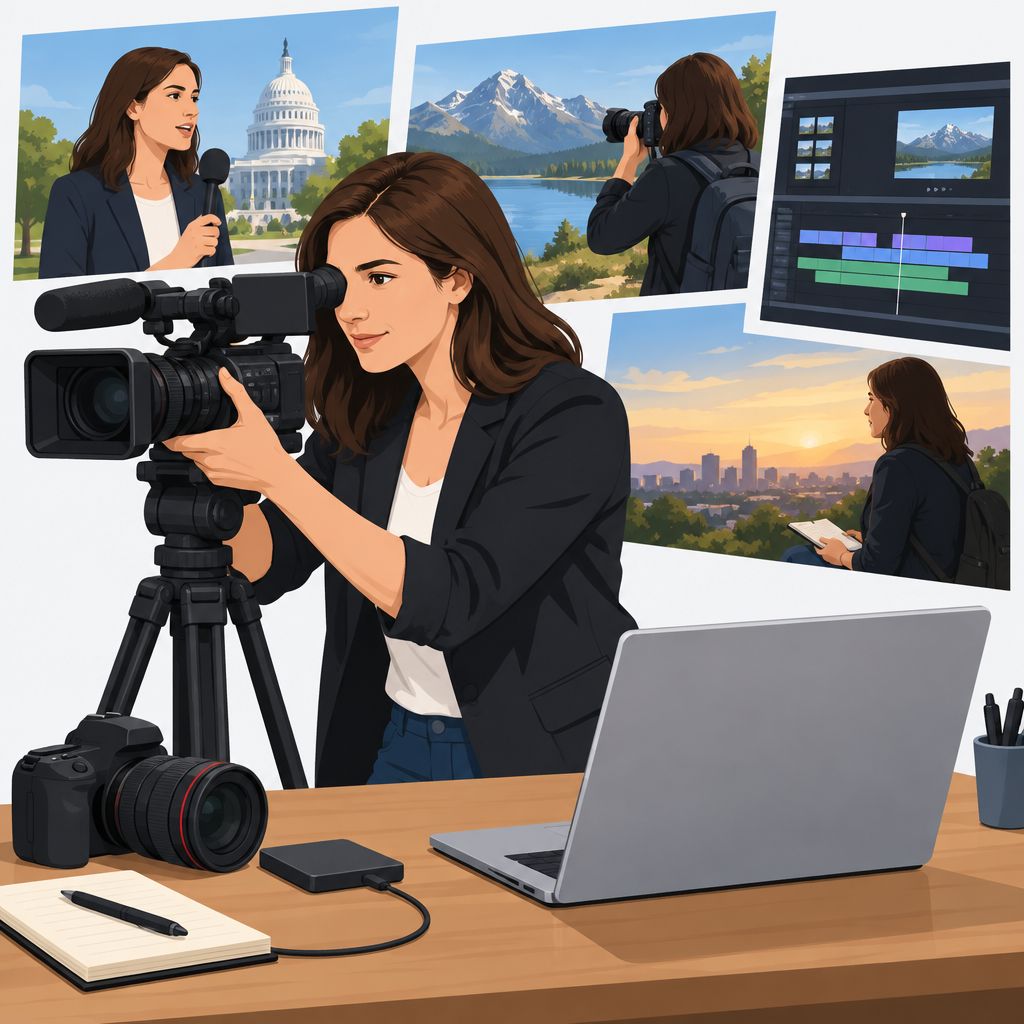
Managing Natural and Artificial Light
Lighting strongly influences a photograph’s quality and emotional effect.
Journalists must assess available light before choosing their shooting approach.
They can use natural and artificial sources to improve visibility and mood.
- Use natural light during golden hours for softer results.
- Use shadows strategically to create dramatic effects.
- Experiment with flash or continuous lighting when necessary.
- Adjust white balance to produce accurate colors.
- Consider light direction and its effect on visibility.
Furthermore, effective lighting adds depth and character to photographs.
Careful light management allows journalists to present subjects more clearly.
Transform Your Career Today
Unlock a personalized career strategy that drives real results. Get tailored advice and a roadmap designed just for you.
Start NowEditing Images Without Losing Authenticity
Editing can strengthen an image after the journalist captures it.
Journalists should learn editing software such as Adobe Lightroom and Photoshop.
They must improve photographs while preserving truthful visual information.
- Crop and straighten images to improve composition.
- Adjust exposure to achieve suitable brightness.
- Enhance colors without making them appear unrealistic.
- Add contrast to separate subjects from backgrounds.
- Apply filters carefully and preserve authenticity.
Consequently, thoughtful editing can turn a good photograph into an excellent one.
However, excessive editing can distort images and mislead audiences.
Building Stories Through Photographs
Photographs can communicate complex narratives within a single frame.
Each image can capture a moment, feeling, or important truth.
Journalists should make deliberate choices that help audiences understand visual stories.
- Focus on emotions through candid expressions.
- Include relevant background elements for context.
- Use photograph sequences to develop complete stories.
- Interview subjects to understand their experiences.
- Remain present to capture genuine moments.
In addition, strong visual storytelling can deepen the audience’s connection with a subject.
Powerful images may continue to influence viewers after they finish viewing them.
Applying Photography Skills in Multimedia Journalism
Photography skills help multimedia journalists create stronger visual reports.
Equipment knowledge, composition, lighting, and editing provide a reliable foundation.
Visual storytelling skills also help journalists engage audiences across digital formats.
By developing these abilities, journalists can communicate information more effectively.
These competencies remain essential for meaningful multimedia journalism.
Uncover the Details: Building a Strong Portfolio as a Film Director
Multimedia journalism uses diverse storytelling methods, and audio production remains an essential part of that work.
Journalists need practical audio skills to create compelling narratives that resonate with audiences.
Audio Recording Equipment and Software
Understanding recording equipment helps multimedia journalists select tools that improve audio content.
Hardware knowledge supports better decisions during studio and field assignments.
Software knowledge also helps journalists edit efficiently and improve final audio quality.
- Microphones: Dynamic microphones suit live settings, while condenser microphones perform well in controlled environments.
- Audio interfaces: These devices connect microphones and instruments to computers while converting analog signals into digital data.
- Portable recorders: Compact recorders support flexible field recording in various locations.
- Software: Digital audio workstations such as Audacity and Adobe Audition support advanced editing and mixing.
Capturing Clear and Crisp Audio
Clear audio strengthens the storytelling experience and helps audiences follow each narrative.
Journalists can improve recordings by controlling their surroundings and monitoring sound carefully.
These practices support professional audio for podcasts and similar projects.
- Recording environment: Choose a quiet space to reduce background noise and improve clarity.
- Microphone placement: Position microphones carefully because distance and angle affect sound quality.
- Sound check: Test recording levels before production to confirm clear and balanced audio.
- Headphones: Monitor audio in real time and adjust problems immediately during recording.
Editing and Mixing Audio
Editing removes unnecessary material and gives each audio story a coherent flow.
Mixing techniques balance frequencies, volume changes, and supporting sounds.
Journalists should use effects carefully so music and ambience support rather than overwhelm the narrative.
- Trimming and arranging: Cut unnecessary sections and organize clips to create a coherent narrative.
- Equalization: Adjust high, middle, and low frequencies to improve overall sound quality.
- Dynamic range compression: Reduce volume fluctuations to maintain consistent audio levels.
- Effects: Add music, sound effects, or ambient audio that complements the narrative.
- Exporting: Save finished audio in formats such as MP3 or WAV for different platforms.
Sustaining Audio Production Skills
Audio production changes quickly as new technologies and techniques emerge.
Journalists can maintain current skills by combining study, practice, and professional engagement.
Regular learning also strengthens adaptability within the industry.
- Online courses: Platforms such as Coursera and Skillshare offer audio production training.
- Workshops: Practical workshops provide hands-on experience and opportunities for professional networking.
- Industry podcasts: These programs help journalists follow audio production trends and professional insights.
- Practice: Regular experimentation with equipment and software reinforces production skills.
Audio production expertise gives multimedia journalists stronger tools for developing engaging and impactful narratives.
By improving equipment knowledge, recording technique, and editing ability, journalists can produce polished audio content.
Continuous learning helps journalists adapt as audio production continues to evolve.
Uncover the Details: How to Improve Website Accessibility as a Web Designer
Technology Adaptability in Multimedia Journalism
Multimedia journalism continues to evolve as technology changes how audiences receive stories.
Journalists must use digital tools confidently while adapting their reporting methods.
This flexibility helps journalists create relevant stories across changing media environments.
- Curiosity encourages innovative journalistic thinking.
- Proactive learning supports new storytelling methods.
- Online courses and workshops build technical proficiency.
- Experimentation strengthens storytelling capabilities.
- Professional networks reveal useful technological developments.
Learning New Technologies
A strong willingness to learn supports growth and creativity in multimedia journalism.
Journalists can pursue training and professional development to improve their technical abilities.
Moreover, continuous improvement helps journalists respond effectively to emerging storytelling opportunities.
Transform Your Career Today
Unlock a personalized career strategy that drives real results. Get tailored advice and a roadmap designed just for you.
Start Now- Curious journalists investigate unfamiliar tools and platforms.
- Active experimentation reveals practical uses for new technology.
- Workshops provide structured opportunities to develop skills.
- Training can improve confidence with digital production methods.
- Peer discussions offer practical insight into technical changes.
Tracking Journalism Trends and Tools
Digital journalism changes rapidly, so journalists need regular awareness of industry developments.
They can research emerging tools and methods before applying them to their work.
Consequently, informed journalists can strengthen their storytelling and maintain professional competitiveness.
- Media outlets and technology blogs provide regular industry updates.
- Social media connects journalists with expert discussions.
- Webinars and forums encourage knowledge exchange.
- Newsletters deliver focused journalism and technology information.
- Conferences introduce journalists to developing innovations.
Adapting to Digital Journalism Changes
Adaptability helps journalists respond to changing technologies and audience preferences.
Flexible workflows allow journalists to manage unexpected challenges more effectively.
Audience feedback and analytics can guide adjustments to future content strategies.
- Flexible workflows support changing project requirements.
- Versatile skills help journalists work across media formats.
- Audience feedback can guide content improvements.
- Analytics reveal patterns in story performance.
- Open-minded journalists can reconsider traditional storytelling methods.
Integrating Technology into Storytelling
Technology gives journalists additional ways to present information clearly and compellingly.
Different formats help journalists match stories with audience expectations and platform requirements.
Therefore, journalists should understand how each format supports narrative development.
- Video storytelling uses moving images to develop engaging narratives.
- Podcasts deliver discussions and interviews through audio.
- Interactive graphics invite audiences to explore information.
- Data journalism uses statistics to provide context.
- Augmented reality creates immersive interactive experiences.
Collaborating with Technical Professionals
Multimedia journalists often collaborate with developers, designers, and other technology professionals.
These partnerships combine narrative judgment with specialized technical knowledge.
As a result, collaborative teams can produce more cohesive multimedia projects.
- Technical expertise can improve production quality.
- Teamwork encourages creative problem-solving.
- Collaboration lets journalists focus on narrative development.
- Clear communication supports cohesive project execution.
- Diverse teams introduce different creative approaches.
Maintaining Relevance Through Adaptability
Adaptability enables multimedia journalists to remain effective as digital journalism continues changing.
Regular learning helps them use technology without losing sight of strong narrative purpose.
Ultimately, flexible journalists can create dynamic stories for modern audiences.
Collaboration and Teamwork in Multimedia Journalism
Collaboration and teamwork play a pivotal role in fast-paced multimedia journalism.
Journalists often rely on editors, photographers, and videographers.
Effective collaboration improves reporting quality and captures audience attention.
Working Effectively in a Team
Multimedia journalists should approach teamwork with open minds.
Each team member contributes valuable skills and perspectives.
A collaborative environment helps teams manage their work effectively.
- Flexibility: Adaptability helps journalists handle unforeseen challenges.
- Responsiveness: Quick communication keeps everyone updated throughout each project.
- Respect for Roles: Understanding each role improves workflow efficiency.
- Supportive Attitude: Encouraging colleagues builds a strong sense of camaraderie.
- Consensus Building: Finding common ground improves decisions and team dynamics.
Communicating Effectively
Effective communication supports every successful team.
In multimedia journalism, clear dialogue helps teams convey complex ideas quickly.
Regular communication also keeps project goals visible.
- Open Dialogue: Encourage members to share their thoughts and ideas freely.
- Active Listening: Consider others’ contributions to build respect and understanding.
- Clarity: Use concise language when discussing goals and deadlines.
- Use of Technology: Select collaboration tools that support smooth communication.
- Regular Updates: Inform members about changes and progress to prevent misunderstandings.
Coordinating Multimedia Efforts
Coordination supports the successful execution of multimedia projects.
Journalists must align every project element with the overall vision.
Careful coordination also helps teams meet shared deadlines.
- Project Management: Managing timelines helps teams meet deadlines effectively.
- Resource Allocation: Distributing tasks efficiently maximizes each member’s contribution.
- Creative Alignment: A unified creative direction strengthens project coherence.
- Feedback Mechanism: A clear feedback process encourages continuous improvement.
- Conflict Resolution: Promptly addressing disagreements protects morale and project focus.
The Value of Collaboration in Multimedia Content Creation
Collaboration can transform how journalists approach their work.
Successful multimedia content requires several integrated elements.
Teamwork helps journalists combine those elements effectively.
- Diverse Perspectives: Varied viewpoints enrich multimedia storytelling.
- Specialization: Specialists can elevate the overall quality of each project.
- Efficiency: Dividing tasks can shorten project timelines significantly.
- Creativity: Collaborative brainstorming often produces innovative ideas.
- Learning Opportunities: Colleagues can learn from one another’s expertise.
Building a Strong Team Culture
A strong team culture promotes collaboration and higher-quality work.
Mutual respect and understanding help build that culture.
Shared values also give teams a stronger sense of purpose.
- Team Building Activities: Activities outside work can strengthen relationships.
- Encouragement: Recognizing individual efforts boosts morale and motivation.
- Shared Values: Common goals create a sense of purpose within teams.
- Trust: Trust allows members to share ideas openly.
- Celebrating Success: Acknowledging achievements fosters shared accomplishment.
Addressing Challenges in Team Collaboration
Collaboration remains valuable, but teams often face challenges.
Prompt action can prevent these issues from affecting projects.
Clear processes help teams maintain focus during difficult moments.
- Communication Breakdowns: Miscommunication can create confusion and misalignment.
- Divergent Visions: Different creative perspectives can produce conflict.
- Workload Imbalance: Uneven task distribution can increase stress.
- Decision Fatigue: Frequent decisions can overwhelm members and slow progress.
- Resistance to Feedback: Poorly handled feedback can make members defensive.
Collaboration as a Foundation for Multimedia Journalism
Collaboration and teamwork remain essential in multimedia journalism.
Effective communication, coordination, and support help teams create compelling content.
A collaborative approach unlocks creative possibilities and empowers journalists to thrive.
Critical thinking and problem-solving skills guide multimedia journalists through complex reporting situations.
Transform Your Career Today
Unlock a personalized career strategy that drives real results. Get tailored advice and a roadmap designed just for you.
Start NowThese skills help professionals analyze information and make informed decisions quickly.
They also help journalists create narratives that engage audiences across multimedia formats.
Analyzing Complex Information
Multimedia journalists regularly examine articles, social media content, data sets, and interviews.
Each source contains details that journalists must organize and interpret carefully.
Therefore, journalists should separate important evidence from distracting information.
- Identify Core Elements: Focus on details that express the story’s central meaning.
- Contextual Understanding: Gather background information to explain the broader situation.
- Data Interpretation: Use basic analysis techniques to represent information accurately.
Identifying Key Aspects for Multimedia Stories
Every multimedia story offers distinctive angles that can attract and engage audiences.
Journalists should identify these angles before developing the final content.
Clear priorities help each format support the story’s central message.
- Audience Analysis: Consider which subjects and approaches interest the intended audience.
- Source Evaluation: Examine each source’s credibility, relevance, and authority.
- Message Clarity: Define the main message and maintain it throughout the content.
Solving Technical Issues During Production
Technical problems can interrupt multimedia production at any stage.
Equipment failures and software glitches require calm, practical responses.
Advance preparation reduces disruption during important production moments.
- Pre-Production Planning: Check all equipment before production begins.
- Familiarity with Tools: Learn the equipment and software used during production.
- Backup Solutions: Prepare alternate equipment and software options for unexpected failures.
Creative Thinking in Overcoming Challenges
Creative thinking helps journalists respond effectively when unexpected challenges arise.
It can turn production obstacles into opportunities for stronger storytelling.
Journalists can develop creativity through collaboration, flexibility, and broad cultural exposure.
- Collaborative Brainstorming: Work with peers to develop fresh ideas and practical solutions.
- Maintain a Growth Mindset: Accept feedback and remain open to new techniques.
- Inspiration from Various Mediums: Study films, literature, and other art forms for creative influence.
Developing a Resilient Mindset
Resilience helps multimedia journalists continue working after setbacks.
Technical failures and rejected stories can test a journalist’s determination.
Learning from these experiences strengthens future problem-solving efforts.
- Embrace Challenges: Treat obstacles as opportunities to develop stronger skills.
- Reflect on Past Experiences: Review earlier difficulties and identify useful lessons.
- Set Realistic Goals: Establish achievable objectives that build confidence gradually.
Staying Informed About Technological Advancements
Technology continues to change how multimedia journalists produce and share stories.
Journalists who follow these developments can expand their storytelling capabilities.
Ongoing learning also helps professionals remain adaptable within the media industry.
- Continuous Education: Take courses and attend workshops about emerging technologies.
- Follow Industry Experts: Read blogs and listen to podcasts from experienced professionals.
- Engage with Professional Communities: Join forums and social media groups for collaboration and support.
Evaluating Multimedia Project Outcomes
Journalists should evaluate every multimedia project after completing production.
This review reveals strengths, weaknesses, and opportunities for improvement.
Regular evaluation supports better decisions during future projects.
- Gather Viewer Feedback: Request audience opinions about the completed project.
- Review Technical Performance: Examine production processes and identify technical shortcomings.
- Self-Reflection: Assess personal performance and decision-making after each project.
Critical thinking and problem-solving skills support effective multimedia journalism.
They help journalists manage complexity, overcome challenges, and develop compelling narratives.
By strengthening these abilities, professionals can create meaningful stories for changing audiences.
Essential Skills for Multimedia Journalism
Storytelling anchors multimedia journalism and helps journalists connect with audiences.
Compelling narratives communicate messages clearly across every medium.
Therefore, journalists should shape strong stories regardless of format.
Technical expertise supports effective work in today’s digital landscape.
Journalists should use digital tools confidently to create and distribute content.
These abilities help journalists communicate effectively across changing platforms.
Adaptability helps journalists respond to technological change and shifting audience preferences.
They should update their approaches as the media landscape evolves.
Staying current strengthens their relevance and professional effectiveness.
Collaboration also improves multimedia reporting.
Journalists can work with photographers, designers, and developers to enrich narratives.
Diverse perspectives support broader and more complete coverage.
Continuous learning helps journalists maintain and improve their capabilities.
Workshops and training provide opportunities to sharpen skills and encourage professional growth.
Transform Your Career Today
Unlock a personalized career strategy that drives real results. Get tailored advice and a roadmap designed just for you.
Start NowAspiring journalists should pursue excellence while embracing emerging technologies.
Their passion can drive innovation and attract varied audiences.
Combining storytelling, technical ability, adaptability, and collaboration supports success in multimedia journalism.
Dedicated skill development helps journalists make meaningful contributions through their work.
Additional Resources
Google search results for Essential Skills for Multimedia Journalists Media and Communication
Bing search results for Essential Skills for Multimedia Journalists Media and Communication


