




Introduction
Video editing has become an essential skill in today’s digital world.
It supports content creation, storytelling, and marketing strategies.
High-quality videos capture attention and improve communication.
Strong editing skills can distinguish you in a competitive environment.
The Importance of Video Editing Skills
Editing transforms raw footage into polished visual narratives.
It helps creators express ideas effectively.
Effective editing can evoke emotions, improve clarity, and engage audiences.
Mastering these abilities helps creators produce captivating content that resonates with viewers.
Benefits of Enhancing Skills Through Practice
Practice drives improvement in every skill, including video editing.
Regular editing helps you identify and learn from mistakes.
As you experiment, you discover different techniques and tools.
Each project strengthens your understanding of pacing, transitions, and effects.
Additionally, practice builds confidence in your abilities.
Completing more projects makes you increasingly comfortable with editing software.
This familiarity allows you to make faster decisions during editing.
Moreover, consistent practice keeps your creativity flowing.
New projects encourage you to discover innovative presentation methods.
Consequently, you push your boundaries and develop fresh ideas.
Networking with other editors can also support your development.
Sharing your work creates opportunities for constructive feedback.
Embracing feedback helps you improve and refine your techniques.
Furthermore, online communities provide resources and inspiration for continued progress.
As you develop your skills, consider setting specific goals.
Identify improvement areas and track your progress regularly.
This structured approach accelerates skill development and strengthens motivation.
Ultimately, practice remains vital for enhancing your video editing skills.
With dedication and effort, you can elevate your work.
You can also create impactful visual stories that leave lasting impressions.
Video Editing Fundamentals
Video editing forms the backbone of compelling visual content.
Therefore, learning the basics helps editors create stronger results.
A solid foundation benefits both beginners and experienced editors.
Understanding essential concepts also improves storytelling and editing decisions.
Core Video Editing Techniques
Different techniques can strengthen your visual storytelling.
As a result, editors should learn when each technique works best.
The following methods provide a useful foundation for editing practice.
- Cutting: Remove unwanted sections to improve the storytelling flow.
- Transitions: Connect clips with fades, wipes, or dissolves.
- Color Grading: Adjust visual tones to create mood and enhance aesthetics.
- Montage: Combine different shots to convey messages or show passing time.
- Slow Motion: Emphasize specific actions and add drama to important moments.
- Jump Cuts: Remove parts of a sequence to create speed and urgency.
- Sound Design: Add music and sound effects to increase emotional impact.
Each technique serves a distinct purpose.
Meanwhile, regular experimentation helps editors recognize the right applications.
Editing Tools and Software
Familiarity with editing software helps you use available features effectively.
Additionally, strong tool knowledge can streamline the editing process.
Each application offers different strengths and capabilities.
Transform Your Career Today
Unlock a personalized career strategy that drives real results. Get tailored advice and a roadmap designed just for you.
Start Now- Adobe Premiere Pro: This professional software supports robust features and various formats.
- Final Cut Pro: This Mac software provides advanced options through an intuitive interface.
- DaVinci Resolve: This application combines color correction, editing, and sound design tools.
- iMovie: This beginner-friendly Apple software offers basic editing functions.
- HitFilm Express: This free option includes editing and visual effects tools.
Exploring several tools can increase efficiency and creativity.
Over time, consistent practice will improve your software familiarity.
Practice Strategies for Skill Development
Regular practice strengthens video editing skills.
Therefore, dedicated editing exercises can support steady improvement.
Use the following strategies to structure your practice sessions.
- Daily Editing Clips: Edit short videos daily while applying different techniques.
- Challenge Yourself: Set goals and focus on mastering one technique weekly.
- Recreate Popular Edits: Study successful videos and recreate their editing styles.
- Join Online Challenges: Participate in challenges that encourage creativity and experimentation.
- Ask for Feedback: Share edits with peers and use constructive criticism.
During practice, pay close attention to pacing, transitions, and overall flow.
Patience and persistence can help you develop a unique editing style.
Analyzing Other Editors’ Work
Watching other editors’ work can expand your understanding of video editing.
Furthermore, analysis can reveal techniques that improve your own projects.
Use these approaches when studying different editing styles.
- Focus on Storytelling: Observe pacing, structure, and emotional impact.
- Identify Techniques: Notice cuts, transitions, and other effects.
- Study the Flow: Examine how each scene connects with the next.
- Understand the Sound Design: Listen to audio elements that enhance the experience.
- Learn from Mistakes: Identify flaws and avoid repeating them in your edits.
Regular analysis can introduce fresh ideas into your editing approach.
Constant learning also keeps your skills fresh and innovative.
Keeping Pace with Editing Trends
The video editing landscape continues to evolve.
Consequently, new trends can influence how editors create videos.
Staying informed helps you remain adaptable and relevant.
- Follow Industry Leaders: Subscribe to prominent editors who share techniques and tutorials.
- Join Online Communities: Engage with forums and groups that provide support and resources.
- Attend Workshops: Participate in local or online sessions for hands-on learning.
- Watch Tutorials: Use platforms such as YouTube and Skillshare to explore editing topics.
- Read Publications: Follow video editing blogs and magazines to keep your skills sharp.
Remaining open to new trends can strengthen your creativity.
This adaptability helps keep your work exciting and engaging.
Improving video editing skills requires consistent time and effort.
Regular practice strengthens technical ability and supports creative development.
Working with different styles and footage also improves adaptability.
Regular Practice for Editing Improvement
Consistent practice helps editors become familiar with software and editing tools.
Over time, repeated work reveals important editing techniques and creative choices.
Small, achievable goals can make each practice session more productive.
- Establish a routine: Set a specific schedule for editing sessions.
- Track your progress: Record what you learn after each session.
- Stay disciplined: Treat practice time as a professional commitment.
- Select achievable goals: Complete manageable tasks during each session.
Dedicated Time for Video Editing Practice
A structured schedule helps editors use practice time more efficiently.
Blocking sessions on a calendar creates a clear commitment to improvement.
Meanwhile, focused sessions reduce distractions and encourage deeper concentration.
- Choose a quiet environment: Minimize distractions during editing sessions.
- Use time management techniques: Apply methods like the Pomodoro Method.
- Eliminate interruptions: Inform friends and family about practice time.
- Remain flexible but consistent: Adjust the schedule while maintaining regular practice.
Experimentation with Editing Styles and Effects
Experimentation introduces editors to new ideas and creative techniques.
Trying different effects expands an editor’s creative options.
Additionally, outside feedback can reveal opportunities for stronger editing decisions.
- Take online courses: Explore tutorials on platforms like Skillshare and Udemy.
- Follow editing challenges: Use challenges to explore unfamiliar techniques.
- Study popular edits: Analyze inspiring videos and replicate their techniques.
- Incorporate feedback: Share edits and request constructive criticism.
Practice with Diverse Footage
Working with diverse footage improves an editor’s adaptability.
Different genres and formats present distinct storytelling and technical challenges.
As a result, varied practice prepares editors for a competitive editing landscape.
- Documentary footage: Develop storytelling skills through real-life events.
- Music videos: Experiment with rhythm and timing.
- Interviews: Improve pacing and audio synchronization.
- Action sequences: Create energetic edits with dynamic cuts and transitions.
- Animations: Practice blending graphics with video footage.
Tracking Editing Progress
Tracking development helps editors recognize improvement and identify remaining weaknesses.
Regular reflection also connects daily practice with larger editing goals.
Documenting challenges makes it easier to review solutions and measure progress.
- Maintain a journal: Record lessons from each editing session.
- Create a portfolio: Compile strong projects to visualize development.
- Set benchmarks: Compare current skills with earlier goals.
- Document challenges: Note difficulties and record how you overcame them.
Collaboration with Other Editors
Collaboration exposes editors to techniques and ideas they might not discover alone.
Working with others can also make practice more engaging.
Furthermore, collaborative projects create opportunities to learn through shared responsibilities.
- Join online editing communities: Share work and exchange critiques.
- Participate in group projects: Complete editing tasks with other creators.
- Attend workshops: Learn through hands-on sessions with experienced instructors.
- Network with filmmakers: Build relationships that may lead to editing work.
Feedback for Continued Editing Growth
Feedback helps editors recognize areas that need improvement.
Constructive criticism can strengthen both technical choices and creative direction.
Transform Your Career Today
Unlock a personalized career strategy that drives real results. Get tailored advice and a roadmap designed just for you.
Start NowBy listening carefully, editors can apply useful suggestions to future projects.
- Share your work: Post edits in forums or social media groups.
- Request specific feedback: Ask about particular elements of each edit.
- Engage with mentors: Seek guidance from experienced professionals.
- Practice active listening: Use suggestions to improve future projects.
Building Long-Term Editing Ability
Dedicated practice provides a reliable foundation for continued editing development.
Experimentation, collaboration, and feedback help editors refine their creative and technical abilities.
With consistent effort, editors can enjoy the process of becoming more accomplished.
Discover More: How to Create a Copywriting Style Guide
Professional Video Editing Techniques
Studying professional editing techniques can strengthen your ability to create engaging videos.
Professionals shape stories through pacing, color grading, sound design, and purposeful transitions.
By examining these elements, you can discover effective approaches for your own projects.
Furthermore, careful observation can improve both your creative decisions and technical execution.
Video Editing Tutorials and Online Courses
Tutorials and online courses provide structured guidance for developing editing skills.
Many platforms offer lessons for beginners and experienced editors.
These resources let you study software techniques at a manageable pace.
Useful learning platforms include the following options.
- YouTube: Explore channels dedicated to video editing.
- Udemy: Study comprehensive courses focused on specific editing software.
- Skillshare: Join classes covering different editing styles and techniques.
- LinkedIn Learning: Access professional courses created by industry experts.
These platforms often teach Adobe Premiere Pro, Final Cut Pro, and DaVinci Resolve.
They explain foundational skills alongside more advanced editing methods.
Meanwhile, self-paced learning allows you to review difficult concepts repeatedly.
Take notes and practice alongside each lesson to reinforce your understanding.
This hands-on process develops confidence and builds editing muscle memory.
Analysis of Professional Editing
Analyzing work from experienced editors reveals different ways to shape visual stories.
First, observe how each editor structures the narrative.
Next, examine how emotional arcs maintain viewer interest.
Use the following elements when studying professional videos.
- Pacing: Notice the rhythm and flow created by transitions.
- Color Grading: Observe color choices that support particular emotions.
- Sound Design: Identify how soundscapes strengthen the visual experience.
- Visual Effects: Study effects that support the story rather than distract viewers.
Watching several genres can broaden your understanding of editing choices.
Then, recreate selected techniques within your own projects.
This process connects professional examples with practical editing decisions.
Distinct Editing Styles and Techniques
Recognizing different editing styles can expand your creative perspective.
Genres and individual editors often bring distinctive qualities to their work.
You can study those qualities through deliberate and repeated practice.
Apply these methods when exploring professional styles.
- Identify Unique Elements: Notice specific choices that appeal to you.
- Imitate Before Innovating: Recreate selected scenes or transitions before developing variations.
- Document What You Learn: Record techniques that influence your editing decisions.
- Integrate in Your Edits: Test suitable techniques within your own projects.
Many editors develop recognizable styles through long-term experimentation.
Similarly, you can refine borrowed techniques into a personal editing voice.
Regular practice remains essential throughout this creative process.
Regular Practice for Stronger Editing Skills
Consistent practice helps embed editing techniques into your working process.
Each project gives you another opportunity to improve technical control.
Varying your assignments can also strengthen adaptability.
Set aside dedicated editing time each week to support steady progress.
Diverse Video Projects for a Strong Portfolio
Different video types expose you to distinct storytelling demands.
They also encourage you to solve varied creative and technical challenges.
Consider these project ideas when expanding your portfolio.
- Short Films: Write and edit a narrative-driven short project.
- Documentaries: Edit real-life events into clear and compelling stories.
- Vlogs: Shape personal footage into engaging visual narratives.
- Commercials: Simulate advertisements to practice concise commercial editing.
A varied portfolio demonstrates flexibility across different editing situations.
Transform Your Career Today
Unlock a personalized career strategy that drives real results. Get tailored advice and a roadmap designed just for you.
Start NowMoreover, each format can introduce techniques that strengthen your overall skill set.
These experiences help you remain versatile as your editing abilities develop.
Specific Goals for Editing Improvement
Clear goals give your practice direction and purpose.
They also make progress easier to monitor over time.
Choose targets that match your current abilities and future ambitions.
Possible goals include the following examples.
- Immediate Goals: Learn new software or a new technique this month.
- Short-Term Goals: Complete three different editing projects within two months.
- Long-Term Goals: Build a professional portfolio within one year.
Tracking your progress shows which skills have improved.
It also reveals areas that need additional attention.
Small milestones can make larger achievements feel more manageable.
Editor Communities and Shared Learning
Editor communities can provide encouragement, feedback, and practical ideas.
Conversations with other editors may introduce unfamiliar methods.
Furthermore, shared challenges can encourage creative experimentation.
Explore these opportunities to connect with other editors.
- Online Forums: Join discussions on Reddit or specialized editing forums.
- Social Media Groups: Follow editing groups and accounts on social platforms.
- Local Meetups: Attend workshops and networking events with local editors.
- Online Challenges: Participate in editing challenges that stretch your creativity.
These interactions allow editors to exchange useful tips and techniques.
They can also expose you to new approaches and technologies.
As a result, community involvement can support continued creative development.
Building a Sustainable Video Editing Practice
Professional study provides useful models for improving your editing decisions.
Regular projects transform those observations into practical abilities.
Clear goals help you measure progress and maintain direction.
Finally, editor communities can provide support while you continue learning.
Together, these habits create a strong foundation for continued editing development.
Applying lessons from others while practicing independently can move you toward greater proficiency.
Find Out More: How Film Producers Balance Multiple Projects
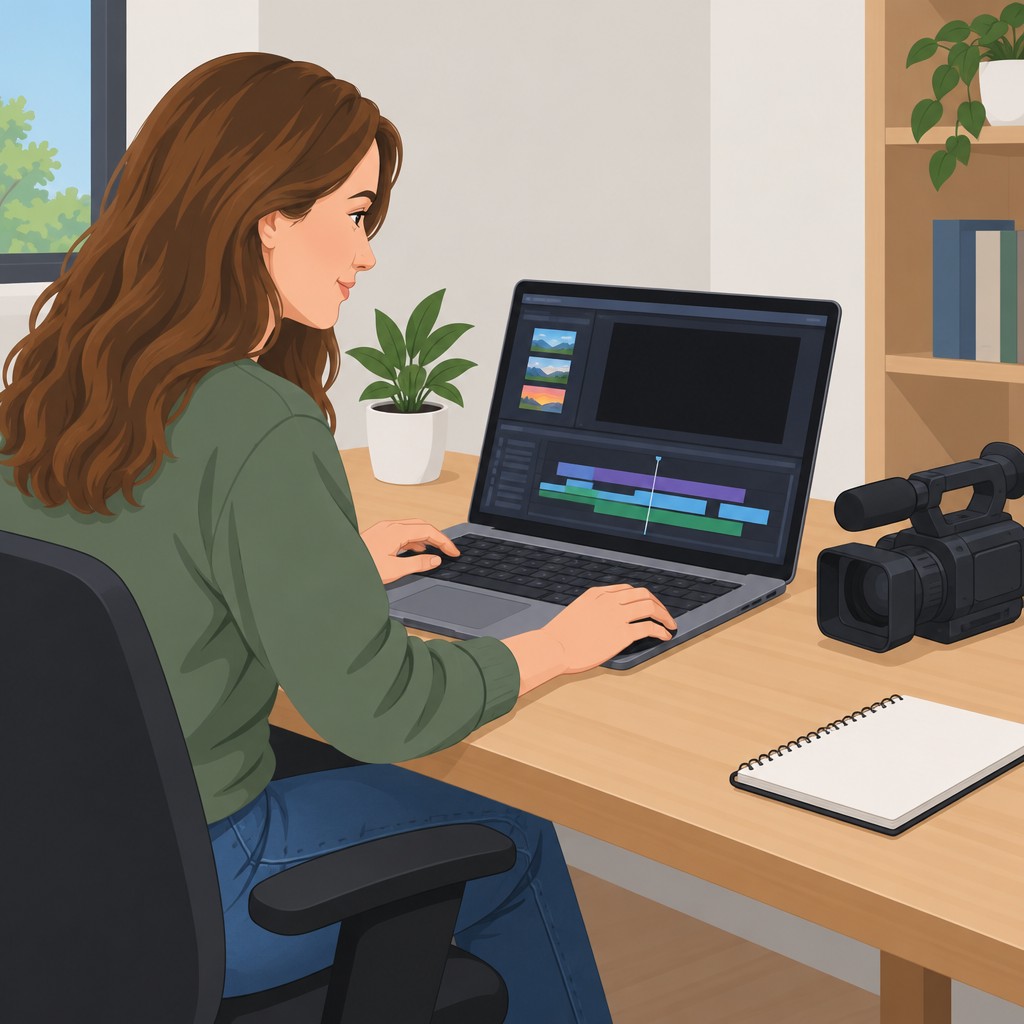
Seek Feedback from Peers or Mentors
Seeking feedback plays a vital role in enhancing your video editing skills.
Constructive criticism helps identify your strengths and weaknesses.
By engaging with experienced peers or mentors, you can gain valuable insights into your editing style.
Start by connecting with fellow video editors.
Join online forums or social media groups dedicated to video editing.
These platforms connect individuals eager to share their thoughts.
Once you share your work, encourage your peers to offer honest feedback.
Ways to Connect with Peers
- Join video editing communities on Facebook or Reddit.
- Participate in local meetups or workshops.
- Collaborate on projects with fellow editors.
Mentors can significantly streamline your learning process.
Look for individuals whose work you admire.
Approach them with a genuine request for feedback.
Most experienced editors are willing to help aspiring creators.
Their expertise can provide a roadmap for your development.
Share Your Work for Constructive Criticism
Sharing your work is essential for growth.
It exposes you to different perspectives and critiques.
Begin by selecting the projects you want to showcase.
Highlight work that represents your best efforts and creativity.
Utilize platforms like YouTube, Vimeo, or social media.
Transform Your Career Today
Unlock a personalized career strategy that drives real results. Get tailored advice and a roadmap designed just for you.
Start NowThese sites allow you to reach a wider audience.
They enable casual viewers and professionals to offer feedback.
Additionally, consider participating in online editing contests or challenges.
Such environments provide constructive criticism while allowing you to showcase your abilities.
Effective Sharing Techniques
- Upload your work to online platforms with a clear description of your goals.
- Engage actively with the audience and ask specific improvement questions.
- Encourage viewers to critique techniques like transitions and pacing.
When sharing your work, maintain an open mind.
Accept that not everyone will appreciate your art.
Constructive feedback does not exist to diminish your work.
Instead, it aims to sharpen your editing skills.
Accept Feedback and Implement Changes in Your Editing Style
Receiving feedback is just the first step.
The real challenge lies in implementing changes.
Actively incorporate suggestions into your future projects.
By doing so, you will evolve and refine your editing style swiftly.
To implement feedback effectively, follow these steps.
Steps for Implementing Feedback
- Review the feedback carefully and understand each suggestion’s context.
- Prioritize feedback based on relevance and impact.
- Focus on suggestions that resonate with your goals.
- Apply at least one change in your subsequent project.
- Use this practice to anchor feedback in your workflow.
- Reflect on the results and analyze the changes.
- Determine whether the changes improved your work as intended.
Remember that implementing changes takes time.
Resist the urge to change everything at once.
Instead, focus on improving specific areas systematically.
This methodical approach will yield better results over time.
Learn from Others’ Experiences and Knowledge
Learning from the experiences of others is invaluable.
Observe how seasoned editors approach their craft.
Analyze their editing techniques and choices.
This practice will expose you to new ideas and methods.
Consider following your favorite video editors on social media.
Many share tutorials, behind-the-scenes insights, or editing processes.
Engaging with their content can illuminate various aspects of effective editing.
Ways to Learn from Others
- Watch tutorials on popular video editing software.
- Analyze editing styles in films or music videos that you admire.
- Join online courses or workshops hosted by professionals.
When you learn through observation, take notes.
Document techniques that you find inspiring.
Later, experiment with these techniques in your own work.
This experimentation yields a unique blend of styles that defines your personal voice.
Incorporate Collected Feedback into a Continuous Learning Loop
Establishing a continuous learning loop will significantly enhance your skills.
This process involves sharing, receiving feedback, and implementing changes.
Each cycle builds upon your previous work.
The process creates a dynamic learning experience.
Set dedicated sessions for revisiting feedback.
Use these sessions to evaluate your progress and set new goals.
Find patterns in the feedback you receive.
These patterns can reveal recurring strengths and areas needing development.
Your Action Plan
- Set a timeline for sharing your work regularly.
- Identify mentors and peers who can provide feedback.
- Research editors who inspire you and note their techniques.
- Develop a habit of reflective practice after each project.
As you work through this process, you will notice improvement in your editing abilities.
Embrace the challenges that come with learning.
Remember that each piece of feedback offers you a chance to grow.
Your journey as a video editor is ongoing.
Transform Your Career Today
Unlock a personalized career strategy that drives real results. Get tailored advice and a roadmap designed just for you.
Start NowIt thrives on practice and dedication.
By seeking feedback, sharing your work, and learning from others, you build your professional foundation.
Happy editing!
Learn More: Tips for Handling Technical Issues During Live Shows
Attend Workshops or Seminars
Workshops and seminars can significantly enhance your video editing skills.
These events provide structured opportunities to learn from experienced professionals.
- Access to Expert Knowledge: Learn directly from industry experts. They often share practical tips unavailable in books or online courses.
- Networking Opportunities: Connect with video editors and other professionals. These relationships can lead to collaborations and job opportunities.
- Hands-On Practice: Apply new techniques during practical editing sessions. This experience helps you use new skills immediately.
- Structured Learning Environment: Follow a focused curriculum. A clear structure makes complex topics easier to manage.
- Professional Feedback: Receive constructive evaluations from instructors. Their guidance can help you improve your editing skills.
Finding the Right Workshops
Choose workshops that match your skill level and interests.
Consider each session’s subject, format, instructor, and practical value.
- Skill Level: Select sessions that match your proficiency. Beginners should choose introductory workshops, while advanced editors need specialized topics.
- Focus Areas: Identify your learning goals. Seek sessions covering specific software, editing styles, or video genres.
- Location: Decide between in-person and online learning. In-person sessions encourage interaction, while online sessions offer flexibility.
- Instructor Experience: Research each instructor’s background. Choose professionals with substantial editing experience and strong reputations.
Participate Actively in Editing Workshops
Active participation strengthens your workshop experience.
Engaging with the material helps you absorb and apply new information.
- Ask Questions: Clarify uncertainties during the session. Immediate answers can reinforce your understanding.
- Take Notes: Record important points during each session. Notes help you remember and apply ideas later.
- Share Your Work: Present projects when workshops allow it. Feedback can reveal strengths and improvement opportunities.
- Join Discussions: Engage with other participants. Different perspectives can reveal useful solutions.
- Implement New Skills: Practice workshop techniques soon afterward. Immediate application can strengthen your understanding.
Types of Workshops to Consider
Explore different workshop types to broaden your video editing abilities.
Each format can develop a different part of your editing practice.
- Software-Specific Workshops: Master software such as Adobe Premiere Pro or Final Cut Pro.
- Genre-Specific Workshops: Study editing approaches for documentaries, music videos, or corporate projects.
- Advanced Technique Workshops: Explore color grading, motion graphics, and other advanced techniques.
- Editing for Platforms: Learn styles suited to YouTube, Instagram, or TikTok.
- Storytelling Workshops: Strengthen narrative skills and make editing choices that communicate stories effectively.
Learn from Experts in Video Editing
Learning from experts extends beyond attending workshops.
You can access expert knowledge through several educational formats.
- Online Tutorials: Follow expert-led tutorials. Many professionals explain their editing processes on YouTube.
- Webinars: Attend webinars hosted by industry leaders. These sessions often address current techniques and trends.
- Industry Blogs: Read leading video editing blogs. Professionals often share insights, tips, and useful resources.
- Professional Forums: Join online editor communities. You can ask questions, share experiences, and learn from peers.
- Podcasts: Listen to video editing podcasts. Experts often discuss trends and explain editing strategies.
Choosing the Right Experts
Select experts whose knowledge supports your learning goals.
Their experience and teaching style can influence the value of your study.
- Reputation: Research each expert’s background. Choose professionals with strong reputations and proven experience.
- Specialization: Follow experts who focus on your interests. Their knowledge will better support your development.
- Style Compatibility: Identify experts whose editing styles you admire. Their work can inspire your creative process.
- Engagement: Choose experts who interact with their audiences. They often provide richer insights and welcome feedback.
- Accessibility: Consider how easily you can access their content. Select experts with useful resources available online.
Gain Hands-On Editing Experience
Hands-on experience remains essential for mastering video editing.
Applying new techniques strengthens knowledge and builds confidence.
- Create Personal Projects: Develop projects that let you practice editing techniques. Personal work also encourages creative exploration.
- Volunteer for Video Projects: Offer editing services to local nonprofits or friends. Real projects expose you to practical challenges.
- Join Online Challenges: Enter editing contests on Instagram or YouTube. Competition can sharpen your abilities.
- Seek Constructive Criticism: Share your work for review. Other perspectives can reveal areas for improvement.
- Track Your Progress: Maintain a portfolio of your work. Review it regularly to identify growth and future goals.
Learn More: Essential Skills for a Successful VFX Artist
Staying current with video editing trends keeps your skills relevant.
It also encourages creativity and helps you discover useful approaches.
Use several learning methods to remain informed and continue developing your editing abilities.
Industry Blogs and Websites for Video Editing
Begin by following websites that focus on video editing and filmmaking.
These resources share techniques, tutorials, tools, and news about the industry.
Visit them regularly so you can recognize emerging approaches and useful software.
- ProVideo Coalition: This site provides articles, tutorials, and news about video editing.
- Filmmaker Magazine: This resource covers filmmaking trends and production technology.
- PremiumBeat: This site offers tutorials, tips, and video editing trends.
- No Film School: This community shares filmmaking and editing tips, news, and tutorials.
- Creative COW: This forum includes editing discussions, tutorials, and helpful resources.
Experimentation with New Editing Techniques
Experimenting with unfamiliar methods pushes you beyond your usual editing habits.
Moreover, each trial can reveal strengths and limitations within your current workflow.
Apply these experiments to personal projects so you can learn without unnecessary pressure.
- Try Different Software: Explore Adobe Premiere Pro, Final Cut Pro, and DaVinci Resolve.
- Use New Effects: Practice transitions, color grading, and sound design.
- Explore Different Styles: Edit documentary, narrative, and experimental projects.
- Create a Challenge: Edit a video within one hour or use one software.
- Collaborate with Others: Work with editors or filmmakers to compare creative approaches.
Continuous Learning for Stronger Editing Skills
Continuous learning matters because video editing tools and practices change quickly.
Use structured courses, practical demonstrations, and community discussions to expand your knowledge.
Consistent learning helps you address weaknesses and build greater confidence over time.
- Online Courses: Skillshare, Udemy, and MasterClass offer structured video editing lessons.
- YouTube Tutorials: Search for demonstrations covering specific techniques or software features.
- Attend Workshops: Participate in local or online sessions led by industry professionals.
- Join Editing Communities: Discuss ideas and experiences with peers on Reddit or Facebook.
- Request Feedback: Ask experienced editors to identify areas that need improvement.
Curiosity and Open-Minded Editing Practices
Curiosity encourages you to examine unfamiliar ideas and consider different creative perspectives.
Meanwhile, an open mind helps you adapt techniques without limiting your editing style.
Explore varied sources of inspiration to strengthen your storytelling and creative judgment.
- Watch Diverse Content: Analyze genres and editing styles to broaden your perspective.
- Follow Influential Editors: Study their work and examine their editing decisions.
- Participate in Challenges: Join online editing events that encourage creative thinking.
- Read Books: Study storytelling and editing techniques through dedicated books.
- Attend Film Festivals: Watch varied films and discover different creative approaches.
Social Media as a Source of Editing Inspiration
Social media connects you with creators who share editing ideas and finished work.
Use these platforms intentionally so inspiration supports your learning instead of distracting you.
Additionally, online conversations can connect you with people who share your interests.
- Instagram: Follow editors and filmmakers who share short examples of their work.
- Twitter: Use #VideoEditing and #Filmmaking to join industry conversations.
- TikTok: Watch short tutorials and editing tips for quick inspiration.
- LinkedIn: Follow editing companies and professionals while building industry connections.
- Pinterest: Create boards featuring projects, techniques, and editing styles.
Strong editing development requires an active and consistent approach.
Stay informed, test unfamiliar techniques, and continue learning through varied resources.
By combining curiosity, practice, and community involvement, you can improve your video projects.
Transform Your Career Today
Unlock a personalized career strategy that drives real results. Get tailored advice and a roadmap designed just for you.
Start NowPractice and Lifelong Growth in Video Editing
Practice remains central to improving video editing skills.
Every project sharpens your abilities and builds confidence.
Repeated editing lets you experiment with different techniques.
Consequently, consistent effort creates lasting improvement.
As you refine your craft, remember that every edit matters.
Each cut or transition teaches you something new.
You may discover pacing and rhythm that strengthen your storytelling.
Regular practice improves technical skills and develops your unique editing style.
Even experienced editors benefit from revisiting basic techniques.
Therefore, challenge yourself with diverse projects that stretch your abilities.
Editing documentaries, music videos, and other genres can expand your skill set.
Moreover, learning never ends in video editing.
The industry continually introduces new tools and trends.
Stay curious by exploring tutorials and community forums.
These resources can provide insights that support your editing journey.
Your commitment to improvement drives growth in this changing field.
An attitude of lifelong learning can unlock your potential as a video editor.
Keep editing, keep learning, and watch your skills flourish.


