




The Balance Between Art and Function
Magazine design combines artistic vision with practical application.
Designers create layouts that captivate readers and serve clear purposes.
Effective magazines engage audiences and convey focused messages.
In this dynamic field, creativity and functionality work together.
Art and function must support each other in magazine design.
Typography, photography, and color schemes should improve readability and usability.
Readers value visual appeal, but they also need clear information.
Therefore, designers must balance aesthetics with practical communication.
This post explores essential aspects of magazine design.
We examine how successful designers merge creativity with user-centered principles.
This balance helps creatives develop compelling layouts.
Typography shapes the reading experience beyond font selection.
The right font communicates tone and mood.
Meanwhile, layout choices guide the reader’s eye.
A clear hierarchy makes important information stand out.
Imagery also plays a vital role in magazine design.
High-quality images capture attention immediately.
They evoke emotions and reinforce written content.
Designers should select images that match audience interests and support the message.
Color schemes influence feelings and perceptions.
A cohesive palette can unify a magazine and strengthen brand recognition.
Designers must choose colors that support both artistic and practical goals.
Finally, usability determines how easily readers navigate content.
Readers should move smoothly through articles, advertisements, and images.
Intuitive layouts, strategic white space, and clear calls to action improve usability.
A functional magazine can retain readers and sustain their engagement.
Effective magazine design unites visual appeal with practical communication.
By applying these principles, creatives can produce publications that look compelling and work effectively.
Historical Background of Magazine Design
Magazine design reflects creativity, function, and cultural change.
Magazines have changed dramatically since their earliest forms.
Initially, they delivered information to readers.
Today, they combine art, design, and communication.
The shift from print to digital formats transformed audience engagement.
Evolution of Magazines from Print to Digital Formats
The first magazines appeared in seventeenth-century Europe.
They primarily presented literary works and news.
These publications gave writers and thinkers platforms for sharing ideas.
By the eighteenth century, magazines flourished in England and France.
Rising literacy rates supported their continued growth.
During the nineteenth century, color printing transformed magazine design.
Improved typography also expanded designers’ creative options.
Transform Your Career Today
Unlock a personalized career strategy that drives real results. Get tailored advice and a roadmap designed just for you.
Start NowPublications such as “Harper’s Weekly” used illustrations to captivate readers.
These developments made magazines visually appealing experiences.
During the twentieth century, magazines became increasingly specialized.
Lifestyle magazines, fashion journals, and niche publications encouraged diverse aesthetics.
“Vogue” and “Life” expanded visual storytelling’s possibilities.
The digital era began reshaping magazine design during the late twentieth century.
The internet created new channels for content delivery.
Online platforms enabled real-time updates and multimedia integration.
Today, magazine design combines traditional print elements with digital innovations.
Readers can interact with videos, clickable graphics, and other features.
These developments make content consumption more engaging.
Key Milestones in Magazine Design History
Several milestones shaped magazine design throughout history.
- 1731: “The Gentleman’s Magazine” launched in London and shared news and literature.
- 1867: “Harper’s Bazaar” combined fashion and art in a new magazine format.
- 1936: “Life” began publishing photojournalism that influenced magazine layouts.
- 1980s: Personal computers enabled desktop publishing and broadened design access.
- 2000s: Digital magazines introduced greater interactivity to publication design.
- 2010s: Responsive design helped digital layouts adapt to different screens.
- 2020s: Augmented reality began enhancing magazine reading experiences.
These milestones show how magazine design followed broader societal changes.
Each development reflected the cultural context of its period.
Together, they demonstrate design’s continuing adaptation.
Influential Designers and Publications
Several designers and publications shaped modern magazine aesthetics.
Their innovations continue influencing contemporary design practices.
They also expanded visual communication’s possibilities.
- Alexey Brodovitch revolutionized fashion magazine design at “Harper’s Bazaar”.
- His white space and dynamic layouts established new standards.
- Milton Glaser influenced visual culture through work for “New York”.
- David Carson challenged conventional layouts through his work on “Ray Gun”.
- His experimental typography pushed magazine design boundaries.
- April Greiman brought digital aesthetics into print design.
- Emmanuelle Alt reshaped “Vogue Paris” through modern editorial choices.
These figures enriched the wider visual communication landscape.
Their work continues inspiring future generations of designers.
Moreover, their approaches connected editorial design with broader culture.
The Role of Technology in Magazine Design
Technology supports both creative expression and practical magazine design.
Design tools have evolved alongside changing publication requirements.
Software such as Adobe InDesign, Photoshop, and Illustrator now supports professional workflows.
These applications give designers precise control over layouts, colors, and typography.
Designers use them to create visually striking publications.
Content management systems have also streamlined publication processes.
Platforms such as WordPress and Joomla simplify content creation and management.
They also help designers adapt print concepts for digital media.
Analytics and reader feedback now guide many design decisions.
Designers study audience preferences through available data.
This information helps shape future issues and content strategies.
Consequently, design decisions can respond more effectively to audience demands.
Future Directions in Magazine Design
Magazine design has progressed from printed pages to interactive digital experiences.
Its milestones reveal how technology and culture shaped creative practices.
Innovative designers and publications continue pushing the field forward.
As technology advances, magazine design will likely explore new creative possibilities.
Understanding this history helps designers recognize the medium’s evolving potential.
Magazine design remains a dynamic channel for expression and audience engagement.
Magazine design depends on clear decisions that help readers understand and enjoy each publication.
Transform Your Career Today
Unlock a personalized career strategy that drives real results. Get tailored advice and a roadmap designed just for you.
Start NowThis section examines layout, typography, and color theory.
Together, these elements shape navigation, readability, mood, and brand recognition.
Layout and Composition for Clear Navigation
Layout and composition organize magazine content and guide readers through each page.
A thoughtful arrangement creates order, supports balance, and helps readers follow the intended sequence.
Designers can strengthen every page by combining structure, hierarchy, spacing, and visual direction.
- Grid Systems: A grid organizes text and images while maintaining balance across each page.
- Hierarchy: Visual hierarchy directs attention toward important information and gives headlines greater prominence.
- White Space: Open areas separate design elements, improve readability, and prevent visual clutter.
- Visual Flow: A logical sequence encourages readers to follow the publication’s narrative without confusion.
- Consistent Margins: Even margins create a professional appearance and prevent content from feeling cramped.
Consequently, precise layout choices support both reader engagement and a sense of professionalism.
Typography That Supports Readability and Mood
Typography affects how easily readers absorb information and how they interpret a magazine’s tone.
Font choices can suggest tradition, modernity, energy, or restraint.
Therefore, designers should match typefaces and spacing with the publication’s theme and audience.
- Font Selection: Serif fonts often suggest tradition, while sans-serif fonts create a modern impression.
- Font Pairing: A bold headline font and a clean body font can create useful contrast.
- Line Spacing: Adequate spacing helps readers move comfortably from one line to the next.
- Font Size: Large headlines attract attention, while readable body text supports comfortable reading.
- Alignment: Left alignment supports readability, while centered text can add emphasis.
When designers control these elements carefully, typography becomes both a practical tool and an expressive feature.
Color Choices for Emotion and Brand Recognition
Color influences emotional responses and shapes the way readers engage with magazine content.
Designers can use color to reinforce messages, distinguish sections, and strengthen recognition.
However, effective color choices require attention to contrast, harmony, consistency, and context.
- Color Psychology: Red often suggests passion, while blue commonly conveys calmness.
- Brand Identity: Consistent colors build familiarity and reinforce the publication’s visual identity.
- Contrast: Contrasting colors improve visibility and draw attention to essential information.
- Color Harmony: Complementary colors can create balance and produce a pleasing visual experience.
- Seasonal Adjustments: Warm hues can support the relevance of fall-themed magazine issues.
As a result, thoughtful color use can enhance storytelling and make visual experiences more memorable.
Coordinating Design Elements for Stronger Publications
Layout, typography, and color work together to create a cohesive magazine experience.
Layout guides movement, typography supports understanding, and color communicates emotion.
Designers who coordinate these elements can make content clearer, more engaging, and easier to remember.
Moreover, consistent design decisions help a publication maintain a recognizable identity across its pages.
Careful attention to these principles enables magazines to attract readers and sustain their interest.
Explore Further: The Role of an Editorial Assistant in Book Publishing
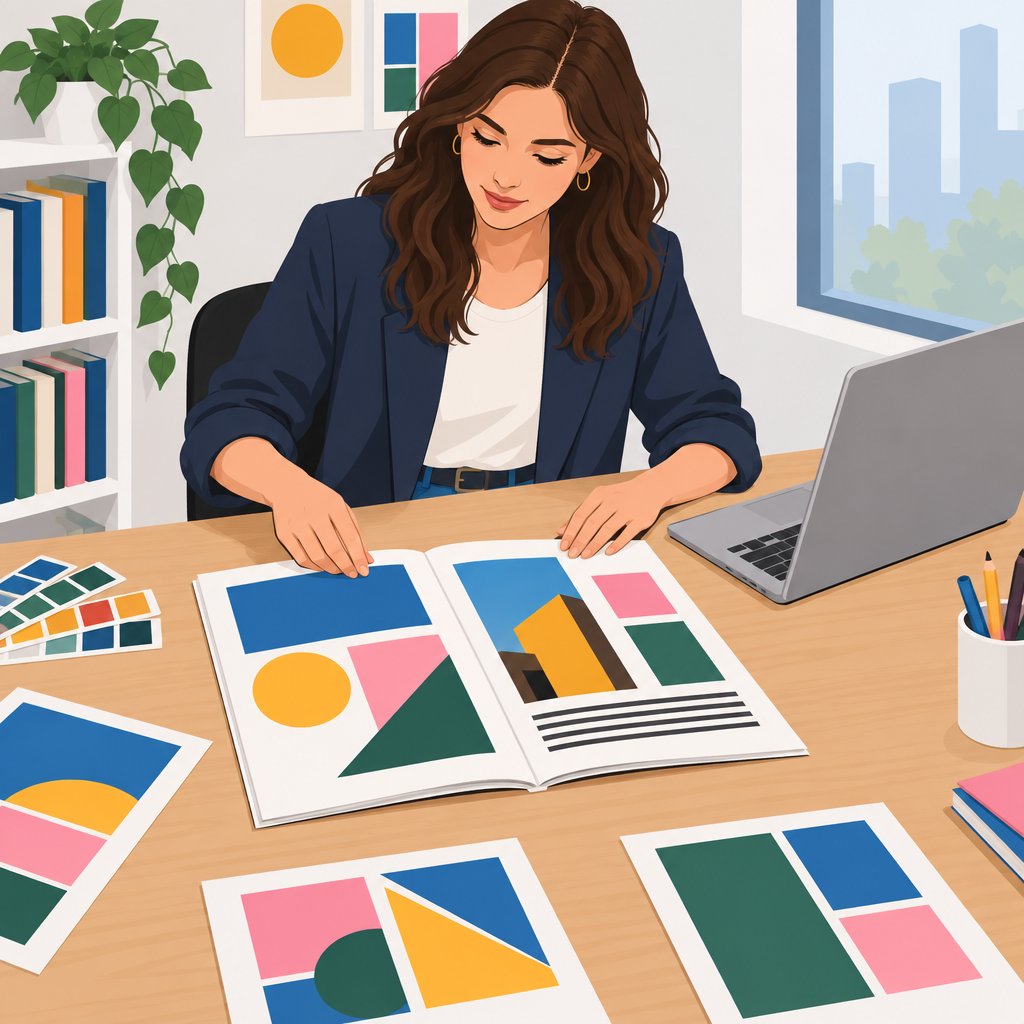
Artistic Elements in Magazine Design
Artistic elements help magazines communicate ideas through memorable visual experiences.
They also encourage readers to explore stories beyond their written content.
Furthermore, thoughtful visual choices can strengthen each publication’s distinctive character.
Imagery and Photography in Audience Engagement
Imagery and photography form the backbone of many magazine designs.
A striking image can capture attention immediately and invite readers into a story.
Moreover, effective photography can communicate meaning more powerfully than words alone.
Photographers must consider composition to balance subjects and direct attention within each frame.
Additionally, lighting strongly influences an image’s mood and emotional impact.
Subject matter can evoke emotions and create meaningful connections with readers.
Color palettes also influence how readers feel when they view an image.
Finally, authentic moments often resonate more effectively than heavily staged scenes.
- Composition: Photographers balance subjects and focus within the frame.
- Lighting: Proper lighting shapes an image’s mood.
- Subject Matter: Subjects can evoke emotions and connect with readers.
- Color Palette: Colors influence a reader’s emotional response.
- Authenticity: Real moments often resonate more than staged scenes.
Magazines often combine photography styles to strengthen their storytelling.
For instance, lifestyle magazines may combine editorial photography with portraiture.
This combination creates a relatable atmosphere for readers.
Fashion magazines often use high-fashion photography to establish trends and inspire creativity.
Cover images also shape a publication’s first impression.
An engaging cover can influence whether potential readers purchase or ignore an issue.
Therefore, designers collaborate with photographers to create visually compelling covers.
They align each cover’s visual character with the publication’s identity.
Illustrations and Graphics as Visual Language
Illustrations and graphics provide magazines with another important visual language.
Transform Your Career Today
Unlock a personalized career strategy that drives real results. Get tailored advice and a roadmap designed just for you.
Start NowThey can clarify complex ideas while adding personality to a publication.
In addition, these elements support storytelling, identity, readability, and visual direction.
- Enhancing Storytelling: Illustrations can explain complex or abstract ideas.
- Brand Identity: Custom graphics reinforce a magazine’s distinctive identity.
- Breaking Up Text: Graphics create visual breaks within lengthy articles.
- Creating Visual Hierarchies: Illustrations guide attention through each layout.
- Adding Personality: Illustrative styles reflect a publication’s tone.
Technology now allows designers to combine illustrations with digital magazine formats.
Consequently, magazines can include interactive graphics that make reading more dynamic.
Readers can engage with content through experiences that extend beyond static pages.
The New Yorker uses cartoons and illustrations to comment on current events.
These visuals add humor and critique while supporting the magazine’s editorial voice.
Wired frequently combines infographics with articles about technological subjects.
Its graphics simplify data and help readers understand complex topics.
As a result, visual explanations can encourage deeper engagement with written content.
Magazines That Prioritize Visual Storytelling
Several artistic magazines combine visual creativity with clear editorial purposes.
These publications prioritize visual storytelling through photography, illustration, and distinctive layouts.
Their approaches demonstrate how artistic choices can support recognizable editorial identities.
- National Geographic: Breathtaking photography supports stories about nature and culture.
- Vogue: Trendsetting fashion photography and bold layouts support contemporary themes.
- Monocle: Sophisticated design and illustrations support global affairs coverage.
- Lucky Peach: Illustrations combine culinary culture with an artistic presentation.
- Kinfolk: Minimalist design combines lifestyle photography with thoughtful articles.
These examples show how visual elements can form engaging narratives.
They also demonstrate how magazines can distinguish themselves within a crowded market.
Strong visual storytelling can encourage readers to explore content more deeply.
Successful magazine design connects artistic expression with practical communication.
Designers must preserve readability while creating visually compelling pages.
They should also consider audience needs when selecting imagery, illustrations, and graphics.
When these elements work together, magazines can create stories that spark readers’ imaginations.
Readers often respond to art that moves them and encourages further exploration.
Explore Further: Diversity and Inclusion in News Anchoring
Functional Aspects of Magazine Design
Effective magazine design connects visual appeal with practical use.
A successful layout attracts attention and supports smooth reading.
This section presents five functional features that improve magazine experiences.
Navigation and Usability for Easy Content Access
Fluid navigation helps readers find important sections and articles without frustration.
Clear structures guide readers through the magazine and make content easier to locate.
Designers can combine several navigation tools to create a user-friendly reading experience.
- Table of Contents: Place it near the beginning so readers can locate articles quickly.
- Consistent Layout: Maintain a standard structure throughout the magazine to support reader orientation.
- Effective Headings and Subheadings: Use descriptive headings to help readers scan topics efficiently.
- Page Numbers: Display page numbers clearly so readers can return to content easily.
- Index or Glossary: Add an index or glossary when readers need help with extensive or specialized content.
White Space and the Reader Experience
White space, also called negative space, surrounds and separates design elements.
It improves readability while giving pages a cleaner and more balanced appearance.
Designers can use white space to direct attention and reduce visual pressure.
- Increased Readability: Spacing around paragraphs and images makes text easier to read.
- Visual Relief: Open areas prevent clutter and help readers focus on important content.
- Emphasizes Key Elements: Strategic spacing directs attention toward important information.
- Creates Balance: Distributed white space brings harmony to the overall layout.
- Encourages Engagement: A clean design invites readers to explore the magazine.
Design Grids and Systems for Coherence
A coherent design framework gives a magazine a polished and organized appearance.
Grids help designers position text, images, and other elements consistently.
They also support flexible layouts across print and online formats.
- Structural Integrity: A grid organizes the layout and provides a blueprint for positioning elements.
- Alignment: Consistent alignment creates a clean appearance and improves visual flow.
- Responsive Design: Grids help layouts adapt across different formats.
- Visual Interest: Designers can vary grid elements while preserving order and coherence.
- Simplicity in Collaboration: Shared grids help design teams communicate clearly and reduce confusion.
Better Typography for Readability
Typography strongly influences how readers understand and experience magazine content.
Careful font choices guide readers through articles and clarify the importance of information.
Readable type also makes content more comfortable and accessible.
- Font Choice: Select typefaces that reflect the magazine’s personality and complement one another.
- Font Size: Choose a legible body size that does not strain readers’ eyes.
- Line Spacing: Provide enough space between lines to improve reading comfort.
- Contrast: Use contrasting text and background colors to improve legibility.
- Hierarchical Structure: Vary font sizes and styles to show importance and reading flow.
Visual Consistency for Brand Recognition
Consistent visual elements help readers recognize a magazine and trust its identity.
Repeated design choices create a cohesive relationship between different pages and features.
A reliable visual system can also encourage readers to return to the publication.
Transform Your Career Today
Unlock a personalized career strategy that drives real results. Get tailored advice and a roadmap designed just for you.
Start Now- Color Palette: Use defined colors that reinforce the magazine’s identity and create familiarity.
- Image Style: Apply a consistent approach to illustrations and photography.
- Design Elements: Repeat icons, borders, and other visual cues to support recognition.
- Voice and Tone: Align visual choices with the magazine’s editorial voice.
- Logo Placement: Position the logo consistently to reinforce brand visibility.
Learn More: Career Pathways for Multimedia Artists and Animators
Balancing Art and Functionality
Magazine designers must balance visual appeal with clear communication.
They create attractive layouts while ensuring readers can understand the content.
This process requires creative judgment and practical planning.
Challenges in Combining Creativity with Practicality
Designers face several obstacles when they combine artistic vision with practical application.
They must consider audience preferences, content priorities, and the magazine’s established identity.
Additionally, accessibility, budgets, and digital formats influence their design decisions.
- Understanding the Audience: Designers should match the magazine’s aesthetic with reader expectations and preferences.
- Creating Visual Hierarchies: Designers must arrange images, headlines, and text so important content stands out.
- Maintaining Brand Identity: Designers should align each layout with the magazine’s voice and identity.
- Accessibility: Designers should use suitable color contrast, typography, and layouts for inclusive reading.
- Budget Constraints: Designers need cost-effective solutions that protect the integrity of their designs.
- Adapting to Digital Formats: Designers must adjust traditional skills for online platforms and different devices.
Magazines That Balance Visual Impact and Practical Use
Several magazines demonstrate how designers can unite artistic creativity with practical communication.
These publications use distinctive styles while preserving readability and clear storytelling.
Their approaches can inspire designers who want to develop balanced magazine layouts.
- The New Yorker: The magazine maintains a consistent visual style while supporting readable articles.
- National Geographic: Its photography and articles work together to strengthen environmental storytelling.
- Vogue: The magazine combines striking images with practical layouts and fashion-forward design.
- Wired: Infographics and clear typography help explain complex technological topics visually.
- Time: The publication combines impactful images with concise text for accessible news coverage.
Strategies for Developing Balanced Magazine Designs
Aspiring designers can use several strategies to support both artistic expression and practical communication.
They should test ideas, evaluate readability, and refine layouts through feedback.
Furthermore, constraints can encourage innovative solutions without weakening the reader’s experience.
- Conduct Thorough Research: Study the audience before selecting design approaches.
- Sketch Multiple Layouts: Test several arrangements before choosing the strongest balance.
- Prioritize Readability: Choose clear typography and sufficient white space.
- Emphasize Visual Hierarchy: Use size, color, and placement to guide reader attention.
- Be Open to Feedback: Ask colleagues or mentors to review the designs.
- Stay Current with Trends: Review contemporary magazines for inspiration and fresh approaches.
- Utilize Design Principles: Apply balance, contrast, alignment, and repetition for cohesion.
- Innovate within Constraints: Treat limitations as opportunities for creative problem solving.
- Mock Up Designs: Preview layouts in print or digital formats before publication.
- Keep the End Goal in Mind: Ensure the design supports the magazine’s purpose.
Magazine design depends on thoughtful interaction between artistic choices and functional requirements.
When designers understand these demands, they can create layouts that engage audiences and deliver content effectively.
Both experienced and aspiring designers help connect creative expression with practical reader needs.
You Might Also Like: Voiceover Artist Collaboration: Working with Teams
The Impact of Digital Transformation on Magazine Design
Digital technology has profoundly transformed magazine design.
Designers now face new challenges and opportunities across print and digital formats.
They use distinct strategies to address each format’s strengths and limitations.
Consequently, digital transformation influences aesthetics, functionality, and content accessibility.
Comparing Print and Digital Design Strategies
Print design emphasizes physical materials, carefully planned layouts, and purposeful typography.
Designers consider paper quality, ink types, visibility, and readability.
Because print remains static, magazines provide a carefully curated visual experience.
- Static Layout: Print magazines use fixed layouts and guide readers through a predefined order.
- Tactile Experience: Paper texture adds a sensory dimension to the reading experience.
- Imagery and Graphics: High-quality images convey emotion without dynamic elements.
Digital design, however, introduces interactivity and multimedia elements.
Designers use hyperlinks, videos, and animations to create dynamic reading experiences.
Moreover, digital magazines support immediate feedback and sharing.
These features foster community engagement and encourage deeper exploration.
- Fluid Layout: Digital content adapts to different screen sizes and devices.
- Interactivity: Readers click, scroll, and engage with content during exploration.
- Multimedia Integration: Videos and sound add layers to digital storytelling.
Emerging Trends in Interactive and Multimedia Magazine Design
The shift toward digital publishing has encouraged innovative design trends.
These trends create engaging experiences that resonate with modern audiences.
They also help publishers connect content with changing reader preferences.
- Responsive Design: Flexible layouts adjust smoothly across different devices.
- Augmented Reality (AR): Virtual information layers enrich the magazine experience.
- Data Visualization: Infographics illustrate complex information through compelling graphics.
- User-Generated Content: Reader contributions can foster loyalty and participation.
- Gamification: Quizzes and challenges encourage readers to interact with content.
These trends show that digital design now extends beyond aesthetics.
Publishers use multimedia and interactive elements to engage readers and cultivate community.
They also study audience preferences to maintain relevance in a digital-first world.
Future Possibilities for Magazine Design in a Digital-First World
Magazine design will continue evolving as technology advances.
Emerging technologies will influence how designers create and distribute content.
Several developments could shape the future of magazine design.
- Artificial Intelligence (AI): Designers may analyze reader behavior to guide personalization.
- Virtual Reality (VR): Immersive experiences could transport readers into digital stories.
- Subscription Models: Tailored services may provide personalized content streams.
- Sustainable Design: Digital options can reduce waste while improving accessibility.
- Blockchain Technology: Blockchain may protect ownership and support fair compensation.
Creativity and technology will continue shaping new directions for magazine design.
Designers will experiment with formats and styles to connect with audiences.
Print magazines will retain tactile qualities, while digital platforms will expand interactive possibilities.
Transform Your Career Today
Unlock a personalized career strategy that drives real results. Get tailored advice and a roadmap designed just for you.
Start NowUnderstanding both formats will help designers create relevant experiences in a changing media landscape.
Future Directions for Magazine Design
Blending art with functionality gives magazine design lasting importance.
This combination engages readers and encourages deeper exploration.
A visually appealing magazine captures attention immediately.
However, clear communication must support every visual choice.
Digital platforms continue to create opportunities and challenges.
Therefore, designers must adapt traditional principles to digital formats.
This evolution changes how readers interact with magazine content.
Readers now seek information alongside engaging aesthetic experiences.
As technology advances, design approaches should evolve as well.
Innovations in layout and typography can strengthen reader engagement.
Interactive elements can create more dynamic reading environments.
Additionally, multimedia features can broaden a magazine’s narrative.
These features can also keep readers engaged with the content.
Nevertheless, designers should preserve fundamental design principles.
Clarity, hierarchy, and balance remain essential to effective layouts.
Successful designs communicate messages while creating emotional connections.
Maintaining this balance honors both the artistic and functional aspects.
Designers can innovate boldly while respecting foundational principles.
They can explore new techniques and test unconventional ideas.
At the same time, they can challenge established design expectations.
The future of magazine design depends on creativity and vision.
This synergy shapes the reader’s experience of every publication.
It also strengthens the connection between content and audience.
As the medium changes, timeless principles can continue guiding designers.
Through thoughtful innovation, designers can create work that inspires and informs.
Additional Resources
Google search results for Magazine Design: Combining Art and Function Media and Communication
Bing search results for Magazine Design: Combining Art and Function Media and Communication


