




Creating an Exceptional Event Planning Website
An exceptional event planning website creates a strong first impression for potential clients.
Your website can differentiate your business from competitors and increase brand visibility.
It also helps prospective clients trust your capabilities and expertise.
Several essential elements support a successful event planning website.
These elements improve usability, visual appeal, and client engagement.
Begin with a clean, modern design that captures attention.
A well-organized layout simplifies navigation and helps visitors find information quickly.
Use your colors, fonts, and logo to express your brand identity.
Consistent branding strengthens recognition and makes your website memorable.
Next, prioritize functionality across every page and device.
Your website should load quickly and work well on mobile devices.
Most users browse websites on smartphones, making responsive design essential.
Test every feature across devices to create a seamless user experience.
Effective functionality keeps visitors engaged and encourages further exploration.
Content also plays a vital role in your website’s success.
Describe your services clearly and highlight your unique offerings.
Use high-quality images from past events to create visual impact.
Testimonials from satisfied clients can strengthen credibility and trust.
Additionally, maintain a blog that demonstrates your expertise.
Share practical event planning tips that provide value to visitors.
Strong calls to action can guide visitors toward meaningful engagement.
Encourage visitors to request quotes or schedule consultations.
Clear, persuasive calls to action help convert visitors into potential clients.
Place contact information where visitors can find it easily.
Finally, apply search engine optimization best practices throughout your website.
Optimize your content with relevant keywords, meta tags, and descriptions.
Effective optimization can improve search visibility and attract organic traffic.
By combining these elements, your event planning website can attract more clients.
Define Your Target Audience
Identifying your target audience helps you create a standout event planning website.
Your audience directly influences your website’s design, content, engagement, and conversions.
A focused approach helps you connect with suitable clients more effectively.
Research and Identify Your Target Market
Begin with thorough research to understand the people who need your event planning services.
Compare several information sources to build a clearer picture of your market.
Then, use your findings to guide your website’s structure and messaging.
- Analyze Existing Clients: Review current and past clients for shared characteristics.
- Explore Competitors: Review competitor websites and identify their target audiences and market gaps.
- Conduct Surveys: Ask potential clients about their event planning needs through surveys or questionnaires.
- Use Social Media Insights: Study demographic information from people interacting with your content.
- Utilize Google Analytics: Analyze visitor behavior, traffic sources, and inquiry patterns.
After gathering data, segment your audience according to meaningful characteristics.
- Demographics: Consider age, gender, location, income, and education level.
- Interests: Identify the hobbies and activities your audience enjoys.
- Behavior: Examine event frequency, event types, and preferred planning methods.
Understand Audience Preferences and Needs
Demographics alone cannot fully explain what your audience expects from an event planner.
Explore their challenges, preferences, and website habits before developing your content.
This deeper understanding allows you to create a more personalized experience.
- Identify Pain Points: Address the challenges people face during event planning.
- Discover Preferences: Match your offerings to elegant events or casual gatherings.
- User Experience: Simplify website navigation to support comfortable browsing.
- Content Consumption: Offer visual content, blogs, or videos according to audience preferences.
Tailor Website Design and Content
Use your audience research to shape both your website’s design and content.
Align each element with the needs and preferences you identified.
Transform Your Career Today
Unlock a personalized career strategy that drives real results. Get tailored advice and a roadmap designed just for you.
Start NowClear alignment helps potential clients recognize your services as relevant.
- Choose the Right Aesthetics: Select colors, images, and fonts that suit your audience.
- Develop Engaging Content: Create blog posts, case studies, and testimonials addressing audience concerns.
- Use Targeted Keywords: Research search terms that match your audience’s interests.
- Highlight Relevant Services: Describe services that meet your audience’s event planning needs.
- Offer Resources: Provide guides, checklists, or planning templates that visitors value.
Also, simplify navigation so visitors can quickly find the information they need.
A straightforward browsing experience can improve user satisfaction.
Make every important service and resource easy to locate.
Use Feedback for Continuous Improvement
Your website requires ongoing attention after launch.
Regular audience engagement reveals opportunities to improve content and usability.
Collect feedback consistently, then adjust your approach according to what you learn.
- Feedback Forms: Add short surveys that measure user experience and satisfaction.
- Monitor Analytics: Review visitor behavior and adjust your strategy accordingly.
- Engage on Social Media: Ask your audience about their opinions and preferences.
- Analyze Competitor Changes: Observe competitor website updates, successes, and weaknesses.
Build a More Relevant Event Planning Website
Audience research gives your event planning website a clear direction.
Tailored design and content can make potential clients feel understood and valued.
Continue reviewing feedback so your website remains relevant to changing audience needs.
These strategies can help your event planning website attract and engage suitable clients.
User-Friendly Website Features
An event planning website should help visitors find useful information quickly.
Clear organization reduces confusion and supports confident browsing.
Accessible design also helps more visitors engage with your services.
- Intuitive Navigation: Organize services, testimonials, and contact information within a clear menu.
- Simplified Structure: Limit menu items and use dropdown menus for relevant subcategories.
- Search Functionality: Add a search bar that delivers accurate and relevant results.
- Consistent Layout: Use consistent colors, fonts, and element styles across every page.
- Accessible Content: Use high-contrast colors and descriptive alt text for images.
Mobile-Responsive Website Design
Many visitors browse event planning websites with smartphones and tablets.
Responsive design keeps your content usable across different screen sizes.
Fast performance also improves satisfaction for mobile visitors.
- Fluid Grids: Use flexible layouts that adjust naturally to different screen sizes.
- Responsive Images: Apply CSS that prevents images from distorting or overflowing.
- Touch-Friendly Elements: Make buttons and links large enough for comfortable tapping.
- Speed Optimization: Compress images and minimize CSS or JavaScript files.
- Device Testing: Check your website across multiple devices before visitors encounter problems.
Effective Calls to Action
Clear call-to-action buttons guide visitors toward meaningful interactions.
Prominent placement helps users recognize the next step quickly.
Consistent styling also makes important actions easier to identify.
- Visible Placement: Position primary buttons prominently above the fold.
- Action-Oriented Text: Use phrases such as “Get a Free Quote” or “Book Your Event Now.”
- Limited Choices: Offer one primary action and one secondary action.
- Consistent Design: Use contrasting colors and a uniform visual style.
- Testing: Use A/B testing to compare button styles and placements.
Additional User Experience Enhancements
Additional features can make your event planning website more engaging.
Helpful resources give visitors more reasons to explore your services.
Feedback tools can reveal opportunities to improve the browsing experience.
- Engaging Visuals: Use high-quality images and videos that reflect your event planning style.
- Useful Content: Create a blog or resource section with event planning advice.
- Social Proof: Display client testimonials and case studies to build trust.
- Live Chat: Offer immediate assistance for visitors with questions or concerns.
- Feedback Mechanism: Use surveys or contact forms to collect visitor opinions.
Prioritize simplicity, accessibility, and clarity throughout your website.
Mobile optimization and focused calls to action can support stronger visitor engagement.
These improvements help transform your website into a more effective client-generation tool.
Uncover the Details: Legal Considerations for TV Producers
Showcase Your Portfolio
Your portfolio displays your event planning skills and builds trust with prospective clients.
High-quality images and testimonials can create a strong first impression.
A well-structured portfolio can distinguish your services from competing event planners.
Several focused elements can help you present your work effectively.
High-Quality Event Images
Visual appeal plays an important role in event planning.
Professional images can capture the atmosphere and details of your events.
A varied image collection can help visitors understand your creative capabilities.
- Use professional photography: Invest in professional photography to produce polished event images.
- Select diverse events: Show weddings, corporate gatherings, and parties in your portfolio.
- Create a gallery: Organize images into a gallery for easier navigation.
- Highlight details: Feature close-up images of decor, food, and venue arrangements.
- Ensure mobile compatibility: Optimize your gallery for desktop and mobile devices.
Client Testimonials
Client testimonials can strengthen your credibility with prospective clients.
Positive feedback can encourage visitors to consider your event planning services.
Specific comments can make client experiences more meaningful and persuasive.
- Gather feedback: Ask past clients for written testimonials after each event.
- Be specific: Encourage clients to describe the services they appreciated.
- Use quotes: Feature direct quotes that describe their experiences.
- Incorporate photos: Pair client pictures with testimonials for a personal touch.
- Place testimonials strategically: Feature them prominently on your homepage and portfolio page.
Professional Expertise
Prospective clients want knowledgeable professionals to manage their events.
Clear expertise can help visitors understand the value of your services.
Useful information also demonstrates your understanding of event planning.
Transform Your Career Today
Unlock a personalized career strategy that drives real results. Get tailored advice and a roadmap designed just for you.
Start Now- List certifications: Include relevant certifications and completed training.
- Showcase awards: Display awards that support your professional reputation.
- Describe services: Explain your services and their benefits in detail.
- Write informative articles: Discuss event planning trends and helpful tips.
- Feature frequently asked questions: Address common questions to demonstrate your knowledge.
Unique Service Benefits
Your unique selling points can distinguish your services from other event planners.
Visitors should quickly understand what makes your event planning approach special.
Clear benefits can help suitable clients recognize the value you provide.
- Personalized service: Explain how you tailor services to individual client needs.
- Exclusive venues: Mention access to unique or high-demand venues.
- Sustainable practices: Highlight eco-friendly practices used during your events.
- Vendor partnerships: Mention relationships with reputable vendors that support your services.
- Exceptional customer support: Explain how you remain available throughout the planning process.
Current Portfolio Content
A current portfolio keeps visitors engaged with your latest event planning work.
Regular updates also ensure that your presentation reflects your current capabilities.
Fresh content can show how your style and services continue to develop.
- Add recent events: Upload images and details from your latest events.
- Blog about experiences: Describe challenges and successes from recent projects.
- Remove outdated content: Keep your portfolio aligned with your current style.
- Solicit feedback: Ask visitors what they would like to see.
- Promote on social media: Share updates that direct visitors to your website.
Accessible Portfolio Presentation
A clear design improves the visitor experience across your portfolio.
Simple navigation helps prospective clients find important information quickly.
Consistent presentation can reinforce your professionalism and creative identity.
- Use an intuitive layout: Arrange portfolio content in a logical order.
- Improve loading times: Optimize images and content for faster page loading.
- Add clear call-to-action buttons: Encourage visitors to contact you.
- Display contact information: Make your contact details easy to find.
- Maintain consistent branding: Use consistent colors, fonts, and styles throughout your website.
These practices can help you create a portfolio that appeals to prospective clients.
Your portfolio should reflect your professionalism and creativity.
Investing time in your portfolio can support a stronger online presence and attract new business.
Explore Further: Career Growth Opportunities for Videographers
Implement SEO Strategies
Optimizing your event planning website for search engines is critical.
Effective SEO strategies improve your website’s visibility.
These steps strengthen your website’s search engine performance.
Keyword Research for Event Planning
Keyword research forms the foundation of a successful SEO strategy.
Understanding search terms helps you tailor content to potential clients.
Organize gathered keywords by priority for strategic website placement.
- Identify Your Niche: Focus on keywords related to event planning and specific event types.
- Use Keyword Tools: Use Google Keyword Planner or SEMrush to discover popular search terms.
- Analyze Competitors: Study competitor websites and adjust your strategy according to their keyword rankings.
- Focus on Long-Tail Keywords: Target precise searches to attract visitors with specific needs.
Quality Content for Search Visibility
Quality content engages visitors and attracts backlinks.
Informative material also strengthens your website’s authority.
Update your content regularly to keep information fresh and relevant.
- Write Engaging Blog Posts: Share useful tips and ideas for successful events.
- Utilize Visuals: Add images and videos to improve the visitor experience.
- Provide Resources: Offer checklists or guides that demonstrate your expertise.
- Optimize for Readability: Use short paragraphs and bullet points for easier reading.
- Include Calls to Action: Encourage newsletter signups or service inquiries.
Meta Tags That Improve Search Listings
Meta tags influence how your website appears in search results.
Well-structured tags can improve click-through rates.
Review and update these tags consistently for continued SEO progress.
- Title Tags: Write clear titles with primary keywords and fewer than 60 characters.
- Meta Descriptions: Summarize each page compellingly in approximately 150 to 160 characters.
- Header Tags: Use H1, H2, and H3 tags to organize content clearly.
- Image Alt Tags: Add descriptive alt text to help search engines index images.
User Experience and SEO Performance
User experience strongly affects your website’s SEO performance.
A user-friendly website encourages visitors to remain engaged.
Accessible design helps more visitors interact with your services.
- Responsive Design: Make your website suitable for smartphones and tablets.
- Fast Loading Speed: Optimize images and scripts to reduce visitor frustration.
- Intuitive Navigation: Organize information so users can find it easily.
- Secure Your Site: Use HTTPS to protect your website.
- Accessibility: Design for users with disabilities and broaden audience access.
Quality Backlinks and Website Authority
Backlinks strengthen your website’s authority and credibility.
A strong backlink profile signals that search engines can trust your content.
Focus on reputable sources and avoid spammy tactics.
- Guest Blogging: Write for reputable websites within the event planning niche.
- Network with Industry Influencers: Collaborate with event planners and industry experts.
- Submit to Directories: Choose relevant directories that remain reputable and well maintained.
- Create Shareable Content: Produce infographics or research studies that encourage organic sharing.
- Engage on Social Media: Share content to increase exposure and attract potential backlinks.
SEO Strategies That Support Business Growth
Keyword research, useful content, and optimized tags strengthen your online presence.
Improved user experience encourages engagement with potential clients.
Quality backlinks support authority and can contribute to higher conversion rates.
Delve into the Subject: Key Skills Every Successful Film Producer Needs
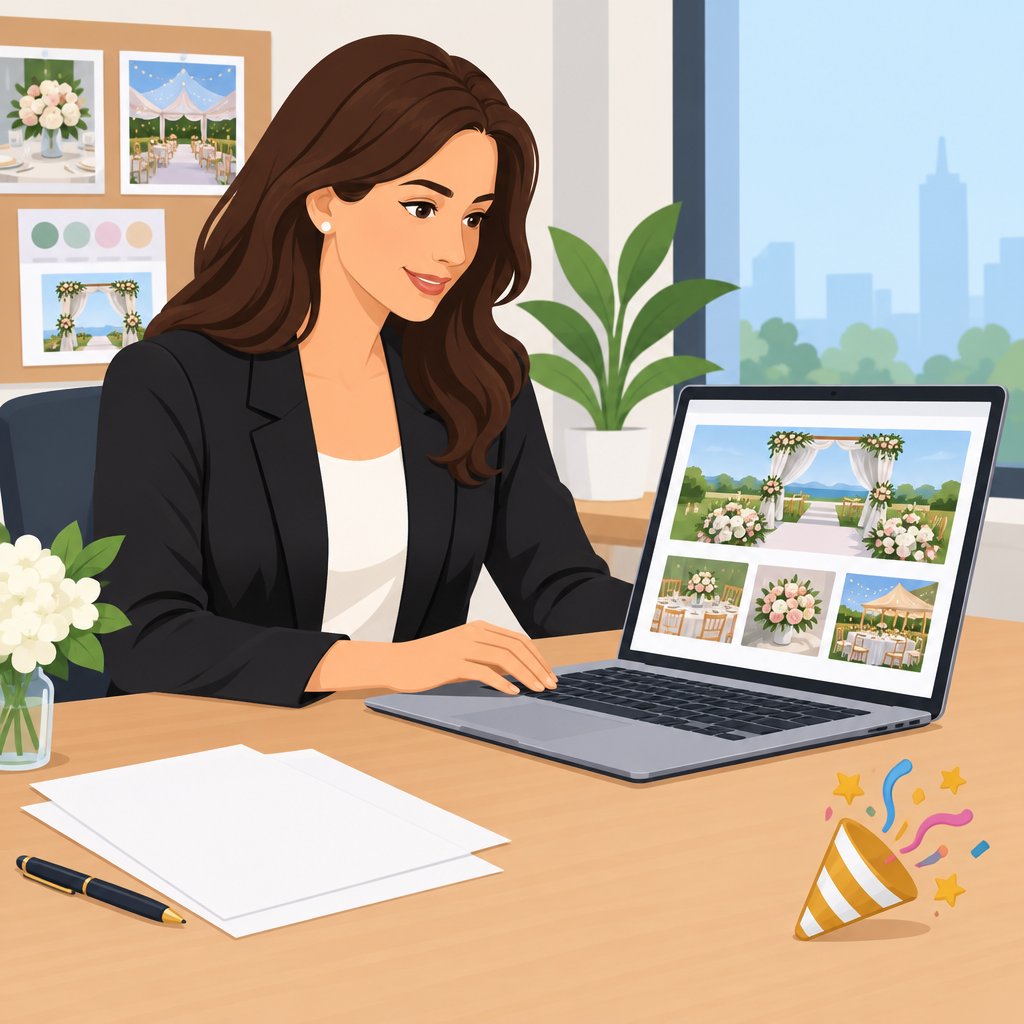
A blog strengthens your event planning website’s authority.
It also encourages visitors to return for fresh content.
Useful articles can attract event planners and potential clients.
Share Industry Trends
Event planning changes quickly, so current trend coverage can distinguish your services.
Regular articles demonstrate industry knowledge and strengthen your expert position.
Transform Your Career Today
Unlock a personalized career strategy that drives real results. Get tailored advice and a roadmap designed just for you.
Start NowAdditionally, relevant insights can help readers make informed planning decisions.
- Research Current Trends: Follow industry leaders and news outlets, then use Google Trends to identify popular topics.
- Write Insightful Articles: Analyze popular trends and explain their implications for planners and clients.
- Include Visuals: Use infographics and images to illustrate trends and encourage content sharing.
- Use Data: Support your claims with statistics from surveys and industry reports.
- Invite Guest Writers: Collaborate with industry experts to add diverse perspectives and broaden your reach.
Promote Event Planning Tips
Actionable advice can position your blog as a trusted planning resource.
Readers value clear guidance that simplifies each stage of event preparation.
Therefore, practical content can encourage planners and clients to revisit your website.
- Create How-To Guides: Divide the planning process into clear steps with concise instructions.
- Share Checklists: Offer downloadable checklists for different event types and provide immediate value.
- Highlight Common Mistakes: Explain frequent planning pitfalls so readers can avoid similar errors.
- Feature Interviews with Professionals: Share insights from experienced planners to add credibility and authority.
- Use Engaging Formats: Experiment with videos, podcasts, and live streams for varied learning preferences.
Share Event Success Stories
Success stories can engage readers and strengthen their trust in your planning services.
Detailed examples also reveal how you manage challenges during event preparation.
Furthermore, authentic client perspectives can make your content more relatable.
- Document Events: Present case studies that explain the planning process and challenges addressed.
- Gather Testimonials: Request client feedback to support your success stories with credible experiences.
- Use Multimedia: Add event photos and videos to create a compelling visual narrative.
- Explain Unique Solutions: Describe creative responses that demonstrate innovation and adaptability.
- Encourage Client Participation: Invite clients to describe their experiences through guest articles.
Maintain a Consistent Publishing Schedule
Consistent publishing keeps your blog current and encourages continued visitor engagement.
A manageable schedule also helps you organize topics and maintain reliable communication.
Meanwhile, timely updates can keep older content useful for your audience.
- Create a Content Calendar: Plan topics several months ahead to support consistent publishing.
- Set a Realistic Posting Frequency: Choose a publishing pace you can maintain consistently.
- Repurpose Content: Update older posts with new information to maintain their relevance.
- Engage with Seasonal Topics: Address holidays and major events to attract timely interest.
- Invite Guest Contributors: Add guest authors to diversify content and expand your reach.
Encourage Meaningful Reader Interaction
Interactive features can help your blog develop an active reader community.
Comments and social sharing create opportunities for two-way communication.
As a result, readers can contribute ideas and remain connected with your content.
- Enable Comments: Let readers respond to posts and answer their comments thoughtfully.
- Ask Questions: End posts with questions that encourage readers to share their views.
- Integrate Social Media Sharing: Add sharing buttons to expand your content’s audience.
- Host Contests or Giveaways: Encourage participation through activities related to your content.
- Create a Newsletter Subscription: Offer email updates that keep readers informed about new posts.
These practices can increase website visibility and strengthen reader loyalty.
They also help position your event planning business as a trusted resource.
Gain More Insights: Film Director's Role in Marketing the Film
A standout event planning website requires more than attractive design.
Effective social media integration can increase visibility and encourage meaningful engagement.
Connect Your Website With Social Media Accounts
Connect your website with every active social media account.
This connection helps visitors find and follow your business across platforms.
- Use Social Media Icons: Add recognizable icons for each platform in the header, footer, or sidebar.
- Maintain Consistent Branding: Use consistent branding across every platform.
- Add Shareable Links: Include sharing buttons on event pages.
Share Event Updates and Highlights
Social media provides an effective channel for real-time updates and engaging visuals.
Regular posts keep your audience informed and involved.
- Post Regular Updates: Share developments such as venue changes, keynote announcements, or planned activities.
- Showcase Event Photos: Publish high-quality photos that capture attendee enjoyment and interaction.
- Use Stories: Share immediate updates and behind-the-scenes content through Instagram and Facebook Stories.
Engage Followers and Potential Clients
Active engagement fosters community and strengthens relationships with your target market.
Regular interaction also encourages followers to remain connected with your business.
- Respond to Comments: Reply to comments and messages while acknowledging questions and support.
- Create Polls and Surveys: Ask followers about event preferences and invite useful feedback.
- Host Giveaways: Organize contests or giveaways related to your events.
Expand Reach With Relevant Hashtags
Relevant hashtags can improve content visibility across social media platforms.
They help connect your posts with broader audiences interested in event planning.
- Research Trending Hashtags: Find popular hashtags related to event planning and relevant niches.
- Create Branded Hashtags: Develop unique hashtags for your brand and encourage attendee participation.
- Join Relevant Conversations: Participate in discussions about trending topics using appropriate hashtags.
Build Recognition Through Influencer Collaboration
Influencer partnerships can increase recognition for your event planning brand.
Their endorsements can introduce your business to new audiences.
- Identify Potential Influencers: Choose influencers whose values align with your event planning brand.
- Propose Collaborations: Suggest mutually beneficial ideas, such as joint events or shared campaigns.
- Share Influencer Content: Encourage event content and share influencer posts on your social media pages.
Promote Events With Targeted Advertising
Targeted social media advertising offers a direct way to promote events.
Select platforms where your intended audience spends time.
- Define Your Audience: Identify your target demographic and use website traffic insights to guide advertising.
- Create Compelling Ads: Design appealing advertisements with clear calls to action.
- Monitor and Adjust: Review advertising performance and refine your strategy using analytics.
Extend Reach Through Live Streaming
Live streaming allows more people to experience your events in real time.
Social platforms can therefore extend an event beyond its physical audience.
- Schedule Live Events: Announce streaming times in advance to build anticipation.
- Engage With Real-Time Comments: Respond to viewer comments and invite questions during the stream.
- Save and Share Recordings: Save the stream and publish it for people who missed the event.
Improve Results Through Social Media Analysis
Regular analysis reveals which social media activities perform effectively.
Analytics tools can provide useful insights into engagement and audience growth.
- Track Engagement Metrics: Monitor likes, shares, and comments to identify popular content.
- Evaluate Follower Growth: Observe follower changes and identify campaigns associated with growth.
- Adjust Strategies: Use performance data to focus on activities that generate stronger engagement.
Social media integration creates additional opportunities to engage visitors and potential clients.
Linking accounts, sharing valuable content, and responding to followers can strengthen your online presence.
Continued analysis helps refine your approach and support stronger brand recognition.
A Stronger Client Experience for Event Planning Websites
Clear design helps visitors understand your services and move through your website with confidence.
Compelling content communicates your expertise and gives potential clients reasons to contact you.
Useful planning guides and checklists give visitors practical value before they become clients.
Transform Your Career Today
Unlock a personalized career strategy that drives real results. Get tailored advice and a roadmap designed just for you.
Start NowRelevant resources also establish your authority and encourage visitors to return.
Keep each resource simple, accurate, and closely connected to event planning.
Responsive design helps mobile visitors browse comfortably on smaller screens.
Many people browse websites from phones, so mobile access deserves careful attention.
Review every page on different screen sizes before publishing your website.
Coordinate your marketing activities with the message and personality of your website.
A consistent personality helps potential clients recognize your approach across every page.
Professional guidance can help you build a website that reflects your expertise.
Start applying these improvements to strengthen your event planning website today.
Additional Resources
Google search results for How to Create a Standout Event Planning Website Media and Communication
Bing search results for How to Create a Standout Event Planning Website Media and Communication


