




The Role of VFX in Modern Entertainment
Visual Effects, or VFX, integrates digitally created imagery into live-action footage.
This technology enhances storytelling by creating visuals that filmmakers cannot film in reality.
Consequently, filmmakers use VFX to craft vivid scenes and compelling narratives that captivate audiences.
Modern entertainment depends heavily on VFX.
As technology advances, audiences expect increasingly stunning visuals in movies and television shows.
VFX allows filmmakers to push creative boundaries and create immersive worlds.
From sci-fi epics to animated features, VFX shapes many viewing experiences.
Furthermore, VFX has transformed how storytellers present narratives.
Without it, many popular franchises would lack their defining grandeur and spectacle.
For example, VFX creates celestial battles in “Star Wars” and majestic landscapes in “The Lord of the Rings.”
Skilled VFX artists build these elements to engage viewers and strengthen emotional connections with characters.
Additionally, VFX democratizes filmmaking.
Independent filmmakers now access powerful software for creating high-quality effects on lower budgets.
This accessibility broadens the range of stories creators can tell.
It also challenges the dominance of big studios.
VFX continues to shape modern entertainment.
It enhances visual storytelling, captivates audiences, and inspires creativity.
As technology evolves, it will unlock new creative possibilities for creators.
The future of entertainment will rely heavily on this dynamic tool.
VFX will continue driving innovation and artistic expression.
Evolution of VFX in Entertainment
Visual effects have a long history in entertainment.
They began before the digital age through practical techniques that created cinematic illusions.
Over time, artists combined new tools with established methods to expand visual storytelling.
Historical Development of VFX in Movies and Television
Early filmmakers used miniatures, matte paintings, and camera tricks to create imaginative scenes.
In 1902, Georges Melies used innovative techniques in “A Trip to the Moon.”
His work demonstrated how filmmakers could create visual magic through careful camera manipulation.
Consequently, the film influenced later developments in visual effects.
During the 1930s, “King Kong” used stop-motion animation to portray a memorable monster.
The production established new standards for visual storytelling.
During the 1960s and 1970s, Stanley Kubrick pushed visual effects beyond earlier boundaries.
His film “2001: A Space Odyssey” combined practical effects with early computer-generated imagery.
As a result, the movie presented seamless and ambitious visual experiences.
By the 1980s, visual effects entered a period of rapid growth.
“Star Wars” revolutionized production through advanced motion control and digital compositing.
These innovations gave filmmakers greater freedom to create complex scenes.
During the 1990s, computer-generated imagery became a dominant production tool.
“Jurassic Park” used groundbreaking computer graphics to bring dinosaurs convincingly to life.
The film showed audiences how computer graphics could transform cinematic storytelling.
At the beginning of the new millennium, “The Matrix” explored virtual reality concepts.
Its production blended action sequences with visual effects for a compelling viewing experience.
Transform Your Career Today
Unlock a personalized career strategy that drives real results. Get tailored advice and a roadmap designed just for you.
Start NowTelevision also adopted increasingly advanced visual effects.
“Game of Thrones” used elaborate visual effects during its large-scale battles.
Therefore, the series raised expectations for visual storytelling on television.
Technological Advances Shaping VFX Capabilities
Technological progress has transformed how artists design and produce visual effects.
Each major advance gives creative teams new ways to develop detailed imagery.
Computer graphics technology remains one of the most significant developments.
Powerful software such as Maya, Blender, and Nuke supports intricate visual designs.
Meanwhile, motion capture technology records live performances for digital characters.
This process gives animated characters more human qualities and relatable movement.
Real-time rendering has also expanded interactive visual experiences.
It supports modern video games and virtual reality experiences.
Additionally, real-time tools let audiences engage with visual effects more directly.
Artificial intelligence now helps artists automate repetitive production tasks.
Consequently, artists can devote more attention to creative decisions.
Artificial intelligence also streamlines workflows and improves production efficiency.
Virtual reality and augmented reality create immersive environments for audiences.
These technologies support interactive storytelling and change how viewers engage with content.
Hardware improvements further strengthen visual effects production.
Powerful computers and graphics cards improve rendering speed and image detail.
As a result, filmmakers can produce higher-resolution visuals.
Greater access to technology has also broadened participation in visual effects.
Independent filmmakers can create sophisticated visuals with limited budgets.
Affordable software and widely available tutorials support this growing accessibility.
Cloud-based solutions now help artists collaborate across different locations.
This global approach encourages creative cooperation and new production possibilities.
Practical effects, computer graphics, and emerging technologies continue to develop together.
Their ongoing evolution gives filmmakers new methods for creating engaging entertainment.
VFX as a Tool for Immersive Storytelling
Visual effects deepen audience engagement by shaping memorable cinematic experiences.
They help filmmakers present impossible settings, creatures, and events with convincing visual detail.
Fantasy stories especially benefit from effects that expand the boundaries of physical production.
Furthermore, VFX supports creative choices without limiting directors to ordinary environments.
Shaping Mood Through Visual Design
Visual effects influence how viewers interpret a scene’s emotional atmosphere.
A brewing thunderstorm can create tension across an otherwise empty landscape.
In contrast, colorful effects can make a comedic moment feel surprising and energetic.
Therefore, artists use light, movement, and digital elements to guide audience reactions.
Memorable VFX Examples Across Film and Television
Several productions demonstrate how visual effects can support distinctive fictional worlds.
These examples show how creative teams combine technology with performance and direction.
- The Lord of the Rings Trilogy: The films use detailed landscapes and creatures to portray Middle-earth.
- Avatar: The film presents immersive environments through detailed three-dimensional visuals.
- Game of Thrones: The series uses VFX to bring dragons and large battles to life.
- Marvel Cinematic Universe: Superhero powers and large-scale battles depend on extensive visual effects.
- Jurassic Park: The film presents dinosaurs with striking realism through its visual effects.
- Stranger Things: The series combines familiar settings with eerie supernatural imagery.
Expanding Visual Storytelling Techniques
VFX connects recognizable reality with imaginative concepts through flexible visual construction.
Directors can reshape time, space, memories, and alternate realities through carefully designed effects.
Visual distortion can also represent a character’s emotional turmoil or changing mental state.
Transform Your Career Today
Unlock a personalized career strategy that drives real results. Get tailored advice and a roadmap designed just for you.
Start NowAdditionally, effects support action scenes that would create serious risks during physical production.
Explosions, debris, and dangerous vehicle movements can appear dramatic while protecting performers.
Animated productions use similar techniques to express emotion through detailed character performances.
Deepening Audience Participation
VFX can make spectators feel present within unfamiliar worlds and situations.
Immersive imagery encourages viewers to connect more closely with the story’s setting.
Virtual reality and augmented reality extend this engagement beyond traditional screens.
Through headsets and interactive displays, audiences can participate more actively in narratives.
Theme park attractions also combine motion, scenery, and visual effects to create powerful sensations.
Emerging Possibilities for VFX Production
New technologies continue to expand the creative possibilities available to VFX artists.
Artificial intelligence and machine learning may improve efficiency during visual effects production.
Greater efficiency could help smaller studios develop impressive visuals with fewer resources.
Advancing photorealism may also help digital environments blend more naturally with live-action footage.
Real-time rendering allows filmmakers to adjust visual effects during live-action production.
As these tools develop, filmmakers will gain new ways to build expressive and immersive stories.
Learn More: Effective Editing and Proofreading Tips for Copywriters
Influence of VFX on Audience Engagement
Visual effects have transformed how audiences engage with films and television.
As expectations rise, viewers increasingly seek polished visuals and immersive experiences.
Moreover, VFX shapes the entire viewing experience beyond simple visual appeal.
Consequently, filmmakers use visual effects to attract audiences and sustain their attention.
Audience Expectations for High-Quality VFX
Advancing VFX technology has dramatically increased audience expectations.
Today, viewers demand realism, creativity, and immersive experiences from visual storytelling.
They want screen action to feel immediate, convincing, and personally engaging.
- Technological Advancements: CGI and motion capture have established higher visual standards.
- Blockbuster Movies: Films like “Avengers: Endgame” raise expectations for visual storytelling.
- Digital Growth: Online platforms expose viewers to increasingly impressive visual effects.
- Access to Content: Streaming services provide audiences with varied VFX experiences.
Together, these influences encourage filmmakers to create more visually captivating content.
However, unmet expectations can disappoint viewers and reduce their engagement.
Therefore, high-quality VFX often supports audience retention.
Social Media and Online Communities
Social media has changed how audiences discuss visual effects.
Viewers share reactions, opinions, and related content about films and shows.
As a result, online sharing creates communities that strengthen audience engagement.
- Twitter: Fans post immediate reactions during live showings and create real-time discussions.
- Instagram: Users share striking VFX stills that quickly attract likes and comments.
- Reddit: Communities examine VFX techniques, theories, and production processes.
- YouTube: Channels explain VFX sequences and teach audiences about visual craftsmanship.
These spaces let audiences explore VFX beyond the original viewing experience.
They celebrate strong achievements while criticizing effects that appear unsuccessful.
Furthermore, these discussions increase visibility and recognition for creators.
Memes and Viral VFX Content
Memes and viral posts often develop from memorable VFX sequences.
Viewers create humorous or dramatic interpretations of recognizable visual moments.
Such content entertains audiences while encouraging interaction around the original material.
- Cinematic Moments: Epic battles inspire memes that connect with broad audiences.
- Failures: Weak VFX can prompt viral mockery and renewed project attention.
- Character Reactions: Memes featuring character reactions can improve audience recall.
- Fan Edits: Fans create alternate VFX versions that attract online attention.
Memes connect casual viewers with dedicated fans.
They also encourage conversations about VFX quality and narrative impact.
Through these exchanges, audiences join broader discussions about visual storytelling.
VFX and Viewer Conversations
VFX influences conversations about storylines, characters, and narrative meaning.
Viewers examine whether visual effects strengthen or weaken the stories they watch.
They also recognize how visual storytelling can add meaning to narrative events.
Transform Your Career Today
Unlock a personalized career strategy that drives real results. Get tailored advice and a roadmap designed just for you.
Start Now- Realism and Fantasy: Audiences discuss how VFX blends realistic and fantastical elements.
- Character Development: Dynamic visuals can clarify character arcs and emotional depth.
- Narrative Techniques: VFX can support innovative approaches to storytelling.
- Aesthetic Choices: Visual decisions can reflect important themes within a story.
These conversations encourage viewers to engage critically with visual media.
Additionally, deeper analysis can strengthen emotional connections with films and shows.
VFX-driven narratives invite audiences to interpret and examine artistic choices.
VFX and the Future of Audience Dialogue
VFX continues to shape audience expectations and participation in modern entertainment.
Social media gives viewers greater power to share reactions and influence discussions.
Meanwhile, creators must respond to changing tastes and increasingly demanding visual standards.
This continuing exchange keeps VFX central to audience engagement and visual storytelling.
Discover More: Building a Portfolio as a Podcast Producer
Collaboration Between VFX Artists and Filmmakers
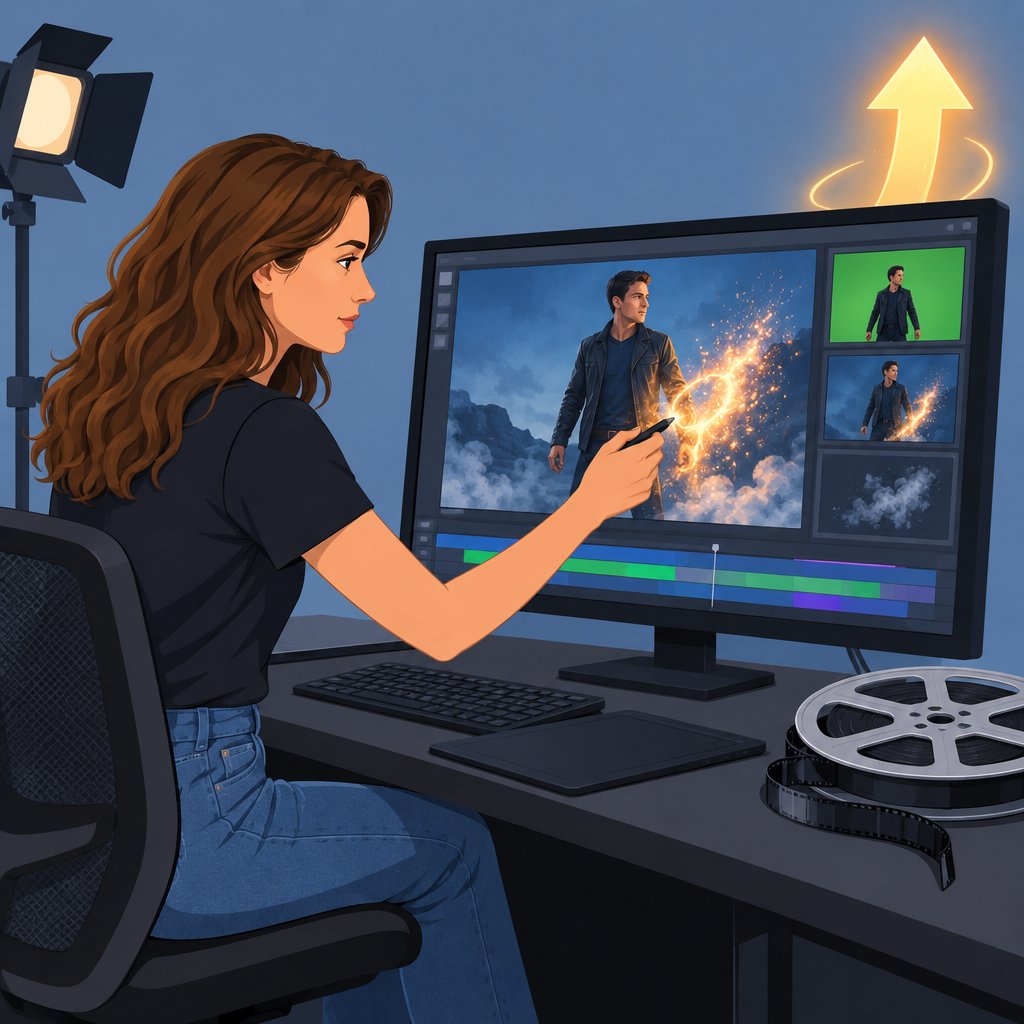
In today’s entertainment landscape, VFX and traditional filmmaking have transformed how stories appear on screen.
This relationship helps VFX artists and filmmakers create captivating narratives.
Integrating VFX into film production involves multiple stages and precise coordination between departments.
The Process of Integrating VFX into Film Production
Integrating VFX into film production requires creativity, planning, and technical coordination.
Each production stage presents unique responsibilities for filmmakers and VFX professionals.
Together, these teams develop visual effects that support the story and its intended tone.
- Pre-Production Planning: Filmmakers outline their vision and identify scenes that require VFX.
- They discuss creative ideas with VFX artists before production begins.
- Storyboarding: Detailed storyboards illustrate scenes before filming starts.
- Artists and filmmakers align the planned visual effects with the story.
- Production: VFX artists often work on set while filming occurs.
- They advise on lighting, camera angles, and practical effects that blend with VFX.
- Post-Production: VFX artists create the final effects after filming ends.
- They add digital elements, manipulate footage, and enhance scenes to achieve the desired look.
This structured process ensures that every visual element strengthens the story.
It also helps the production maintain a seamless experience for audiences.
Each stage demonstrates the essential involvement of VFX professionals.
Importance of Communication and Teamwork
Communication forms the backbone of successful collaboration between VFX artists and filmmakers.
Without effective dialogue, misunderstandings can emerge during production.
These misunderstandings may waste resources and limit creative opportunities.
- Shared Vision: Filmmakers must explain their vision clearly to VFX artists.
- This clarity helps artists bring the intended vision to life.
- Feedback Loops: Regular reviews and feedback sessions encourage improvement.
- These discussions allow teams to adjust work and preserve the original intent.
- Problem-Solving: Production challenges often require immediate attention.
- Open communication supports collaborative solutions and encourages innovation.
- Timely Updates: Teams need updates as projects develop.
- Sharing changes helps prevent unnecessary delays and confusion.
Teamwork complements effective communication throughout the production process.
A collaborative environment nurtures creativity and improves productivity.
Furthermore, shared effort strengthens the integration of VFX into each scene.
- Diverse Skill Sets: Each artist contributes unique abilities to the project.
- Combining these talents can produce groundbreaking ideas and effects.
- Creative Synergy: Collaboration can generate new concepts.
- Those concepts can elevate the quality of the final product.
- Unified Goals: Shared goals help teams move projects forward.
- Focused team members work toward a cohesive and engaging viewing experience.
- Mutual Respect: Successful collaboration encourages respect among team members.
- Valuing each contribution strengthens professional relationships and project outcomes.
Examples of Successful Collaboration
The film industry includes many examples of effective collaboration between VFX artists and filmmakers.
These partnerships have produced memorable movie moments that captivated audiences worldwide.
Several notable films demonstrate how teamwork can advance visual storytelling.
- Avatar (2009): James Cameron worked closely with VFX teams to create Pandora.
- This collaboration produced groundbreaking 3D technology and visual storytelling.
- Inception (2010): Christopher Nolan combined practical effects with VFX.
- Communication between departments created a mind-bending cinematic experience.
- The Lord of the Rings Trilogy (2001-2003): Peter Jackson’s team collaborated with Weta Digital.
- The artists transformed J.R.R. Tolkien’s world into a visually striking epic.
- Gravity (2013): Alfonso Cuaron worked closely with VFX artists to create realism in space.
- The partnership produced a visually arresting and critically acclaimed film.
These examples demonstrate the impact of teamwork on a film’s final result.
They also show how collaboration can expand the boundaries of visual storytelling.
Effective partnerships allow creative and technical teams to support one another.
The Future of Collaboration in VFX
As technology advances, collaboration between VFX artists and filmmakers will continue to evolve.
New tools and techniques will make their partnership even more important.
Consequently, future productions will require adaptable workflows and strong communication.
- Virtual Reality and Augmented Reality: These technologies will redefine storytelling.
- Filmmakers and VFX artists must collaborate closely to create immersive experiences.
- Real-Time Rendering: New rendering techniques will streamline production.
- This efficiency will support immediate visualization and adjustments.
- AI Integration: AI can significantly enhance production workflows.
- Teams will focus on using AI while preserving artistic vision.
- Remote Collaboration Tools: Remote work will increase the need for efficient communication tools.
- Filmmakers and VFX artists will adapt their methods across different locations.
The relationship between VFX artists and filmmakers remains crucial to modern entertainment.
Their collaboration encourages innovation and creativity throughout the filmmaking process.
As technology changes, this partnership will become more dynamic and influential.
Discover More: Essential Skills for Success as a Professional Photographer
Economic Impact of VFX in Entertainment Industry
Visual effects have significantly changed the entertainment industry’s economic landscape.
VFX has created a growing market and expanded employment opportunities.
As demand grows, VFX influences studio investment, employment, and production decisions.
Growth of VFX Studios and Job Opportunities
Rising VFX demand has encouraged numerous studios to open worldwide.
Transform Your Career Today
Unlock a personalized career strategy that drives real results. Get tailored advice and a roadmap designed just for you.
Start NowThese studios range from small start-ups to large corporations.
They provide digital animation, compositing, and special effects services.
- Expanding Job Market: VFX creates roles for animators, modelers, and compositors.
- Diversified Skill Sets: Professionals use software such as Maya and Nuke.
- Freelance Opportunities: Many artists work independently through flexible arrangements.
- Globalization: Studios in India, Canada, and other countries distribute opportunities widely.
Furthermore, major studios hire skilled professionals to create complex visual experiences.
Consequently, artists can find employment across many specialized roles.
Motion capture technicians and three-dimensional modelers remain highly sought after.
Budget Allocation for Blockbuster Films and Television Shows
Studios now commit substantial financial resources to VFX production.
This investment reflects the importance of polished visuals in contemporary entertainment.
Streaming platforms also fund visual effects for high-quality television series.
- Blockbuster Budgets: Some films allocate more than $100 million to VFX.
- Television Investments: Some series receive VFX budgets comparable to film budgets.
- Return on Investment: Strong visuals can improve marketability and attract audiences.
- VFX Awards: The Academy Awards and BAFTAs recognize outstanding visual effects.
Moreover, visual effects can support ticket sales and merchandise revenue.
Studios use VFX to strengthen creative storytelling and audience appeal.
As a result, visual effects can contribute to stronger commercial performance.
Challenges in Economic Allocation
Despite its benefits, VFX production creates several economic challenges.
Complex projects can cause budget overruns and unexpected expenses.
Mismanagement and late changes often increase financial pressure.
- Project Delays: Late VFX work can disrupt production schedules.
- Quality Versus Cost: Studios must balance visual quality against budget limits.
- Competition for Resources: Salary competition can challenge smaller studios.
- Technological Advancements: New software and tools can increase production costs.
Additionally, rushed work can reduce quality when teams face schedule pressure.
Limited budgets may also restrict visual storytelling opportunities.
Nevertheless, VFX investment continues to support technological and artistic development.
Future Trends in VFX Economic Growth
Several emerging trends will shape the future economics of VFX.
Technological progress will continue influencing production methods and investment strategies.
Studios will explore new formats and partnerships as audience expectations evolve.
- Increased Automation: Automation can streamline production and reduce costs.
- Augmented Reality and Virtual Reality: These technologies create new opportunities for VFX professionals.
- Cross-Platform Content: Web series and mobile content continue increasing VFX demand.
- Global Collaborations: International studios can share resources and technical expertise.
Furthermore, augmented and virtual reality can open additional revenue streams.
Cross-platform production will expand opportunities for studios and artists.
Continued VFX investment can strengthen storytelling possibilities and economic prospects.
Learn More: Essential Skills Every Screenwriter Needs to Succeed
Ethical and Social Implications of VFX
VFX has transformed modern entertainment in numerous ways.
These advancements bring stunning visuals to life.
However, they also raise important ethical and social questions.
Understanding these implications helps audiences navigate entertainment filled with digital effects.
Balancing VFX With Practical Effects
Filmmakers increasingly choose VFX instead of practical effects.
This shift creates several significant challenges for the industry.
Therefore, filmmakers should balance digital techniques with practical methods.
- Loss of Authenticity: Practical effects often produce genuine audience reactions.
- Unrealistic Portrayals: Excessive VFX can make scenes feel less authentic.
- Devalued Craftsmanship: Skilled artisans create practical effects through passion and expertise.
- Reduced Recognition: Ignoring practical crafts undermines the artists who create them.
- Viewer Fatigue: Audiences may become desensitized to excessive digital effects.
- Diminished Appreciation: Repeated VFX use can weaken appreciation for visual artistry.
- Budget Pressure: Heavy VFX use can increase production costs.
- Quality Concerns: Rising costs can strain budgets and affect film quality.
- Technological Obsolescence: Evolving technology can make older VFX techniques outdated.
- Reduced Relatability: Outdated techniques may make some films feel less relevant.
- Fewer Practical Skills: Overuse of VFX may limit practical filmmaking training.
- Weaker Learning: New filmmakers may receive less experience with traditional techniques.
These concerns show why filmmakers should combine VFX with practical effects thoughtfully.
Such balance can strengthen storytelling and maintain audience interest.
Representation and Diversity in VFX Characters
VFX plays an important role in creating diverse and inclusive characters.
Nevertheless, technology can also influence representation in harmful ways.
Creators must examine these effects before presenting digital characters to audiences.
- Cultural Misrepresentation: VFX can create characters that stereotype or misrepresent cultures.
- Harmful Norms: Such portrayals can reinforce damaging ideas and create misunderstanding.
- Missing Cultural Voices: VFX teams may not include people from depicted cultures.
- Inaccurate Details: Cultural distance can produce inaccurate digital representations.
- Digital Blackface: Predominantly white creators may use VFX to depict characters of color.
- Cultural Appropriation: This practice can create serious concerns about cultural ownership.
- Gender Representation: VFX may emphasize idealized beauty when portraying women.
- Limited Experiences: Idealized portrayals can weaken representation of diverse female lives.
- Animation Gaps: Animated films may underrepresent diverse backgrounds.
- Restricted Understanding: Limited representation can narrow children’s understanding of the world.
- Tokenism: Digitally created diversity can sometimes feel forced or superficial.
- Weak Inclusion: Token characters do not provide genuine representation.
Addressing these concerns requires collaboration, awareness, and sustained community engagement.
Creators should consult diverse voices when developing digital characters and stories.
This dialogue can produce richer narratives and more relatable characters.
Ethical Responsibilities of VFX Creators
Filmmakers, animators, and VFX artists shape social views through their creative work.
Transform Your Career Today
Unlock a personalized career strategy that drives real results. Get tailored advice and a roadmap designed just for you.
Start NowConsequently, these creators carry significant ethical responsibilities.
They must consider how digital choices affect audiences and communities.
- Representation Accountability: Creators should avoid portrayals that perpetuate harmful stereotypes.
- Respectful Accuracy: Teams should pursue accurate and respectful representation.
- Inclusive Production: Diverse teams can enrich characters, stories, and creative decisions.
- Authentic Narratives: Inclusive hiring can support more credible digital storytelling.
- Audience Transparency: Creators should disclose VFX use when promoting entertainment products.
- Managed Expectations: Transparency encourages audiences to engage with content critically.
- Practical Preservation: Filmmakers should use practical effects when appropriate.
- Artistic Continuity: Practical methods help preserve important filmmaking skills.
- Responsible Technology: VFX artists should handle sensitive subjects carefully.
- Audience Protection: Creators must consider how digital depictions affect viewers.
By accepting these responsibilities, creators can support a more ethical entertainment industry.
This approach can also promote understanding and acceptance among diverse audiences.
Future Directions for Ethical VFX
The future of VFX appears promising, yet it also presents complex challenges.
As technology evolves, ethical questions will remain important.
Therefore, the industry should prioritize responsible storytelling and representation.
- AI and Realism: Advancing technology may blur the boundaries between reality and fiction.
- Updated Guidelines: Ethical standards must develop alongside emerging technologies.
- Greater Diversity: Audiences increasingly expect authentic and inclusive representation.
- Broader Participation: Productions can respond by prioritizing diverse creative teams.
- Practical Balance: Renewed practical effects can strengthen digital storytelling.
- Traditional Skills: This balance can help preserve established filmmaking methods.
- Ethical Education: Training programs can teach responsible storytelling practices.
- Representational Accuracy: Education can prepare filmmakers to create more accurate characters.
- Audience Engagement: Filmmakers should seek audience perspectives during creative development.
- Informed Decisions: Audience feedback can guide future entertainment projects.
As VFX shapes entertainment, creators must recognize its ethical and social effects.
Addressing these concerns can support a more inclusive and responsible industry.
At the same time, thoughtful practices can encourage continued creative innovation.
VFX Applications and Future Possibilities
Visual effects shape modern entertainment by turning ordinary stories into extraordinary experiences.
Directors and producers use VFX to create captivating visuals for audiences.
Moreover, VFX supports filmmaking with breathtaking landscapes and fantastical creatures.
Avatar and Avengers: Endgame demonstrate how effects can expand visual storytelling.
These films transport viewers to worlds that practical effects alone cannot capture.
Television also uses VFX to strengthen fantasy settings and large-scale action.
Game of Thrones used effects to bring mythical creatures and epic battles to life.
Consequently, viewers entered intricate worlds that earned widespread acclaim.
Video games use VFX to build realistic environments and animate characters.
Meanwhile, gamers expect high-quality visuals, encouraging companies to improve their technology.
These innovations produce increasingly impressive gaming experiences.
Future VFX development may deliver greater realism as technology advances.
Artificial intelligence and machine learning could streamline production and encourage further innovation.
Virtual reality and augmented reality may also expand interactive entertainment.
These mediums blend digital elements with reality and offer distinctive audience experiences.
Thus, VFX will continue guiding entertainment toward new creative possibilities.
Additional Resources
Google search results for The Impact of VFX on Modern Entertainment Media and Communication
Bing search results for The Impact of VFX on Modern Entertainment Media and Communication


