




Understanding the Role of Sound Design
Sound design plays a crucial role across multiple industries.
It enhances storytelling in film, games, and theater.
Sound designers craft auditory experiences that captivate audiences.
Their work significantly influences the emotional and psychological impact of media.
The Impact of Immersive Sound Experiences
Audiences crave immersive experiences that engage their senses.
Skilled sound designers create environments that transport listeners to new worlds.
They manipulate sound to evoke emotions and reactions.
Through effects, melodies, and silence, they build tension and release.
Consequently, their expertise elevates narrative content and deepens engagement.
Essential Skills for Aspiring Sound Designers
To succeed in sound design, you must develop essential skills.
First, proficiency in audio software is vital.
Learn programs like Pro Tools, Logic Pro, or Ableton Live.
Next, cultivate a strong understanding of acoustics.
This knowledge helps you manipulate sound effectively.
Additionally, develop a keen ear for sound quality and detail.
Building a Portfolio
A well-curated portfolio showcases your skills and creativity.
Include a variety of projects that display your range.
Meanwhile, collaborate with filmmakers, game developers, or musicians to gain experience.
Document your work through high-quality recordings and descriptions.
Ultimately, a compelling portfolio can set you apart from other candidates.
Networking and Professional Development
Networking is crucial for starting your career in sound design.
Attend industry events, workshops, and conferences.
Additionally, join online forums and social media groups related to sound design.
Connect with professionals who can provide guidance or job leads.
As a result, building relationships in the industry can open doors to opportunities.
Applying for Positions
Once you have your portfolio and network, begin applying for jobs.
Tailor your resume and cover letter for each application.
Highlight your relevant skills and experiences.
However, remain persistent, because landing your first job may take time.
Stay passionate and proactive in your pursuit of sound design opportunities.
Research and Education
Embarking on a sound design career requires a solid foundation.
Researching various programs helps you choose suitable educational opportunities.
Sound design significantly influences games, films, and music.
Therefore, thoughtful preparation can guide your professional journey.
Researching Sound Design Programs and Schools
First, identify reputable institutions that offer specialized sound design programs.
Then, compare their curricula, faculty, facilities, and learning environments.
Finally, connect each program’s offerings with your career goals and learning style.
- Identify Reputable Institutions: Research schools with specialized sound design programs, experienced faculty, and suitable facilities.
- Compare Curriculum: Examine courses covering audio engineering, sound recording, and post-production.
- Read Reviews: Review alumni testimonials and program ratings for practical insights.
- Visit Schools: Tour campuses and studios when possible to experience their environments firsthand.
- Speak with Alumni: Ask former students about their experiences and post-graduation employment opportunities.
These steps help you evaluate educational programs critically.
Moreover, a strong program combines creative development with technical training.
Degrees and Certifications in Sound Design
A degree or certification can distinguish you from other applicants.
Transform Your Career Today
Unlock a personalized career strategy that drives real results. Get tailored advice and a roadmap designed just for you.
Start NowAdditionally, formal education can demonstrate preparation to potential employers.
However, you should weigh long-term benefits against educational costs.
- Bachelor’s Degree: Programs in sound design, audio engineering, or music technology provide extensive knowledge.
- Associate Degree: Associate programs offer a quicker path toward entry-level positions.
- Certification Programs: Certificates can develop specific skills and software knowledge.
- Importance of Accreditation: Accreditation supports educational quality and industry recognition.
- Financial Aid: Scholarships and grants can reduce financial pressures during your studies.
Online Courses and Workshops for Skill Development
Online learning gives aspiring sound designers flexible access to specialized instruction.
Furthermore, learners can focus on particular skills or software applications.
Workshops also provide practical experience and valuable opportunities for networking.
- Udemy: Udemy offers affordable courses covering basic editing and advanced mixing techniques.
- Coursera: Coursera partners with universities and includes courses with hands-on projects.
- Skillshare: Skillshare provides workshops emphasizing practical skills and creative exercises.
- LinkedIn Learning: LinkedIn Learning teaches industry-standard software used in sound design.
- Local Workshops: Community colleges and studios may provide hands-on practice and networking opportunities.
Online courses allow you to learn at your own pace.
Meanwhile, workshops can connect you with people who share your interests.
Networking Strategies for Sound Design Careers
Networking connects aspiring sound designers with industry professionals.
It can also reveal job openings and provide professional support.
Therefore, consistent engagement can strengthen relationships throughout your career.
- Attend Industry Events: Participate in film festivals, audio expos, and related networking events.
- Join Online Communities: Engage with forums and social media groups focused on sound design.
- Build a Portfolio: Showcase your strongest sound design projects in an accessible portfolio.
- Seek Mentorship: Ask industry mentors specific questions about their professional experiences.
- Utilize LinkedIn: Optimize your profile and engage with sound design professionals.
Share your work to invite feedback from relevant professional communities.
Also, maintain regular contact with people who support your development.
Staying Current with Sound Design Industry Trends
The sound design industry continues to evolve.
Consequently, current knowledge helps you adapt and remain competitive.
Continuous learning also supports improvement in this creative field.
- Subscribe to Industry Publications: Read magazines and journals about sound design technologies and practices.
- Follow Influential Professionals: Track industry leaders and consider how their insights guide your growth.
- Attend Workshops: Learn cutting-edge techniques through workshops and practical demonstrations.
- Join Professional Organizations: Organizations like the Audio Engineering Society offer resources and networking opportunities.
- Watch Tutorials: Tutorials from professionals can strengthen your techniques and inspire new approaches.
Follow reliable industry sources to understand emerging tools and methods.
As a result, informed preparation can support your progress toward a first sound design job.
Build a Sound Design Portfolio
Your portfolio serves as your calling card in the sound design industry.
It showcases your skills and creativity to potential employers.
A strong portfolio can support your efforts to secure your first job.
Showcase Your Sound Design Projects
Begin by compiling your sound design projects in one organized collection.
Include completed works and ongoing projects to demonstrate your growth.
Next, present your work through a website or another digital platform.
- Your collection can demonstrate your abilities through carefully selected projects.
- A professional format can make your presentations easier to explore.
- An interactive element can help captivate your audience.
Include Varied Work Samples
Varied samples can demonstrate your versatility as a sound designer.
Include projects from several mediums to show how you approach different formats.
Choose examples that reveal your ability to shape atmosphere, immersion, and sound layers.
- Film: Show sound design from short films or independent projects.
- Video games: Include sound effects and immersive audio from game development projects.
- Music projects: Feature sound mixing or creative soundscapes from musical compositions.
- Podcasts or audio installations: Showcase narration and ambient sound design when available.
Demonstrate Range and Creativity
Creativity should remain visible throughout your portfolio.
Present different styles and genres to show your adaptability.
Also, explain how your choices reflect your range as a sound designer.
- Different genres: Include horror, comedy, thriller, and educational projects.
- Different roles: Highlight work as a sound editor or sound mixer.
- Innovative techniques: Show techniques such as foley art or field recording.
- Collaborative work: Emphasize teamwork across films, games, and other media.
Prioritize Audio Quality
Quality matters more than quantity when you build a portfolio.
Each sample should present the strongest aspects of your work.
Therefore, refine every project until the audio sounds polished and well mixed.
Poor-quality sound can distract employers from your abilities.
Seek feedback from peers or mentors to identify opportunities for improvement.
Curate Projects with Purpose
Select projects that reflect your interests and career goals.
Align your samples with the types of jobs you want.
This targeted approach can make your portfolio more appealing to specific employers.
For example, prioritize game-related samples when you want to work in gaming.
Finally, remove less relevant work that overcrowds your portfolio.
Explain the Story Behind Each Sample
Each portfolio piece should communicate a clear story.
Transform Your Career Today
Unlock a personalized career strategy that drives real results. Get tailored advice and a roadmap designed just for you.
Start NowAccompany every audio clip with a concise description.
Explain the context, your role, and the challenges you faced.
This information gives employers insight into your thought process.
Sharing your journey can create a stronger connection to your work.
- Project background: Describe the project and its purpose briefly.
- Your contribution: Clarify which sound design elements you handled.
- Techniques used: Mention the techniques or tools you employed.
- Outcome or reception: Note audience responses when that information exists.
Keep Your Portfolio Updated
Sound design continues to evolve, so review your portfolio regularly.
Add new projects that represent your current skill level.
Refreshing your portfolio helps it remain accurate and relevant.
Set a schedule for reviewing and updating your samples.
This practice shows employers that you remain proactive and committed.
Use Social Media and Networking Platforms
A dedicated portfolio site can work alongside social media platforms.
Share project snippets or behind-the-scenes content through those channels.
Additionally, discussions about sound design can help attract attention.
Networking may create opportunities for jobs and collaborations.
Join sound design groups and forums to expand your reach.
Interact with other designers, exchange ideas, and showcase your work.
Use Constructive Criticism to Improve
Feedback plays an important role in professional growth.
Share your portfolio with people who can offer useful insights.
Fellow designers, mentors, and friends can identify weaknesses or improvements.
Embrace criticism as an opportunity to refine your work.
Regularly reevaluate your samples using the feedback you receive.
Use Your Portfolio to Support Your Career
Your portfolio can support your efforts to secure your first sound design job.
Curated, varied, and polished samples can present your skills clearly.
Keep the collection current and aligned with your career goals.
With focused preparation, your portfolio can help launch your sound design career.
Learn More: Day in the Life of a Print Production Manager
Landing your first sound designer job requires more than technical ability.
Networking connects you with professionals who can expand opportunities and strengthen industry knowledge.
Consistent engagement helps you learn from others and discover possible collaborations.
Attend Industry Events
Industry events create direct opportunities to meet collaborators, employers, and mentors.
Choose gatherings that match your interests and support your professional goals.
During each conversation, introduce yourself clearly and exchange contact information for later follow-up.
- Conferences offer keynote speeches, workshops, and panels about sound design.
- Workshops provide hands-on practice and encourage collaboration with instructors and peers.
- Trade shows reveal new sound design technologies and connect you with company representatives.
- Film festivals demonstrate sound design and introduce you to filmmakers and sound professionals.
- Local meetups create smaller settings for meaningful professional relationships.
Approach conversations with genuine interest because professionals appreciate authentic interactions.
Furthermore, active participation makes it easier for others to remember your skills and interests.
Follow up afterward while the conversation remains fresh.
Join Online Sound Design Communities
Online communities connect you with sound designers across different regions and professional backgrounds.
Regular participation can improve your knowledge while helping you build a visible reputation.
Respectful discussions and useful contributions encourage stronger connections over time.
- Social media groups on Facebook and LinkedIn bring together people with shared interests.
- Reddit communities let you ask questions, share knowledge, and participate in discussions.
- Discord servers support real-time conversations, collaborations, and project discussions.
- Gearslutz and KVR Audio host technical conversations about sound design equipment and techniques.
- YouTube communities allow you to connect through thoughtful comments and shared interests.
Offer helpful responses when you can instead of focusing only on self-promotion.
Likewise, remain open-minded when others present different methods or perspectives.
Consistent online engagement gradually turns casual interactions into professional relationships.
Transform Your Career Today
Unlock a personalized career strategy that drives real results. Get tailored advice and a roadmap designed just for you.
Start NowDevelop a Mentorship Connection
A mentor can provide practical guidance and valuable insight into industry expectations.
Choose someone whose work inspires you and reflects your professional interests.
Before contacting them, research their background and identify genuine points of connection.
- Use LinkedIn or another professional network to send a personalized message.
- Explain what you admire about their work and request guidance politely.
- Send an email when contact information is available and describe your goals clearly.
- Request an informational interview about their career path and prepare thoughtful questions.
- Follow up politely when you do not receive an immediate response.
Mentors can help you shorten your learning curve and improve your decision-making.
They may also offer useful feedback on projects, skills, and career choices.
Approach mentorship with preparation, gratitude, and respect for the other person’s time.
Nurture Professional Relationships
Networking succeeds when you maintain relationships instead of collecting contacts.
Show genuine interest in the work and progress of people within your network.
Small, consistent actions can strengthen trust and encourage future collaboration.
- Check in periodically with contacts and ask about their current work.
- Attend events hosted by people in your network to show continued support.
- Share relevant articles, tools, or resources that could benefit your contacts.
- Offer assistance with projects or provide constructive feedback when appropriate.
- Keep your commitments because reliability builds professional trust.
These habits demonstrate that you value people beyond immediate job opportunities.
Additionally, dependable support can encourage others to recommend you for future work.
Keep every interaction positive, useful, and focused on mutual professional growth.
Turn Networking Into Career Progress
Industry events, online communities, and mentorship can expand your professional opportunities.
However, meaningful networking depends on genuine engagement rather than quick exchanges.
Offer support, share knowledge, and remain willing to learn from other sound professionals.
With persistence, your relationships can lead to collaborations and your first sound design job.
Discover More: The Best Film Critic Communities to Join Online
Gain Experience
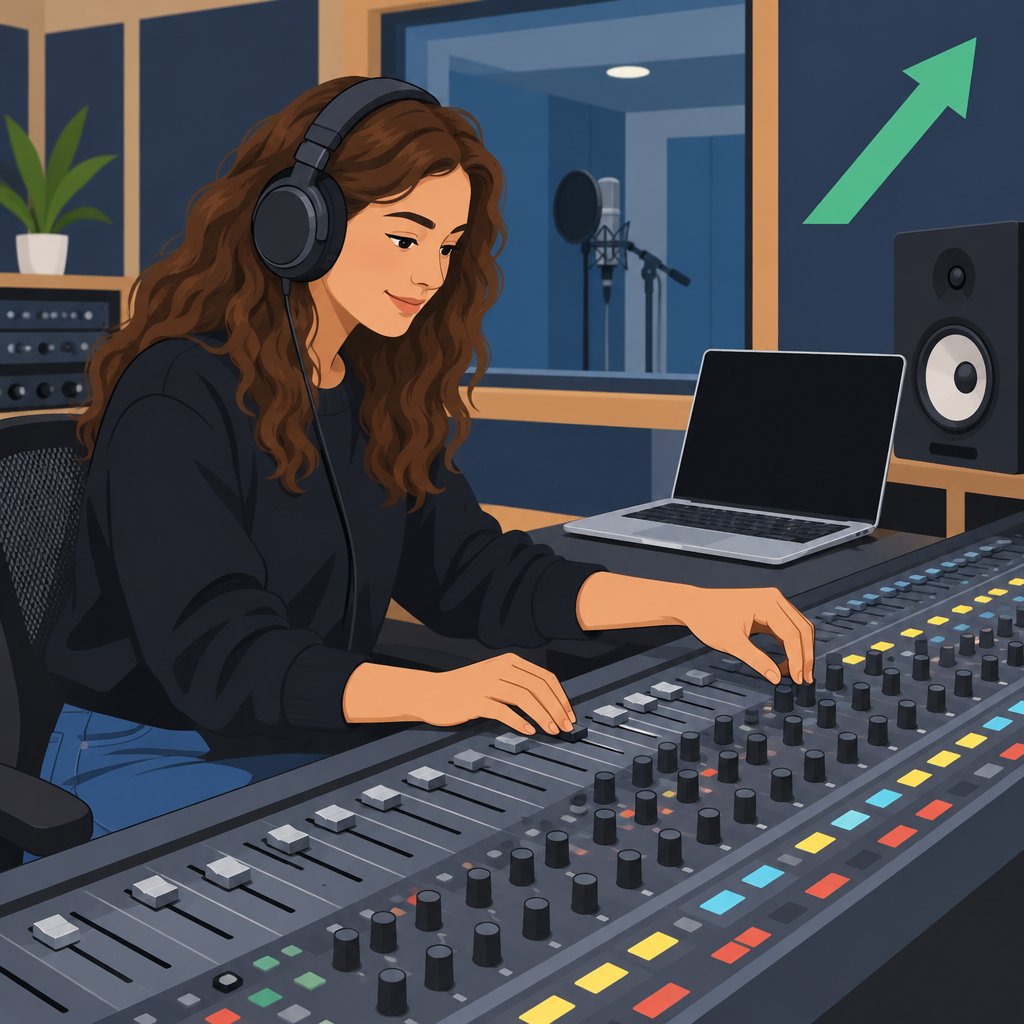
Practical experience helps aspiring sound designers strengthen their abilities.
It also helps them understand professional workflows and workplace expectations.
Internships, volunteering, and freelance projects provide valuable opportunities to apply sound design skills.
Internships and Entry-Level Positions
Internships often provide an effective entry point into the sound design industry.
Many companies offer placements lasting several months or up to one year.
These positions let aspiring designers learn directly from experienced professionals.
- Search Job Boards: Websites like Indeed and Glassdoor list sound design internships and entry-level positions.
- Network: Connect with professionals through LinkedIn and industry events to discover opportunities.
- Check University Programs: Educational institutions often maintain relationships with companies offering internships.
- Contact Studios Directly: Reach out to studios and companies to ask about available internships.
Internships place participants in collaborative environments with experienced designers.
They also introduce common tools, techniques, and project workflows.
As a result, interns can develop stronger technical and professional habits.
Volunteer Projects and Student Films
Volunteering provides hands-on experience while supporting local filmmakers and student productions.
These projects allow sound designers to practice their skills under real creative constraints.
They also create opportunities to build relationships with filmmakers and other collaborators.
- Build Connections: Collaborating with filmmakers can create valuable industry relationships.
- Strengthen Skills: Diverse projects help sound designers refine their creative and technical abilities.
- Practice Collaboration: Project teams teach clear communication and flexible problem-solving.
- Support Portfolio Evidence: Completed projects demonstrate practical experience to future clients or employers.
Contact local universities and colleges to ask about sound design volunteer opportunities.
Film clubs, community boards, and online forums can also share project requests.
Additionally, social media posts can announce your willingness to assist filmmakers.
Freelance Sound Design Projects
Freelancing lets sound designers gain experience while handling smaller assignments.
Small projects encourage adaptability because each client may have different creative requirements.
Freelancers also practice communication, scheduling, and deadline management.
- Use Freelance Platforms: Upwork, Fiverr, and Freelancer connect clients with audio service providers.
- Share Work Socially: Instagram and Facebook can help attract potential clients.
- Join Online Communities: Forums and groups can reveal project opportunities and helpful discussions.
- Encourage Referrals: Friends, family, and acquaintances may recommend your services to others.
Clear client communication helps define expectations before work begins.
Written agreements can also clarify deliverables, deadlines, and project responsibilities.
Meanwhile, varied assignments can help freelancers develop a distinctive working style.
Current Sound Design Trends
The sound design field changes quickly as tools and techniques continue developing.
Regular learning helps designers keep their skills relevant and competitive.
Transform Your Career Today
Unlock a personalized career strategy that drives real results. Get tailored advice and a roadmap designed just for you.
Start NowIndustry updates can also reveal useful software, methods, and professional opportunities.
- Read Industry Blogs: Pro Sound News and Sound on Sound publish articles about audio topics.
- Attend Workshops: Workshops and meetups introduce new techniques through practical learning.
- Watch Webinars: Webinars often cover current trends and software tutorials.
- Join Professional Organizations: The Audio Engineering Society supports networking and continued learning.
Ongoing education helps sound designers respond confidently to changing industry expectations.
Workshops and webinars can expand technical knowledge without requiring a formal program.
Professional organizations also provide spaces for learning and meaningful industry connections.
Gain More Insights: Finding Voiceover Work: Best Platforms and Agencies
Technical skills remain essential for success in the evolving field of sound design.
Aspiring sound designers should continually develop, practice, and refine their abilities.
Staying Current With Sound Design Technology
Sound design changes quickly as new software and technologies emerge.
Therefore, staying informed helps you maintain relevant knowledge and skills.
Use several learning methods to follow important developments in the field.
- Read Industry Magazines: Publications such as Sound on Sound and Mix cover software and technology updates.
- Join Online Forums: Communities on Gearslutz and Reddit discuss new tools, updates, and working methods.
- Attend Workshops: Industry professionals often use workshops to explain current technologies and techniques.
- Watch Tutorials: YouTube and Skillshare provide tutorials that support flexible, self-paced learning.
- Follow Influencers: Sound designers share insights about tools and techniques through social media platforms.
Regular updates can strengthen your preparation for future sound design opportunities.
Building Proficiency With Editing and Mixing Tools
Editing and mixing tools form a foundation for effective sound design work.
Regular practice builds familiarity, confidence, and technical control.
Meanwhile, varied exercises can expose you to different soundscapes and workflows.
- Schedule Daily Workouts: Reserve time each day for focused editing or mixing practice.
- Use Sample Projects: Replicate different styles or genres to study varied soundscapes.
- Collaborate With Others: Work with musicians or sound designers to encounter new techniques and perspectives.
- Analyze Finished Tracks: Study professional tracks to understand how creators balance vocals and instruments.
- Join Online Challenges: Mixing and editing contests can encourage focused improvement under pressure.
As practice continues, your technical decisions can become more confident and consistent.
Experimenting With Effects and Sound Creation
Experimentation can expand both your technical abilities and your creative approach.
Testing unfamiliar sounds encourages you to discover distinctive textures and combinations.
Accept trial and error as a necessary part of developing your artistic voice.
- Explore Sound Libraries: Different libraries can introduce samples outside your usual choices.
- Record Field Sounds: Nature and urban recordings can add authentic qualities to projects.
- Layer Sounds: Combining multiple sounds can produce distinctive textures and soundscapes.
- Apply Plugins and Effects: Modulation, distortion, and reverb can create different sonic alterations.
- Mix Genres: Combining musical styles can produce unexpected creative results.
Through experimentation, you can develop methods that support your individual sound design style.
Strengthening Skills Through Professional Feedback
Technical development also benefits from feedback and professional interaction.
Other sound designers can offer perspectives that reveal strengths and areas for improvement.
Additionally, professional communities can support knowledge exchange and future collaboration.
- Join Professional Associations: The Audio Engineering Society offers resources and networking opportunities.
- Attend Conferences: Industry events provide opportunities to meet other sound professionals.
- Seek Mentorship: An experienced sound designer can provide guidance and constructive feedback.
- Engage On Social Media: LinkedIn can help you share work and connect with professionals.
- Participate In Meetups: Local groups can encourage knowledge exchange and professional interaction.
Constructive feedback can sharpen your methods and broaden your understanding of sound design work.
Maintaining Continuous Technical Growth
Developing technical skills requires consistent attention and deliberate practice.
Stay curious as you explore tools, techniques, experiments, and professional feedback.
These habits can help you prepare for opportunities in sound design.
Keep refining your abilities as the field continues to evolve.
Learn More: Tips for Aspiring Film Producers: Getting Started
Showcase Your Work
To land your first sound design job, you must showcase your work effectively.
Your portfolio provides strong evidence of your creativity and technical ability.
It also helps potential employers evaluate your skills and project experience.
Several strategies can improve your visibility and increase your hiring opportunities.
Create a Professional Website or Online Portfolio
A professional website or online portfolio acts as your digital business card.
It should present your talents, projects, and professional identity clearly.
Use the following steps to create an effective website.
- Choose a Domain Name: Select a domain that reflects your name or brand.
- Keep Spelling Simple: Avoid complicated spellings that visitors may forget.
- Use User-Friendly Design: Choose a clean layout with simple navigation.
- Display Your Best Work: Curate projects that highlight your strongest abilities.
- Prioritize Quality: Present excellent work instead of adding unnecessary projects.
- Include Detailed Descriptions: Explain your role, challenges, and project outcomes.
- Add a Bio Section: Share your background and sound design experience.
- Provide Contact Information: Add an email address or contact form.
Your website should reflect your personal brand and professional standards.
Update it regularly with recent projects and accomplishments.
Share Your Work Through Social Media and Industry Websites
Social media can help sound designers reach wider audiences.
Platforms such as Instagram, Twitter, and LinkedIn can increase your visibility.
Use these approaches to strengthen your online presence.
Transform Your Career Today
Unlock a personalized career strategy that drives real results. Get tailored advice and a roadmap designed just for you.
Start Now- Utilize Visual Content: Capture behind-the-scenes footage from your projects.
- Post Regularly: Share project updates and sound design insights.
- Engage with Your Audience: Respond to comments and questions.
- Build Discussions: Encourage conversations about sound design topics.
- Follow Industry Professionals: Connect with established sound designers.
- Engage Thoughtfully: Comment on professional posts to gain insights and visibility.
- Use Relevant Hashtags: Include terms related to sound design, films, and video games.
Also, participate on industry-specific platforms such as SoundCloud and Behance.
Share your work, join discussions, and seek feedback from peers and experts.
Submit Projects to Festivals, Game Jams, and Competitions
Festivals, game jams, and competitions can increase your exposure.
These events often attract professionals seeking fresh talent.
Follow these practices when preparing your submissions.
- Research Relevant Festivals: Find events that focus on sound design or related fields.
- Match Project Types: Choose events that suit your project.
- Follow Submission Guidelines: Read every requirement carefully before submitting.
- Showcase Diverse Work: Submit projects involving film, video games, and commercials.
- Promote Your Participation: Tell your audience about your event submissions.
- Network with Participants: Connect with other entrants and discuss future collaborations.
Submissions can improve your visibility and provide valuable feedback.
Awards and recognition can also strengthen your resume.
Join Online Communities and Forums
Online communities provide useful spaces for showcasing work and building professional relationships.
Many forums allow sound designers to share projects and exchange critiques.
Use these strategies to participate effectively.
- Participate Actively: Join discussions and share useful knowledge.
- Raise Your Profile: Contribute consistently to strengthen your presence.
- Share Your Projects: Post completed work and request feedback.
- Apply Constructive Criticism: Use feedback to improve your skills.
- Seek Collaborations: Find opportunities to work with other creators.
- Expand Your Network: Use collaboration to enrich your portfolio.
- Stay Updated: Follow industry trends and news.
- Create Relevant Work: Use current knowledge to guide your projects.
These communities can support learning and professional growth.
They may also help you find mentors and refine your craft.
Continue Developing Your Sound Design Skills
Continuous learning remains important as the sound design industry evolves.
Current knowledge helps you maintain a competitive portfolio.
Use the following methods to continue improving.
- Take Online Courses: Study specialized sound design subjects through online courses.
- Attend Workshops and Seminars: Explore new techniques through local or online events.
- Practice Regularly: Experiment consistently to strengthen your abilities.
- Solicit Feedback: Ask peers to evaluate your work.
Regular improvement increases the quality of your portfolio.
A strong skill set makes you a more attractive candidate.
Prioritize your website, maintain your online presence, and participate in industry events.
These actions can help employers notice your work and support your first sound design job search.
A strong work ethic can guide your progress toward a professional sound design career.
This ethic helps you approach opportunities, challenges, deadlines, quality standards, and collaborations responsibly.
Furthermore, consistent professional habits can strengthen your readiness for a first sound design job.
Proactive Approaches to Sound Design Opportunities
Proactivity forms the foundation of a strong work ethic.
Taking initiative can help you discover opportunities that might otherwise remain unavailable.
Therefore, actively pursuing projects can demonstrate your commitment to sound design.
- Constantly seek internships, freelance gigs, or volunteer projects that let you demonstrate your skills.
- Attend industry events, workshops, and seminars to meet sound designers, producers, and potential employers.
- Explore job boards, social media, and sound design forums to expand your search.
- Use LinkedIn to increase your professional reach and discover possible opportunities.
- Contact studios or professionals directly to express interest in collaborative projects or internships.
- Create short films, personal sound art, or other projects when available opportunities remain limited.
Professional Growth Through New Challenges
New challenges can sharpen your skills and strengthen your portfolio.
Stepping beyond familiar tasks can also broaden your professional abilities.
As a result, purposeful experimentation can prepare you for varied sound design work.
- Experiment with different software and hardware to develop greater adaptability.
- Work across gaming, film, live events, and other genres to diversify your experience.
- Use critiques as resources for improving your sound design practice.
- Set realistic short-term and long-term objectives to measure your progress.
- Follow industry news and technological developments to remain relevant.
Reliable Deadline Management
Deadlines remain a critical part of creative work.
Meeting them demonstrates reliability and professionalism to clients and collaborators.
Accordingly, deliberate planning can help you complete assignments consistently.
- Use digital calendars or planners to organize tasks and prioritize your workload.
- Divide large assignments into smaller tasks that you can manage effectively.
- Allocate extra time for unexpected challenges and possible setbacks.
- Inform clients or collaborators promptly when you expect a delay.
- Follow a consistent routine to strengthen productivity and work habits.
Consistent Quality in Sound Design Work
High-quality work can distinguish you from other sound design candidates.
Consistent standards can also encourage future professional opportunities.
For that reason, careful review and regular practice should guide your creative process.
- Use industry-standard software and equipment to support strong results.
- Practice regularly to improve your sound design abilities.
- Listen to varied genres and sound design styles for fresh inspiration.
- Review and revise each project before submitting it.
- Ask others for feedback and apply useful suggestions to your work.
- Curate a portfolio that presents your strongest and most versatile projects.
Collaborative Professional Relationships
Collaboration can support personal growth and expand your professional network.
Working with others also exposes you to different perspectives and methods.
Moreover, respectful partnerships can create long-term professional benefits.
- Join local meetups for sound designers, musicians, or filmmakers.
- Participate in online sound design communities and engage constructively with members.
- Seek a mentor who can offer advice related to your aspirations.
- Offer your skills to create mutually beneficial collaborative partnerships.
- Remain open to learning from the skills and experiences of other professionals.
Developing a strong work ethic requires an ongoing commitment to professional growth.
Proactive habits, challenge-seeking, reliable scheduling, quality work, and collaboration can strengthen your professional position.
These practices can also support your efforts to secure your first job in sound design.
Transform Your Career Today
Unlock a personalized career strategy that drives real results. Get tailored advice and a roadmap designed just for you.
Start NowBuilding Momentum Toward a Sound Design Career
A strategic approach can help you pursue your first sound design job.
Begin by presenting a portfolio that reveals your unique sound identity.
Meanwhile, connect with industry professionals through events and online platforms.
Although rejections happen, persistence can keep your job search moving forward.
Seek feedback regularly, then use it to strengthen your skills.
Volunteer projects can provide practical experience and broaden your professional network.
For each opportunity, tailor your resume and cover letter to its requirements.
Highlight experiences that match the position’s expectations.
Additionally, develop a personal brand that reflects your creativity and sound design style.
Share projects and insights through social media and a personal website.
Participate in forums and discussions to engage with the sound design community.
This involvement can create valuable connections and reveal new opportunities.
Passion and creativity remain essential as you develop your sound design practice.
Therefore, celebrate small successes while continuing to learn and grow.
Stay curious, and experiment with techniques that expand your artistry.
Ultimately, determination can distinguish you in this competitive field.
Commit to lifelong learning and adaptation as the industry continues evolving.
Your unique perspective and skills can lead to exciting opportunities.
Stay dedicated to your craft, even when progress takes time.
Trust that consistent effort can support your long-term growth.
Additional Resources
Google search results for How to Land Your First Job as a Sound Designer Media and Communication
Bing search results for How to Land Your First Job as a Sound Designer Media and Communication


