




Media Training for Press Secretaries
Media training equips press secretaries to navigate complex media environments.
Today, effective communication remains crucial in a fast-paced world.
Press secretaries manage crises while interpreting changing media narratives.
Meanwhile, information spreads rapidly across many platforms.
Social media amplifies messages and can also spread misinformation.
Therefore, strategic communication matters more than ever.
Press secretaries also work with diverse reporters and teams.
Each interaction creates unique dynamics and requires adaptability.
Additionally, tight deadlines and high pressure shape their daily responsibilities.
This environment demands expertise, confidence, and consistent messaging.
Effective training prepares them to handle these situations with poise.
This guidance presents best practices for successful media training.
First, press secretaries should understand their audiences.
Knowing the audience helps them tailor messages effectively.
Second, interview practice can significantly strengthen confidence.
Mock interviews recreate high-pressure situations and sharpen message delivery.
They also help press secretaries anticipate challenging questions.
Third, press secretaries should use various media platforms strategically.
Each outlet has a distinct style and audience.
Understanding those differences helps them customize their approach.
Fourth, they must remain composed during on-the-spot interviews.
Calm behavior can transform a difficult moment into an opportunity.
Furthermore, body language and vocal tone strongly influence communication.
Finally, continuous learning remains vital for press secretaries.
The media landscape changes rapidly, so they must continually adapt.
Regular workshops and training sessions support professional growth.
By applying these practices, press secretaries can navigate media environments skillfully and confidently.
Understanding the Role of a Press Secretary
A press secretary manages communication between an organization and the media.
This position requires a strong understanding of organizational goals and public perception.
During challenging periods, the press secretary helps communicate the organization’s message clearly.
Responsibilities of a Press Secretary
A press secretary serves as a communication expert and organizational spokesperson.
They ensure that public statements remain clear, accurate, and consistent.
- Media Relations: They build and maintain relationships with journalists and media outlets.
- Press Releases: They write and distribute releases that communicate important organizational news.
- Media Events: They organize press conferences and other events that support key messages.
- Message Development: They create consistent messages that align with organizational goals.
- Crisis Communication: They share accurate information when the organization faces difficult circumstances.
These duties require adaptability, preparation, and awareness of changing media conditions.
A proactive press secretary identifies communication challenges before they affect public understanding.
Connecting Organizations With the Public
A press secretary connects organizational leaders with the public.
They translate complex information into accessible content for different audiences.
- Information Dissemination: They deliver important updates promptly through appropriate communication channels.
- Public Perception Management: They guide information flow and support a positive public image.
- Feedback Loop: They collect public reactions that can inform organizational decisions.
- Building Trust: They encourage confidence through transparent and responsive communication.
This connection matters because the public expects timely and accurate information.
By listening carefully, the press secretary can address concerns from both media representatives and community members.
Essential Skills for Effective Press Secretaries
The role demands several complementary skills.
These abilities help press secretaries respond effectively across different communication situations.
Transform Your Career Today
Unlock a personalized career strategy that drives real results. Get tailored advice and a roadmap designed just for you.
Start Now- Communication: They present information clearly through strong written and verbal communication.
- Public Speaking: They address audiences and journalists with confidence.
- Crisis Management: They make thoughtful decisions while handling difficult situations under pressure.
- Strategic Thinking: They align communication plans with organizational objectives.
- Empathy: They recognize audience needs and adapt messages accordingly.
Together, these skills support clear messaging and thoughtful public engagement.
Press secretaries should continue refining their abilities as communication conditions change.
Strengthening Organizational Communication
A press secretary holds an important position within an organization’s communication strategy.
Strong communication, crisis management, and strategic thinking support effective performance.
Organizations benefit when press secretaries communicate responsibly and protect public trust.
Media Evolution in the Digital Age
Technology and changing consumer behaviors continue to reshape the media landscape.
Digital platforms have transformed how organizations convey messages and how audiences consume information.
Therefore, press secretaries must understand these changes to navigate their responsibilities effectively.
- Increased Accessibility: Digital platforms provide instant news access from almost anywhere.
- 24/7 News Cycle: Faster news cycles require press secretaries to respond quickly.
- Decline of Traditional Media: Newspapers and broadcasters face downsizing as audiences move online.
- Interactive Journalism: Audiences participate in discussions, changing how press secretaries develop announcements.
Social Media Implications for Press Secretaries
Social media has changed how information spreads across public audiences.
These platforms encourage immediate communication and direct interaction with audiences.
Consequently, press secretaries must communicate quickly while remaining personable and transparent.
- Real-Time Communication: Social platforms enable immediate information sharing during developing events.
- Direct Audience Engagement: Press secretaries can interact directly with their audiences.
- Influencer Impact: Influencers can shape public opinion and influence developing narratives.
- Analytics and Feedback: Engagement data helps press secretaries adjust their messages.
Comparing Traditional and Digital Media Channels
Each media channel reaches audiences through different formats and timelines.
Traditional outlets often provide structure, while digital platforms encourage speed and interaction.
Press secretaries must therefore tailor their communication strategies to each channel.
Traditional Media Channels
Print media supports detailed analysis but usually operates on longer timelines.
Broadcast media delivers immediate news while working within strict time limits.
Press releases provide formal announcements that journalists can evaluate and share.
- Print Media: Newspapers and magazines offer detailed analysis for readers.
- Broadcast Media: Television and radio deliver immediate news within limited timeframes.
- Press Releases: Formal announcements must follow clear journalistic standards.
Digital Media Channels
Social platforms support quick exchanges and require concise, conversational content.
Blogs give press secretaries space to explain complex issues and demonstrate expertise.
Podcasts and videos encourage active audience engagement through storytelling.
- Social Media Platforms: Twitter and Facebook support quick, engaging interactions.
- Blogs: Blogs allow press secretaries to develop longer-form explanations.
- Podcasts and Videos: These formats engage audiences through active storytelling.
Strategic Adaptation Across Media Formats
The media landscape continues to evolve through technology and changing audience habits.
Press secretaries can combine traditional practices with digital opportunities to improve communication.
Continuous learning helps them respond to new platforms, analytics, and audience expectations.
A proactive approach supports stronger engagement in a fast-paced media environment.
Uncover the Details: Content Strategist Salary Expectations and Trends
Media training helps press secretaries communicate effectively with journalists and the public.
It provides practical principles for handling complex media relationships and delivering important information.
Press secretaries strengthen their performance by practicing these principles consistently.
Clear and Concise Messaging
Clear messaging helps audiences understand information without confusion.
Concise statements also improve retention, engagement, authority, and decision-making.
Press secretaries should reduce complex ideas to their essential components.
- Eliminate Ambiguity: Use straightforward language to reduce misunderstandings.
- Improve Retention: Present concise messages that audiences can remember easily.
- Establish Authority: Communicate clearly to demonstrate knowledge and reliability.
- Increase Engagement: Keep messages brief to maintain audience attention.
- Support Decisions: Present simple information that helps audiences decide quickly.
Press secretaries can apply several techniques when developing clear messages.
They should lead with essential information and limit messages to three or five main points.
Active voice, plain language, and straightforward syntax further improve understanding.
- Use the Inverted Pyramid: Place the most important information first.
- Avoid Jargon: Choose language that broad audiences can understand.
- Limit Key Points: Present three to five central ideas.
- Use Clear Language: Favor active voice and direct sentence structures.
Audience-Focused Communication
Adaptability helps press secretaries connect with audiences that have different preferences and expectations.
Effective communicators adjust their tone, language, and delivery for each audience.
They also select channels that make information accessible to intended recipients.
- Understand the Audience: Research audience needs before tailoring messages.
- Modify the Tone: Adjust delivery for demographics, professions, or expertise.
- Choose Suitable Channels: Use social media, email, or press releases appropriately.
- Respond to Feedback: Revise messages according to audience reactions and questions.
- Practice Cultural Sensitivity: Respect differences when communicating with diverse audiences.
Press secretaries can develop adaptability by practicing different communication scenarios.
Regular public speaking, media interviews, and audience engagement sessions build versatility.
Furthermore, active listening helps communicators respond to feedback with greater precision.
Transform Your Career Today
Unlock a personalized career strategy that drives real results. Get tailored advice and a roadmap designed just for you.
Start NowTransparency and Honesty in Media Relations
Credibility depends on information that audiences can trust.
Transparency and honesty help press secretaries establish that trust.
Open communication also shows integrity when organizations face difficult circumstances.
- Disclose Information: Share relevant details, including information that challenges the organization.
- Admit Mistakes: Acknowledge errors openly to demonstrate integrity.
- Provide Context: Explain background information so audiences understand the broader situation.
- Reference Reliable Sources: Use credible sources to support statements.
- Maintain Consistency: Align messages across platforms to strengthen trust.
Press secretaries should listen actively to understand concerns and apply useful feedback.
Regular communication with stakeholders and journalists can strengthen professional relationships.
They should also explain organizational limitations and describe efforts to address problems.
Continuous Improvement in Media Communication
Press secretaries improve their effectiveness through regular training and deliberate practice.
Consistent refinement helps them apply clarity, adaptability, transparency, and honesty during media interactions.
These principles support stronger public engagement and more dependable communication.
Find Out More: Effective Ways to Repurpose Existing Content
Effective media training helps press secretaries communicate confidently and clearly with journalists.
Hands-on techniques strengthen these communication skills through practical experiences.
These methods prepare press secretaries for realistic media interactions.
Role-Playing Scenarios with Journalists
Role-playing scenarios let press secretaries practice media interactions in controlled settings.
Participants simulate realistic situations and develop faster, more confident responses.
These exercises also help participants improve their quick-thinking skills.
- Selecting journalists: Experienced journalists provide valuable perspectives on media practices.
- Creating realistic scenarios: Current events and communication challenges make practice more relevant.
- Providing feedback: Immediate critiques reveal strengths and identify areas for improvement.
- Focusing on key messages: Clear priorities help participants communicate essential information.
- Managing time: Concise responses increase the opportunity to deliver important details.
These exercises create a safe space for testing different responses.
Participants can experiment with techniques and identify approaches that suit their communication styles.
Mock Interviews for Practical Preparation
Mock interviews recreate realistic media encounters and introduce challenging situations.
Participants practice preparation, delivery, and follow-up during each session.
Repeated practice helps them recognize different question types and formulate clearer answers.
- Preparing thoroughly: Topic research builds confidence and strengthens relevant knowledge.
- Creating a familiar environment: A media-style setting helps participants feel more comfortable.
- Conducting challenging interviews: Skilled interviewers test participants with difficult questions.
- Giving constructive feedback: Trainers recognize successful delivery and address necessary adjustments.
- Revisiting responses: A second attempt reinforces learning and improves performance.
Mock interviews help press secretaries refine their messaging.
They also improve the ability to deliver articulate responses under pressure.
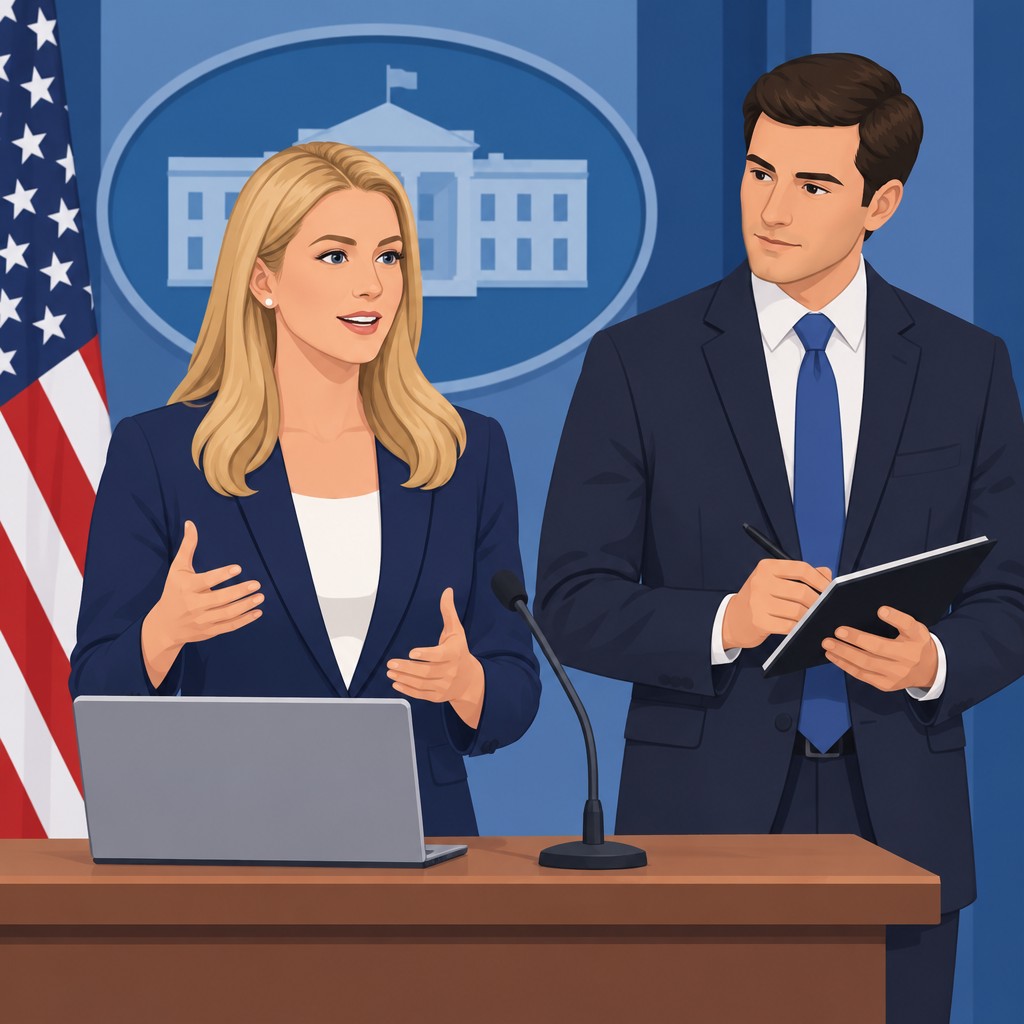
Video Analysis for Communication Improvement
Video analysis gives press secretaries a detailed view of their communication habits.
Recordings reveal verbal patterns and nonverbal behaviors that participants may overlook.
Review sessions encourage self-awareness and support focused improvement.
- Recording sessions: Trainers capture role-plays and mock interviews for later review.
- Encouraging self-reflection: Participants identify unintentional gestures and recurring speech patterns.
- Assessing body language: Posture, eye contact, and facial expressions should support the message.
- Improving clarity and tone: Participants adjust tone, pitch, pacing, and articulation.
- Supporting continuous improvement: Regular reviews help maintain stronger communication techniques.
This multimedia approach deepens understanding and strengthens self-awareness.
By watching their performances, participants develop more effective communication strategies.
Technology-Enhanced Training Sessions
Technology adds flexibility and interaction to hands-on media training.
Digital tools can capture attention while supporting practical learning activities.
These resources also connect participants with broader perspectives during training.
- Using online platforms: Virtual sessions connect participants with experienced experts.
- Organizing webinars and workshops: Focused sessions develop skills for modern media engagement.
- Applying feedback apps: Mobile tools provide immediate performance evaluations.
- Creating discussion forums: Online spaces encourage participants to share experiences and strategies.
- Providing digital resources: Articles and tutorials support continued skills development.
Technology keeps training relevant within a fast-changing media environment.
It also strengthens traditional methods by adding flexibility and collaboration.
Building Lasting Media Communication Skills
Hands-on training develops the practical abilities press secretaries need for effective media engagement.
Role-playing, mock interviews, and video analysis strengthen confidence and message delivery.
Technology further supports flexible learning and continuous improvement.
Regular practice helps press secretaries communicate essential messages with greater clarity.
Delve into the Subject: Magazine Designer: Legal and Ethical Considerations
Crisis situations can arise suddenly, giving organizations little time to prepare their public response.
During these moments, effective communication helps protect an organization’s reputation and maintain public confidence.
Transform Your Career Today
Unlock a personalized career strategy that drives real results. Get tailored advice and a roadmap designed just for you.
Start NowPress secretaries manage media relationships and help organizations communicate information clearly during unexpected events.
Preparation for Unexpected Situations
Preparation gives organizations a structured way to respond when unexpected events occur.
Furthermore, a clear plan helps teams act quickly while reducing confusion among spokespeople.
Consistent communication can also protect trust and limit reputational damage during difficult circumstances.
- Speed of Response: A prepared organization can respond quickly and reduce potential fallout.
- Consistency of Message: Preparation helps every spokesperson deliver the same information.
- Reduced Anxiety: Clear procedures reduce team anxiety and support cooperation.
- Building Trust: Transparent communication can strengthen relationships with stakeholders during crises.
- Minimized Damage: Proactive communication can help reduce harm to an organization’s reputation.
Core Components of a Crisis Communication Plan
An effective crisis communication plan combines preparation, assigned responsibilities, and clear public messaging.
In addition, the plan should explain how teams will respond across different crisis scenarios.
Regular monitoring and evaluation allow organizations to improve their approach after each crisis.
- Risk Assessment: Identify internal and external risks that could create a crisis.
- Team Responsibilities: Assign specific duties so every team member understands their role.
- Key Messages: Prepare concise messages that reflect the organization’s values.
- Response Protocol: Create step-by-step procedures for different crisis situations.
- Media Strategy: Establish methods for engaging journalists and preparing public statements.
- Monitoring and Feedback: Track media coverage and public sentiment to guide adjustments.
- Post-Crisis Evaluation: Review the response and identify opportunities for improvement.
Training Press Secretaries for Crisis Media Inquiries
Press secretaries connect organizations with journalists and the public during crisis situations.
Therefore, training should help them communicate clearly while managing difficult questions.
Practical exercises can strengthen their preparation, composure, and ability to deliver consistent messages.
- Simulated Crisis Scenarios: Role-playing exercises can prepare press secretaries for different situations.
- Media Interview Techniques: Training should address difficult questions and composure under pressure.
- Message Development: Press secretaries should prepare clear messages before crises occur.
- Understanding Media Dynamics: Knowledge of journalistic needs can support more effective interactions.
- Legal Considerations: Team members should understand which information they can disclose.
- Feedback Mechanism: A feedback process can encourage learning after each event.
Lessons from Crisis Communication Examples
Real-world examples show how organizations can use transparency and accountability during crises.
These cases also demonstrate the value of acting quickly when public safety or trust faces challenges.
Consequently, organizations can study these responses when developing their own communication procedures.
- Pepperidge Farm: The company issued a press release quickly during a product recall.
- Johnson & Johnson: The company prioritized consumer safety during the Tylenol crisis.
- Starbucks: The company closed stores temporarily after a racially charged incident.
Building Organizational Resilience Through Crisis Communication
Crisis communication requires organizations to prepare before unexpected events occur.
Press secretaries support this preparation by coordinating messages, managing media inquiries, and protecting clarity.
Ultimately, organizations that invest in preparedness can respond faster and strengthen trust during challenging situations.
Delve into the Subject: Public Speaking Tips for Aspiring News Anchors
Evaluation and Continuous Improvement
Media training continues beyond the initial program.
Organizations must evaluate training regularly to support long-term success.
Evaluation reveals areas that require further development.
Regular updates help press secretaries remain adaptable in changing media environments.
Metrics for Assessing Media Training Effectiveness
Organizations can use several metrics to measure training effectiveness.
These measures provide practical insight into knowledge, skills, and performance.
Furthermore, consistent measurement supports informed improvements to future training.
- Pre- and Post-Training Assessments: Surveys can measure changes in knowledge and skills.
- Media Interaction Feedback: Journalists can comment on spokesperson performance after interviews.
- Message Consistency: Organizations can compare spoken messages with organizational goals.
- Response Time Efficiency: Organizations can measure how quickly press secretaries answer media inquiries.
- Overall Public Sentiment: Sentiment analysis can show how audiences respond to media messages.
- Comparison of Media Coverage: Organizations can compare coverage before and after training.
- Social Media Engagement: Teams can monitor changes in audience engagement and organizational reach.
Ongoing Training Through Workshops and Industry Events
The media landscape changes constantly, so press secretaries need continuing development.
Ongoing learning introduces new trends, tools, and communication techniques.
Organizations can support development through several practical learning opportunities.
- Workshops: Practical exercises help press secretaries apply skills during realistic scenarios.
- Seminars: Subject matter experts provide perspectives on current issues.
- Industry Conferences: Conferences encourage networking, learning, and professional knowledge sharing.
- Online Courses: Flexible courses support learning paths based on individual needs.
- Peer Training Sessions: Experienced colleagues can share knowledge and strengthen team relationships.
Feedback Loops for Continual Learning
Feedback loops help press secretaries improve after each media interaction.
Press secretaries should actively request feedback and examine their performance.
This process reveals strengths, weaknesses, and opportunities for adjustment.
- Self-Reflection: Press secretaries can assess their performance and identify improvement areas.
- Peer Review: Colleagues can offer constructive observations and practical recommendations.
- Journalist Feedback: Journalists can explain how audiences received messages and where clarity needs improvement.
- Media Coverage Analysis: Teams can review coverage to assess message effectiveness and audience perception.
- Public and Stakeholder Reactions: Organizations can monitor reactions after each media interaction.
Building Long-Term Communication Capability
Consistent evaluation helps organizations prepare press secretaries for future media interactions.
Media training functions as an ongoing process rather than a single event.
A continuous improvement mindset strengthens communication skills and professional effectiveness.
Organizations that invest in development demonstrate a commitment to communication excellence.
Workshops, seminars, and conferences create opportunities for continued professional growth.
Effective metrics and feedback loops help press secretaries refine their skills.
As a result, capable spokespeople can support their organization’s communication goals.
Regular assessments also help press secretaries respond to media inquiries with greater confidence.
This proactive approach helps organizations communicate their messages clearly and consistently.
Case Studies and Real-Life Examples
Understanding media dynamics requires lessons from real-life situations.
Transform Your Career Today
Unlock a personalized career strategy that drives real results. Get tailored advice and a roadmap designed just for you.
Start NowAnalyzing successes and failures provides valuable insights for press secretaries.
These experiences can inform future media training strategies and practices.
Successful Media Strategies Used by Prominent Press Secretaries
Many press secretaries have managed media relations effectively.
Their strategies can guide current and aspiring practitioners.
For example, several prominent officials demonstrated distinct communication approaches.
- Dee Dee Myers increased openness, cultivated journalists, and used honesty to build trust during the Clinton Administration.
- Jay Carney used Twitter and Facebook to engage the public and promote White House messages directly.
- Sarah Huckabee Sanders maintained composure, answered aggressive questions, and reinforced key messages during turbulent periods.
Lessons from Missteps in Press Engagements
Failures also provide important lessons for press secretaries.
Some press engagements have created scrutiny, confusion, or controversy.
These experiences demonstrate why preparation, clarity, and professionalism matter.
- Janet Reno’s Waco siege communications lacked clarity and drew intense scrutiny during the Clinton Administration.
- Anthony Scaramucci’s aggressive media comments created chaos during his brief Trump Administration tenure.
- Sarah Palin’s interview with Katie Couric exposed discomfort and insufficient preparation under tough questioning.
Best Practices Across Industries and Political Environments
Media strategies also extend beyond political organizations.
Corporations and non-profit organizations use distinctive communication tactics.
Press secretaries can adapt these practices to strengthen their own approaches.
- Apple maintains consistent branding and controls information releases to build anticipation and interest.
- Effective non-profits use emotional storytelling and human experiences to connect with audiences.
- Successful sports teams use real-time updates and social interaction to keep audiences informed and invested.
Applying Lessons Across Media Environments
Press secretaries can learn from both successes and mistakes in media relations.
Prominent examples show how carefully crafted strategies can influence media engagement.
Failure analysis also reveals opportunities for professional growth.
Cross-sector practices can inspire distinctive approaches to media engagement.
Press secretaries should adapt those lessons while maintaining professionalism and clear communication.
This ongoing development can strengthen their effectiveness in changing media environments.
Organizational Benefits of Ongoing Media Training
Organizations gain stronger communication practices when they invest in ongoing media training.
Well-prepared press secretaries present information clearly, accurately, and persuasively.
This consistency can strengthen organizational credibility during routine and challenging media interactions.
Regular practice also helps spokespeople respond calmly when journalists ask difficult questions.
Training sessions can refresh communication skills and introduce strategies for emerging technologies.
Furthermore, realistic simulations let press secretaries practice answers under pressure.
These exercises help them identify weaknesses before actual media engagements occur.
As audience expectations change, press secretaries must continue developing their communication abilities.
They now engage directly with journalists and influencers while shaping public perception.
Consequently, their responsibilities extend beyond press releases and news conferences.
Press secretaries also serve as strategic advisors within their organizations.
Their insights help leaders pursue communication goals with greater clarity and consistency.
By strengthening these capabilities, organizations can manage public challenges more effectively.
Sustained media training supports stronger reputations and more adaptable communication teams.
Additional Resources
Bing search results for Media Training for Press Secretaries: Best Practices Media and Communication


