



Introduction
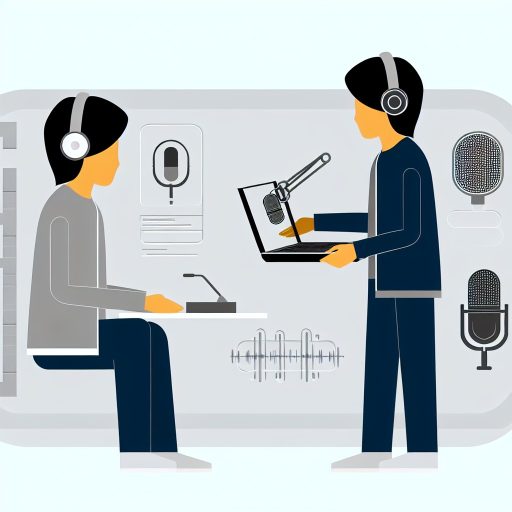
A podcast producer plays a critical role in the podcasting process.
They manage the production from start to finish.
A producer coordinates all aspects of a podcast, ensuring smooth execution.
Definition of a Podcast Producer
A podcast producer is responsible for overseeing podcast development.
They guide the creative vision and ensure adherence to timelines.
Producers work closely with hosts, guests, and technical teams to deliver quality content.
Importance of the Producer in the Podcasting Landscape
The producer’s role is vital in today’s podcasting ecosystem.
They create cohesive narratives that engage listeners effectively.
A skilled producer enhances the podcast’s overall quality and professionalism.
The producer also bridges the gap between the audience and creators.
They analyze listener feedback and adjust content accordingly.
This adaptability helps maintain relevance in an evolving market.
Moreover, producers contribute to the financial success of a podcast.
They strategize monetization methods, from sponsorships to merchandise.
Their business acumen can elevate a podcast from hobby to a sustainable enterprise.
Overview of What Will Be Covered in the Post
This post will delve into key roles and responsibilities of podcast producers.
We will examine planning, coordination, and post-production tasks.
Furthermore, we will explore how producers foster creativity in the podcasting team.
Finally, we will highlight best practices for aspiring podcasters.
Understanding a producer’s skills can help creators elevate their podcasts.
This knowledge paves the path to success in the competitive podcasting landscape.
Pre-production Planning
Concept Development
The first step in producing a successful podcast involves solid concept development.
Without a clear concept, the entire project can lose direction.
Producers must hone in on a specific theme that resonates with potential listeners.
This involves understanding both the market and the audience.
Identifying the Target Audience
A podcast’s success largely hinges on its audience.
Producers must think critically about who the podcast is intended for.
They should answer questions about the audience’s age, interests, and preferred content styles.
Gathering this information is vital for tailored content creation.
Identifying the target audience can be achieved through surveys or social media interactions.
These methods help producers gather insights into what potential listeners desire.
In addition, studying competitors can provide clues about audience preferences.
Producers should create listener personas to define audience characteristics.
This tool allows producers to visualize their target listener, enhancing the focus of the podcast’s tone and style.
Knowing the audience leads to greater engagement and loyalty over time.
Brainstorming Episode Themes and Formats
Once the target audience is defined, brainstorming episode themes is next.
Producers should encourage creativity within the team to generate a variety of ideas.
This brainstorming session should include discussions on diverse topics.
Producers should consider different episode formats as well.
Options might include interviews, storytelling, or panel discussions.
Transform Your Career Today
Unlock a personalized career strategy that drives real results. Get tailored advice and a roadmap designed just for you.
Start NowFlexibility in format can help keep the podcast fresh and engaging.
Producers should evaluate the themes and formats against the audience demographics previously identified.
Some themes might attract certain audiences better than others.
A producer must remain adaptable, as audience feedback can inspire changes.
Implementing thematic consistency strengthens brand identity.
When episodes align on key concepts, it promotes a sense of familiarity.
This coherence helps build a loyal audience over time.
Script Writing and Episode Structuring
Once the conceptual groundwork is laid, the focus shifts to script writing and episode structuring.
Strong scripts help maintain clarity and flow throughout the podcast.
They ensure the content remains engaging, informative, and relevant.
Creating Outlines for Content Flow
Before diving into full script writing, producers should create detailed outlines.
These outlines guide the entire episode and highlight key themes and points.
Streamlined outlines contribute to a logical flow, making it easier for listeners to follow.
Moreover, outlines help prevent prolonged tangents and digressions.
This structure maintains listener interest and encourages a more polished presentation.
Each episode should have a clear beginning, middle, and end to enhance storytelling.
Producers should map out each segment carefully.
They can assign timing to different sections, ensuring that everything fits within the episode duration.
This precision not only aids in pacing but keeps the content digestible.
Once the outline is solid, producers can begin drafting the script.
The script should be conversational and easily understood.
It needs to reflect the personality of the host but also resonate with the audience.
Collaborating with Hosts and Guests for Scripting
Effective collaboration is essential when crafting scripts.
Producers must engage closely with the hosts and any guests.
This collaboration can help fine-tune both the content and delivery.
Meetings to discuss the script format can cultivate a collaborative atmosphere.
Hosts often bring unique perspectives that should inform scriptwriting.
Also, involvement from guests can enrich the content and enhance authenticity.
Producers should ensure that hosts fully understand the script’s objectives.
Hosting a podcast requires confidence and spontaneity.
An overly rigid script can hinder performance, so producers should strike a balance.
Engaging in rehearsals allows the team to test the flow of the episode.
This step provides opportunities for adjustments and ensures that everyone is comfortable.
Positive chemistry between hosts and guests ultimately elevates the listening experience.
Producers should also remain open to last-minute changes.
Sometimes, spontaneous moments yield the most genuine content.
Flexibility can improve the overall quality of episodes once recording begins.
The pre-production phase significantly impacts the overall success of a podcast.
Producers lay the foundation of a polished, engaging show through diligent planning.
Identifying the audience and developing compelling content ensures the podcast resonates.
Transform Your Career Today
Unlock a personalized career strategy that drives real results. Get tailored advice and a roadmap designed just for you.
Start NowAdditionally, writing well-structured scripts in collaboration with hosts and guests enriches the final product.
These elements combined generate a compelling podcast that captivates listeners.
Through thoughtful development and preparation, producers set the stage for long-term success.
In the podcasting world, talent is crucial.
Podcast producers play an essential role in managing the talent involved in each episode.
From securing hosts to finding guest speakers, talent management is a multifaceted responsibility.
As producers navigate the talent landscape, they must employ specific strategies to create engaging and dynamic content.
Securing Hosts and Guest Speakers
Finding the right hosts and guest speakers is pivotal for a podcast’s success.
It begins with establishing the desired tone and style for the show.
The chosen hosts should resonate with the target audience.
Additionally, the guest speakers should align with the topics discussed.
To ensure effective choices, producers must adhere to specific criteria.
Criteria for Choosing Hosts
- Expertise: Hosts should have a deep understanding of the podcast’s subject matter.
- Charisma: Engaging personalities attract and retain listener interest.
- Communication Skills: Clear articulation and active listening are vital for dynamic conversations.
- Network Connections: Hosts with broad networks can secure compelling guests.
- Reliability: Consistency in availability and performance is crucial for regular content production.
Producers must evaluate potential hosts on these criteria.
Interviews can reveal qualifications and fit.
Additionally, reviewing past performances on similar platforms can provide insights into their suitability.
Approaches for Scouting and Reaching Out to Potential Guests
- Networking Events: Attend industry events and conferences to meet potential guests face-to-face.
- Social Media: Utilize platforms like Twitter and LinkedIn to identify and connect with experts.
- Referrals: Leverage existing networks to gain introductions to notable figures.
- Online Research: Utilize platforms like Podchaser to explore other relevant podcasts and their guests.
- Email Outreach: Craft personalized emails that highlight mutual interests and the podcast’s vision.
Once potential guests have been identified, reaching out strategically can transform prospects into confirmed participants.
Personalized messages yield better responses.
Highlighting the podcast’s audience can instill confidence in potential guests about their participation.
Conducting Interviews and Rehearsals
Ensuring hosts and guests are prepared is vital for a successful recording.
Effective interviews and rehearsals set the stage for smooth interactions.
Producers should focus on specific elements to enhance overall performance.
Preparing Talent for Their On-Screen Performance
- Pre-Interview Briefing: Provide hosts and guests with detailed briefing documents outlining key points.
- Technical Setup: Ensure all technical aspects, such as microphones and recording software, are in working order.
- Rehearsals: Conduct practice sessions to familiarize talent with the format and flow of the podcast.
- Feedback Sessions: Offer constructive feedback on pacing, tone, and content delivery.
- Encouraging Authenticity: Emphasize the importance of being genuine and relatable to the audience.
Producers should prioritize providing talents with tools they need to shine.
Preparing thoroughly helps minimize recording day jitters and instills confidence.
Effective preparation leads to more engaging discussions.
Importance of Chemistry Among Hosts and Guests
- Ease of Conversation: A strong rapport allows for natural dialogue and spontaneous discussions.
- Engagement: Chemistry encourages more dynamic interactions, keeping listeners engaged.
- Authenticity: A genuine connection fosters an atmosphere where guests feel comfortable sharing insights.
- Contrast in Styles: Different personalities can complement each other, creating balance and interest.
- Audience Connection: Strong chemistry translates to a stronger connection with the listener.
Producers should carefully assess the dynamics between hosts and guests.
Hosting rehearsals can help identify whether the chosen pairings work well together.
Constructive feedback during these sessions can refine their interaction before the actual recording.
Moreover, being observant and adaptable during the recording process can elevate the overall experience.
Producers should encourage hosts to pursue natural conversations.
A relaxed atmosphere allows for more genuine exchanges, resulting in richer content.
Impact of Talent Management on Podcast Success
Effective talent management and recruitment significantly influence a podcast’s success.
Podcast producers must secure talented hosts and guests while preparing them for engaging performances.
By adhering to specific criteria and employing outreach strategies, producers lay the foundation for captivating content.
Additionally, rehearsals and fostering chemistry among talent ensure that recordings resonate with audiences.
Ultimately, podcast producers drive the content that captivates listeners, shaping the future of the medium.
Explore Further: How to Ace Your Art Director Job Interview
Audio Production and Technical Skills
Equipment selection and setup
Overview of essential podcast equipment (microphones, software, etc.)
Choosing the right equipment is crucial in podcast production.
High-quality sound defines listener experience.
Here are some essential components:
- Microphones: Dynamic or condenser microphones are popular choices.
- Dynamic mics work best for noisy environments, while condensers capture cleaner sounds.
- Audio Interface: This connects your microphone to your computer.
- It converts analog signals to digital audio, ensuring high fidelity.
- Headphones: Invest in closed-back headphones.
- They help in monitoring sound during recording and editing without bleed to the microphones.
- Recording Software: Choose a digital audio workstation (DAW) suitable for beginners or experts.
- Popular options include Audacity, GarageBand, and Adobe Audition.
- Pop filters: These reduce plosive sounds during recording.
- They enhance vocal clarity and overall audio quality.
- Soundproofing materials: Use acoustic panels and foam to minimize echo.
- A well-treated space results in cleaner recordings.
Tips for achieving professional sound quality
Achieving professional sound quality involves meticulous preparation and technique.
Transform Your Career Today
Unlock a personalized career strategy that drives real results. Get tailored advice and a roadmap designed just for you.
Start NowFollow these tips to enhance your audio:
- Choose the right recording environment: Look for a quiet place free from distractions.
- This helps avoid background noise interference.
- Set microphone levels: Test microphone gain levels before recording.
- This prevents distortion and ensures clear audio.
- Avoid direct air: Place the microphone close to the speaker but avoid breath interference.
- Use a pop filter to mitigate plosive sounds.
- Use proper microphone placement: Experiment with angles and distances for optimal sound capture.
- Each voice may require adjustment.
- Monitor your recordings: Always listen back during recording sessions.
- This helps you identify issues before they become problematic.
Recording sessions
Best practices for recording
Recording sessions require focus and attention to detail.
Implement these best practices to maximize quality:
- Create a script or outline: This keeps the recording on track and minimizes unnecessary pauses.
- Having a structure enhances content delivery.
- Warm-up before recording: Vocal exercises prevent strain and improve clarity.
- A simple warm-up can significantly impact your performance.
- Encourage natural conversation: Foster a relaxed atmosphere.
- This leads to more genuine dialogue and engaging content.
- Utilize soundcheck: Always conduct a pre-recording soundcheck.
- This identifies any equipment issues before you begin.
- Limit background distractions: Inform those in your vicinity to maintain silence during recording.
- Focus enhances quality.
Managing the technical aspects during recording
Managing the technical elements enhances overall production quality.
Keep these tips in mind while recording:
- Monitor levels in real-time: Keep an eye on audio levels throughout the session.
- Adjust as needed to prevent distortion.
- Stay aware of microphone placement: Ensure microphones maintain the correct distance while recording.
- Small adjustments can make a big difference.
- Check for equipment malfunctions: Regularly inspect all gear.
- Replace faulty equipment to avoid interruptions.
- Maintain organized files: Name your audio files clearly and keep them organized.
- This simplifies the editing process later on.
- Backup recordings: Save recorded material immediately.
- Use cloud storage or external drives for safety.
Gain More Insights: How to Break into Multimedia Journalism
Editing and Post-Production
Audio Editing Techniques
Podcast producers play a vital role in the editing and post-production phase.
This stage is crucial for enhancing overall audio quality.
Effective editing ensures a clear auditory experience for listeners.
Below, we delve into two primary aspects of audio editing techniques.
Importance of Clear and Cohesive Audio
Clear and cohesive audio significantly impacts the listener’s experience.
It enables the audience to focus on content without distractions.
Poor audio quality can lead to misunderstandings.
It may even cause listeners to abandon the podcast altogether.
Furthermore, consistent sound levels create a professional ambiance.
Engaging content paired with high-quality audio retains listener interest.
Thus, producers prioritize sound clarity throughout the editing process.
Tools and Software Utilized for Editing
Producers utilize various tools and software to achieve optimal audio quality.
Here are some popular options:
- Audacity: A free, open-source software perfect for beginners.
- Adobe Audition: A professional-grade tool favored by experts.
- GarageBand: A user-friendly option for Mac users.
- Pro Tools: Industry standard, best for advanced editing needs.
- Reaper: A cost-effective alternative with powerful editing features.
Each software option has unique features tailored for different editing needs.
Producers evaluate their specific requirements before choosing the right tool.
Adding Sound Effects and Music
Integrating sound effects and music enriches the podcast’s narrative.
Music adds an emotional layer, while sound effects enhance engagement.
However, producers must navigate several considerations when adding audio elements.
Significance of Background Music and Sound Effects
Background music sets the tone for each episode.
It can evoke emotions and create atmosphere seamlessly.
Thoughtfully selected sound effects enhance storytelling.
They often punctuate moments, drawing attention and excitement.
Proper integration of these elements enriches the overall listening experience.
Legal Considerations for Using Third-Party Audio
Podcast producers must be aware of legal issues concerning audio usage.
Unauthorized use of third-party audio can lead to copyright infringement.
Producers should always acquire proper licenses for any music or sound effects used.
This ensures compliance with copyright laws and avoids legal complications.
Here are key points to consider:
- Creative Commons Licenses: Offer various permissions for freely using certain media.
- Royalty-Free Audio: Available for purchase or free, but check usage rights.
- Original Music: Composing unique soundtracks avoids licensing issues entirely.
- Attribution: Properly crediting creators when required.
- Consulting Legal Experts: When in doubt, seeking legal advice is advisable.
By prioritizing these considerations, producers can confidently include audio enhancements in their podcasts.
The editing and post-production process is critical for every podcast.
Producers ensure clarity and cohesion through effective audio editing.
They employ various tools and software to refine recordings.
Also, the integration of background music and sound effects adds richness to the audio experience.
By understanding legal implications and selecting appropriate audio, producers create engaging content.
Transform Your Career Today
Unlock a personalized career strategy that drives real results. Get tailored advice and a roadmap designed just for you.
Start NowA polished final product keeps listeners returning for more.
As this phase draws to a close, producers prepare for the next steps.
The final upload often involves mastering the episode for distribution.
This means optimizing the audio quality for different platforms and devices.
It is essential for reaching wider audiences effectively.
Ultimately, dedicated effort in editing and post-production elevates the podcast’s overall quality.
See Related Content: Magazine Designer: Working with Photographers
Distribution and Marketing Strategies
Choosing Platforms for Distribution
Choosing the right platform for podcast distribution is crucial for success.
Producers must evaluate various hosting services.
Doing so ensures reliable service and global access to audiences.
Several factors can influence this choice, including cost and scalability.
Here are key considerations and popular options.
- Libsyn: One of the oldest and most respected platforms.
- Libsyn offers robust statistics and customizable website options.
- Podbean: Known for its user-friendly interface and affordable pricing.
- Podbean also provides monetization options through ads and premium content.
- Anchor: A free platform that simplifies podcasting for everyone.
- Anchor provides unlimited hosting and easy distribution.
- SoundCloud: Popular among musicians, it also caters to podcasters.
- SoundCloud allows sharing audio easily on social media.
- Buzzsprout: Offers an intuitive interface geared toward beginners.
- It includes helpful tools like a podcast website and episode optimization.
Importance of Syndication and RSS Feeds
RSS feeds are the backbone of podcast distribution.
They enable automatic sharing of episodes across platforms.
Using an RSS feed, listeners can subscribe and receive updates.
Proper syndication expands the podcast’s reach significantly.
- Increased Visibility: Syndication makes it easier for potential listeners to find your podcast.
- Cross-Platform Presence: An RSS enabled podcast can appear on multiple directories like Apple Podcasts and Spotify.
- Direct Engagement: RSS feeds facilitate direct communication with subscribers through episode updates.
Marketing the Podcast
Effective marketing strategies decide a podcast’s success.
Producers must actively promote their episodes.
Creativity in marketing can enhance audience engagement.
Reaching the right audience often involves various digital marketing tactics.
Strategies for Promoting Episodes
- Launch Strategy: Designing a launch plan can create initial buzz.
- A solid launch often includes launching multiple episodes at once.
- Episode Teasers: Using short audio snippets from episodes as teasers captures attention.
- Sharing these snippets on social media can entice listeners.
- Guest Promotion: Involving guests can widen your reach.
- Make sure guests promote their appearance to their audience.
- Email Newsletters: Establishing a mailing list keeps your audience updated.
- Sending regular newsletters builds a loyal listener base.
- SEO for Podcasts: Optimize your podcast for search engines.
- Use relevant keywords in episode titles and descriptions to enhance discoverability.
Utilizing Social Media and Collaborations
Social media serves as a powerful tool for marketing podcasts.
Engaging with listeners makes them feel valued.
Regularly posting updates can maintain listener interest.
- Dedicated Social Media Accounts: Create accounts specifically for the podcast.
- This makes it easier to engage and share content.
- Visual Content: Utilize graphics and video snippets to enhance engagement.
- Visual content often attracts more interaction than audio alone.
- Live Streams: Host live Q&A sessions or discussions.
- This interaction fosters a community feeling among listeners.
- Collaborating with Other Podcasters: Cross-promotions can benefit both parties.
- Partnering with other podcasters allows for audience sharing.
- Participate in Podcasting Networks: Join podcast networks related to your niche.
- Engaging in these communities provides networking opportunities and boosts visibility.
Consistent efforts in podcast distribution and marketing yield the best results.
Producers must remain proactive in refining their strategies.
Understanding the platforms and methods will help drive shows to success.
Explore Further: Understanding Broadcast Technician Job Descriptions

Engagement and Community Building
Fostering Listener Engagement
Listener engagement is crucial for the success of any podcast.
It creates a bond between hosts and their audience.
Producers play a key role in facilitating this interaction.
Importance of Listener Feedback and Interactions
Feedback allows producers to gauge audience sentiment.
It helps them adjust content to better meet listener preferences.
Here are some essential reasons why feedback matters:
- Informs Future Episodes: Producers can tailor topics based on listener interests.
- Enhances Content Quality: Constructive feedback can lead to better storytelling and production quality.
- Builds Trust: When listeners feel heard, they develop a deeper connection to the show.
- Promotes Loyalty: Engaged listeners are more likely to become loyal fans.
Creating Avenues for Audience Participation
Active participation fosters a sense of community.
Producers can implement various strategies to encourage listener involvement:
- Social Media Engagement: Utilize platforms like Twitter and Instagram to interact with listeners.
- Listener Call-ins: Encourage listeners to share their thoughts directly through voice messages.
- Q&A Sessions: Host episodes dedicated to answering listener questions.
- Contests and Challenges: Create fun activities to engage listeners and incentivize sharing.
By establishing open channels for feedback, producers can create a more interactive podcast experience.
Engaged listeners may share episodes, leading to organic growth.
Building a Podcast Community
A podcast community enhances long-term success.
Producers should focus on cultivating a loyal listener base.
Strategies include fostering connections among listeners and the podcast team.
Transform Your Career Today
Unlock a personalized career strategy that drives real results. Get tailored advice and a roadmap designed just for you.
Start NowStrategies for Creating a Loyal Listener Base
Building a loyal audience takes time and effort.
Here are methods that can be effective:
- Consistent Posting Schedule: Regular episodes keep audiences anticipating new content.
- High-Quality Content: Delivering valuable insights builds credibility and trust.
- Personal Connections: Share stories and experiences to humanize the podcast and connect with listeners.
- Networking Opportunities: Collaborate with other podcasters to cross-promote and reach new audiences.
Producers should also encourage listeners to share their stories.
When audiences feel personally connected, they are more likely to stay loyal.
Utilizing Listener Surveys and Forums
Gathering insights directly from listeners can be beneficial.
Surveys and forums offer valuable data and foster engagement.
- Listener Surveys: Conduct regular surveys to understand listener preferences.
- Feedback Forms: Create accessible forms for quick feedback after each episode.
- Online Discussion Forums: Set up community forums for discussions related to episodes.
- In-Person Events: Host live events or meet-ups to deepen connections among listeners.
By implementing these strategies, producers create opportunities for listeners to voice their opinions.
This direct interaction enriches the podcast experience.
Fostering a community requires intentional effort.
Producers must prioritize listener engagement not just for ratings, but for building relationships.
A strong community can transform a podcast into a movement.
Engaged listeners often become advocates, spreading the word and supporting the podcast over time.
Ultimately, productive engagement and community building lie at the heart of a successful podcast.
Producers hold the keys to unlock these interactions.
By embracing feedback, creating participation avenues, and cultivating connections, producers set the stage for long-term success.
Podcasts that engage audiences genuinely can thrive and evolve into influential platforms.
In turn, these thriving platforms attract even more diverse listeners, creating a virtuous cycle of engagement and growth.
Ongoing Evaluation and Improvement
The success of a podcast does not end with its release.
Producers must realize the importance of ongoing evaluation and improvement.
Analyzing performance metrics is a crucial step.
Gathering and studying listener data enhances content quality.
This process helps to shape future episodes.
Let’s explore how to effectively evaluate a podcast.
Analyzing Podcast Performance Metrics
Understanding how your podcast performs is essential.
It provides insights into what works and what does not.
By analyzing metrics, producers can make informed decisions.
Monitoring listener engagement is one of the key strategies.
- Download Rates: This shows how many times episodes are downloaded. High download rates indicate strong listener interest.
- Listener Retention: This measures how many listeners return for subsequent episodes. High retention indicates audience loyalty.
- Episode Completion Rates: This tracks how many listeners finish each episode. Higher completion rates suggest engaging content.
- User Reviews and Ratings: Feedback from listeners can be valuable. Positive reviews can enhance credibility and attract new listeners.
- Social Media Mentions: Monitoring how often the podcast is discussed online helps gauge popularity. Engagement on social media can boost reach.
- Website Traffic: If the podcast has a dedicated website, monitoring its traffic is vital. Increased visits often correlate with increased listener numbers.
Methods for Gathering Analytics Data
Gathering data on these metrics can seem daunting.
However, several tools can simplify the process.
Producers can utilize podcast hosting platforms for analytics tracking.
These platforms offer comprehensive metrics and insights.
- Podcast Hosting Platforms: Platforms like Libsyn and Podbean provide analytics dashboards. These dashboards show detailed stats about downloads and listener behavior.
- Google Analytics: If there’s a website, Google Analytics can provide rich insights. It tracks user behavior, source of traffic, and more.
- Social Media Analytics: Tools like Hootsuite or Buffer can track social media engagement. They provide insights on how content is being shared and discussed.
- Listener Surveys: Directly asking listeners for feedback helps gather qualitative data. Surveys can reveal preferences and areas for improvement.
Continuous Improvement Strategies
Evaluation leads to growth, but producers must also implement strategies for improvement.
Continuous refinement keeps content fresh and engaging.
Here’s how you can establish effective improvement strategies.
Implementing Feedback for Enhancement
Actively seeking and using listener feedback fosters growth.
Audience input is invaluable for evolving the podcast.
Producers should regularly evaluate this feedback.
- Act on Listener Suggestions: Take note of listener requests for topics or changes. Addressing these can boost engagement.
- Conduct Regular Reviews: Schedule periodic assessments of past episodes. Determine what worked and what fell flat, using that knowledge for future content.
- Engage with Your Audience: Create avenues for interaction, like listener Q&As. This engagement helps build community and provides insights.
- Refine Content Strategy: Use analytics data to change your content approach if necessary. Focus on the styles and formats that resonate with your audience.
Importance of Staying Updated with Industry Trends
The podcasting landscape is constantly evolving.
Staying informed about industry trends is vital for success.
Producers need to adapt to changes in listener preferences and technology.
Transform Your Career Today
Unlock a personalized career strategy that drives real results. Get tailored advice and a roadmap designed just for you.
Start Now- Follow Industry News: Subscribe to podcasts, blogs, or newsletters that focus on podcasting. Stay updated on best practices and emerging trends.
- Attend Conferences and Webinars: These events offer networking opportunities. They provide insights from industry experts and fellow podcasters.
- Experiment with New Formats: Don’t be afraid to try new styles. Experimenting keeps the content fresh and can reveal new audience segments.
- Collaborate with Other Podcasters: Networking with fellow podcasters fosters learning. Sharing experiences can spark innovative ideas and improvements for both parties.
Ongoing evaluation and improvement are essential components of a successful podcast.
Diligently analyzing performance metrics helps producers understand listener behavior.
Additionally, implementing strategies for continuous improvement enhances podcast quality.
Staying updated on industry trends satisfies current listeners and attracts new ones.
With engaged audiences and improved content, podcasts can thrive in the evolving media landscape.
Summary of Podcast Producer Roles and Responsibilities
Podcast producers play a vital role in any podcast’s success.
They manage planning, coordination, and execution.
Producers oversee content development to ensure alignment with the podcast’s vision.
They handle scheduling, secure guest appearances, and organize recording sessions.
Producers also edit episodes to enhance the final audio quality.
Effective producers remain organized to maintain smooth production flow.
Impact of Producers on Storytelling and Audience Engagement
Producers act as the backbone of podcast production.
Their contributions greatly improve storytelling and audience connection.
By crafting engaging content, they help retain listeners and build loyalty.
Their logistical skills ensure episodes are released consistently.
Consistency fosters trust and cultivates a dedicated fan base.
Without skilled producers, many podcasts struggle to maintain professionalism.
Encouragement for Aspiring Podcast Producers
Aspiring producers should embrace these responsibilities fully.
Each role offers chances for personal and professional growth.
Learning production details opens many doors in the media industry.
Collaboration with hosts and guests enhances networking skills essential for career growth.
Passion for storytelling drives success and creativity.
As you progress, know your contributions shape the listening experience directly.
Dive into your roles enthusiastically and watch yourself grow along the way.
Additional Resources
The Impact of Digital Platforms on News and Journalistic Content