




Local Anchors Moving to National News
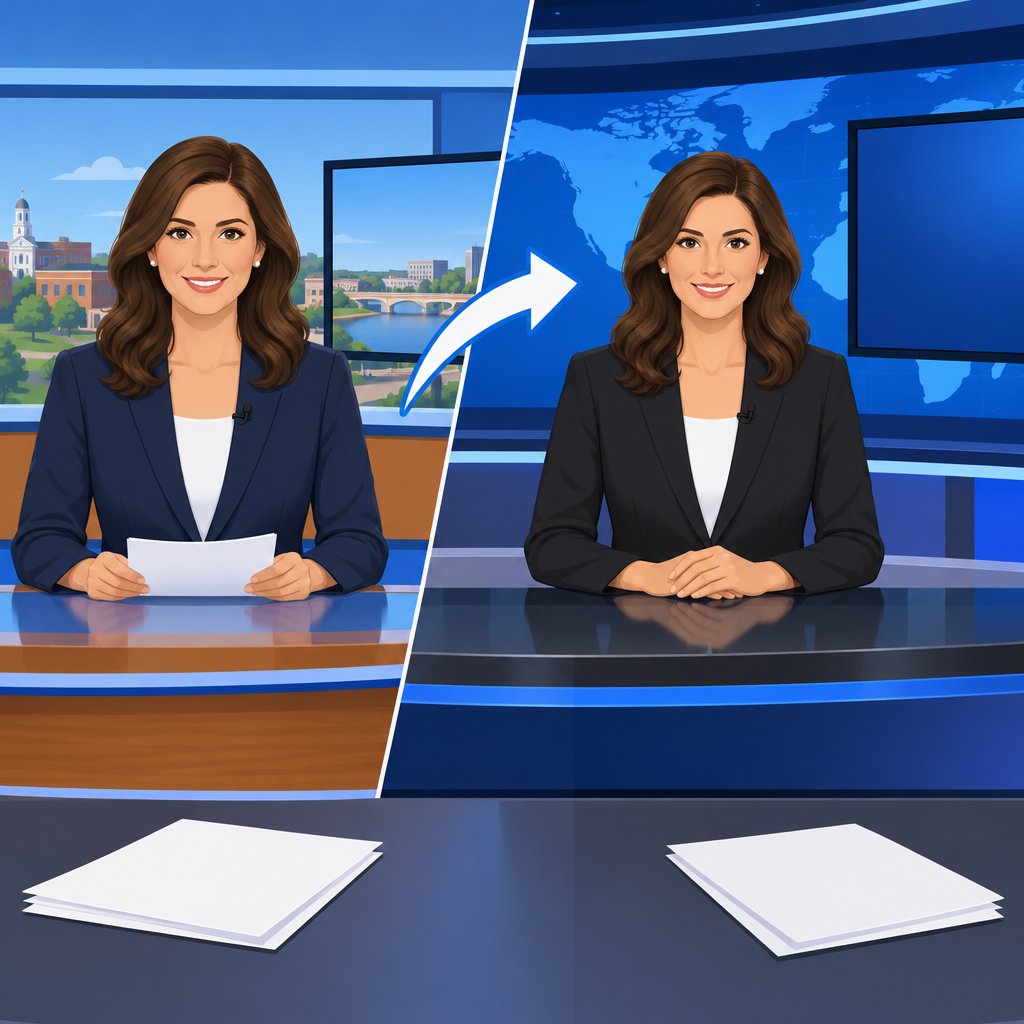
Local news anchors increasingly move to national news platforms.
This trend reflects changing media consumption demands.
Audiences seek familiar faces with local roots on national stages.
However, local anchors face unique challenges during this transition.
They often maintain strong ties within their communities.
Consequently, broader audiences may require them to adjust their approach.
Anchors must adapt their delivery and style for national viewers.
National platforms demand additional skills from news anchors.
They must balance local stories with the interests of diverse audiences.
Furthermore, anchors must navigate debates and complex national issues.
Mastering these elements helps anchors build credibility in competitive markets.
Despite these challenges, the transition creates significant opportunities.
National visibility can strengthen personal brands and career paths.
Anchors can influence national conversations and drive meaningful change.
They also gain access to exclusive stories and interviews.
Moreover, national news organizations provide broader resources and support.
Anchors often collaborate with experienced teams across the country.
This collaboration encourages professional growth and strengthens journalistic skills.
Working with diverse colleagues also enriches their storytelling abilities.
Meanwhile, local anchors bring valuable advantages to national reporting.
They understand community needs and viewpoints through direct experience.
This expertise gives national stories a valuable local perspective.
It also helps anchors present stories with depth and authenticity.
As this trend develops, more local anchors pursue national platforms.
The shift highlights adaptability as an essential journalistic quality.
Anchors who embrace change position themselves for future success.
Ultimately, they craft narratives that resonate across local and national audiences.
Gaining Experience in Local News Anchoring
Transitioning from local to national news anchoring requires a strong foundation.
Local news provides valuable opportunities for professional growth.
Reporters and anchors learn to connect with their communities.
They become trusted voices through dedication and hard work.
Building a Strong Foundation
Beginning your career in local news helps you sharpen essential skills.
Local news anchoring strengthens your abilities in several important areas.
- Storytelling: Mastering storytelling helps you present information in an engaging and clear way.
- Communication: Strong verbal and non-verbal communication helps audiences understand and connect with your messages.
- Time Management: Anchors work under tight deadlines, so you learn to manage multiple tasks efficiently.
- Research Skills: Thorough research helps you gather and verify accurate information.
- On-Air Presence: A polished on-air persona builds viewer trust and supports confident presentation.
Local news experience also builds your understanding of reporting principles.
You learn the ethical standards that guide journalism.
Following these principles strengthens your professional credibility.
Local news also creates valuable networking opportunities.
You meet journalists, media professionals, and community leaders.
Relationships in your local market can lead to mentorship and collaboration.
Developing Skills and Experience
To thrive in local news anchoring, you must cultivate specific skills.
Transform Your Career Today
Unlock a personalized career strategy that drives real results. Get tailored advice and a roadmap designed just for you.
Start NowFocus on several key areas as you develop your abilities.
- Writing Skills: Strong writing helps you turn complex information into simple, digestible content.
- Interviewing Skills: Practice asking open-ended questions and guiding engaging discussions.
- Flexibility: Adapt quickly when breaking news or changing formats affect your work.
- Technical Proficiency: Learn camera setups, audio controls, and editing software to expand your capabilities.
- Understanding of Local Issues: Stay informed about issues that affect local residents.
Journalism workshops and relevant courses can further develop these skills.
Each experience builds your competence and prepares you for larger markets.
Emphasizing Community Engagement
Community engagement forms a cornerstone of local news anchoring.
Your role extends beyond delivering news to viewers.
You represent the voice and concerns of your community.
Use several strategies to engage your audience effectively.
- Community Events: Attend local functions to connect with your audience and build familiarity.
- Social Media Utilization: Respond to viewer comments and inquiries to foster belonging.
- Interviews with Local Leaders: Highlight community figures whose stories interest local viewers.
- Feedback Mechanism: Provide platforms for audience feedback and demonstrate commitment to local coverage.
Effective community engagement enhances your reputation in local news.
As you build this foundation, viewers associate your name with reliability and integrity.
Preparing for a National Audience
After strengthening your local skills, focus on preparing for a national platform.
Moving to national anchoring creates a significant shift in format and audience.
Prepare for that transition by developing broader knowledge and stronger industry connections.
- Expand Your Knowledge Base: Study national and international issues across a broad range of topics.
- Cultural Sensitivity: Develop cultural awareness for reporting to diverse national audiences.
- Enhancing Technical Skills: Learn about advanced equipment used in larger broadcast studios.
- Networking at Higher Levels: Attend industry conferences and events to meet national journalists.
- Gaining Visibility: Seek opportunities in larger local markets to prepare for national broadcasting.
The journey from local news anchoring to national prominence requires dedication.
Each step strengthens your skills and builds your credibility.
With commitment to your craft, you can navigate this transition successfully.
Experience in local news anchoring lays the groundwork for national success.
The skills, relationships, and knowledge you gain shape your future in journalism.
As you pursue bigger roles, remember that your local voice remains powerful.
Competitive news anchoring requires more than strong reporting skills.
A clear personal brand helps viewers recognize your style, values, and personality.
It also builds trust, encourages engagement, and supports long-term career growth.
Why a Distinctive Personal Brand Matters
Your personal brand communicates who you are as a news anchor.
Moreover, it helps audiences connect with your approach and remember your reporting.
A consistent identity can strengthen visibility and create new professional opportunities.
- Trust and authenticity: A recognizable style helps viewers relate to you and return regularly.
- Visibility: A distinct identity helps you stand out among other anchors and reporters.
- Opportunities: Producers and executives may notice anchors with clear identities and engaged audiences.
- Engagement: Viewers often respond more actively when they feel connected to an anchor.
- Career growth: A focused brand can support advancement toward lead anchor or national broadcast roles.
Defining Your Unique Professional Position
Begin by identifying the qualities that distinguish your reporting from other anchors.
Next, connect your strengths with subjects that reflect your interests and personality.
Finally, study your audience and competitors to locate opportunities for meaningful differentiation.
- Assess your skills: Identify strengths such as investigative journalism or breaking news coverage.
- Consider your interests: Choose topics that genuinely reflect your knowledge and enthusiasm.
- Understand your audience: Shape your identity around viewers’ interests and needs.
- Analyze competitors: Find gaps in other anchors’ brands that your approach can address.
Maintaining a Consistent Online Presence
Digital platforms give news anchors direct ways to connect with their audiences.
However, consistent activity matters more than appearing on every available platform.
Use each selected channel to reinforce your reporting style and professional identity.
- Choose suitable platforms: Focus on channels where your audience already spends time.
- Create quality content: Share videos, articles, and behind-the-scenes material that supports your brand.
- Engage with viewers: Respond to comments and messages to encourage an active community.
- Maintain visual consistency: Apply similar colors, fonts, and design elements across your platforms.
Creating a Memorable Delivery Style
Your delivery style strongly influences how viewers understand and remember your reporting.
Therefore, develop an approach that feels natural while remaining professional and clear.
Adjust your voice, expression, and energy according to each story’s subject and tone.
- Remain authentic: Use a presentation style that reflects your genuine personality.
- Add a personal perspective: Include appropriate anecdotes or humor when they support the segment.
- Refine your tone: Match your energy and emphasis to the story’s importance.
- Practice nonverbal communication: Use eye contact, facial expressions, and approachable body language effectively.
Establishing Expertise in a Focused Niche
A focused area of expertise can make your professional identity more recognizable.
Choose a subject that matches your interests, knowledge, and preferred reporting style.
Then, demonstrate your understanding through informed coverage and useful original content.
- Choose a niche: Select an area such as politics, science, or local issues.
- Consume relevant content: Read books, articles, and research related to your chosen field.
- Create niche content: Produce articles, videos, or podcasts that discuss your specialist subject.
- Network with experts: Build professional relationships that can strengthen your knowledge and credibility.
Adapting Through Feedback and Reflection
A strong personal brand requires regular evaluation rather than one-time development.
Audience responses and professional guidance can reveal strengths that deserve emphasis.
At the same time, industry changes may require you to adjust your communication strategy.
- Use regular surveys: Ask audiences about their preferences and responses to your content.
- Practice self-reflection: Review your performance and identify areas that need improvement.
- Seek mentorship: Learn from experienced professionals who can offer useful perspective.
- Stay current: Monitor industry trends and viewer preferences so your brand remains relevant.
Building a Lasting News Anchoring Identity
Your individuality and professionalism should guide every part of your public presentation.
Transform Your Career Today
Unlock a personalized career strategy that drives real results. Get tailored advice and a roadmap designed just for you.
Start NowBy combining authentic delivery, focused expertise, and consistent engagement, you can strengthen audience loyalty.
Continued reflection allows your personal brand to remain distinctive within the competitive news industry.
See Related Content: Top Photography Tips for Capturing Stunning Landscapes
Moving from local to national news anchoring requires talent, experience, and strong professional relationships.
Networking can connect you with professionals who understand national broadcasting opportunities.
Moreover, meaningful relationships can support your career as you pursue larger anchoring roles.
The Value of Professional Relationships
Networking matters because many news industry positions never appear in public job listings.
Professional contacts can also provide career advice, mentorship, and access to useful resources.
Additionally, strong relationships can strengthen your reputation and support future collaborations.
- Opportunities: Contacts may reveal job openings before organizations advertise them publicly.
- Resources: Industry relationships can provide insights, mentorship, and useful career resources.
- Support: A professional network can offer guidance during important career transitions.
- Reputation: Positive relationships can make you a more attractive professional candidate.
- Collaboration: Trusted contacts can support joint reporting projects and increase your visibility.
Practical Networking Strategies
Effective networking involves more than exchanging business cards at professional events.
Instead, focus on conversations that build trust and demonstrate genuine interest in journalism.
Use several approaches to develop connections across the news industry.
- Attend industry events: Participate in journalism conferences, seminars, and workshops.
- Ask thoughtful questions during discussions to create a memorable professional impression.
- Follow new contacts through email or social media after meeting them.
- Use social media: Connect with industry professionals through LinkedIn and relevant groups.
- Follow journalists, editors, and news networks on Twitter for industry updates.
- Share your work and insights online to demonstrate your expertise.
- Request informational interviews: Contact news professionals and prepare thoughtful questions beforehand.
- These conversations can reveal career paths and advice about national news anchoring.
- Thank each professional and maintain contact after the conversation.
- Volunteer for projects: Offer your skills to local stations or nonprofit organizations.
- Working beside experienced journalists can provide mentorship and potential job leads.
- Your contributions can demonstrate dedication and talent to industry professionals.
- Join professional organizations: Consider joining groups such as the National Association of Broadcasters.
- These organizations can offer networking opportunities, resources, and industry updates.
- Participate in organizational events and use their platforms to meet professionals.
- Stay authentic: Build genuine relationships instead of pursuing only transactional encounters.
- Show interest in other professionals’ work and listen actively.
- Authentic communication helps establish trust and lasting professional support.
Maintaining Valuable Industry Connections
Networking continues after the first meeting or online connection.
Consistent follow-up helps professional relationships remain active and useful.
However, communicate thoughtfully without overwhelming your contacts.
- Send thanks: Express appreciation through a brief email or handwritten note.
- Share relevant information: Send articles or resources that match a contact’s interests.
- Keep in touch: Check in periodically to remain connected without becoming intrusive.
- Invite participation: Ask contacts to attend relevant events with you.
Using Relationships to Advance Your Anchoring Career
The transition to national news anchoring can challenge even experienced local professionals.
Nevertheless, consistent networking can expand your access to opportunities, guidance, and industry resources.
Approach every connection with authenticity, preparation, and respect for the other person’s time.
One meaningful conversation can begin a relationship that supports your next career opportunity.
Learn More: Developing Long-Term TV Show Strategies
Presentation Skills That Strengthen News Anchoring
Presentation skills strongly influence audience engagement in news anchoring.
Viewers connect with anchors who deliver information clearly and effectively.
Strong presentation skills can distinguish an anchor during the move from local broadcasting to national news.
Voice modulation involves adjusting tone and pitch to convey emotion.
A well-modulated voice adds depth to storytelling and maintains viewer interest.
Conversely, flat delivery can disengage an audience, while varied tones capture attention and encourage responses.
Body language also shapes an anchor’s presentation.
Nonverbal cues communicate confidence and credibility during a broadcast.
Standing tall and maintaining eye contact can project authority.
Meanwhile, fidgeting or avoiding eye contact may weaken the message.
Practical Ways to Strengthen On-Camera Presence
Consistent practice and careful self-awareness can improve presentation skills.
Use the following techniques to develop a stronger on-camera presence.
- Practice Voice Modulation: Record news readings, then review your delivery for areas needing improvement.
- Warm Up Your Voice: Complete vocal exercises, scales, and tongue twisters before going on air.
- Control Your Pacing: Speak clearly at a moderate pace so viewers understand every point.
- Use Strategic Pauses: Pause before important points to emphasize them and help viewers absorb information.
Body language also helps anchors hold audience attention.
Apply these techniques to communicate confidence and openness on camera.
- Maintain Good Posture: Stand straight to project confidence and strengthen credibility.
- Choose Open Gestures: Use welcoming movements and avoid crossing your arms defensively.
- Practice Eye Contact: Look toward the camera to create a personal connection with viewers.
- Monitor Facial Expressions: Match your expressions to the emotional tone of each story.
Regular feedback can accelerate an anchor’s development.
Ask trusted colleagues or mentors for constructive criticism about your strengths and weaknesses.
Then, apply their recommendations during future practice sessions.
Techniques for Captivating News Audiences
Effective anchors combine vocal control, body language, and storytelling.
Stories involving emotions, characters, and conflict can hold audience attention.
Real-life examples and anecdotes can show viewers why a report matters personally.
Transform Your Career Today
Unlock a personalized career strategy that drives real results. Get tailored advice and a roadmap designed just for you.
Start NowTechnology also supports a professional and engaging broadcast.
High-quality microphones and cameras can improve sound and image clarity.
Clear production quality helps maintain attention, while poor quality can distract viewers.
Test all equipment before broadcasting live.
Current knowledge further strengthens an anchor’s credibility.
Research each story thoroughly and examine complex topics carefully.
Well-informed anchors can handle challenging questions with greater confidence.
Social media can extend audience engagement beyond the broadcast.
Platforms such as Twitter and Facebook allow anchors to build community connections.
Answering questions and responding to comments can strengthen relationships with viewers.
Finally, observe successful anchors to study different presentation techniques.
Notice how they use voice and body language to engage audiences.
Adapt effective practices while developing an authentic anchoring style.
Consistent practice can improve an aspiring national news anchor’s on-camera presence.
Strong vocal delivery and body language help anchors inform audiences and build personal connections.
These skills can support professional growth during a transition to national news anchoring.
The broader goal involves becoming a trusted voice, not merely delivering information.
Delve into the Subject: Handling Media Relations in Crisis Situations
Transitioning from a local news anchor to a national news anchor requires broad knowledge of current events.
News moves quickly, so staying informed remains essential.
National coverage includes politics, global affairs, and many other topics.
The Value of Current News Knowledge
Keeping current with events strengthens an anchor’s performance for several important reasons.
Viewers expect anchors to deliver accurate and timely information.
Furthermore, informed anchors can respond effectively when stories change rapidly.
- Credibility: Accurate and timely information strengthens your credibility with viewers.
- Engagement: Current events encourage deeper discussions during broadcasts.
- Analysis: Informed anchors can provide insightful analysis that distinguishes their work.
- Networking: Knowledge of current events supports conversations with other industry professionals.
- Adaptability: Regular updates prepare you to respond to rapidly changing stories.
Reliable Resources for National News Awareness
Use several types of resources to develop a comprehensive view of current events.
Traditional outlets provide detailed reporting, while digital tools deliver rapid updates.
Combining these options helps you follow both breaking developments and broader context.
- The New York Times: This outlet provides in-depth articles across many subjects.
- BBC News: International coverage helps national anchors understand global developments.
- Reuters: Clear reporting supports quick access to breaking news updates.
- AP News: The Associated Press delivers timely updates through its mobile application.
- NPR News: Interviews provide useful context around important events.
- Flipboard: Personalized feeds organize news around your interests.
- Twitter: Journalists and news outlets often share real-time updates there.
- LinkedIn: Industry connections support discussions with other professionals.
- Facebook: Current-events groups provide spaces for sharing news stories.
- Feedly: Curated sources collect updates in one location.
- Google News: Personalized coverage helps organize stories around your interests.
Strategies for Applying News Knowledge
Consuming news alone does not fully prepare you for national broadcasting.
Instead, create routines that connect current events with your professional work.
These habits can improve your awareness, preparation, and ability to discuss developing stories.
Set regular news check-ins during the day to maintain consistent awareness.
Discuss current events with colleagues to exchange insights and viewpoints.
Attend journalism conferences and news panels for fresh perspectives on trending topics.
Subscribe to newsletters from prominent news agencies for concise updates.
Listen to podcasts while multitasking to explore current issues through extended discussions.
Take online courses in journalism and current events to strengthen factual reporting.
Building Credibility Through Continuous Awareness
Staying informed remains crucial for aspiring national news anchors.
Using varied resources helps you understand the complete picture.
Industry events and colleague discussions can further expand your knowledge.
These practices can help you become a compelling and credible news anchor.
Transform Your Career Today
Unlock a personalized career strategy that drives real results. Get tailored advice and a roadmap designed just for you.
Start NowYour commitment to current events can shape your transition from local news to national news.
It can also help you present stories that resonate with a broader audience.
Because information spreads rapidly, knowledgeable anchors play an increasingly important role.
Staying informed is both a professional responsibility and an opportunity to make an impact.
You Might Also Like: How to Stay Updated in Media Planning Industry
Navigating the Transition to National News
Transitioning from local to national news anchoring can be exciting and challenging.
Preparation helps you manage new expectations and responsibilities.
This section offers practical guidance for navigating that professional transition.
Understanding the National News Landscape
National outlets operate on a broader scale than local news organizations.
Therefore, you must understand how national coverage differs from local reporting.
The following factors shape the national news environment.
- Broader Audience: National news serves diverse audiences across the country and sometimes globally.
- Increased Scrutiny: National anchors face greater attention from viewers and media critics.
- Fast-Paced Environment: National news cycles move quickly and demand immediate adaptability.
- Depth of Coverage: National programs often examine issues more deeply than local broadcasts.
Strengthening Essential Broadcasting Skills
A national role requires you to strengthen several professional skills.
Moreover, your delivery must remain clear while your reporting becomes more detailed.
Focused practice can help you meet those higher expectations.
- Storytelling: Develop a distinctive storytelling style that connects with national audiences.
- Research Skills: Conduct thorough research and verify information before reporting it.
- Public Speaking: Build confidence and communicate effectively in front of cameras.
- Technical Proficiency: Learn current broadcasting technologies and production tools.
Developing Professional Connections
Professional connections can support your movement into national broadcasting.
Although networking may take time, consistent engagement can create valuable opportunities.
Seek relationships that provide knowledge, encouragement, and practical career guidance.
- Attend Industry Events: Participate in journalism conferences and workshops to meet industry professionals.
- Engage on Social Media: Connect with national journalists through professional social platforms.
- Seek Mentorship: Learn from professionals who successfully moved into national broadcasting.
- Utilize Professional Associations: Join organizations that provide journalism resources and career support.
Managing Common Transition Challenges
The transition can introduce pressure, competition, and unfamiliar editorial expectations.
Preparation allows you to address these challenges with greater confidence.
At the same time, preserve the qualities that make your reporting credible.
- Competition: Build a strong portfolio that demonstrates your value to national outlets.
- Adapting to New Standards: Study national editorial standards and continue learning.
- Maintaining Authenticity: Adapt to broader audiences without abandoning your genuine communication style.
- Coping with Pressure: Develop stress management strategies for demanding news situations.
Applying Practical Strategies for Success
Small, consistent actions can improve your readiness for national broadcasting.
Additionally, flexibility can help you respond to changing professional opportunities.
Use practical routines to strengthen your preparation and on-air performance.
- Tailor Your Resume: Highlight experience that directly supports national broadcasting work.
- Focus on Versatility: Consider reporting, anchoring, and producing opportunities.
- Practice Your Delivery: Record yourself and evaluate your on-air performance regularly.
- Read National News: Follow national coverage daily to understand its tone and topics.
Preparing for National Network Interviews
National interviews require focused preparation and a clear understanding of each network.
Before interviewing, review the network’s history, values, and recent coverage.
Then, connect your previous work to the position’s broader responsibilities.
- Know the Network: Research its history, values, and recent news coverage.
- Demonstrate Your Impact: Describe specific contributions to local news stories.
- Showcase Adaptability: Explain how you handled different news environments or formats.
- Ask Questions: Prepare thoughtful questions about the network and its direction.
Building Confidence in a New Work Environment
After securing a position, take time to understand the new workplace.
Collaboration, feedback, and audience awareness can strengthen your effectiveness.
Meanwhile, resilience can help you manage challenges while maintaining a positive mindset.
- Build Relationships: Establish rapport with colleagues and support collaborative storytelling.
- Stay Open to Feedback: Use constructive criticism as an opportunity for growth.
- Engage with Your Audience: Address the interests and needs of national viewers.
- Cultivate Resilience: Respond to transition challenges with patience and determination.
Positioning Your Voice for National Audiences
Moving into national anchoring requires dedication, preparation, and strategic planning.
By understanding the landscape, you can approach new responsibilities with greater clarity.
By strengthening your skills and relationships, you can prepare for broader opportunities.
Finally, embrace each challenge while preserving the authentic voice that defines your reporting.
Building a Future in National News Anchoring
Transitioning from local to national news anchoring marks a significant career step.
This journey requires storytelling, public speaking, and broadcast technology skills.
Aspiring anchors must also understand national and international issues.
These abilities support effective news anchoring.
Networking opens doors within the broadcasting industry.
Mentorship from seasoned professionals offers valuable guidance.
Therefore, embrace every opportunity to learn from experienced colleagues.
Transform Your Career Today
Unlock a personalized career strategy that drives real results. Get tailored advice and a roadmap designed just for you.
Start NowConfidence helps aspiring anchors stand out in a competitive field.
A strong social media presence can increase professional visibility.
Engaging audiences demonstrates dedication and passion for journalism.
Dedication and persistence support this career goal.
Although the path presents challenges, it also offers rewarding opportunities.
Each step can lead to new professional possibilities.
Even successful anchors have faced significant hurdles.
Talent alone cannot guarantee national anchoring success.
The role also demands commitment, hard work, and continuous learning.
Aspiring anchors should approach this journey with confidence.
Passion for journalism can help them reach new heights.
Persistent effort can create meaningful opportunities.
Additional Resources
Bing search results for Transitioning from Local to National News Anchoring Media and Communication


