



Introduction
Women have faced significant challenges in film directing throughout history.
In the early 20th century, their contributions often went unrecognized.
Few female directors were able to break into a male-dominated industry.
This trend continued for decades, resulting in a considerable gender gap in filmmaking.
However, the landscape began to shift in the late 20th century.
Icons like Sofia Coppola and Penny Marshall paved the way for future generations.
Today, women occupy important roles in filmmaking, influencing storytelling and representation.
Importance of Discussing Barriers
Discussing women’s barriers in the film industry is crucial for several reasons.
First, it sheds light on systemic inequalities.
Recognizing these challenges may inspire change within the industry.
It also highlights the stories and visions that women directors bring to cinema.
These narratives often differ greatly from their male counterparts.
Promoting diversity enriches our understanding of culture and society.
Women’s unique perspectives challenge stereotypes and broaden audience experiences.
Moreover, amplifying these voices encourages aspiring female filmmakers.
When young women see role models succeeding, it fuels their ambitions.
Progress and Opportunities for Female Directors
Women have made substantial strides in film directing, overcoming various obstacles along the way.
Female directors have increasingly gained recognition for their work.
They have won prestigious awards and garnered critical acclaim.
The rise of streaming platforms has also provided new opportunities for women.
This has allowed them to showcase their talent on global stages.
Despite the challenges that remain, the progress achieved is undeniable.
Women are now telling authentic stories that resonate widely.
Their contributions are crucial in shaping the future of cinema.
The narrative around women in film directing continues to evolve, pushing boundaries and exploring new creative horizons.
Challenges Faced by Women Directors
Women directors face numerous challenges in the film industry.
These hurdles often hinder their ability to create and thrive.
Here, we explore some of the major issues affecting female filmmakers today.
Gender Discrimination and Stereotypes
Gender discrimination remains a pressing issue in film directing.
Women often encounter biases that undermine their authority and skills.
Stereotypes also play a significant role in how society perceives female filmmakers.
Several factors contribute to this discrimination:
- Perception of Women as Less Authoritative: Many believe that men are more suited for directing roles.
- Stereotypical Roles in Film: Women directors often find themselves pigeonholed into specific genres.
- Criticism and Scrutiny: Women face harsher criticism than their male counterparts.
- Work-Life Balance Expectations: Society expects women to manage both career and family.
These stereotypes and biases create a toxic environment.
Female directors must continually prove themselves in a landscape dominated by men.
This struggle affects their confidence and creative output.
Lack of Opportunities for Female Directors
Access to opportunities significantly impacts women’s ability to succeed in directing.
The film industry is notoriously difficult to navigate.
Women often find that their chances of being hired are significantly lower than men.
The following factors contribute to this lack of opportunity:
- Unequal Representation in Studios: Many studios favor male directors for blockbuster films.
- Networking Barriers: Networking plays a crucial role in film.
- Limited Mentorship Availability: Women directors often lack mentors who can guide their careers.
- Resistance to Women-Led Projects: Many investors hesitate to back projects led by women.
As a result of these obstacles, women directors face an uphill battle.
Transform Your Career Today
Unlock a personalized career strategy that drives real results. Get tailored advice and a roadmap designed just for you.
Start NowMany talented filmmakers abandon their dreams or work in marginalized roles.
The lack of visibility for female-directed projects only exacerbates this issue.
Financial Barriers Affecting Women Directors’ Projects
Funding is a critical component of any film project.
Women directors often face hurdles in securing financial backing.
The following aspects contribute to these struggles:
- Investor Bias: Many investors hold biases against women directors.
- Limited Access to Film Grants: Many grants favor established male directors.
- Inconsistent Support from Production Companies: Female directors often lack support from major production studios.
- Risk Aversion from Financial Backers: Investors often prefer safer bets.
These funding challenges create a significant barrier.
Women cannot realize their creative visions without necessary financial resources.
This results in unbalanced representation in films as male perspectives dominate.
Strategies to Promote Inclusivity and Support Women Directors
Women directors face an array of challenges that hinder their success.
Gender discrimination, lack of opportunities, and funding struggles are prominent issues.
These barriers affect individual careers and stunt the diversity of stories in film.
Breaking these barriers requires combined effort from both men and women in the industry.
The future of film depends on the inclusion of diverse voices and perspectives.
Support for women directors is essential.
By challenging stereotypes, increasing opportunities, and ensuring equitable funding, the industry can pave the way for inclusivity.
With concerted action, we can foster an environment where women thrive in film directing.
The path to equality is long, but together, we can break these barriers.
Trailblazing Women Directors
Women have long fought for recognition in the film industry.
They have especially struggled as directors.
Many have overcome significant challenges.
These trailblazing women have paved the way for future generations.
Their contributions have transformed cinema and inspired countless others.
Successful Women Directors
Numerous women have made remarkable strides as film directors.
Here is a list of some of the most influential.
- Agnès Varda – A powerful voice in the French New Wave, she blended documentary and fiction.
- Greta Gerwig – Known for her heartfelt storytelling in films like “Lady Bird” and “Little Women.”
- Kathryn Bigelow – The first woman to win an Academy Award for Best Director with “The Hurt Locker.”
- Jane Campion – A pioneer known for “The Piano,” she won the Palme d’Or at Cannes.
- Chloé Zhao – Gained acclaim for “Nomadland,” winning an Academy Award for Best Director in 2021.
Impact of Women Directors on the Industry
These directors have significantly impacted the film industry.
Their films often bring new perspectives.
They challenge societal norms and address critical issues.
Let us explore how their work has shifted industry paradigms.
- Agnès Varda challenged traditional narratives by incorporating personal elements into her films.
- Greta Gerwig focused on the complexities of womanhood, creating relatable, multidimensional female characters.
- Kathryn Bigelow tackled war and masculinity, bringing a new lens to action films.
- Jane Campion explored themes of female desire and empowerment, recontextualizing women’s narratives in cinema.
- Chloé Zhao showcased marginalized voices, creating empathy through authentic storytelling.
Breakthrough Films by Influential Women Directors
Each of these directors has contributed groundbreaking films.
These works highlight their unique perspectives.
Here are some significant films that marked their breakthroughs.
- Agnès Varda – “Cléo from 5 to 7” is a real-time meditation on time and identity.
- Greta Gerwig – “Lady Bird” resonated with audiences for its realistic portrayal of adolescence.
- Kathryn Bigelow – “The Hurt Locker” redefined the war film genre from a woman’s perspective.
- Jane Campion – “The Piano” garnered critical acclaim for its emotional depth and complexity.
- Chloé Zhao – “Nomadland” linked themes of economic hardship with the beauty of transient lifestyles.
Fostering a New Generation of Female Filmmakers
The groundbreaking work of these directors has inspired many aspiring female filmmakers.
Their achievements show that women can excel in directing.
Many younger filmmakers cite these women as influences in their careers.
They encourage creative exploration and breaking free from traditional storytelling.
Here are ways they inspire others.
- Leading by example; showing that women can excel at directing.
- Creating films that speak to personal experiences, fostering relatability.
- Engaging with diverse narratives, pushing boundaries in storytelling.
- Championing representation and inclusivity in the film industry.
- Mentoring up-and-coming talent, providing support and guidance.
The Evolving Landscape of Cinema Influenced by Women Directors
Women directors have reshaped the film landscape in profound ways.
Their stories resonate with audiences worldwide.
By breaking barriers, they have opened doors for others.
Their work cultivates an environment where female voices thrive.
Transform Your Career Today
Unlock a personalized career strategy that drives real results. Get tailored advice and a roadmap designed just for you.
Start NowAs their influence continues, we can expect more groundbreaking stories.
The future of film looks promising with a new generation inspired by trailblazing women.
The industry will continue to evolve, embracing diverse perspectives and stories.
Uncover the Details: How to Write a Press Release: Tips for Specialists
Women have made significant strides in film directing.
Yet their representation still falls short.
Recent statistics reveal that women direct only a small percentage of films.
According to a report from the Center for the Study of Women in Television and Film, women directed just 16% of the top 250 grossing films in 2021.
This number is a slight increase from previous years but remains alarmingly low.
Furthermore, in the independent film sector, women directors also face a mixed picture.
Women accounted for approximately 36% of directors in indie films created between 2018 and 2020.
This indicates progress but highlights the need for further advances.
Current State of Women in Film Directing
- Women make up 20% of directors in the film industry overall.
- In 2023, women directed 18% of the films in the prestigious Cannes Film Festival.
- Only 13% of the top 100 box office films featured female directors.
- Female representation is higher in documentary filmmaking, where women directed 43% of documentaries in 2020.
- The statistics reveal disparities across genres, with more women in comedy than in action or thriller genres.
Despite these numbers, the impact of female directors on the industry is clear.
Films directed by women often receive critical acclaim and commercial success.
For example, films like “Wonder Woman” and “Lady Bird” achieved both substantial box office returns and critical recognition.
Such successes demonstrate that audiences embrace diverse narratives.
These stories often provide fresh perspectives that resonate deeply with viewers.
Recent Initiatives and Movements for Gender Equality
The film industry has witnessed a surge of initiatives focused on promoting gender equality.
Various organizations and movements advocate for women in directing roles.
Here are some noteworthy efforts making a significant impact:
- The 50/50 by 2020 Initiative: This movement pushed for equal representation of women in film. It sought gender parity in festivals, studios, and other decision-making bodies.
- Women in Film: This organization provides support, mentorship, and resources for female filmmakers. They also host educational workshops and networking events.
- Time’s Up: The #TimesUp movement raised awareness about gender discrimination and harassment within the film industry. It provided resources for women filmmakers to speak out.
- The #MeToo Movement: This movement enabled many women to share their stories. It highlighted sexual harassment and assault within Hollywood and urged for systemic change.
- Female-Driven Film Festivals: Entities like the Athena Film Festival and the Women’s International Film Festival focus primarily on showcasing women-directed films.
These initiatives create powerful platforms for women to shine in directing roles.
They also promote conversations about the systemic issues at play in the industry.
With these movements gaining momentum, the tide appears to be shifting.
The visibility of female directors is increasing, providing more opportunities for aspiring women filmmakers.
Ongoing Challenges Faced by Women in Film Directing
Despite these advances, women in film directing still encounter significant challenges.
The path remains fraught with barriers that hinder progress.
Here are some of the common obstacles women face:
- Gender Bias: Many women directors encounter skepticism regarding their abilities. Producers and executives often doubt their potential to lead large projects.
- Lack of Funding: Female directors frequently struggle to secure financing for their films. Investors often favor male-led projects over female-led initiatives.
- Limited Access to Networks: Networking remains predominantly male-centric. Women find it challenging to penetrate established networks that facilitate career advancement.
- Work-Life Balance: Filmmaking demands long hours and dedication. Women often face societal expectations that challenge their ability to balance family and career.
- Stereotypes and Typecasting: Women directors can fall victim to stereotypes about their storytelling abilities. They may find it hard to break into genres typically dominated by men.
Each of these challenges requires concerted efforts to overcome.
Dealing with gender bias needs a cultural shift within the industry.
Financial institutions must recognize the potential in female-led projects to secure equal distribution of funds.
Organizations can help by providing robust networking opportunities specifically aimed at women directors.
Furthermore, addressing stereotypes demands ongoing dialogue about the importance of diverse storytelling.
The industry must celebrate female perspectives to create a more inclusive environment.
Pathways Toward Greater Inclusion of Women Directors
The current state of women in film directing shows progress but highlights systemic issues.
Initiatives aimed at gender equality foster conversations and provide support.
However, numerous challenges persist that must be addressed.
To achieve true parity, the industry must continue to advocate for change and uplift the voices of women in film.
The road ahead may be long, but the commitment to breaking barriers is palpable.
With support systems and initiatives in place, the future for women directors looks promising.
Transformative change is within reach, and the film industry can emerge stronger through collective efforts.
Transform Your Career Today
Unlock a personalized career strategy that drives real results. Get tailored advice and a roadmap designed just for you.
Start NowUncover the Details: Tips for Creating Engaging Landing Pages
Success Stories of Women Directors
Women directors are increasingly making their mark in the film industry.
Recent films have showcased their talent and vision.
These directors demonstrate resilience and creativity in a competitive landscape.
Below, we highlight voices that have risen above obstacles to achieve both critical acclaim and commercial success.
Recent Acclaimed Films by Women Directors
- Lady Bird (2017) – Directed by Greta Gerwig: This coming-of-age story earned five Academy Award nominations.
- Gerwig’s direction brought authenticity to teenage experiences, making it a landmark film.
- Nomadland (2020) – Directed by Chloe Zhao: This film won multiple awards, including Best Picture and Best Director at the Oscars.
- Zhao’s documentary-style storytelling resonated with audiences worldwide.
- The Power of the Dog (2021) – Directed by Jane Campion: Known for its rich character development, this film garnered critical admiration.
- Campion’s work highlighted complex themes of masculinity and vulnerability.
- Promising Young Woman (2020) – Directed by Emerald Fennell: This bold film tackles issues of consent and justice.
- Fennell’s unique approach earned her an Academy Award for Best Original Screenplay.
- Everything Everywhere All at Once (2022) – Directed by Daniels (Daniel Kwan and Daniel Scheinert), with a significant amount of creative input from co-director, Michelle Yeoh’s performance helped elevate the story.
- The film achieved commercial success and multiple Academy Awards.
Overcoming Obstacles in the Industry
Women directors face numerous challenges in the film industry.
Despite these hurdles, many have risen to prominence through determination and skill.
Here are some obstacles they have faced:
- Stereotyping: Women directors often encounter assumptions about their capabilities and experiences.
- They challenge these stereotypes through exceptional storytelling.
- Lack of funding: Securing financing remains a struggle for many women filmmakers.
- They often leverage crowdfunding platforms and independent production houses.
- Representation: The industry has a historical lack of representation for women behind the camera.
- Many directors actively work to create opportunities for future generations.
- Balancing roles: Many women directors juggle family responsibilities alongside their filmmaking careers.
- They showcase resilience and resourcefulness to maintain excellence in both spheres.
Women like Ava DuVernay and Patty Jenkins serve as role models for aspiring filmmakers.
DuVernay’s work, such as Selma, highlights historical injustices, prompting social discussions.
Jenkins’s direction of Wonder Woman shattered box office expectations, proving the viability of female-led projects.
Significance of Supporting Women Directors
Supporting women directors is crucial for several reasons.
Their diverse perspectives enrich storytelling in film.
Celebrating their contributions fosters a more inclusive industry.
Here are key points underscoring the importance of support:
- Diversity of narrative: Women directors bring unique voices and stories.
- They tackle topics and themes that resonate deeply with various audiences.
- Encouraging future talent: Visibility for women in directing inspires the next generation.
- Young women see possibilities when they witness successful female directors.
- Challenging norms: Women directors challenge traditional cinematic narratives.
- Their work often confronts stereotypes, paving the way for fresh discussions in society.
- Creating role models: Successful women in directing serve as powerful examples.
- They demonstrate that it is possible to achieve success in a male-dominated field.
- Boosting industry health: Supporting women directors contributes to the overall vitality of the film industry.
- Varied perspectives increase artistic innovation and audience engagement.
Women directors continue to break barriers and make significant contributions to the art of filmmaking.
Their success stories inspire others to forge their paths in this challenging industry.
With every film they direct, they pave the way for lasting change.
Moreover, the audience plays a vital role in supporting women directors.
By watching their films, sharing their stories, and advocating for gender equality in filmmaking, viewers create an environment conducive to more female-led projects.
It is essential to recognize these filmmakers not just as women but as talented artists who contribute richly to film culture.
As we celebrate the achievements of women in directing, we must remember that this movement is ongoing.
Advocating for representation ensures that future filmmakers have access to the same opportunities.
A thriving film industry needs the voices of all its members.
Investing in women directors makes the cinematic landscape more equitable and vibrant.
The stories of women directors remind us how art can transcend barriers.
When audiences recognize their contributions, the industry flourishes.
As we watch and support these incredible storytellers, we pave the way for an even brighter future in film.
Explore Further: How to Handle Revisions and Scope Creep in Web Design
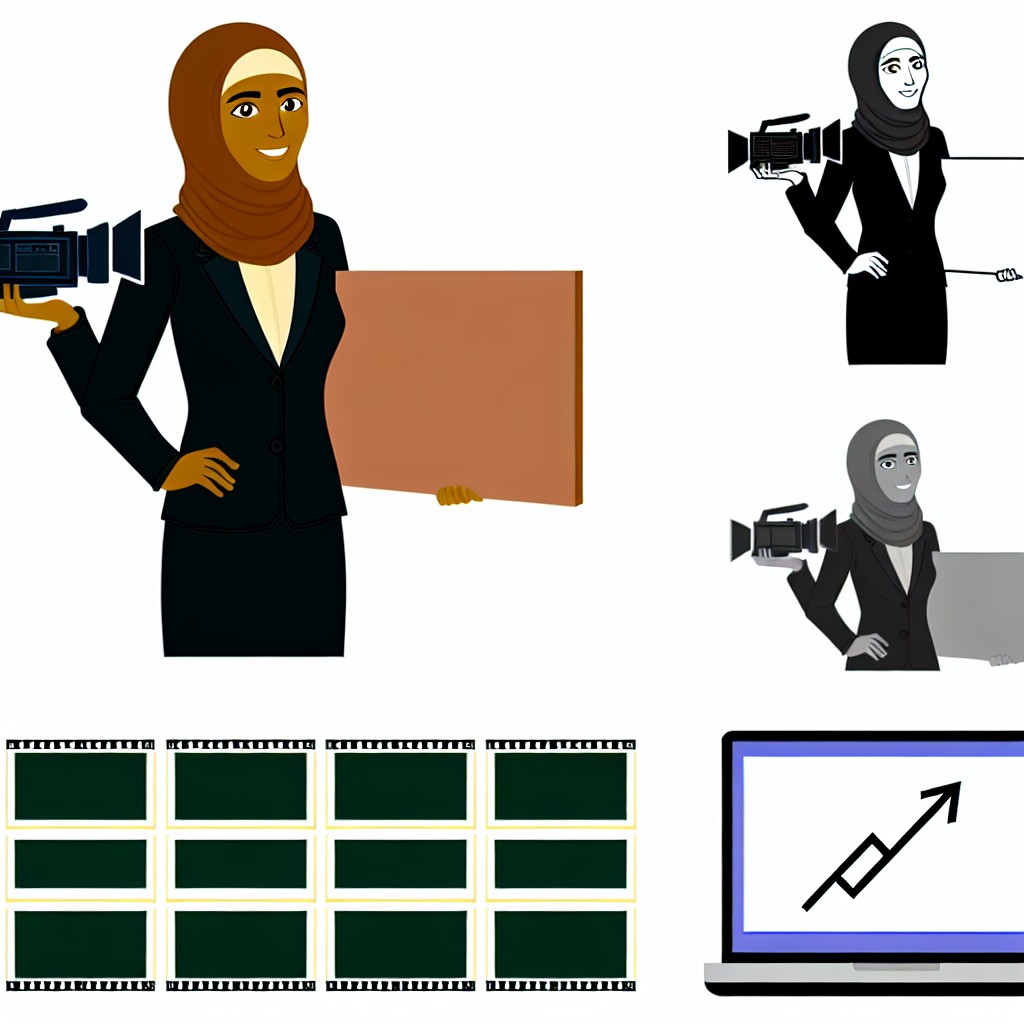
Women have significantly impacted the film industry.
They still face barriers as directors.
To overcome these obstacles, we must employ effective strategies.
These strategies can foster female talent and create a more inclusive environment in filmmaking.
Encouraging Mentorship and Networking Opportunities
Mentorship plays a crucial role in nurturing aspiring female directors.
Experienced filmmakers can guide newcomers through their journey.
They can provide valuable insights and support.
Here are several ways to encourage mentorship:
- Establish formal mentorship programs: Film schools and industry organizations should create structured mentorship initiatives.
- Organize networking events: Hosting film festivals, workshops, and panel discussions provides networking opportunities.
- Create online communities: Social media and professional networks can facilitate connections.
- Highlight successful partnerships: Sharing stories of successful mentorships inspires others.
- Encourage cross-industry mentorship: Female directors can benefit from mentors outside of film.
By prioritizing mentorship, we can help women navigate their careers more effectively.
A supportive network can empower them to break creative boundaries.
Advocating for Equal Opportunities and Representation
Women continue to face significant disparities in the film industry.
Transform Your Career Today
Unlock a personalized career strategy that drives real results. Get tailored advice and a roadmap designed just for you.
Start NowEqual opportunities must be a priority for a balanced landscape.
Advocacy plays a vital role in changing the status quo.
Key strategies include:
- Promote equitable hiring practices: Encourage studios and production companies to adopt inclusive hiring policies.
- Support female-led projects: Invest in funding initiatives that focus on female filmmakers.
- Advocate for gender representation in decision-making roles: Ensure that women occupy leadership positions in film studios and festivals.
- Engage with industry leaders: Collaboration with executives and influencers can drive change.
- Highlight gender disparities: Utilize research and statistics to raise awareness.
Equal representation not only enhances storytelling but also promotes diversity.
Audiences connect better with films that reflect their realities.
Promoting Diverse Stories and Perspectives
Diverse storytelling enriches the film industry.
Women filmmakers often bring unique perspectives.
They highlight narratives that resonate with various audiences.
To promote diverse stories, we can implement several approaches:
- Encourage projects centered around women: Support films that focus on women’s experiences.
- Highlight intersectionality: Showcase stories that address race, sexuality, and class.
- Invest in education and training: Empower women with resources to create.
- Promote collaboration between diverse filmmakers: Joint ventures between filmmakers from different backgrounds can lead to unique stories.
- Encourage inclusive narratives: Seek stories that feature diverse characters and experiences.
Promoting diverse stories allows women to share their experiences.
This practice not only enhances the medium but also fosters empathy and connection among audiences.
Breaking barriers requires dedicated efforts from everyone in the film industry.
Aspiring female directors need mentorship and guidance to navigate this challenging field.
Advocacy for equal opportunities remains essential to create a level playing field.
More voices and perspectives can diversify storytelling in rich and captivating ways.
When we commit to supporting women in film directing, we create a brighter, more inclusive future for cinematic storytelling.
Discover More: How to Write Copy That Reflects Brand Identity
The Unique Perspectives of Women Directors
Women directors infuse the film industry with fresh perspectives.
Their storytelling often reflects their diverse experiences.
They convey narratives that challenge conventional norms.
In a male-dominated industry, the female voice breaks barriers.
Women directors often emphasize emotional depth and nuanced characters.
They highlight the importance of relationships and community.
This approach brings authenticity and relatability to their work.
Moreover, women directors address themes that resonate with audiences.
They explore issues such as motherhood, identity, and social justice.
Their films often feature complex female characters who defy stereotypes.
This focus enriches the storytelling landscape in cinema.
Notable Women Directors and Their Unique Contributions
- Ava DuVernay: She confronts racial injustice and societal issues head-on. Her film “Selma” presents a powerful depiction of the civil rights movement.
- Greta Gerwig: Gerwig’s “Lady Bird” offers an intimate portrayal of adolescence and family dynamics.
- Chloe Zhao: Zhao’s “Nomadland” provides a contemplative view of life on the fringes of society, showcasing resilience and community.
- Kathy Bates: Her work often focuses on complex emotional landscapes, elevating personal journeys to a universal level.
The unique visions these directors bring to their films enrich our understanding of varied human experiences.
Their insights challenge outdated narratives and broaden industry horizons.
The Importance of Representation and Diversity
Representation plays a vital role in the film industry.
Diverse voices lead to richer narratives and broader audience appeal.
Women directors often tell stories that portray different cultures and experiences.
Their narratives foster understanding and empathy among viewers.
Moreover, representation matters because it influences societal perceptions.
When audiences see women in diverse roles, it normalizes those images.
It encourages future generations of female filmmakers.
This shift can inspire young girls to pursue careers in filmmaking and other creative professions.
Benefits of Diverse Storytelling in Film
- Broader Genres: Women bring innovative ideas to various genres, from action to horror to drama.
- Reflecting Reality: Diverse films mirror society’s complexities, offering relatable themes and characters.
- Inspiring Change: Diverse stories challenge stereotypes and create conversations about important social issues.
- Expanding Audiences: Films created by women often appeal to new demographics, increasing viewership and profitability.
Women directors not only reflect society but also shape its narrative.
Their work paves the way for all underrepresented groups in film production.
Transform Your Career Today
Unlock a personalized career strategy that drives real results. Get tailored advice and a roadmap designed just for you.
Start NowTransformation of the Film Industry by Women Directors
The success of women directors is fundamentally altering the film landscape.
Their achievements challenge the traditional paradigms that have long governed Hollywood.
They are proving that successful, compelling films can emerge from diverse voices.
Historically, women faced numerous obstacles in film directing.
They struggled for funding, recognition, and equal opportunities.
However, the recent rise in successful female-directed films signifies a shifting paradigm.
Recent Milestones Achieved by Women Directors
- Academy Awards: Films directed by women, such as “Nomadland,” have won prestigious accolades, reshaping perceptions of success.
- Box Office Success: Women-directed films like “Wonder Woman” and “Frozen” have broken box office records, proving their commercial viability.
- Film Festivals: Women directors are increasingly being recognized at major film festivals, showcasing their talent on global platforms.
- Diversity Initiatives: Film studios are now actively seeking to include women directors in their projects, driven by audience demand for diverse content.
These achievements illustrate an ongoing transformation in the industry.
The success of female directors fosters an environment ripe for equity and creativity.
Impact of Women Directors on Future Filmmaking
Women directors are making substantial impacts in the film industry.
They bring unique perspectives that enrich storytelling.
Their focus on representation and diversity highlights the importance of varied voices.
As they break through barriers, they reshape the industry landscape.
Through their films, they inspire future generations of filmmakers.
They prove that diverse storytelling captivates audiences and drives commercial success.
The film industry must continue to support women directors.
This support will lead to a richer, more inclusive cinematic future.
The Impact of Women in Film Directing
In this blog post, we explored the vital role of women in film directing.
Women have historically faced significant barriers in this field.
Despite these challenges, many talented women are breaking through and making their mark.
Their unique perspectives enrich storytelling and enhance audience experiences.
Furthermore, we discussed inspiring figures who paved the way for future generations.
Directors like Ava DuVernay and Greta Gerwig redefine industry standards and create opportunities for others.
Advancing Diversity Through Women’s Success
Women in film directing are not just finding success; they are changing the narrative.
This shift promotes diversity within the industry, which leads to richer stories.
Diverse storytelling resonates with broader audiences.
Representation matters both on-screen and behind the scenes.
This reality emphasizes the necessity of supporting women in all aspects of film production.
Encouraging Innovation by Breaking Barriers
It is essential to reiterate the significance of women breaking barriers in film directing.
Their contributions challenge stereotypes and offer fresh viewpoints.
By fostering an inclusive environment, we can encourage innovation and creativity.
Supporting women filmmakers benefits not only individuals but the entire industry.
Ways to Advocate for Women in Film
We must actively advocate for and empower women in the film industry.
This includes promoting mentorship programs and celebrating their achievements.
Additionally, we need to demand more female-led projects and diverse representation in film.
Each voice counts, and change begins with each of us.
Supporting Women Directors to Build a Diverse Film Industry
Join us in championing women directors.
Attend their screenings, share their work, and uplift their stories.
Together, we can create a film industry that values talents of women at every stage.
Let's commit to breaking barriers and celebrating diversity in storytelling.
Additional Resources
CULTURAL AND CREATIVE INDUSTRIES – Breaking Barriers …
Transform Your Career Today
Unlock a personalized career strategy that drives real results. Get tailored advice and a roadmap designed just for you.
Start Now


