




Camera Operators in Visual Storytelling
Camera operators support many industries by capturing visuals that tell stories and evoke emotions.
Their expertise strongly influences film, television, and live event production.
They combine technical knowledge with creative judgment to shape each visual narrative.
Responsibilities Across Production Settings
Camera operators work on film sets, in broadcast studios, and at live events.
They collaborate closely with directors and producers to achieve the intended visual results.
Operators understand filming techniques, composition, lighting, and various camera systems.
They handle both digital and traditional equipment while maintaining consistent production quality.
Additionally, editing software knowledge helps operators communicate effectively with post-production teams.
Camera Operators’ Impact Across Industries
High-quality visuals provide the foundation for successful film and television productions.
A camera operator transforms scripts into compelling visual narratives through careful framing.
Each shot must satisfy artistic and technical standards throughout production.
During live events, operators capture action as it unfolds in real time.
Their framing helps viewers experience the event’s excitement and energy.
Moreover, operators influence a project’s mood and tone through movement and camera angles.
Documentary operators often work in unpredictable environments and adapt quickly.
They capture spontaneous moments that reveal deeper truths about their subjects.
In sports broadcasting, operators follow fast-paced action and anticipate players’ movements.
This skill improves the viewing experience for fans.
Similarly, corporate operators create professional promotional videos that strengthen brand images.
Those videos can engage potential customers through polished visual communication.
As technology evolves, industries continue seeking talented camera operators.
Their experience and skills help productions maintain high visual quality across many formats.
Aspiring camera operators need education, focused training, and practical experience.
This preparation develops technical confidence and supports effective work across production environments.
Several learning paths can help candidates build camera skills and understand production requirements.
Educational Foundations for Camera Operators
A high school diploma typically provides the starting point for a camera operator career.
Many successful camera operators also earn bachelor’s degrees in film, television production, or related fields.
Although degrees are not always mandatory, they can strengthen a candidate’s job prospects.
- Film theory
- Lighting techniques
- Camera angles and composition
- Post-production editing
- Sound design
Some employers prefer applicants with specialized knowledge of digital cinematography or visual effects.
Strong visual storytelling knowledge helps candidates make thoughtful creative decisions.
Additionally, production knowledge can distinguish applicants during job searches.
Training Options for Aspiring Camera Operators
Aspiring operators can choose from several formal training options.
Film schools and technical colleges often provide programs designed for camera operation.
These programs combine foundational concepts with practical production activities.
- Film Schools: These programs often emphasize camera operation, lighting, and production techniques.
- Technical Colleges: These courses focus on digital media, cinematography, and practical technical skills.
- Online Courses: Digital classes offer flexible learning for self-motivated students.
- Trade Programs: Short-term courses can focus directly on camera operation and production skills.
- Workshops and Seminars: These events provide focused instruction from industry professionals.
Each option offers a different balance of structure, flexibility, and practical instruction.
Therefore, learners should select programs that match their goals and preferred learning styles.
Focused instruction can provide a dependable foundation for later production work.
Practical Experience on Production Projects
Education establishes important concepts, but hands-on experience develops dependable working skills.
Practical training helps aspiring operators respond effectively to real production conditions.
Internships and entry-level positions can provide valuable learning and networking opportunities.
Transform Your Career Today
Unlock a personalized career strategy that drives real results. Get tailored advice and a roadmap designed just for you.
Start Now- Film and television sets
- Documentary shoots
- News stations
- Event videography
- School or community projects
Students can observe experienced operators while contributing to active projects.
Moreover, live assignments encourage learners to apply classroom concepts under practical conditions.
This experience gradually builds confidence, adaptability, and professional awareness.
Technical Skills for Camera Operation
Camera operators need strong technical knowledge to use equipment effectively.
Familiarity with different camera models supports consistent performance during varied shoots.
Operators also benefit from understanding how production departments support the final project.
- Camera Operation: Operators should understand DSLRs, digital cinema cameras, and camcorders.
- Lighting Techniques: Proper lighting can improve the visual quality of filmed material.
- Shot Composition: Framing and composition influence a project’s visual impact.
- Post-Production Knowledge: Editing familiarity helps operators understand how shots support the final edit.
- Audio Management: Sound recording knowledge can strengthen overall production quality.
These capabilities help operators make informed decisions during filming.
Furthermore, technical versatility allows them to adjust across different production environments.
Continued practice can improve both equipment control and visual consistency.
Building a Sustainable Camera Operating Career
A successful path combines relevant education, targeted training, and consistent practical experience.
Education introduces essential concepts, while training develops focused production abilities.
Hands-on assignments then connect those abilities with real filming responsibilities.
Technical skills can further improve an operator’s effectiveness across diverse filming environments.
With preparation and commitment, aspiring operators can develop the skills needed for this creative industry.
Key Responsibilities of Camera Operators
Camera operators perform essential tasks throughout film, television, and commercial production.
They combine technical precision with creative judgment to support each production’s visual direction.
Their responsibilities cover equipment operation, composition, collaboration, maintenance, and adaptability.
- Operating camera equipment: Camera operators use various cameras, lenses, and accessories.
- Adjusting settings: They adjust settings for lighting conditions, depth of field, and desired effects.
- Moving the camera: They execute pans, tilts, and tracking shots according to the script.
- Framing shots: Camera operators frame each shot to convey the intended mood and narrative.
- Monitoring footage: They review recorded footage for quality and consistency during the shoot.
- Maintaining equipment: Proper maintenance keeps camera gear performing effectively during production.
- Staying updated: Camera operators follow new technologies and techniques in cinematography.
- Working under pressure: They remain calm and decisive during challenging shooting conditions.
Operating and Adjusting Camera Equipment
Camera operators must operate and adjust equipment to capture the desired shots.
This responsibility requires strong technical knowledge and an understanding of cinematographic aesthetics.
Operators apply several techniques to control each image’s appearance and technical quality.
- Choosing the right camera: Operators select digital or film cameras for each scene.
- Selecting lenses: They choose lenses according to focal length, aperture, and scene requirements.
- Setting exposure: Camera operators adjust exposure to maintain suitable brightness and contrast.
- Focusing: They focus shots manually or automatically to highlight important elements.
- White balance adjustment: Proper white balance supports accurate color representation.
- Using filters: Operators use filters to enhance or modify visual effects.
- Stabilizing shots: They use stabilizers, gimbals, or steadicams to reduce camera shake.
Successful camera operators master the technical skills required for different equipment types.
Each camera and accessory includes unique features that operators must understand.
This knowledge helps operators execute shots smoothly while preserving creative intent.
Collaborating with Directors, Producers, and Crew Members
Effective collaboration supports a coherent and engaging visual result.
Camera operators communicate with directors, producers, and crew members throughout production.
These partnerships help the team develop and execute each scene’s visual approach.
- Interpreting the director’s vision: Operators translate artistic intentions into visual language.
- Providing composition input: They suggest framing ideas while following the overall creative direction.
- Discussing lighting setups: Operators work with lighting teams to optimize each scene.
- Coordinating with sound departments: They communicate with sound crews so visuals complement audio effectively.
- Following the rhythm: Operators consider scene pacing when creating impactful visuals.
- Working with actors: They coordinate with actors to support performances and visual storytelling.
- Participating in storyboard discussions: Operators join pre-production meetings to visualize complex scenes.
This collaboration allows the team to consider every important aspect of a scene.
Strong communication helps the crew turn creative plans into practical camera work.
Each contributor supports the production’s visual and narrative development.
Adapting to Different Shooting Conditions
Camera operators encounter changing conditions during film and television production.
Adaptability helps them respond effectively when circumstances change unexpectedly.
They must assess each challenge quickly and adjust their approach without disrupting production.
- Weather conditions: Outdoor shoots may face unpredictable weather that affects filming schedules.
- Lighting changes: Sudden changes in natural light require quick camera adjustments.
- Location constraints: Tight spaces and crowded environments can restrict camera movements.
- Technical malfunctions: Operators troubleshoot equipment quickly to limit production delays.
- Actor performance: They adjust angles and shots according to actor movements and performances.
- Audience reactions: During live audience shoots, operators monitor audience dynamics.
- Rehearsal adjustments: They revisit setups after rehearsals and refine the camera approach.
Adaptability helps camera operators maintain smooth workflows and capture high-quality footage.
Quick thinking often distinguishes highly effective operators during demanding shoots.
Through precision, focus, and creativity, camera operators strengthen visual narratives and production value.
Find Out More: Effective Communication Skills for Brand Managers
Camera operators support productions by shaping images that strengthen visual storytelling.
They work in studios, on locations, and in specialized environments.
Each role requires technical skill, creative judgment, and adaptability.
Different Types of Camera Operators
Camera operators adapt their methods to the needs of film, television, and video production.
Transform Your Career Today
Unlock a personalized career strategy that drives real results. Get tailored advice and a roadmap designed just for you.
Start NowSome operators work in controlled studios, while others manage unpredictable locations.
Specialized operators also capture footage from the air, underwater, or during moving scenes.
- Studio Camera Operators: These professionals operate cameras in controlled studio environments.
- Location-Based Camera Operators: These operators film in varied indoor and outdoor settings.
- Aerial Camera Operators: These specialists capture views from drones or helicopters.
- Underwater Camera Operators: These technicians film beneath the water’s surface.
- Steadicam Operators: These operators create smooth movement during dynamic scenes.
- 2nd Unit Camera Operators: These operators capture supporting footage for the main production.
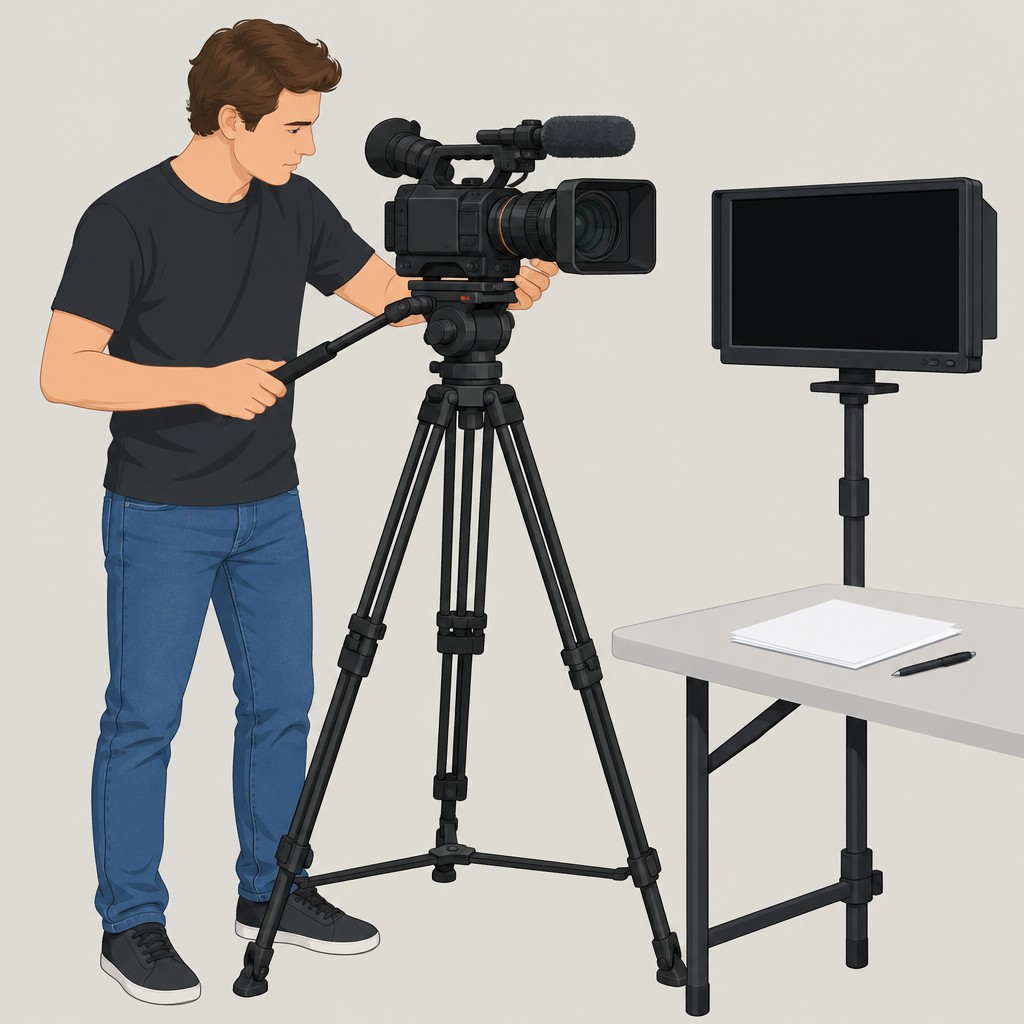
Studio Camera Operators and Location-Based Camera Operators
Studio and location-based operators contribute differently to production workflows.
Studio operators benefit from predictable conditions and established setups.
Location operators respond to changing surroundings and unexpected filming challenges.
Studio Camera Operators
Studio camera operators work within controlled environments.
They prepare equipment and position cameras according to the production’s visual requirements.
They also monitor live feeds and adjust framing when necessary.
Close coordination with directors helps them execute the intended visual approach.
- Setting Up Equipment: Operators position cameras, lights, and supporting gear before filming.
- Monitoring Live Feeds: Operators watch feeds and adjust angles or settings as needed.
- Coordinating with Directors: Operators follow direction from directors and producers during production.
- Positioning and Framing Shots: Operators frame images according to scripts and production designs.
Location-Based Camera Operators
Location-based camera operators work across changing indoor and outdoor environments.
They adapt quickly when lighting, weather, or movement affects a shot.
They also move efficiently to capture unplanned moments and alternative angles.
Collaboration with local crews can support productive shoots in unfamiliar places.
- Adapting to Natural Light: Operators respond quickly to changes in available light.
- Managing Mobility: Operators move efficiently while pursuing important moments and angles.
- Dealing with Environmental Elements: Operators prepare for rain, wind, and other conditions.
- Collaborating with Local Teams: Operators build effective working relationships with local crews and talent.
Specialized Roles in Camera Operating
Some camera operating roles require equipment and techniques designed for unusual environments.
Aerial and underwater operators manage conditions that differ substantially from standard production settings.
These specialists combine camera control with environmental awareness and careful preparation.
Aerial Camera Operators
Aerial camera operators capture expansive views from above.
They use drones or helicopters to position cameras for elevated shots.
They must coordinate camera control with flight movement and production requirements.
Safety procedures also guide their planning and equipment use.
- Operating Aerial Equipment: Operators control cameras while navigating aerial vehicles.
- Planning Flight Paths: Operators plan routes that support visually effective shots.
- Ensuring Safety: Operators follow safety measures and applicable regulations during flights.
- Using Specialized Cameras: Operators use high-resolution cameras suited to aerial filming.
Underwater Camera Operators
Underwater camera operators film in aquatic environments beneath the surface.
They manage specialized equipment that must withstand water exposure and pressure.
They also consider aquatic life and environmental conditions while filming.
Effective coordination with divers or assistants supports underwater production work.
- Utilizing Submersible Equipment: Operators manage cameras designed for underwater conditions.
- Understanding Underwater Environments: Operators respect aquatic life and surrounding habitats.
- Maintaining Equipment: Operators check waterproofing and functionality before and during filming.
- Coordinating Teams: Operators communicate with divers and assistants during underwater shoots.
Studio, location-based, aerial, underwater, and Steadicam operators each bring distinct abilities to production.
Their adaptability helps productions capture clear, purposeful, and visually engaging footage.
Together, these specialists contribute to the visual quality of cinematic storytelling.
Explore Further: Developing a Content Marketing Strategy as a Manager
Core Skills for Camera Operators
Successful camera operators combine technical knowledge, creative judgment, and dependable professional habits.
These qualities help them manage demanding shoots and changing production conditions.
They also support productive relationships with directors, producers, and other crew members.
- Technical expertise: Operators need a strong understanding of different cameras and production equipment.
- Attention to detail: They carefully manage framing, composition, and important visual elements.
- Communication: Clear discussions help operators understand directions and coordinate effectively.
- Problem-solving: Operators must resolve technical difficulties quickly during production.
- Physical stamina: Long working hours and heavy equipment require sustained energy.
- Adaptability: Operators must respond confidently when conditions change unexpectedly.
- Teamwork: Collaboration helps the entire crew maintain an efficient working environment.
Operators strengthen these abilities through regular practice and experience.
Technical Proficiency with Cameras and Equipment
Technical proficiency allows camera operators to capture consistent and visually effective footage.
They must understand aperture, shutter speed, ISO, lenses, lighting, and camera accessories.
This knowledge helps them select suitable equipment for each shooting situation.
- DSLR cameras: These cameras provide versatility and affordability for various production needs.
- Mirrorless cameras: They offer advanced features and strong video quality.
- Cinema cameras: These systems support professional filmmaking and detailed image capture.
- Handheld cameras: Operators can use them for mobile and dynamic shooting.
Lens knowledge helps operators match focal length and perspective to the intended visual effect.
Lighting expertise enables them to use natural light, artificial light, reflectors, and diffusers effectively.
Operators can also create controlled movement with sliders, gimbals, and drones.
Regular equipment checks reduce avoidable problems during shoots.
When problems occur, operators must troubleshoot them quickly and protect production continuity.
Transform Your Career Today
Unlock a personalized career strategy that drives real results. Get tailored advice and a roadmap designed just for you.
Start NowCreative Interpretation of Directorial Vision
Camera operation requires more than technical control because each image contributes to the production’s visual identity.
Operators interpret the director’s intentions and translate them into purposeful shots.
They consider narrative movement, emotional tone, composition, and visual emphasis while working.
- Visual aesthetics: Composition, color theory, and framing guide creative decisions.
- Shot variety: Different angles, movements, and techniques add visual interest.
- Script awareness: Understanding the script clarifies the director’s intended meaning.
- Collaboration: Discussion with directors and production teams encourages stronger creative choices.
Operators should welcome feedback because open discussion can improve visual decisions.
They can also raise challenges early and suggest practical solutions during production.
Different genres require operators to adjust their techniques and visual approaches.
Continued Development in Camera Operation
Camera operators benefit from combining reliable technique with creative awareness.
Continuous improvement helps them respond to varied equipment, environments, and production expectations.
By developing these qualities, operators can contribute effectively to film and video production.
Delve into the Subject: Corporate Training Trends in Communication Skills
Challenges Faced by Camera Operators
Camera operators encounter demanding conditions throughout their careers.
These obstacles emerge from production schedules, changing environments, and technical requirements.
Understanding these challenges helps aspiring operators prepare for industry expectations.
Working in Fast-Paced Production Environments
Operators often work in fast-paced settings that require constant attention.
Film and television productions frequently follow strict schedules.
Consequently, limited time can pressure operators to capture strong shots efficiently.
They coordinate with directors, producers, and crew members throughout each setup.
Quick decisions help operators respond effectively when production plans change.
Furthermore, last-minute adjustments can test their focus without reducing image quality.
Several practices help operators manage demanding production environments.
- Time Management: Operators organize shot lists and revise plans when necessary.
- Communication: Clear exchanges keep directors and crew members aligned.
- Focus: Operators maintain concentration to avoid missing important shots.
- Preparation: Rehearsals and shot planning can reduce filming problems.
- Stress Management: Operators use calming techniques to remain attentive under pressure.
Managing Unpredictable Lighting Conditions
Operators also manage lighting conditions that can change without warning.
Natural light shifts because of weather and the time of day.
These variations require operators to adjust techniques and equipment carefully.
Indoor locations create additional issues through fluorescent lights and mixed sources.
Therefore, operators must adapt settings to maintain professional image quality.
The following considerations support effective lighting management.
- Understanding Light: Operators assess how different light sources affect each shot.
- Exposure Settings: Operators adjust ISO, aperture, and shutter speed for suitable exposure.
- Filtering Techniques: Operators use filters to manage harsh light and color casts.
- Lighting Equipment: Operators work with softboxes and reflectors for greater control.
- Flexibility: Operators change their approach quickly when conditions shift.
Building Resilience Through Technical Adaptability
Camera operators strengthen their work by preparing for pressure and changing conditions.
They combine planning, communication, concentration, and technical knowledge during production.
By developing these abilities, operators can deliver consistent footage across demanding environments.
Find Out More: Developing a Compelling On-Air Presence
Future Outlook for Camera Operators
The future for camera operators looks promising and offers many opportunities.
As technology advances, employers continue seeking skilled camera operators.
Meanwhile, entertainment and other industries continue expanding their video production needs.
Consequently, creativity and technical ability will shape successful camera operators.
Digital media has transformed the production landscape.
Therefore, camera operators must adapt to changing formats and platforms.
They will work across many content types, including films and corporate videos.
Advancements in Camera Technology and Equipment
Camera technology has advanced significantly in recent years.
These innovations continue changing how camera operators plan and complete their work.
Therefore, aspiring professionals should understand important equipment developments.
Transform Your Career Today
Unlock a personalized career strategy that drives real results. Get tailored advice and a roadmap designed just for you.
Start Now- 4K and 8K Resolution: Higher resolution footage requires operators to manage detailed capture and editing workflows.
- Digital Cinematography: Digital cameras provide greater flexibility and encourage creative visual choices.
- Drone Technology: Drones help operators capture aerial perspectives that support visual storytelling.
- Compact Gear: Compact cameras improve portability while maintaining strong image quality.
- Virtual Reality (VR) and Augmented Reality (AR): VR and AR projects require operators to learn specialized camera techniques.
In addition, software developments create new ways to improve visual storytelling.
Modern editing tools allow operators to enhance footage during post-production.
Learning industry-standard software can therefore improve an operator’s employment prospects.
Expanding Demand Across Video Production Industries
Entertainment companies continue increasing their demand for skilled camera operators.
However, many industries now recognize the value of professional video production.
This broader demand creates opportunities beyond traditional film and television work.
- Advertising: Companies use engaging advertisements to attract audience attention.
- Corporate Videos: Businesses use professional videos for training and promotion.
- Event Coverage: Operators record weddings, concerts, and corporate events for future viewing.
- Documentaries: Documentary production needs operators who can capture real-life events effectively.
- Content Creation: Influencers and digital creators often need professional video support.
Furthermore, streaming services and social media platforms continue seeking high-quality video content.
These platforms give camera operators more places to present their skills.
As a result, employers value professionals who adapt quickly to changing production demands.
Skills for Long-Term Professional Growth
Industry changes require camera operators to develop skills beyond basic equipment operation.
Technical knowledge remains important, but creative and interpersonal abilities also support career growth.
Operators should continue strengthening these qualities throughout their careers.
- Creativity: Operators need a creative eye and innovative storytelling abilities.
- Technical Knowledge: Operators should understand camera settings, lighting, and sound equipment.
- Editing Skills: Editing knowledge can increase an operator’s value during production.
- Problem Solving: Quick-thinking operators can address unexpected challenges during shoots.
- Collaboration: Effective teamwork supports productive relationships with directors, producers, and crew members.
Nevertheless, operators must manage several challenges while pursuing these opportunities.
Rapid technological changes can make continuous learning feel demanding.
Additionally, strong competition requires professionals to maintain current skills and practical experience.
Adaptability and Opportunity in the Camera Profession
Camera operators can find opportunities across entertainment, business, events, documentaries, and digital content.
Those who embrace new tools and production methods can respond effectively to industry changes.
By combining creativity, technical knowledge, and adaptability, operators can build promising careers.
The Lasting Value of Camera Operators
Camera operators remain central to visual media because they shape how audiences experience stories.
They capture moments that evoke emotions and communicate messages through carefully composed images.
Their work strengthens films, television programs, commercials, and other screen-based productions.
Production Skills That Support Strong Results
Operators manage cameras, lighting, angles, composition, and movement during demanding shoots.
They collaborate with directors, anticipate action, and adjust quickly when scenes change.
They also maintain equipment, troubleshoot problems, review footage, and support continuity.
Creative Influence Across Media
Skilled operators translate a director’s vision into clear and compelling visual sequences.
Their judgment can transform ordinary scenes into memorable images that hold audience attention.
Furthermore, effective communication helps crews work efficiently and maintain production quality.
The Continuing Need for Visual Expertise
As technology evolves, camera operators continue adapting their technical and creative approaches.
Their expertise helps productions create visuals that connect audiences with stories.
For that reason, skilled camera operators remain indispensable across changing media environments.
Additional Resources
Google search results for Camera Operator: Key Responsibilities and Roles Media and Communication
Bing search results for Camera Operator: Key Responsibilities and Roles Media and Communication


