




The Camera Operator’s Role in Visual Storytelling
Camera operators capture visuals that tell stories in film and television production.
They use cameras to translate scripts into compelling visuals.
Their creativity and technical skills shape each finished production.
Additionally, camera operators work closely with directors and cinematographers.
They interpret the director’s vision and bring it to life.
Through framing and composition, they strengthen the story’s visual impact.
Careful attention to detail helps them create the desired mood and tone.
Therefore, camera operators hold an important position in entertainment production.
Skilled operators create memorable scenes that engage audiences.
Their work helps films and shows connect with viewers.
Technical Skills and Industry Adaptability
Camera operators must master various techniques and equipment.
They need to understand camera movements, lighting, and shot composition.
Furthermore, familiarity with different camera types supports varied production styles.
This knowledge allows operators to adapt across different projects.
The industry frequently introduces new tools and techniques.
Consequently, continuous learning helps operators maintain a competitive edge.
Versatility can also create additional job opportunities.
Networking and Entry-Level Experience
Networking plays a significant role in entering the camera operation industry.
Building relationships with other professionals can support career development.
Attending industry events and workshops may open professional opportunities.
Joining local film groups or online communities can provide additional connections.
Many aspiring camera operators begin as production assistants or grips.
These entry-level roles provide valuable experience on working sets.
They also help individuals learn from seasoned professionals.
Ultimately, passion and dedication support progress in this demanding field.
Education and Training
Entering camera operation requires a strong foundation.
Formal education in film or broadcasting greatly aids aspiring camera operators.
Educational programs offer structured learning environments.
They provide knowledge about the technical aspects of filming.
These programs equip students with vital theoretical knowledge.
Several reasons explain why formal education matters.
- Structured Curriculum: Students learn essential concepts in cinematography, lighting, and composition.
- Industry Standards: Formal training teaches students the standards expected in the industry.
- Networking Opportunities: Students meet professionals and fellow enthusiasts, establishing valuable connections.
- Access to Resources: Schools often provide advanced equipment and technology.
- Potential Internships: Many programs offer internships that facilitate real-world experience.
Meanwhile, hands-on training and real-world experience remain equally important.
Internships and entry-level positions give students practical skills.
They show students what working on a film set involves.
This training builds confidence and steadily sharpens technical abilities.
Hands-on training provides several important benefits.
- Real-world Experience: Students apply classroom learning in actual work environments.
- Skill Development: Hands-on training refines camera operation and lighting skills.
- Problem-Solving: Field experience teaches operators to think quickly and adapt to challenges.
- Collaboration: Teamwork enhances communication and collaboration skills.
- Portfolio Building: Each project becomes part of a professional portfolio.
A successful camera operator develops specific skills that support career growth.
Attention to detail helps operators capture effective shots.
Operators must manage framing, focus, and lighting.
Moreover, creativity helps operators discover unique angles and perspectives.
Transform Your Career Today
Unlock a personalized career strategy that drives real results. Get tailored advice and a roadmap designed just for you.
Start NowThese qualities strengthen visual communication and production results.
Camera operators need several practical and interpersonal skills.
- Technical Proficiency: Operators should understand camera settings and operation.
- Physical Stamina: The job often requires long hours on set.
- Vision: An eye for composition and aesthetics creates captivating visuals.
- Collaboration: Operators must communicate effectively with directors and crew members.
- Adaptability: Operators must adjust to fast-changing environments.
Formal education and hands-on experience together support a successful camera operation career.
Aspiring professionals should combine academic learning with practical training.
By refining their skills, they can navigate the film industry’s challenges.
Creativity, attention to detail, and technical knowledge can support a rewarding career.
Building a portfolio helps aspiring camera operators enter the industry.
A strong portfolio showcases your skills and creativity.
It attracts potential employers and clients.
Your work needs to stand out in a competitive field.
Therefore, creating a professional portfolio should remain a top priority.
The Significance of a Strong Portfolio
A strong portfolio serves several important purposes.
It highlights your technical proficiency and artistic vision.
It reflects your journey and growth as a camera operator.
A well-curated portfolio can enhance your industry reputation.
It can attract potential clients and employers.
It also shows that you can adapt to different styles and projects.
- Showcases Skills: It highlights your technical proficiency and artistic vision.
- Demonstrates Experience: It reflects your journey and growth as a camera operator.
- Builds Credibility: A well-curated portfolio can enhance your industry reputation.
- Attracts Opportunities: It draws the attention of potential clients and employers.
- Displays Versatility: It shows that you can adapt to different styles and projects.
In today’s digital age, your portfolio often creates your first impression.
Many employers review portfolios before meeting candidates.
Therefore, create a portfolio that reflects your strongest work.
Your portfolio should contain high-quality content that resonates with potential clients.
Tips for Creating a Professional Portfolio
Creating a professional portfolio might seem daunting.
However, a clear process can simplify the task.
A thoughtful presentation helps you show your abilities with confidence.
- Choose Your Best Work: Select pieces that best represent your skills.
- Organize Your Projects: Arrange your work logically and group similar projects together.
- Include Relevant Details: Explain each project’s concept, your role, and its techniques.
- Keep It Updated: Add new projects and remove work that no longer represents your abilities.
- Consider Design: Use a simple, appealing layout that keeps attention on your work.
- Use Online Platforms: Consider Vimeo and Behance to reach a wider audience.
- Seek Feedback: Ask industry professionals to review your portfolio and suggest improvements.
- Highlight Problem-Solving Skills: Include projects that demonstrate creative solutions to challenges.
Each step can contribute to a more professional and compelling portfolio.
Project Types That Demonstrate Versatility
Include varied projects to showcase your versatility.
This approach demonstrates your range of skills and adaptability.
Choose polished work that reflects your strongest abilities.
- Short Films: Highlight your narrative skills and visual storytelling abilities.
- Documentaries: Showcase your ability to capture real-life moments and emotions authentically.
- Music Videos: Demonstrate creative experimentation and distinctive stylistic choices.
- Corporate Videos: Show your professionalism and ability to meet client needs.
- Promotional Videos: Highlight your ability to communicate messages through visuals.
- Event Coverage: Showcase your ability to capture live events, including weddings and concerts.
- Experimental Projects: Use unique work to show your artistic side and distinguish yourself.
A diverse project selection can reveal different aspects of your abilities.
Ensure that every included piece looks polished and represents your best work.
Personal projects can also demonstrate initiative, creativity, and individual style.
Final Details That Strengthen Your Portfolio
After curating your projects, focus on the details that complete your presentation.
These details can significantly influence how people experience your work.
A polished presentation can make your portfolio easier to remember.
- Write a Strong Bio: Introduce yourself, your background, and your passion for camera operation.
- Include Testimonials: Add comments from clients or collaborators about your work ethic and skills.
- Ensure Accessibility: Provide clear links and straightforward access to your work.
- Simplify Navigation: Use simple categories and a clean layout to improve user experience.
- Incorporate Social Media: Link your professional social media accounts so clients can follow your work.
Your portfolio can evolve as you gain experience and improve your craft.
Regularly assess it and adjust it to match your current skills and aspirations.
A strong portfolio can open doors to new opportunities in camera operation.
Invest the time and effort needed to create a standout portfolio.
Showcase your unique skills and experiences to compete effectively in the field.
Your portfolio reflects you as an artist and professional.
Transform Your Career Today
Unlock a personalized career strategy that drives real results. Get tailored advice and a roadmap designed just for you.
Start NowTake pride in your work and let it communicate your capabilities and aspirations.
Learn More: How to Optimize Content for Voice Search
Networking Opens Doors in Film
Networking remains essential for aspiring camera operators who want to enter the film industry.
Personal connections can create opportunities that formal applications may not reveal.
Relationships can lead to jobs, collaborations, and mentorship opportunities.
Many film roles come through professional referrals, not technical ability alone.
A strong network can improve your chances within the competitive film industry.
Professional Benefits of Networking
Networking gives aspiring camera operators several practical advantages.
It connects you with people who understand current industry expectations.
It also helps you discover opportunities before employers advertise them publicly.
- Access to Job Opportunities: Referrals often help professionals find film positions.
- Exposure to Industry Trends: Conversations reveal current technologies and production challenges.
- Learning from Experience: Experienced professionals can share practical advice.
- Enhancing Your Reputation: Positive relationships can strengthen your professional credibility.
- Potential Collaborations: New contacts can support future film projects.
However, networking requires consistent engagement rather than one-time contact.
Genuine relationship-building creates stronger professional connections.
Industry Events Create Valuable Connections
Industry events provide direct access to professionals at many filmmaking levels.
Film festivals, workshops, and expos can introduce you to potential collaborators.
Each conversation may offer useful insight or reveal a future opportunity.
- Research Events: Select festivals, workshops, and expos that match your interests.
- Join Online Communities: Participate in forums and social media groups about filmmaking.
- Engage with Panels: Listen carefully when experienced camera operators discuss their work.
- Prepare Your Elevator Pitch: Introduce your background and aspirations clearly.
- Follow Up: Send a brief thank-you message after meeting someone.
Preparation helps you use each event more effectively.
Follow-up messages keep new professional relationships active.
Workshops Strengthen Skills and Relationships
Workshops combine practical learning with opportunities to meet other filmmakers.
They can focus on camera techniques, lighting, or equipment.
Participants often share goals and develop connections through hands-on activities.
- Skill Development: Improve technical knowledge and familiarity with current equipment.
- Mentorship Opportunities: Experienced instructors may provide guidance and professional insight.
- Collaboration Projects: Meet people interested in student films and other projects.
- Portfolio Development: Group projects can provide material for your existing portfolio.
- Industry Connections: Instructors may connect participants with wider professional networks.
Workshops therefore support both technical progress and professional relationship-building.
They also create structured settings for sharing ideas and gaining experience.
Professional Relationships Expand Your Network
Established camera operators, directors, and producers can offer valuable industry perspectives.
Approach these professionals respectfully and show genuine interest in their work.
Trust develops gradually through reliable communication and shared professional interests.
- Social Media Engagement: Follow professionals and respond thoughtfully to relevant content.
- Volunteer for Film Projects: Support student films or small productions when possible.
- Informational Interviews: Request brief conversations and prepare thoughtful questions.
- Join Professional Organizations: Use memberships to access events and workshops.
- Leverage Alumni Networks: Contact graduates from your school who work in film.
These approaches can bring you closer to professionals who share useful knowledge.
They can also create opportunities for collaboration and future recommendations.
Personal Branding Supports Networking
A clear personal brand can make your networking efforts more effective.
It shows others what you can contribute as a camera operator.
Your public presence should communicate professionalism, skill, and genuine interest.
- Create a Portfolio: Display work that demonstrates varied skills and styles.
- Maintain an Online Presence: Use a professional website or blog.
- Use Social Media Wisely: Share relevant content about filmmaking and technique.
- Network Online: Join industry groups on platforms such as Facebook or Reddit.
- Stay Authentic: Share genuine experiences and lessons from your development.
Consistent branding helps potential collaborators understand your professional direction.
Authenticity can also attract people with similar interests and goals.
Long-Term Networking Builds Career Momentum
Networking requires patience, commitment, and regular communication.
It works as a long-term strategy rather than a quick solution.
Relationships become more valuable when both people contribute respectfully.
Instead of seeking immediate results, focus on maintaining meaningful connections.
Over time, those connections can support collaborations and employment opportunities.
Networking Supports Film Career Development
Networking forms an important part of entering the film industry as a camera operator.
Industry events and workshops can introduce you to professionals and potential collaborators.
Online conversations and in-person meetings can strengthen your professional relationships.
Transform Your Career Today
Unlock a personalized career strategy that drives real results. Get tailored advice and a roadmap designed just for you.
Start NowA credible personal brand can further improve your visibility within the industry.
By investing time in genuine connections, you create a stronger foundation for future opportunities.
You Might Also Like: Media Research Analyst vs. Data Analyst: Key Differences
Breaking into camera operation requires dedication, persistence, and a thoughtful strategy.
Internships and entry-level positions can provide an important first step toward industry experience.
Practical placements also help candidates demonstrate their skills in professional environments.
Finding Internships in Film and Broadcasting
Internships offer valuable exposure to film and broadcasting work.
Several approaches can help aspiring camera operators locate suitable opportunities.
Persistence and creativity often reveal opportunities that public listings do not show.
- Use university resources: Career services often provide internship listings for students.
- Attend industry events: Workshops and film festivals can introduce candidates to potential employers.
- Search online platforms: LinkedIn, Glassdoor, and Internmatch may list film and broadcasting internships.
- Follow company accounts: Film and broadcasting companies may announce internships through social media.
- Join online communities: Forums and groups can share leads for aspiring filmmakers.
Keep checking different sources because organizations may announce opportunities through unexpected channels.
Regular searches can improve your chances of finding a suitable placement.
Strengthening Internship Applications
A focused application can help you stand out from other candidates.
Show employers how your coursework, projects, and abilities support their production needs.
Demonstrate genuine interest by researching each organization before applying.
- Tailor your resume: Emphasize relevant coursework, projects, and technical abilities.
- Personalize your cover letter: Explain your interest and describe how you could contribute.
- Share selected work: Include short films, video projects, or clips that demonstrate your abilities.
- Follow up professionally: Send a polite message after submitting your application.
- Prepare for interviews: Review the company’s work and connect your skills to its projects.
A polished application shows preparation, enthusiasm, and initiative.
Careful preparation can make your experience more relevant to each employer.
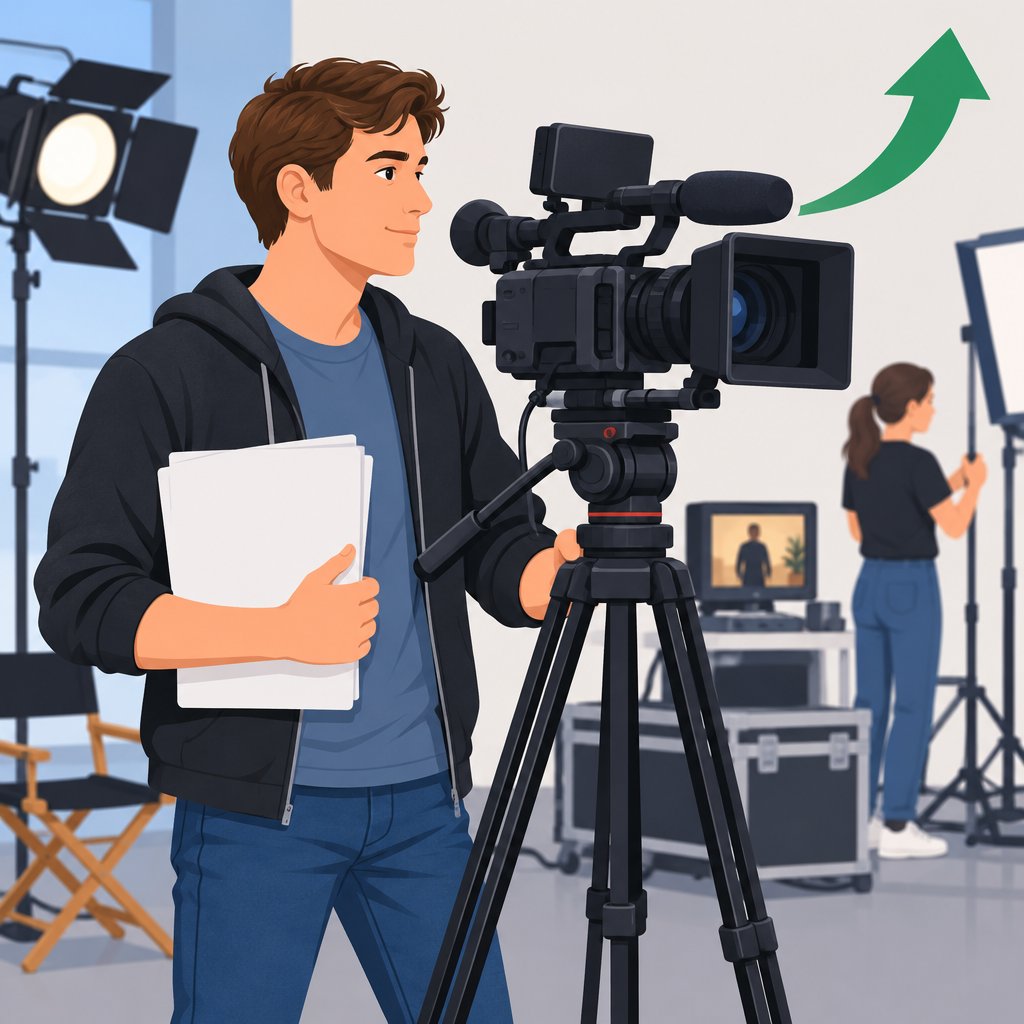
Building Skills Through Practical Experience
Hands-on experience plays an important role in camera operation.
Internships place aspiring operators in real production environments where they can apply their knowledge.
Each assignment can provide lessons that classroom work cannot fully replicate.
- Develop technical skills: Use cameras, lighting equipment, and rigging during actual production work.
- Build professional relationships: Connect with colleagues who may offer guidance or references.
- Understand production workflows: Observe how teams manage pre-production, filming, and post-production tasks.
- Refine your creative eye: Study different shooting techniques and learn from experienced operators.
- Strengthen your resume: Document practical responsibilities and completed production experience.
Approach every task with enthusiasm, including assignments that seem minor.
A willingness to learn can help you make a positive impression.
Consistent effort and practical experience can support a strong start in camera operation.
Delve into the Subject: How to Deal with Difficult Callers on Air
Freelancing or Full-Time Camera Operation
Camera operators can choose between freelancing and full-time employment.
Each path offers distinct advantages and challenges.
Understanding both options supports an informed career decision.
Freelancing Opportunities and Challenges
Freelancing provides varied experiences and opportunities for camera operators.
However, freelancers must navigate unique professional and financial challenges.
The right approach depends on your priorities and circumstances.
Advantages of Freelancing
- Flexibility: Freelancers choose projects, tailoring their workload to their interests.
- Diverse Experiences: Various projects strengthen skills and creativity across different filming environments.
- Schedule Control: Freelancers set productive work periods and take time off when needed.
- Earning Potential: Successful freelancers may charge premium rates for specialized skills.
- Networking: Freelancers meet professionals across the industry, creating potential collaboration opportunities.
Challenges of Freelancing
- Inconsistent Workflow: Workloads fluctuate, creating financially rewarding periods and leaner months.
- Self-Discipline: Freelancers manage their time independently, which can make procrastination easier.
- Limited Benefits: Freelancers typically lack employer-provided health insurance and retirement benefits.
- Tax Responsibilities: Freelancers manage their taxes independently and must remain financially organized.
- Administrative Work: Invoicing, bookkeeping, and marketing reduce time available for creative work.
Full-Time Camera Operation and Its Tradeoffs
Full-time employment offers a different set of advantages and limitations.
Many camera operators view this path as more secure than freelancing.
Nevertheless, full-time roles can restrict personal control over work.
Advantages of Full-Time Employment
- Job Stability: Full-time positions provide steady income for budgeting and financial planning.
- Benefits: Employers often provide health insurance, retirement plans, and paid time off.
- Structured Environment: Clear expectations and responsibilities can help employees remain focused.
- Professional Development: Companies may provide workshops and seminars that strengthen employee skills.
- Team Collaboration: Employees work closely with creatives, which can strengthen project development.
Challenges of Full-Time Employment
- Limited Flexibility: Employees follow company hours, schedules, and workplace policies.
- Creative Restrictions: Employer-directed projects may limit opportunities for personal creativity.
- Office Politics: Employees may navigate workplace dynamics that distract from their work.
- Burnout Risk: Sustained pressure, high expectations, and tight deadlines can cause burnout.
- Less Variety: One employer may provide fewer experiences and limit professional growth.
Comparing Career Priorities
Choosing between these paths requires careful consideration of your priorities.
Each option presents distinct opportunities for camera operators.
Your financial needs, schedule preferences, and career goals should guide the decision.
Flexibility and Stability
Freelancing offers significant flexibility because you can select projects and control your schedule.
However, fluctuating income can create financial stress.
Full-time employment provides consistent pay and benefits, although it usually offers less scheduling freedom.
Income Potential
Freelancers may earn more after building a strong client base.
They can charge per project, potentially increasing earnings during busy periods.
Transform Your Career Today
Unlock a personalized career strategy that drives real results. Get tailored advice and a roadmap designed just for you.
Start NowFull-time employees usually receive fixed salaries, while bonuses and gradual raises may increase compensation.
Work-Life Balance
Freelancing allows you to design a schedule around personal commitments.
Nevertheless, flexible hours can blur the boundary between work and personal time.
Full-time schedules may reduce personal time, although fixed hours can establish clearer boundaries.
Choosing a Camera Operation Career Path
Your choice should reflect your financial needs, work-life expectations, and professional aspirations.
Freelancing offers flexibility and variety while creating potential income fluctuations.
Full-time employment provides stability, benefits, and development opportunities but may limit creative freedom.
Both paths offer opportunities for growth and creativity in the camera industry.
Find Out More: How to Become a Successful Film Director
Specialization as a Camera Operator
Specializing in a camera operating niche helps you develop focused expertise.
This depth of knowledge can distinguish you within a crowded market.
Additionally, specialization helps you target marketing toward suitable clients.
- Focused Expertise: A niche allows you to refine techniques for specific types of filming.
- Clearer Marketing: Specialized services make it easier to communicate your value to prospective clients.
- Stronger Positioning: A defined focus can help you stand apart from general camera operators.
Benefits of Developing Niche Expertise
Specialized camera operators can build strong reputations within their chosen fields.
Clients often value professionals who understand their specific production requirements.
Furthermore, focused expertise can support repeat business and stronger pricing potential.
- Expertise Development: Specialization helps you master techniques connected to your chosen niche.
- Brand Recognition: Clients may remember your name when they need your particular services.
- Reduced Competition: A focused field may contain fewer direct competitors than general camera operation.
- Client Loyalty: Satisfied clients may return when they trust your specialized capabilities.
- Higher Pricing Potential: Specialized skills can justify higher rates for suitable assignments.
Potential Niches in Filming
Filming offers several niche directions for camera operators with different interests and strengths.
Each area requires distinct technical abilities and working approaches.
Exploring these options can help you identify a suitable professional focus.
- Wedding Videography: This work captures important moments and requires technical skill and emotional awareness.
- Wildlife Documentaries: Operators need patience and an understanding of animal behavior.
- Corporate Videos: Businesses often need promotional and training videos that communicate information professionally.
- Real Estate Videography: Specialists present properties attractively through carefully planned video footage.
- Music Videos: This creative field uses visual storytelling to support musical expression.
Factors for Selecting a Filming Niche
Selecting a niche requires honest reflection about your interests and abilities.
Market research can also reveal demand and opportunities within different filming areas.
Meanwhile, conversations with experienced operators can provide practical perspective.
- Identify Your Passions: Consider the projects that create the strongest excitement and motivation.
- Evaluate Your Skills: Review the technical abilities that could support a particular specialization.
- Research the Market: Study current demand and identify gaps your services might address.
- Connect with Professionals: Ask experienced camera operators about their work and career experiences.
Creating a Portfolio for Your Niche
A niche-focused portfolio should communicate your abilities and visual style clearly.
Careful selection helps potential clients understand the services you provide.
Regular updates can keep your presentation aligned with your developing skills.
- Prioritize Quality: Select your strongest work instead of filling the portfolio with unnecessary examples.
- Highlight Your Niche: Present projects that demonstrate skills relevant to your specialty.
- Show Versatility: Include varied projects while maintaining a clear specialization.
- Seek Collaborations: Joint projects can add useful material and expand professional connections.
- Update Regularly: Replace older examples as your work and abilities improve.
Marketing Specialized Camera Services
Effective marketing can help specialized camera operators reach appropriate clients.
A consistent message should emphasize your niche, capabilities, and professional value.
Moreover, educational content can strengthen your position as a knowledgeable specialist.
- Create a Professional Website: Display your work, services, and client testimonials clearly.
- Use Social Media: Share projects through Instagram, Facebook, and LinkedIn.
- Network Specifically: Attend events and workshops connected to your selected niche.
- Offer Initial Services: Consider free work that demonstrates your skills and builds goodwill.
- Educate Your Audience: Publish blogs, videos, or tutorials about your specialized knowledge.
Sustaining a Specialized Camera Operating Career
A carefully chosen niche can support long-term growth in camera operation.
Continued practice will help you strengthen both technical skills and creative judgment.
With focused effort, you can build recognition and pursue suitable professional opportunities.
Camera operators must track industry trends and technology to remain effective in filmmaking and video production.
New tools, techniques, and styles emerge frequently, so you must adapt your approach.
Continuous learning keeps your skills sharp, relevant, and competitive in a fast-paced industry.
Furthermore, ongoing education helps you respond confidently to changing production demands.
Importance of Staying Updated
Staying informed about industry trends strengthens your ability to create impressive work.
It also helps you select suitable tools and techniques for each project.
Moreover, current knowledge can improve your creative decisions and professional opportunities.
- Emerging Technologies: New cameras, editing software, and production tools appear regularly.
- Changing Styles: Evolving filmmaking styles can inspire fresh creative approaches.
- Increased Opportunities: Clients often seek operators who understand current technologies.
- Networking: Workshops and classes connect you with professionals, collaborators, and potential referrals.
Continuing Education Opportunities
Several resources can support your continuing education in camera operation.
Choose opportunities that match your current abilities, professional goals, and available time.
Additionally, combining practical instruction with independent study can strengthen your development.
Transform Your Career Today
Unlock a personalized career strategy that drives real results. Get tailored advice and a roadmap designed just for you.
Start Now- Workshops: Hands-on workshops can cover basic techniques and advanced camera operations.
- Online Courses: Platforms such as Coursera, Udemy, and LinkedIn Learning offer videography courses.
- Film Schools: Short courses and seminars provide structured instruction from experienced instructors.
- Industry Conferences: Conferences feature guest speakers and demonstrations about current camera technology.
- Peer Mentorship: An experienced camera operator can provide valuable guidance and practical insight.
Benefits of Obtaining Certifications
Certifications can give camera operators a competitive advantage, although employers may not require them.
They document your knowledge and demonstrate commitment to professional development.
In addition, certification programs can connect you with other industry professionals.
- Demonstrated Expertise: Certifications showcase your knowledge and technical skill level.
- Enhanced Credibility: Respected certifications can strengthen your resume and professional reputation.
- Networking Opportunities: Certification programs can encourage valuable professional connections.
- Skill Validation: Certifications confirm your skills and strengthen your confidence on new projects.
- Access to Resources: Some programs provide updated materials, industry news, and member webinars.
Continuing education and professional development remain essential for camera operators.
Workshops, online courses, film schools, conferences, and mentorship provide several learning paths.
Investing in education can support both personal growth and professional progress.
Certifications add another layer of credibility to your work.
By pursuing lifelong learning, you prepare yourself for growth in an evolving industry.
Finally, engaging with the community can help you learn, connect, and improve your craft.
Your Next Steps in Camera Operation
Your passion remains your greatest asset as you pursue camera operation.
Therefore, embrace every opportunity to learn, practice, and grow in this dynamic field.
Reach out to industry professionals for guidance and mentorship whenever possible.
Additionally, use online resources and forums to expand your knowledge and connect with peers.
Hands-on experience will strengthen your confidence as you develop your abilities.
Take initiative and seek practical opportunities whenever they become available.
Meanwhile, believe in your creativity and vision as a camera operator.
Your creative choices can help you develop a distinctive voice within the industry.
Every frame you capture can communicate a compelling story.
However, do not let early challenges discourage you from pursuing your goals.
Use setbacks as learning experiences, then continue moving forward with dedication.
Ultimately, your camera operation journey begins with the next opportunity you pursue.
Additional Resources
Google search results for Camera Operator: Breaking into the Industry Media and Communication
Bing search results for Camera Operator: Breaking into the Industry Media and Communication


