




How Engineers and Musicians Shape Recordings
Audio engineers play an important role in music production.
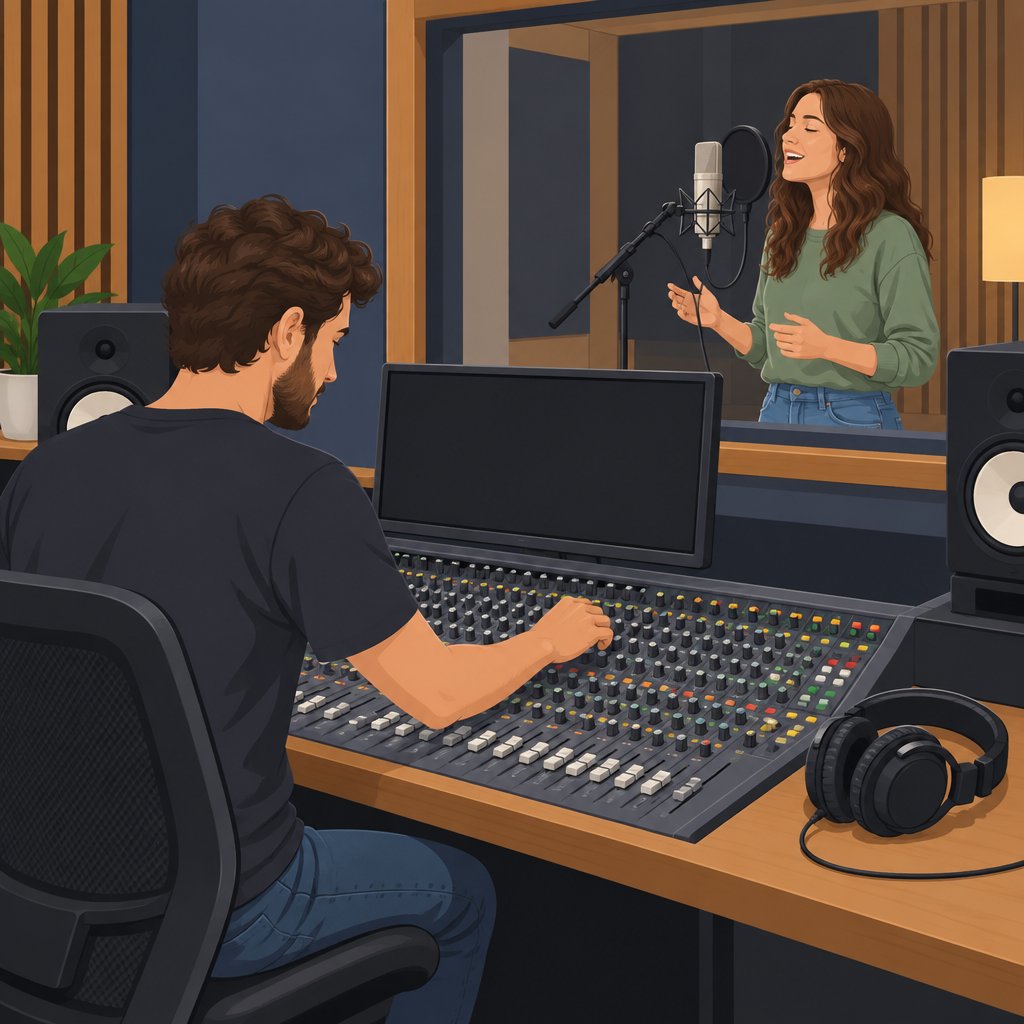
They collaborate closely with musicians to bring songs to life.
This partnership helps recordings capture each musician’s creative vision.
Without effective collaboration, the music can lose its intended impact.
Understanding this relationship reveals how both professionals shape the production process.
Each party contributes unique skills and perspectives.
The engineer manages technical details, while the musician provides creativity and emotion.
Together, they create a balanced sound that strengthens the music.
Building a Productive Studio Collaboration
When musicians enter the studio, engineers first evaluate their needs.
They discuss the artist’s vision and style to establish clear goals.
Engineers also assess the project’s technical requirements.
As a result, they can prepare suitable tools and recording setups.
During recording sessions, the audio engineer captures every note and nuance.
They adjust levels and microphone placements to achieve a strong sound.
Meanwhile, continuous communication keeps the recording aligned with artistic expectations.
Applying Technical Expertise to Musical Goals
Audio engineers possess extensive knowledge of sound technology.
They operate recording equipment, digital audio workstations, and mixing software.
This expertise helps them build a soundscape that complements the music.
Additionally, engineers provide useful feedback during recording sessions.
Their objective perspective helps musicians refine performances and improve the overall result.
Musicians also rely on engineers for guidance about sound direction and production techniques.
Refining Recordings Through Mixing and Post-Production
After recording ends, the collaboration continues during post-production.
Engineers carefully edit tracks to remove unwanted noise and improve sound quality.
They also mix the tracks by balancing their different elements.
This process creates a cohesive final product.
Because this stage requires precision, engineers and musicians review mixes together.
They discuss adjustments that keep the finished recording aligned with the artist’s vision.
The Shared Craft Behind Music Production
The partnership between audio engineers and musicians supports successful music production.
Through shared effort, they craft recordings that connect with audiences.
Examining their collaboration clarifies the creative and technical work behind recorded music.
Roles and Responsibilities of an Audio Engineer
Audio engineers support many stages of music production.
They apply technical knowledge to meet artistic and production standards.
Their responsibilities include recording, mixing, mastering, and equipment maintenance.
Core Duties in Music Production
Audio engineers manage practical tasks before, during, and after recording sessions.
They monitor sound carefully and adjust settings when necessary.
They also maintain equipment and support the production process through technical decisions.
- Setting Up Equipment: Audio engineers prepare microphones, mixers, and other equipment before sessions begin.
- Recording Sound: They capture music and vocals while monitoring levels and adjusting settings.
- Mixing Tracks: They blend tracks by adjusting volume, panning, and audio effects.
- Mastering Songs: They prepare completed mixes for distribution and consistent playback across formats.
- Maintaining Equipment: They inspect recording tools, troubleshoot problems, and keep equipment functional.
- Supporting Artists: They use technical skills to help musicians achieve their intended sound.
Technical Skills for Audio Engineering
Audio engineers operate complex recording systems and production software.
They combine technical understanding with careful listening and creative judgment.
These abilities help them shape audio and resolve problems efficiently.
- Digital Audio Workstations: Engineers use software such as Pro Tools, Logic Pro, and Ableton Live.
- Sound Engineering Knowledge: They understand acoustics, signal flow, and sound manipulation.
- Microphone Techniques: They select microphone types and placements for instruments and vocals.
- Outboard Gear: They use compressors, equalizers, and other processors to shape audio signals.
- Problem Solving: They resolve technical issues quickly without disrupting recording sessions.
- Music Theory: They apply theoretical knowledge when making creative audio decisions.
Communication and Teamwork in the Studio
Audio engineers communicate with musicians, producers, and other production team members.
Transform Your Career Today
Unlock a personalized career strategy that drives real results. Get tailored advice and a roadmap designed just for you.
Start NowClear exchanges help engineers understand creative preferences and technical requirements.
Adaptability also helps engineers support different artists, genres, and working methods.
- Establishing Rapport: Engineers build trust by creating a comfortable and cooperative environment.
- Active Listening: They consider musicians’ ideas and feedback during recording sessions.
- Clear Instructions: They explain technical requirements and provide concise performance guidance.
- Regular Feedback: They offer timely, constructive comments that support improved performances and sound.
- Adaptability: They adjust their approach for different genres, artists, and preferences.
- Team Collaboration: They coordinate with producers and other team members during production.
Professional Impact in Music Production
Audio engineers combine equipment knowledge, software skills, and attentive listening throughout production.
Their technical decisions help transform recorded performances into polished audio.
Strong communication further supports productive sessions and accurate creative results.
Through these responsibilities, audio engineers contribute meaningfully to the music industry.
Pre-Production Process
Pre-production forms the foundation for every successful recording session.
It involves several steps that streamline the recording process.
Audio engineers prepare carefully while working closely with musicians.
This preparation helps everyone manage the session smoothly.
Essential Pre-Production Steps
The pre-production stage follows a structured but flexible process.
Each step addresses a specific recording requirement.
Engineers and musicians adjust the process according to the session’s needs.
- Initial Meeting: Engineers meet musicians to discuss their vision and goals.
- Scheduling: The team plans sessions around everyone’s needs and availability.
- Song Selection: Musicians choose songs while engineers evaluate each song’s requirements.
- Budgeting: The team determines costs for studio time, equipment, and additional services.
- Equipment List: Engineers list necessary microphones, instruments, and other equipment.
- Studio Preparation: Engineers prepare the studio for the recorded performances.
These steps give musicians a solid foundation before recording begins.
Audio Engineer Responsibilities During Studio Preparation
Studio preparation plays an important role during pre-production.
Engineers organize technical details before musicians perform.
Their preparation supports efficient studio operation.
- Mic Placement: Engineers select and position microphones for instruments and vocals.
- Sound Checks: Engineers adjust levels, EQ settings, and gates before recording.
- Acoustic Treatment: Engineers evaluate room acoustics and add treatment when needed.
- Equipment Setup: Engineers set up and test recording equipment before sessions begin.
- Signal Flow Verification: Engineers confirm signal flow from every instrument to the recording device.
These tasks reduce technical problems during recording.
Strategies for an Efficient Recording Session
Clear communication helps engineers and musicians maintain a productive atmosphere.
Both sides can address concerns before they affect the session.
Several practical strategies support a smooth recording process.
- Clear Communication: Engineers keep communication open so musicians can express ideas and concerns.
- Feedback Loop: Engineers encourage feedback and make quick adjustments during recording.
- Pre-Session Rehearsals: Rehearsals help musicians prepare and show engineers their dynamics and sound preferences.
- Managing Time: Engineers keep sessions on track and give each track adequate attention.
- Support and Guidance: Engineers provide technical assistance while helping musicians achieve their desired sound.
These strategies help both parties work together effectively.
Preparing for Creative Recording
Detailed planning prepares the studio for the actual recording.
Equipment checks and clear communication support musical creativity.
Engineers provide essential preparation that helps sessions run efficiently.
Consequently, musicians can focus more fully on their performances.
Careful preparation creates conditions for memorable music experiences.
Uncover the Details: Negotiation Tactics for Publishing Rights Managers
Recording Process
Audio engineers capture sound during recording sessions.
They use specialized tools and techniques to preserve clear, controlled audio.
Furthermore, engineers support performances through feedback and consistent communication.
Capturing Sound During Recording Sessions
Engineers select equipment and techniques according to each instrument or voice.
They also manage the recording space, technical setup, and monitoring process.
These steps help engineers capture the intended sound with strong audio quality.
- Microphone Selection: Engineers choose microphones according to each instrument or voice.
- Placement: Engineers position microphones to reduce noise and capture the intended sound.
- Room Acoustics: Engineers assess room acoustics and use treatment to limit unwanted reflections.
- Technical Setup: Engineers configure interfaces, mixers, and recording software for multiple sound sources.
- Monitoring: Engineers listen through headphones or monitors and adjust the session when necessary.
- Recording Techniques: Engineers use layering, overdubbing, and effects to enhance the recording.
The Audio Engineer’s Role in Providing Feedback
Audio engineers provide musicians with focused feedback throughout recording sessions.
Their observations help performers improve timing, pitch, delivery, and creative choices.
Moreover, playback and open discussion help artists evaluate each recorded take.
- Performance Assessment: Engineers evaluate timing, pitch, and overall feel during performances.
- Encouragement: Engineers use positive feedback to motivate musicians and support creative risks.
- Technical Suggestions: Engineers recommend instrument settings and vocal techniques for desired sounds.
- Playback: Engineers replay recorded takes so musicians can compare performances objectively.
- Direction: Engineers guide emotional delivery to strengthen the recording’s impact.
- Communication: Engineers discuss problems quickly, which helps sessions continue smoothly.
Communication Between Audio Engineers and Musicians
Clear communication helps musicians and engineers pursue the desired sound together.
It allows both sides to discuss artistic goals, technical concerns, and performance adjustments.
As a result, open dialogue supports creativity, efficiency, and productive recording sessions.
Transform Your Career Today
Unlock a personalized career strategy that drives real results. Get tailored advice and a roadmap designed just for you.
Start Now- Clarifying Artistic Vision: Musicians explain their creative goals while engineers listen carefully.
- Feedback Loop: Immediate feedback enables adjustments during performances and recording.
- Conflict Resolution: Open dialogue helps both sides resolve misunderstandings effectively.
- Technical Clarity: Engineers explain equipment use so musicians feel more comfortable.
- Encouraging Innovation: Supportive communication gives musicians room to develop new ideas.
- Session Efficiency: A shared plan helps musicians focus on their creative work.
Engineers combine technical control with attentive feedback during recording sessions.
Musicians contribute their performances while engineers help preserve the intended artistic direction.
Through coordinated effort, both sides create polished recordings with clear expressive impact.
Find Out More: How to Start Your Career as a Brand Manager
Mixing Stage
Mixing combines individual audio tracks into one coherent version.
During this stage, engineers shape balance, space, tone, dynamics, and atmosphere.
Consequently, mixing transforms separate recordings into a unified musical presentation.
- Balancing Levels: Engineers adjust each track’s volume so no instrument or vocal dominates the mix.
- Panning: Engineers position sounds across the stereo field to create space and depth.
- Equalization: Engineers adjust frequencies to improve clarity, reduce muddiness, and emphasize important tones.
- Compression: Engineers control dynamic range by reducing volume differences between softer and louder sounds.
- Effects Processing: Engineers add reverb, delay, or chorus to create atmosphere and texture.
- Automation: Engineers change volume, panning, and effects over time to maintain listener engagement.
Mastering Stage
Mastering follows mixing and prepares the finished audio for distribution.
At this stage, engineers refine the mixed recording for consistent playback across different systems.
Therefore, mastering provides the final technical polish before listeners receive the music.
- Final Adjustments: Engineers make precise equalization changes to support balanced playback.
- Dynamics Processing: Engineers use compression and limiting to manage overall dynamics and loudness.
- Cohesive Sound: Engineers adjust levels so multiple tracks flow together as a unified project.
- Conversion and Encoding: Engineers prepare tracks in formats such as WAV and MP3.
- Listening Tests: Engineers review the final audio and identify problems that earlier stages missed.
Enhancing Sound Quality
Mixing and mastering improve how clearly listeners experience a recording.
Engineers use technical adjustments to preserve detail while creating a compelling overall sound.
In addition, they evaluate playback consistency across different listening environments.
- Clarity and Separation: Engineers use equalization and panning to give each instrument adequate space.
- Depth and Energy: Compression and reverb can make recordings feel more vibrant and engaging.
- Consistency: Mastering helps tracks maintain a similar sound profile throughout a project.
- Adaptability: Engineers prepare music for systems ranging from high-end speakers to earbuds.
- Dynamic Control: Careful adjustments help recordings translate across different genres and playback conditions.
Collaboration During Post-Production
Post-production benefits when musicians and engineers exchange clear feedback throughout the process.
Musicians describe their preferences, while engineers apply technical knowledge to support those creative goals.
Moreover, repeated reviews allow both sides to refine the recording without losing its artistic direction.
- Open Communication: Musicians share their vision and preferences to guide production decisions.
- Listening Sessions: Both parties review mixes and discuss adjustments during focused sessions.
- Creative Input: Engineers suggest techniques that may strengthen the recording’s sound and character.
- Iterative Revisions: Musicians and engineers refine successive versions until the result meets their goals.
- Artistic Direction: Engineers protect the music’s intended expression while completing technical work.
Mixing and mastering combine detailed technical decisions with careful artistic judgment.
These stages refine recordings while preserving the character that gives each musical work its identity.
As production technology develops, engineers continue exploring new ways to shape and improve recorded music.
See Related Content: Role of Audio Engineers in Film and TV Production
Troubleshooting and Problem-Solving in Music Production
Music production can present unexpected technical and creative challenges.
Audio engineers and musicians must respond thoughtfully when problems interrupt their work.
Clear communication and practical decisions help teams protect the recording’s quality.
Common Challenges Faced by Audio Engineers
Engineers encounter several obstacles while supporting musicians during production.
These obstacles can affect schedules, sound quality, and creative decisions.
Recognizing each challenge allows the team to choose an appropriate response.
- Technical Glitches: Equipment failures can interrupt sessions without warning.
- Sound Quality Issues: Room acoustics, unwanted noise, or poor microphone placement can weaken recordings.
- Creative Differences: Musicians may disagree about arrangements, instruments, or desired sounds.
- Time Constraints: Tight deadlines can pressure everyone to make faster decisions.
- Communication Gaps: Misunderstandings can delay progress and create unnecessary conflict.
Practical Responses to Technical Problems
Technical problems require calm investigation rather than hurried guesses.
Engineers can involve musicians while testing possible solutions.
This shared process reduces downtime and keeps everyone informed.
- Immediate Diagnosis: Engineers inspect the signal path and locate sources of noise or distortion.
- Adjusting Equipment: Engineers reposition microphones or modify mixing board settings when necessary.
- Utilizing Backups: Backup equipment helps the team continue working after a failure.
- Software Solutions: Plugins can reduce noise or improve sound quality during production.
Resolving Creative Differences
Creative disagreements can challenge the trust between musicians and engineers.
Respectful discussion keeps artistic decisions focused on the project.
Experimentation can reveal options that satisfy different creative preferences.
- Active Listening: Engineers listen carefully to understand musicians’ intentions and preferences.
- Constructive Feedback: Engineers suggest improvements while emphasizing possibilities instead of limitations.
- Experimentation: Musicians can test alternative approaches to discover distinctive sounds.
- Open Dialogue: Regular discussion gives musicians opportunities to raise concerns and clarify choices.
Collaboration During Challenging Projects
Real production situations show how cooperation can turn obstacles into workable solutions.
Engineers and musicians can protect creative momentum by responding together.
Each situation rewards preparation, attention, and steady communication.
- Live Recording Experience: An engineer reduced feedback during a performance by adjusting sound levels in real time.
- Acoustic Treatment Solutions: An engineer recommended room treatments after musicians noticed poor acoustics.
- Evolving Creative Projects: An engineer suggested alternative instruments that strengthened the song’s mood.
- Time Management Success: An engineer revised the workflow so musicians could meet the deadline.
Flexibility in Music Production
Flexibility helps production teams respond effectively when circumstances change.
Engineers and musicians can adjust their methods without losing sight of the project.
A willingness to reconsider decisions often supports stronger problem-solving.
- Seeing the Big Picture: Engineers keep the project’s overall vision visible during difficult moments.
- Willingness to Try New Ideas: Both parties explore unconventional approaches when familiar methods fail.
- Quick Adaptation to Changes: Engineers pivot quickly when pressing issues threaten production momentum.
Building Resilient Music Production Partnerships
Effective troubleshooting strengthens cooperation between audio engineers and musicians.
Teams solve problems more successfully when they combine technical skill with understanding.
Transform Your Career Today
Unlock a personalized career strategy that drives real results. Get tailored advice and a roadmap designed just for you.
Start NowSupportive collaboration helps artists create music that connects with listeners.
Engineers address technical issues while musicians contribute artistic direction.
Together, they can overcome obstacles and preserve the project’s creative purpose.
Explore Further: Tips for Designing Interactive Digital Magazines
Strong relationships between audio engineers and musicians support successful music projects.
These relationships influence creativity, communication, and the overall recording experience.
Both professionals can create stronger music when they build trust and share respect.
Trust and Creative Partnership
Positive relationships improve several parts of the recording process.
Trust helps musicians believe that engineers will strengthen their sound.
Furthermore, respectful collaboration gives artists room to express their creative vision.
- Trust: Musicians can rely on engineers to support their sound.
- Creative freedom: Engineers can create a safe space for musical exploration.
- Communication: Open discussions help both sides prevent misunderstandings.
- Conflict resolution: Strong relationships help teams resolve disagreements respectfully.
- Longevity: Successful partnerships can encourage future collaborations.
Communication Practices for Recording Projects
Effective communication keeps engineers and musicians aligned throughout each project.
Both parties should discuss expectations before recording begins.
Regular conversations can clarify goals, timelines, feedback, and creative decisions.
- Active listening: Each person should carefully consider the other’s ideas and feedback.
- Clear expectations: Teams should establish goals and timelines before work begins.
- Technology: Emails, messaging platforms, and project tools can improve coordination.
- Regular check-ins: Scheduled discussions help teams review progress and address concerns.
- Open-mindedness: Both professionals should consider alternative creative perspectives.
- Constructive feedback: Suggestions should recognize strengths while identifying possible improvements.
- Patience: Both parties should allow ideas to develop naturally.
Benefits of Respectful Collaboration
Mutual respect creates a more productive environment for music production.
When both professionals value one another, they can explore ideas with greater confidence.
Additionally, shared understanding helps teams protect artistic goals while improving the work.
- Enhanced creativity: Respect encourages musicians to explore sounds without fear of judgment.
- Improved quality: Engineers can elevate tracks while honoring the artist’s vision.
- Positive energy: A friendly atmosphere can maintain focus and enthusiasm.
- Greater efficiency: Clear collaboration can make the workflow smoother.
- Learning opportunities: Both professionals can exchange knowledge and expertise.
Shared Commitment to Musical Expression
Strong engineer-musician relationships form an essential part of the music-making process.
Trust, communication, and respect allow both professionals to contribute with confidence.
Ultimately, shared passion helps teams create meaningful sound experiences for listeners.
Engineers should cultivate spaces that encourage creativity and honest artistic expression.
Musicians and engineers can then challenge boundaries while supporting one another’s strengths.
Collaborative Impact on Music Production
Audio engineers refine recorded material to support the musical direction artists pursue.
They analyze audio elements and correct problems, strengthening the finished track.
Consequently, their sound expertise helps translate musical ideas into polished results.
Moreover, engineers listen carefully to musicians’ needs and ideas.
This ongoing dialogue creates a creative environment that encourages distinctive sounds.
Therefore, artists and engineers work together to produce focused, expressive music.
Engineers also use technical knowledge to recommend practical improvements.
They connect artistic intentions with technical execution during production.
Additionally, their suggestions can introduce techniques that refresh individual tracks.
Each artist requires an approach that matches the project’s creative direction.
Thus, engineers adapt their methods and contribute as creative partners.
This flexible collaboration helps musicians pursue artistic goals and explore new boundaries.
Audio engineers bring essential technical skills and creative judgment to music production.
Their contributions help shape each project while respecting the artist’s musical purpose.
Ultimately, music emerges from a productive relationship between musicians and engineers.
Every track reflects the collaborative effort behind its creation.
Next time you hear a favorite song, consider the teamwork supporting it.
That partnership helps bring recorded music to listeners.
Additional Resources
Google search results for How Audio Engineers Work with Musicians Media and Communication
Transform Your Career Today
Unlock a personalized career strategy that drives real results. Get tailored advice and a roadmap designed just for you.
Start NowBing search results for How Audio Engineers Work with Musicians Media and Communication


