




Audio Engineers in Film and Television
Audio engineers play a crucial role in film and television production.
They shape audio quality throughout each production.
Without their work, poor audio could diminish the viewer experience.
Responsibilities of Audio Engineers
Audio engineers manage sound quality throughout the production process.
They design audio landscapes that enhance storytelling.
Engineers collaborate with directors and producers to achieve the desired sound.
They handle dialogue recording, sound effects, and ambient sounds.
Recording and Mixing Techniques
During filming, engineers capture clear dialogue with advanced equipment.
They often adjust microphones for optimal placement based on each scene.
After filming, audio engineers mix different elements into a balanced soundtrack.
This process includes adjusting volumes, equalization, and audio effects.
Post-Production Sound Design
In post-production, audio engineers create immersive soundscapes.
They use sound design techniques to build the film’s atmosphere.
Engineers synchronize sound effects with visuals to enhance realism.
They ensure every sound aligns perfectly with the final cut.
Collaboration Across the Production Team
Audio engineers collaborate with a diverse team of creative professionals.
They engage with sound designers, editors, and directors throughout production.
This collaboration cultivates a unified artistic vision for each project.
Their insights often influence key decisions during the production process.
Audio’s Role in Storytelling
Audio engineers remain vital to the film and television industry.
They transform scripts into auditory experiences that captivate viewers.
Their expertise ensures that every sound element supports storytelling.
What Is an Audio Engineer?
An audio engineer manages the sound quality and audio elements of film and television projects.
They capture, mix, and deliver audio with careful technical precision.
Furthermore, their work shapes how audiences experience dialogue, music, and sound effects.
Technical knowledge and creative judgment define their value within production teams.
Key Responsibilities of an Audio Engineer
- Pre-Production Planning: Audio engineers discuss the project’s sonic vision with directors and producers.
- Equipment Setup: They position microphones, mixers, and recording devices to improve sound quality.
- Sound Recording: They capture live sound and maintain clear dialogue during filming.
- Sound Mixing: They balance dialogue, music, and effects into a cohesive audio experience.
- Audio Editing: They remove unwanted noise and enhance recorded audio tracks.
- Collaboration: They coordinate with sound designers, musicians, and other production departments.
- Troubleshooting: They diagnose sound problems and resolve them quickly during production.
Essential Skills for Audio Engineers
Successful audio engineers combine technical expertise with strong interpersonal abilities.
They apply both skill sets to maintain quality and support collaborative production.
Moreover, their knowledge helps them make accurate decisions throughout each project.
Technical Skills
- Sound Engineering Knowledge: They understand acoustics, frequency response, and sound wave properties.
- Equipment Familiarity: They operate microphones, mixers, and audio editing software effectively.
- Editing and Mixing Software: They use Pro Tools, Adobe Audition, or Logic Pro.
- Signal Flow Understanding: They trace audio signals through systems to troubleshoot problems.
- Post-Production Techniques: They refine audio through editing and mixing methods.
Interpersonal Skills
- Communication Skills: They communicate clearly with directors, sound designers, and crew members.
- Teamwork: They respect colleagues’ ideas and contribute effectively within production teams.
- Time Management: They organize tasks efficiently while meeting demanding production schedules.
- Problem-Solving Ability: They address unexpected technical issues quickly and effectively.
- Attention to Detail: They monitor every sound for seamless integration and quality.
Education and Training
Some audio engineers learn independently, while others pursue formal education or professional certifications.
Educational programs teach acoustics, sound design, and music production fundamentals.
Additionally, internships and workshops provide practical experience and opportunities for industry networking.
Career Path and Opportunities
Many audio engineers begin with smaller productions before pursuing larger projects.
Some specialize in sound design or post-production as their experience develops.
Meanwhile, streaming services continue creating opportunities for professionals who deliver high-quality audio.
The Future of Audio Engineering
Audio engineers influence how audiences perceive stories and characters through sound.
They combine technical knowledge and creative decisions to strengthen finished productions.
As technology evolves, the field continues to support growth, creativity, and innovation.
Audio Engineering Tasks in Film and Television
Audio engineers coordinate recording, editing, mixing, and quality control throughout production.
They guide audio work from initial capture through the completed sound mix.
Transform Your Career Today
Unlock a personalized career strategy that drives real results. Get tailored advice and a roadmap designed just for you.
Start NowTheir technical decisions support clear dialogue, effective effects, and balanced sound.
- Recording Sound: Engineers capture dialogue, effects, and ambient sounds with careful attention to clarity.
- Setting Up Equipment: They position microphones, mixers, and recording equipment before production begins.
- Monitoring Levels: Engineers check sound levels and adjust them to prevent distortion.
- Managing Field Recording: They capture sound in varied environments outside controlled studio spaces.
- Creating Foley Effects: Engineers add detailed effects during post-production to strengthen scenes.
- Mixing Audio: They balance dialogue, music, and effects within a cohesive final mix.
- Applying Sound Design: Engineers integrate sound design elements into the completed audio mix.
- Syncing Audio and Visuals: They align recorded sound precisely with the corresponding visuals.
- Editing Audio: Engineers remove unwanted noise and improve the quality of recorded material.
- Conducting Quality Checks: They test audio through multiple playback systems before delivery.
Collaboration Across Production Teams
Audio engineers collaborate with creative and technical professionals throughout film and television production.
They share information regularly to keep audio decisions aligned with the project’s creative direction.
This cooperation helps teams address recording challenges before they affect later production stages.
- Directors: Engineers align audio choices with the director’s vision for each project.
- Sound Designers: They combine designed elements into a detailed and unified soundscape.
- Cinematographers: Engineers discuss microphone placement to protect both audio and visual composition.
- Editors: They help synchronize audio tracks with edited video footage.
- Producers: Engineers report audio progress and support production scheduling.
- Voice Actors: Engineers provide recording direction and cues during voice sessions.
- Musicians: They help record and mix original music for the production.
- Sound Technicians: Junior technicians assist engineers with assigned production tasks.
- Post-Production Teams: Engineers coordinate the final blend of dialogue, music, and effects.
How Collaboration Strengthens Sound
Directors help engineers understand a scene’s emotional purpose and desired audience response.
Sound designers contribute ideas that help engineers develop distinctive and effective soundscapes.
Meanwhile, cinematographers help engineers anticipate visual requirements and protect recording conditions.
Editors also benefit from organized audio, which simplifies synchronization and supports smoother post-production work.
Skills That Support Audio Engineering
Audio engineers need technical knowledge, creative judgment, and consistent attention to detail.
They must also communicate clearly while responding quickly to changing production conditions.
Strong organization allows engineers to maintain quality while meeting demanding production schedules.
- Technical Knowledge: Engineers understand audio equipment, software, recording methods, and editing techniques.
- Creative Hearing: They detect subtle differences and recognize when audio needs improvement.
- Problem-Solving Skills: Engineers troubleshoot unexpected issues during recording and post-production.
- Attention to Detail: They examine recordings, edits, and mixes carefully for imperfections.
- Communication Skills: Engineers explain ideas clearly and respond constructively to feedback.
- Time Management: They complete detailed audio work efficiently within production schedules.
- Adaptability: Engineers adjust their methods for different genres, styles, and environments.
Audio Engineering’s Contribution to Storytelling
Audio engineering adds clarity, balance, and emotional depth to film and television projects.
A carefully prepared mix helps audiences follow dialogue, music, and effects without distraction.
Effective collaboration allows each sound element to support the project’s storytelling goals.
Through precise recording and thoughtful mixing, engineers help create engaging audio experiences.
You Might Also Like: Tips for Designing Interactive Digital Magazines
High-quality audio plays an essential role in film and television production.
It elevates the viewing experience and strengthens the connection between audiences and stories.
It also helps viewers respond emotionally to important moments.
How Audio Strengthens Storytelling
High-quality audio gives visual storytelling greater depth and dimension.
Clear sound helps audiences follow events and understand each character’s purpose.
When audio quality declines, even strong visuals may lose their emotional impact.
- Emotional Connection: Music and sound effects can evoke joy, fear, sadness, and other emotions.
- Storytelling: Clear dialogue helps audiences understand the narrative.
- Atmosphere Creation: Background sounds make fictional environments feel more realistic.
- Character Development: Distinctive audio cues can communicate a character’s mood or intention.
- Suspense Building: Sudden audio changes can increase tension during dramatic scenes.
Audio Engineers and Production Quality
Audio engineers combine technical knowledge with creative judgment throughout production.
They shape recorded sounds so dialogue, music, and effects support the finished work.
Their decisions influence how clearly audiences receive the story.
- Sound Design: Engineers create effects that support the project’s visual direction.
- Dialogue Recording: They capture performances clearly during filming.
- Location Sound: They operate microphones and equipment in changing environments.
- Foley Artistry: They reproduce everyday noises to improve realism.
- Mixing and Mastering: They balance dialogue, music, and effects during post-production.
Audio Choices That Shape Viewer Experience
Effective audio does more than provide technical clarity.
It guides attention, establishes mood, and supports the rhythm of each scene.
Thoughtful sound choices can remain memorable after the credits finish.
- Clarity: Crisp dialogue helps audiences follow the story without distraction.
- Intricacy: Multiple sound layers create a detailed auditory environment.
- Cohesion: Consistent sound unifies different scenes within a production.
- Audience Engagement: Creative audio moments can encourage discussion after viewing.
- Setting Tone: Music and effects can evoke nostalgia, joy, or fear.
Memorable Examples of Sound in Screen Production
Several successful productions demonstrate how sound can define memorable viewing experiences.
These examples use music, silence, effects, and atmosphere to support their narratives.
Each production shows how audio can strengthen distinctive creative choices.
- “Star Wars”: Its lightsaber and creature sounds demonstrate inventive sound design.
- “A Quiet Place”: Silence and sound heighten suspense and emotional response.
- “Game of Thrones”: Music and effects help create epic moments.
- “The Social Network”: Its score intensifies emotional moments throughout the film.
- “Inception”: Immersive sound design supports its complex narrative.
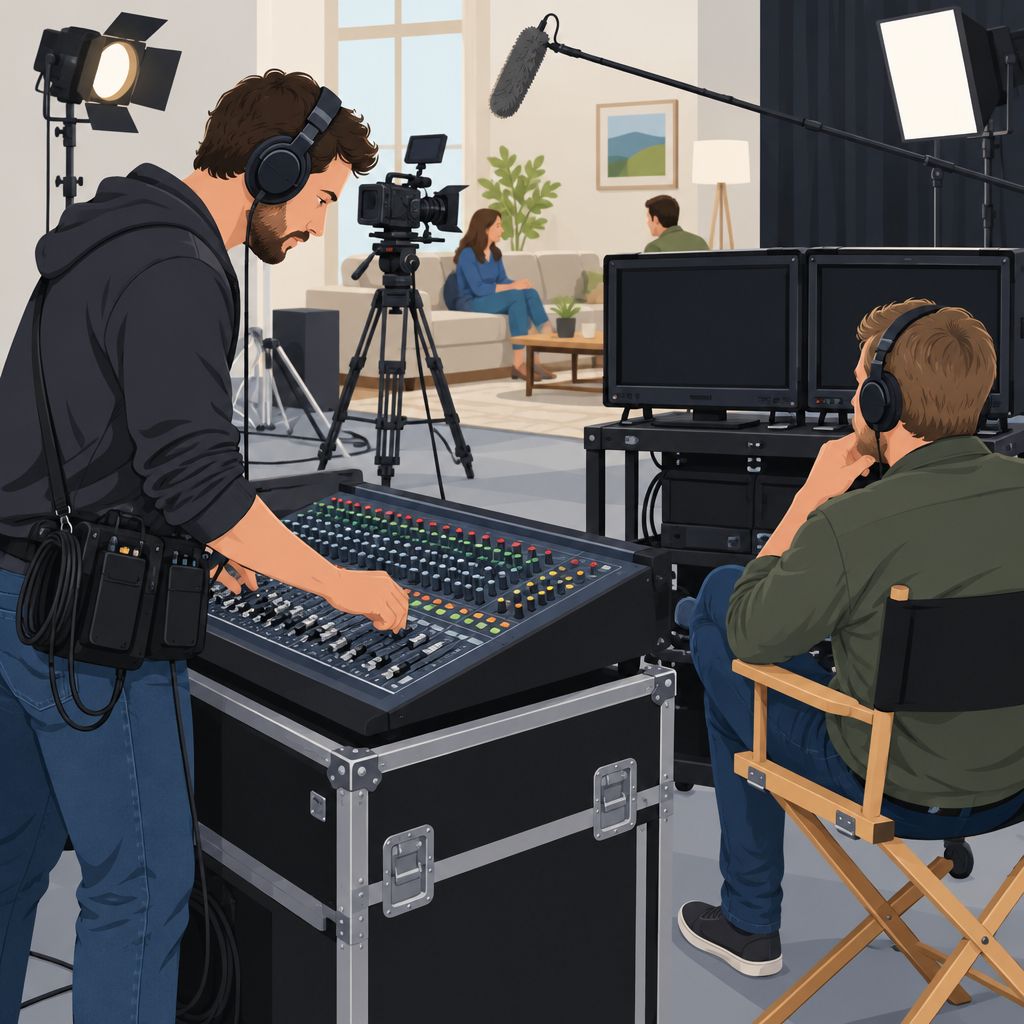
The Future of Audio in Screen Production
High-quality audio remains a cornerstone of effective film and television production.
It shapes how audiences understand, remember, and emotionally experience stories.
As production methods evolve, skilled audio engineers will continue supporting engaging screen experiences.
Gain More Insights: Broadcast Technician: Trends in Media and Communication
Techniques and Tools Used by Audio Engineers
Audio engineering supports film and television production through carefully planned sound work.
Engineers use specialized techniques and equipment to capture, shape, and refine audio.
These methods help sound support visual storytelling without distracting from important scenes.
Each tool serves a specific purpose during recording, editing, mixing, or delivery.
Engineers also adjust their approach according to the production’s creative and technical needs.
Transform Your Career Today
Unlock a personalized career strategy that drives real results. Get tailored advice and a roadmap designed just for you.
Start NowCore Audio Engineering Techniques
Audio engineers apply several techniques to maintain clarity, balance, and consistency.
These methods guide sound capture, mixing, and enhancement throughout production.
Careful decisions at each stage help engineers achieve the desired audio quality.
- Microphone Placement: Engineers adjust microphone angles and distances to capture clear, suitable recordings.
- Room Acoustics: Engineers study the recording space to reduce echoes and improve sound capture.
- Equalization: Engineers boost or reduce selected frequencies to create a clearer, more balanced sound.
- Compression: Engineers reduce dynamic range to keep audio levels more consistent and controlled.
Recording Methods for Richer Sound
Recording techniques help engineers capture the sounds that productions require.
Engineers select methods that support richness, realism, and creative flexibility.
They may record several sound layers to create a fuller final result.
- Layering: Engineers record multiple takes to add depth and provide flexible mixing options.
- Ambiance Recording: Engineers capture surrounding sounds to strengthen realism and establish an atmosphere.
- Foley Arts: Foley artists recreate effects with everyday objects that match visible actions.
Editing Methods for Clearer Audio
Audio editing shapes recorded material into a clearer and more consistent production track.
Engineers remove distractions while preserving the qualities that support each scene.
They also alter sound characteristics to match a production’s mood or setting.
- Sound Design: Engineers manipulate audio elements to match a production’s mood or theme.
- Noise Reduction: Engineers use specialized software to identify and remove unwanted sounds.
- Reverberation: Engineers add reverb to simulate acoustic spaces and give recordings greater depth.
Essential Tools for Audio Engineering
Audio engineers depend on equipment and software throughout the production process.
Each tool supports a different stage, from signal capture to final sound adjustments.
Technological development has expanded the options available for recording and editing.
- Microphones: Engineers choose dynamic, condenser, or ribbon microphones for different recording needs.
- Audio Interfaces: These devices connect microphones to computers and convert analog signals into digital data.
- Digital Audio Workstations: DAWs such as Pro Tools and Logic Pro support recording and editing.
- Mixing Consoles: Engineers use these consoles to control audio levels during recording and mixing.
- Plugins: Engineers add effects, equalization, reverb, and other functions through audio plugins.
Technology Advancements in Audio Production
New technologies continue to change how engineers capture, edit, and share sound.
Portable equipment gives engineers greater flexibility when they record outside traditional studios.
Digital platforms also support immersive experiences and collaborative production workflows.
- Portable Recording Equipment: Portable recorders help engineers capture quality audio in different environments.
- Virtual Reality Audio: Spatial audio helps engineers create immersive soundscapes for virtual reality experiences.
- Artificial Intelligence: AI tools assist with sound editing, mixing, suggestions, and automation.
- Cloud Collaboration: Cloud platforms help remote teams work together and exchange production materials.
Audio Engineering and Evolving Workflows
Audio engineers combine established techniques with modern tools to shape effective soundtracks.
Their equipment supports precise recording, editing, mixing, and sound enhancement.
As technology develops, engineers can adapt their workflows to new production requirements.
These practices help preserve sound as a powerful element of film and television storytelling.
Discover More: Challenges Media Buyers Face and How to Overcome Them
Challenges Faced by Audio Engineers in Film and Television Production
Audio engineers manage technical, environmental, and collaborative challenges during film and television production.
These challenges can affect recording quality, workflow, and communication across the production team.
Understanding these difficulties highlights the importance of audio engineering in media production.
Common Challenges Encountered
Audio engineers confront several recurring challenges while supporting film and television productions.
Environmental conditions, technical problems, and production demands can complicate their responsibilities.
Therefore, engineers must respond quickly while protecting the quality of recorded sound.
- Background Noise: Unwanted environmental sounds can disrupt audio quality.
- Acoustic Spaces: Each location has unique acoustics that can affect sound capture.
- Equipment Malfunctions: Technical failures can cause lost audio during recording.
- Time Constraints: Tight schedules limit preparation time for audio work.
- Communication Issues: Misunderstandings can complicate the production’s audio objectives.
- Sound Design Creativity: Engineers balance artistic vision with technical possibilities.
- Audio Sync Challenges: Engineers must align recorded audio precisely with visuals.
Strategies for Reducing Background Noise
Background noise remains one of the most significant challenges during production.
Engineers reduce unwanted sounds by selecting suitable equipment and planning recording conditions carefully.
These methods help preserve clearer audio during indoor and outdoor shoots.
- Directional Microphones: These microphones reject sound from certain angles and focus on the desired source.
- Windshields: Windshields help reduce wind noise during outdoor shoots.
- Location Selection: Quieter locations and times can minimize background disturbances.
- Soundproofing: Blankets and similar materials can improve audio clarity.
Adapting to Acoustic Spaces
Every location creates distinct acoustic conditions for audio engineers.
Engineers adapt their approach by adjusting microphone placement and controlling reflections.
Additionally, advance location research supports better equipment planning and preparation.
- Microphone Placement: Strategic placement captures clearer sound and reduces reverberation.
- Room Treatment: Portable absorption panels can control reflections and echo.
- Field Research: Location visits allow engineers to plan equipment adjustments more effectively.
Addressing Equipment Malfunctions
Equipment malfunctions can interrupt recording and disrupt the production workflow.
Engineers reduce these risks through maintenance, backup equipment, and continuous quality checks.
Consequently, preparation helps them continue recording when technical problems arise.
- Regular Maintenance: Routine checks keep equipment in optimal condition.
- Backup Gear: Additional microphones and recorders support uninterrupted recording.
- Quality Control: Monitoring audio levels helps engineers identify problems early.
Navigating Time Constraints
Tight schedules can restrict the time available for audio preparation and adjustments.
Engineers manage these limits through detailed planning and clear team communication.
They also develop quick adjustment skills without sacrificing audio quality.
- Pre-Production Planning: Detailed preparation streamlines audio setup before filming.
- Communication with the Team: Clear roles reduce wasted time during production.
- Quick Adjustment Skills: Rapid changes help engineers maintain quality under pressure.
Improving Communication
Effective communication supports successful collaboration between audio engineers, directors, and crew members.
Clear discussions help everyone understand the production’s audio objectives.
Transform Your Career Today
Unlock a personalized career strategy that drives real results. Get tailored advice and a roadmap designed just for you.
Start NowMoreover, consistent feedback allows engineers to respond to changing creative needs.
- Regular Meetings: Frequent meetings clarify the audio objectives for everyone.
- Feedback Loops: Ongoing feedback helps engineers adjust their work appropriately.
- Building Relationships: Rapport with the crew encourages collaboration.
Balancing Creativity with Technical Constraints
Audio engineers balance creative goals with the technical limits of each production.
Clear artistic direction helps them shape sound according to the director’s vision.
At the same time, flexibility and experimentation can produce effective audio solutions.
- Concise Artistic Direction: Clear goals guide sound design decisions.
- Flexibility: Adaptability helps engineers work creatively within technical constraints.
- Experimentation: New techniques can create sounds that enhance the project.
Ensuring Accurate Audio Sync
Audio sync becomes especially complicated during editing and post-production.
Engineers align sound with visuals by using time code and careful monitoring.
Regular checks help protect synchronization throughout the recording and editing processes.
- Time Code Technology: Time code supports accurate audio and video synchronization.
- Post-Production Processes: Audio techniques help create seamless synchronization.
- Constant Monitoring: Continuous checks protect sync during recording.
The Production Value of Audio Problem-Solving
Audio engineers address background noise, acoustic challenges, equipment failures, time limits, and synchronization problems.
Their technical expertise and problem-solving skills help them deliver high-quality audio for each production.
Through their work, they shape the auditory experience that audiences receive worldwide.
Delve into the Subject: Content Strategy for Product Launches
Coordination Between Audio and Cinematography
Cinematographers use lighting, camera angles, and movement to strengthen visual storytelling.
Audio engineers coordinate with them to align sound with each scene’s visual direction.
This partnership supports accurate synchronization between audio and video elements.
- Shared Vision: Audio engineers discuss artistic intentions and sound requirements with cinematographers early in production.
- Location Recording: Both departments consider microphone positions during location shoots to protect sound quality.
- Design Integration: Engineers adjust ambient sounds and effects to complement lighting and camera work.
Audio Coordination During Editing
After filming ends, audio engineers work closely with editors to shape the finished narrative.
Editors assemble footage, while audio engineers help sound follow each transition smoothly.
Early communication allows both teams to build a cohesive soundscape for every scene.
- Early Involvement: Engineers explain the soundscape required for each edited scene.
- Dialogue Clarity: They clean and refine dialogue tracks recorded during filming.
- Effects and Music: Engineers source or create audio elements that support the narrative.
Sound Refinement in Post-Production
Post-production brings together processes that refine the project’s sound and visual presentation.
Audio engineers become especially involved as they polish the final audio output.
They coordinate with other specialists to keep sound consistent with the visual tone.
- Mixing: Engineers balance levels, panning, and equalization for clear audio.
- Mastering: They polish the mixed audio for distribution.
- Visual Coordination: Engineers work with color graders to align sound with each shot’s visual tone.
Communication Across Production Teams
Clear communication helps audio engineers and other departments maintain an efficient creative workflow.
Regular exchanges help teams identify audio concerns before they affect later production stages.
Trust and respect also help each department contribute its strongest expertise.
- Daily Briefings: Regular meetings align goals and reveal potential challenges early.
- Shared Vocabulary: Common terminology makes discussions between departments more efficient.
- Feedback Loops: Structured feedback gives staff opportunities to address concerns about audio elements.
Unified Audio and Visual Storytelling
Collaboration connects audio engineering with cinematography, editing, and post-production work.
These partnerships help sound and picture support the same creative direction.
As a result, audiences receive a more immersive film or television experience.
The Enduring Impact of Film and Television Audio
Audio engineers shape how audiences enter and remain within a film or television story.
They turn recorded sounds into an atmosphere that supports emotion, focus, and narrative meaning.
Moreover, their decisions connect technical accuracy with the project’s artistic direction.
Their detailed work can make ordinary sounds feel purposeful within a scene.
A subtle rustle of leaves can deepen a scene without drawing attention away from it.
Likewise, a powerful score can intensify a moment when engineers balance it carefully.
During filming, engineers capture dialogue and ambient sound with suitable microphones and recording equipment.
Clear recordings give later production stages a reliable foundation.
They also help prevent audio problems from weakening the storytelling.
After filming, engineers combine dialogue, effects, and music into a cohesive mix.
They balance these elements so each sound supports the audience’s understanding.
Furthermore, mastering prepares the finished tracks for consistent presentation.
Close collaboration allows engineers to understand and support the director’s sound vision.
They communicate with sound designers and other departments throughout the production process.
Transform Your Career Today
Unlock a personalized career strategy that drives real results. Get tailored advice and a roadmap designed just for you.
Start NowConsequently, teams can address technical issues quickly and preserve creative continuity.
These contributions deepen immersion by making the story world feel present and emotionally responsive.
Viewers may notice the effect through stronger emotional reactions rather than conscious technical analysis.
As production technology develops, audio engineers will continue refining engaging and dynamic listening experiences.
Their work remains essential because sound can guide attention, establish atmosphere, and strengthen narrative impact.
Additional Resources
Google search results for Role of Audio Engineers in Film and TV Production Media and Communication
Bing search results for Role of Audio Engineers in Film and TV Production Media and Communication


