




Introduction
School social workers support special education students through social and emotional services.
In the United States, approximately 7 million students receive special education services.
Additionally, emotional support helps these students navigate challenges and succeed academically and socially.
School Social Worker Responsibilities
School social workers provide direct support to special education students.
They assess social and emotional needs before creating appropriate interventions.
They also coordinate behavioral support and connect families with community resources.
- School social workers provide individual and group counseling for students with disabilities.
- They assess students’ social and emotional needs to create appropriate interventions.
- They collaborate with teachers to address behavioral issues in the classroom.
- They connect students and families to community resources for additional support.
Developing Individualized Education Plans
School social workers participate in IEP meetings for students receiving special education services.
They advocate for social and emotional needs during planning discussions.
They help teams establish measurable goals for students’ social skills development.
- School social workers participate in IEP meetings to advocate for students’ social and emotional needs.
- They help set measurable goals for students’ social skills development.
- They ensure that IEPs address academic and emotional needs.
Collaboration with Teachers, Parents, and Professionals
School social workers work with teachers to create supportive classroom environments.
They communicate with parents and involve them in the intervention process.
They also coordinate with professionals who provide specialized student support.
- They work closely with teachers to create a supportive classroom environment.
- They provide training and support to teachers addressing behavioral challenges.
- They communicate with parents to involve them in the intervention process.
- They collaborate with psychologists and speech therapists to provide holistic support.
These coordinated services help create a supportive environment for students with disabilities.
Challenges Facing Special Education Students
Learning disabilities can make academic tasks difficult for special education students.
Peer exclusion can increase social isolation at school.
Additionally, anxiety and low self-esteem can complicate daily learning experiences.
- Students may struggle with academic tasks because of learning disabilities.
- Some students may experience social isolation or exclusion from peers.
- Emotional struggles may include anxiety and low self-esteem.
- Teachers and classmates may lack support or understanding.
Impact of These Challenges
These challenges can affect school performance and make assignments harder to complete.
Social difficulties may leave students feeling lonely and unable to form friendships.
Emotional strain can create feelings of helplessness and frustration.
- Academically, students may fall behind in schoolwork.
- Socially, students may feel lonely and struggle to make friends.
- Emotionally, students may experience helplessness and frustration.
School Social Workers’ Support for Special Education Students
School social workers can help students address barriers affecting education and well-being.
They can coordinate with educators and families when students need additional support.
They can also connect students with outside resources when school support is not enough.
- They provide individualized support and counseling for students.
- They collaborate with teachers and parents on intervention plans.
- They advocate for student needs within the school system.
- They offer referrals to outside agencies for additional support.
These efforts can help students pursue academic success, build relationships, and improve their well-being.
Explore Further: Stress Management Techniques for Counselors
The Importance of Social and Emotional Support
Providing social and emotional support helps special education students maintain their overall well-being.
These students often face unique challenges that affect mental health and social interactions.
Moreover, consistent support can help them manage difficulties across academic and social settings.
Effects of Mental Health Issues
- Anxiety, depression, and PTSD can affect special education students.
- These conditions can limit academic and social success.
- Without support, students may struggle with emotions, communication, and relationships.
- School social workers can identify concerns early and offer coping interventions.
Effects of Bullying
- Special education students face increased bullying risks because of differences in abilities, behavior, or appearance.
- Bullying can damage students’ self-esteem, confidence, and mental well-being.
- School social workers can teach strategies for addressing bullying and building resilience.
- They can also help students advocate for themselves during challenging situations.
Effects of Social Factors
- Family dynamics, peer relationships, and societal attitudes influence students’ social and emotional development.
- Students may face barriers when building friendships or joining extracurricular activities.
- Some students may struggle to feel accepted within their school communities.
- School social workers can collaborate with families, teachers, and community resources.
- These partnerships can foster positive relationships and social inclusion.
School social workers provide counseling, intervention, and support services for these social and emotional challenges.
Through these services, students can build resilience and address obstacles affecting school life.
Consequently, targeted support can help students thrive academically and personally.
Find Out More: How to Excel as a Residential Counselor
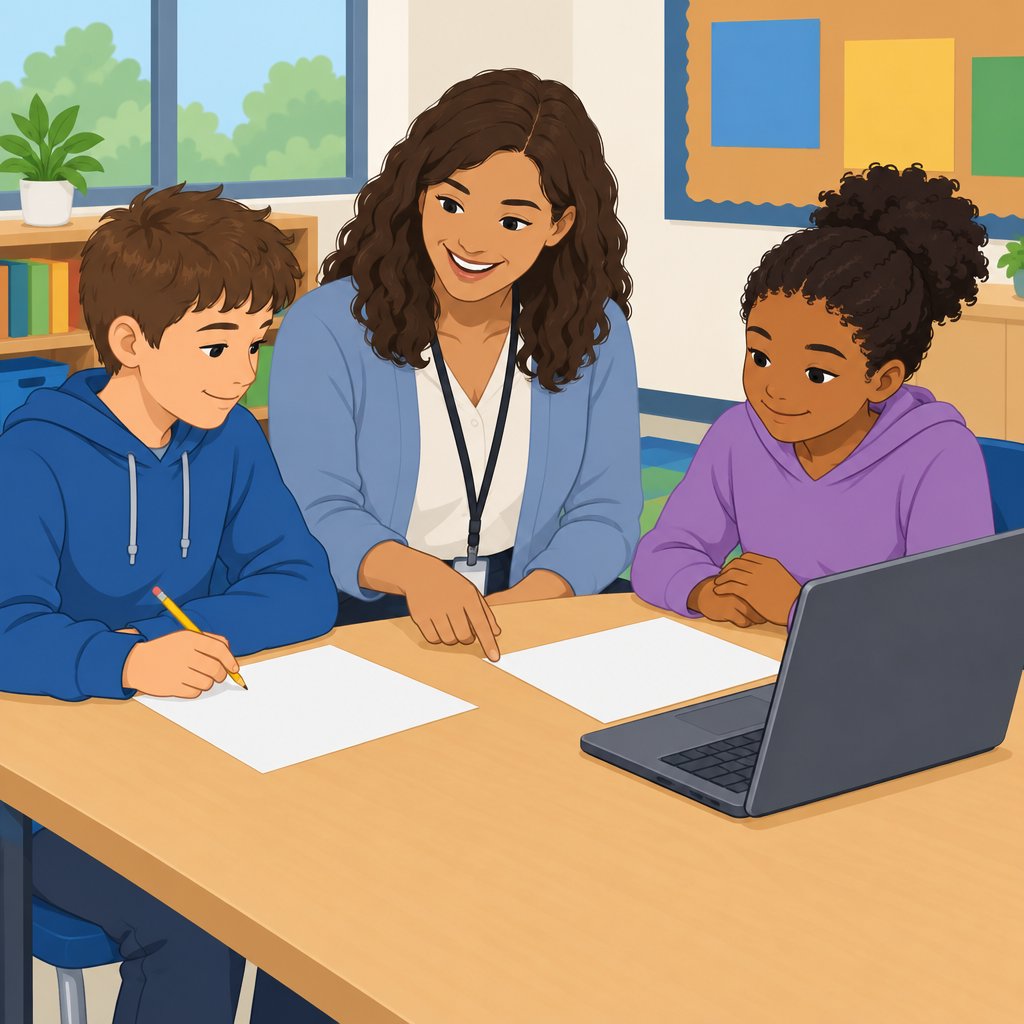
Building Trusting Relationships with Special Education Students
- The significance of trusting relationships with special education students cannot be overstated.
- Students who trust school social workers are more likely to seek support.
- Building relationships with special education students requires patience, empathy, and active listening.
- Engaging students nonjudgmentally creates a safe and supportive space.
- Dedicated individual time can foster trust and rapport with students.
Strategies for Building Student Trust
- Developing genuine interest in students’ lives and experiences helps school social workers build trust.
- Open-ended questions and active listening encourage students to share thoughts and feelings.
- Respecting student boundaries and personal space helps workers gain trust and respect.
- Consistent, reliable, and honest interactions establish credibility with students.
- Validating students’ emotions and experiences without judgment fosters acceptance and understanding.
Positive Relationships and Student Well-Being
- Supported and valued students engage more readily in academic work.
- Positive relationships empower students to advocate for needs and seek resources or accommodations.
- Connected students participate more often in extracurricular activities and social events.
- Trusting relationships can strengthen self-esteem, resilience, and overall mental health.
- Prioritizing relationships creates a more inclusive and supportive school environment.
Learn More: Evaluating Community Health Worker Program Effectiveness
Collaborating with Families and Professionals
Collaboration among school social workers, families, teachers, and other professionals strengthens support for special education students.
Each participant contributes distinct knowledge, skills, and perspectives to address student needs.
Moreover, teamwork aligns services, reduces duplication, and strengthens advocacy for appropriate educational support.
- Teams provide comprehensive support that addresses diverse student needs.
- Shared expertise creates a more coordinated approach to student care.
- Collaboration helps professionals align interventions and avoid duplicating services.
- A united team can advocate more effectively for needed student services.
Communication and Coordinated Student Support
Effective communication helps teams develop individualized education plans that reflect each student’s specific needs.
Additionally, shared observations allow professionals to identify concerns early and provide timely interventions.
Consistent teamwork also promotes continuity across settings while encouraging the exchange of useful resources.
- Collaborative planning creates personalized educational support for each student.
- Early communication helps teams address emerging concerns promptly.
- Coordinated efforts maintain consistent support across different settings.
- Professionals can share resources and practices that improve student outcomes.
Discover More: Empowering Clients in Housing Search
Advocating for Special Education Students’ Rights
School social workers advocate for special education students’ rights and needs.
Transform Your Career Today
Unlock a personalized career strategy that drives real results. Get tailored advice and a roadmap designed just for you.
Start NowThey collaborate with teachers, parents, and professionals to secure appropriate accommodations and support services.
Additionally, these advocates work with policymakers to promote systemic changes benefiting special education students.
They help students navigate complex school systems and access resources matching individual needs.
Within schools and communities, social workers ensure students influence decisions affecting their education.
Moreover, they educate stakeholders about unique challenges and promote inclusive learning environments.
Social workers also empower students to self-advocate and communicate their needs effectively.
They collaborate with professionals to develop individualized education plans addressing specific needs and goals.
Meanwhile, they address barriers such as discrimination and limited access to resources.
They advocate for policies that promote equity and access for students with different abilities.
Through these efforts, school social workers help special education students receive support and resources for success.
School Social Workers Strengthen Educational Inclusion
School social workers strengthen educational inclusion for students receiving special education services.
These professionals unite educational, emotional, and social perspectives within the school community.
They coordinate with teachers and parents to help students receive appropriate support.
Additionally, they provide individual counseling that addresses students’ immediate emotional needs.
By responding to social, emotional, and behavioral concerns, they help students participate more fully at school.
Furthermore, their interventions encourage an environment where students can pursue academic and personal growth.
These efforts support a school culture that respects individual differences and promotes inclusion.
School social workers also bring specialized perspectives that complement educational expertise.
Their advocacy helps schools recognize support needs that may affect student success.
Consequently, students gain allies who help them address barriers beyond classroom instruction.
Parents, educators, and policymakers should recognize this role when planning student services.
Continued access to school social workers can strengthen support for special education students.
Their commitment helps students approach academic challenges with greater opportunity for success.


