




Introduction
A residential counselor is a professional who supports and guides individuals living in residential facilities.
Additionally, effective residential counselors promote residents’ well-being and development.
This blog post provides tips and strategies for residential counselors to excel in their roles.
Responsibilities of a Residential Counselor
Residential counselors manage responsibilities that support residents’ safety, progress, and daily well-being.
They use professional judgment while responding to individual needs and changing circumstances.
These responsibilities also promote consistency across residential services.
Core Duties and Responsibilities
Counselors build trust before addressing personal needs, goals, or behavioral concerns.
They document progress and coordinate services with other professionals.
Additionally, counselors protect residents’ rights while maintaining a therapeutic environment.
- Establishing supportive and trusting relationships with residents
- Assessing residents’ needs and strengths
- Developing and implementing individualized treatment plans
- Monitoring and documenting residents’ progress
- Providing crisis intervention when necessary
- Collaborating with case managers, therapists, and other professionals
- Advocating for residents’ rights and well-being
- Maintaining a safe and therapeutic environment
- Participating in staff meetings and training programs
- Following ethical standards and confidentiality guidelines
Common Residential Counseling Situations
Residents may experience emotional, behavioral, or interpersonal difficulties during their stay.
Each situation requires careful observation and an appropriate response.
For that reason, counselors must recognize risks and follow established support procedures.
- A resident experiencing a mental health crisis
- A resident engaging in self-harming behaviors
- A resident struggling with addiction or substance abuse
- A resident facing interpersonal conflicts with peers
- A resident exhibiting challenging or disruptive behaviors
Effective Responses to Challenging Situations
Calm, attentive responses can help counselors manage stressful interactions.
Active listening allows residents to express concerns while counselors assess immediate needs.
Meanwhile, supervisors and colleagues can provide guidance during complex situations.
- Remain calm and composed during stressful situations
- Listen actively and empathetically to residents’ concerns
- Use de-escalation techniques to diffuse tense situations
- Seek guidance from supervisors or colleagues
- Follow crisis intervention protocols when necessary
- Encourage residents to use coping skills and support networks
- Practice self-care to prevent burnout and compassion fatigue
- Attend training sessions to strengthen crisis management skills
Understanding these duties helps counselors respond effectively and support positive experiences for residents.
Building Strong Relationships with Residents
Residential counselors build trust and rapport with the residents they serve.
Residents need safety and comfort before they share personal thoughts and feelings.
Therefore, trust helps counselors create supportive relationships that encourage resident growth.
Importance of Trust and Rapport
Strong relationships help residents feel valued, respected, and understood.
When counselors establish trust, residents become more comfortable discussing their needs.
Additionally, meaningful connections create an environment where residents can grow and thrive.
Effective Communication with Residents
Effective communication provides a foundation for positive relationships with residents.
Counselors should listen actively and respond with empathy and understanding.
Open, honest conversations strengthen trust and encourage genuine connections.
Furthermore, counselors should learn each resident’s interests and personal preferences.
Showing genuine interest demonstrates care for every resident’s well-being.
Creating a Positive Residential Environment
Counselors should create welcoming spaces where residents feel included and respected.
They can encourage residents to share opinions, concerns, and suggestions openly.
Meanwhile, counselors should offer guidance and recognize residents’ successes.
Group activities can strengthen teamwork, community, and camaraderie within the residence.
These practices help counselors develop strong, positive relationships with the residents they serve.
Find Out More: Evaluating Community Health Worker Program Effectiveness
Promoting Independence and Empowerment
As a residential counselor, you can promote independence and empowerment among residents.
These qualities help residents make choices and participate actively in their lives.
Supportive guidance can help residents pursue fulfilling and purposeful lives.
Encouraging Residents to Set and Achieve Goals
Encourage residents to set achievable goals.
Goal setting gives residents purpose and direction in their lives.
As residents pursue goals, they can recognize progress and accept responsibility.
Fostering Autonomy and Self-Sufficiency
Practical support can help residents strengthen autonomy and self-sufficiency.
Transform Your Career Today
Unlock a personalized career strategy that drives real results. Get tailored advice and a roadmap designed just for you.
Start NowCounselors can guide residents without making decisions for them.
A supportive environment can encourage residents to make positive changes.
- Encourage residents to make decisions and accept responsibility for their actions.
- Offer opportunities for residents to learn skills and develop their talents.
- Support residents as they explore their interests and passions.
- Help residents build confidence in their abilities and talents.
- Create an encouraging environment where residents feel empowered to improve their lives.
Discover More: Empowering Clients in Housing Search
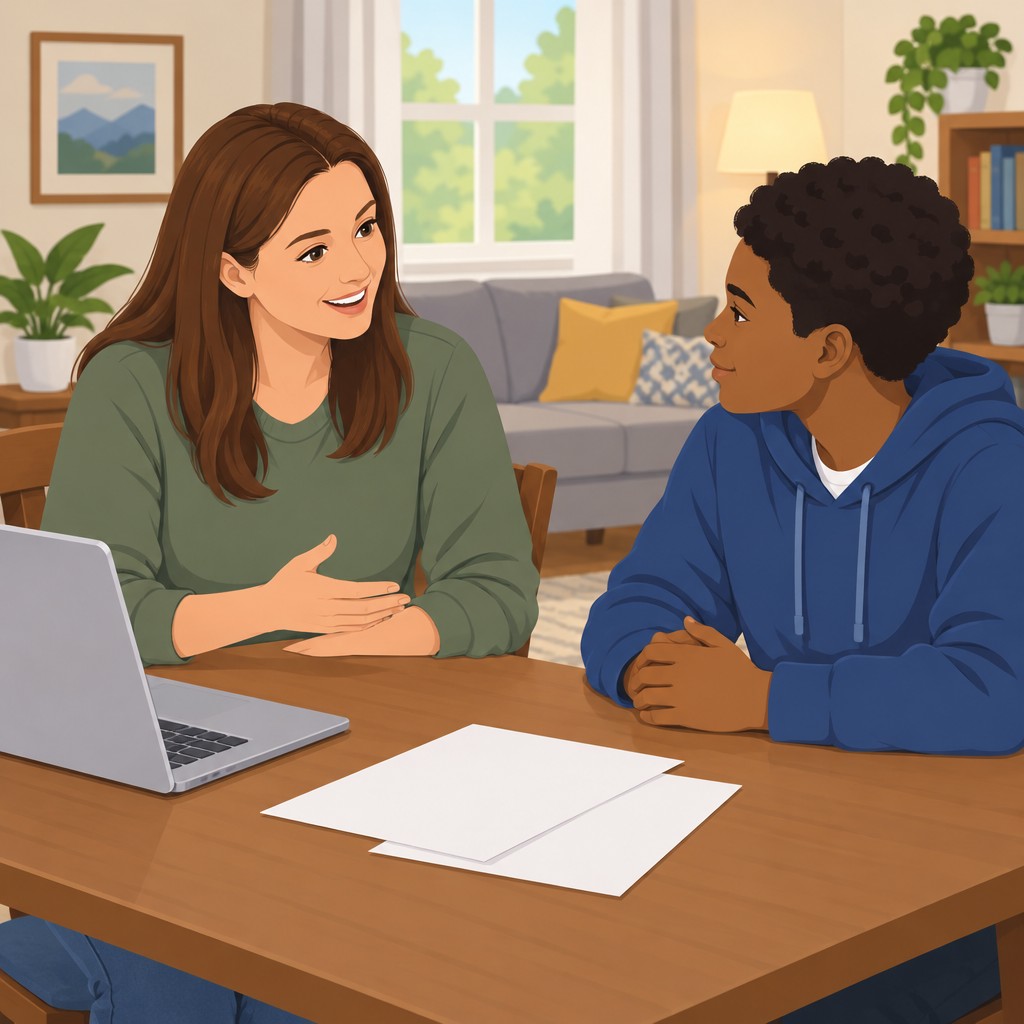
Effective Problem-Solving Skills
Skilled problem solving helps residential counselors address the challenges they face daily.
Counselors can use several strategies to identify and address issues that arise.
- Active listening helps counselors understand residents’ concerns and emotions.
- Empathy helps counselors understand situations from the residents’ perspectives.
- Collaboration encourages residents and team members to develop solutions together.
- Creativity helps counselors consider unconventional solutions to complex problems.
These strategies can support successful problem-solving approaches in residential settings.
- For anger issues, the counselor uses active listening to uncover causes and develop coping mechanisms with the resident.
- When residents fight repeatedly, the counselor facilitates conflict resolution and teaches communication skills.
- For depression, the counselor offers emotional support and encourages professional help.
By strengthening these skills, residential counselors can create supportive and empowering environments for residents.
Delve into the Subject: Crisis Intervention Skills for Community Health Workers
Self-Care and Burnout Prevention
Residential counselors often face stressful situations that affect their mental and emotional well-being.
Self-care helps counselors prevent burnout and maintain a positive outlook while supporting others.
When counselors care for themselves, they can serve residents and fulfill their responsibilities more effectively.
Importance of Self-Care for Residential Counselors
Demanding situations can gradually reduce a counselor’s energy, focus, and emotional resilience.
Regular self-care gives counselors opportunities to recover from daily pressures.
Consequently, counselors can remain present and supportive when residents need assistance.
- Recognize how stressful situations affect your mental and emotional well-being.
- Use self-care to protect your energy and maintain a positive outlook.
- Support residents effectively by maintaining your own well-being.
Preventing Burnout and Managing Stress
Clear boundaries help counselors manage demands before stress becomes overwhelming.
Relaxation, exercise, meditation, and enjoyable hobbies can help counselors recover.
Support from colleagues, supervisors, or mental health professionals can provide additional guidance during difficult periods.
- Establish boundaries and say no when responsibilities become overwhelming.
- Practice self-care through relaxation, exercise, meditation, or enjoyable hobbies.
- Seek support from colleagues, supervisors, or a mental health professional.
- Take breaks that allow you to disconnect from work and recharge.
Maintaining a Healthy Work-Life Balance
A healthy work-life balance separates professional responsibilities from personal time.
Intentional downtime allows counselors to restore energy and reduce accumulated stress.
Mindfulness also helps counselors stay present and grounded during daily activities.
- Set clear boundaries between work and personal life.
- Prioritize activities that nourish your mind, body, and spirit.
- Delegate tasks or ask for help when possible.
- Schedule regular breaks and vacation time to recharge.
- Practice mindfulness to reduce stress and stay grounded.
Uncover the Details: Common Myths About Gerontologists Debunked
Professional Development and Continuing Education
Ongoing development helps residential counselors provide quality care.
It keeps their knowledge current and strengthens their professional credibility.
It also supports personal growth and more informed counseling decisions.
The Importance of Ongoing Professional Development
Residential counselors continuously improve their skills to meet residents’ needs.
They stay informed about best practices and advances in residential counseling.
Additionally, professional growth demonstrates commitment and strengthens counseling practice.
- Continuously improving skills and knowledge supports quality resident care.
- Professional development helps counselors follow current practices and advances.
- Professional growth demonstrates commitment and enhances counselor credibility.
Continuing Education Opportunities and Resources
Workshops, seminars, and conferences expand knowledge related to residential counseling.
Advanced degrees and certifications can deepen expertise in specific counseling areas.
Professional organizations provide resources, mentorship, and networking opportunities.
- Attend workshops, seminars, and conferences related to residential counseling.
- Pursue advanced degrees or certifications to develop specialized expertise.
- Join professional organizations and networks for resources and mentorship.
Staying Current with Industry Trends and Best Practices
Regular supervision encourages counselors to reflect on their professional practice.
Professional reading introduces counselors to current research and field developments.
Online learning creates additional opportunities to exchange ideas with other professionals.
- Engage in supervision and consultation with peers and supervisors.
- Read professional journals, publications, and research studies regularly.
- Participate in forums, webinars, and podcasts led by professionals.
Investing in professional development strengthens skills, improves care quality, and supports career advancement.
Sustaining Effective Residential Counseling Practice
Residential counselors strengthen their practice by combining positive relationships, clear boundaries, and active listening.
These approaches help counselors support clients while maintaining professional responsibilities.
Additionally, counselors should prioritize self-care and seek supervision when needed.
These steps can help prevent burnout and support effective client care.
By applying these strategies, residential counselors can grow in their roles and contribute meaningfully to clients’ lives.
Furthermore, sharing experiences and asking questions can support continued professional development.
Transform Your Career Today
Unlock a personalized career strategy that drives real results. Get tailored advice and a roadmap designed just for you.
Start NowCounselors can also seek further guidance as they continue developing in this profession.
Additional Resources
Google search results for How to Excel as a Residential Counselor Social and Human Services
Bing search results for How to Excel as a Residential Counselor Social and Human Services


