




Building a Strong Sound Design Portfolio
In the competitive world of sound design, a strong portfolio is vital.
It acts as your admission ticket to various job opportunities.
Employers want to see your skills and creativity before hiring you.
A well-crafted portfolio showcases your expertise and unique sound design style.
A portfolio can include a variety of work samples.
You might feature music tracks, sound effects, or entire audio projects.
Each piece should demonstrate your technical abilities and artistic vision.
This variety displays your versatility and range as a sound designer.
Moreover, a portfolio reflects your field experience.
Include collaborative projects to highlight your teamwork abilities.
Hiring managers value professionals who work well with others.
If you have engaged in internships or freelance work, mention these experiences with pride.
In addition, a strong portfolio helps attract potential clients and employers.
Many hiring managers review portfolios to gauge an applicant’s fit for a role.
An impressive collection of work can set you apart from the competition.
It helps you make a lasting impression in a crowded job market.
As you build your portfolio, focus on quality over quantity.
Select a few standout projects that truly represent your abilities.
Ensure that each entry is polished and professionally presented.
Such attention to detail reflects your commitment to the craft.
Lastly, regularly update your portfolio.
As you complete new projects, add them to showcase your growth.
Consequently, this practice keeps your portfolio relevant and fresh.
An updated portfolio signals that you are active and engaged in the industry.
A compelling portfolio can open many doors for sound designers.
It serves not only as a collection of work but also as a powerful tool.
Invest time and effort into creating one that stands out.
A sound design portfolio serves as a vital tool for aspiring sound designers.
It showcases your skills and creativity to potential clients and employers.
A well-crafted portfolio demonstrates your ability to create immersive auditory experiences across various media.
Definition and Purpose of a Sound Design Portfolio
A sound design portfolio is a curated collection of your work.
It includes various sound projects that reflect your unique style and expertise.
The primary purpose of a portfolio is to display your capabilities and persuade others to hire you.
- Showcase your skills and creativity.
- Demonstrate your experience with different projects.
- Highlight your versatility across various media formats.
- Assist in networking and building professional relationships.
- Provide a platform for feedback and improvement.
Thoroughly understanding the purpose of your portfolio can guide your project selection and presentation.
Your portfolio is often the first impression potential employers or clients have of you.
Make it count by focusing on quality over quantity and presenting your best work.
Elements of a Sound Design Portfolio
When building a sound design portfolio, consider including a variety of elements.
Each component can contribute to a comprehensive understanding of your abilities.
Here are essential elements to include:
Audio Clips
Audio clips are the backbone of your portfolio.
Present sound clips from different projects that highlight your creativity and technical abilities.
Make sure the quality of these clips is impeccable.
Aim for a diverse range, including:
- Foley sound effects
- Dialogue editing
- Music composition
- Soundscapes and atmospheres
- Field recordings
Each audio sample should ideally be between 30 seconds to a few minutes long.
This length allows listeners to understand your style and approach without losing interest.
Project Descriptions
Including detailed project descriptions is essential.
Describe your role and outline the project’s objectives.
Highlight your creative process and the techniques used.
Consider including:
- The project title
- The context, like film, game, or installation
- Your specific contributions
- The tools and software you used
- The challenges faced and how you overcame them
Clear project descriptions provide insight into your thought process.
They also reveal your understanding of sound design principles and practices.
Technical Skills
List your technical skills prominently.
Being proficient with various software and hardware is crucial for sound designers.
Include software such as:
- Avid Pro Tools
- Adobe Audition
- Logic Pro X
- Solti Virtual Instruments
- Reaper
Mention any hardware you routinely use, such as microphones and recording equipment.
Discuss additional skills, like:
- Mixing and mastering
- Audio editing
- Sound synthesis
- Field recording techniques
A well-defined skill set enhances your portfolio’s professionalism.
It reassures clients and employers of your comprehensive expertise.
Impact of Organization and Presentation on Portfolio Quality
How you organize and present your portfolio significantly impacts its effectiveness.
A professional layout enhances the overall aesthetic and user experience.
Here are key considerations for organization:
Clear Structure
Create a clear structure to facilitate navigation.
Segment your portfolio into distinct sections, such as:
- Introduction or biography
- Audio samples
- Project descriptions
- Technical skills
- Contact information
Use headings and subheadings to make information easy to locate.
A straightforward layout can lead to a more enjoyable experience for your audience.
Visual Consistency
Maintain visual consistency throughout your portfolio.
Use a cohesive color scheme and typography to enhance professionalism.
This attention to detail reflects your commitment to quality in sound design.
Use of Media
Incorporate visual elements to complement your audio.
Include images or video clips from projects.
This approach creates a multi-dimensional experience for viewers and enhances engagement.
Strategies for Developing a Strong Sound Design Portfolio
Building an impressive sound design portfolio requires thoughtfulness and creativity.
Each element plays a crucial role in showcasing your abilities.
Embrace diverse elements that reflect your style and abilities.
Remember to organize and present your work professionally.
A strong portfolio opens doors to opportunities and helps you stand out in a competitive industry.
Ensure that your passion for sound design is palpable through your portfolio.
Continually update it as you gain new experiences and skills.
A well-curated sound design portfolio can significantly impact your career trajectory.
Selecting and Curating Portfolio Pieces
Building a portfolio as a sound designer requires careful selection of your work.
This selection process can significantly impact your chances of landing future gigs.
Here is how to choose which projects to include in your portfolio.
Choosing Your Projects
Begin by reflecting on your body of work.
Ask yourself the following questions:
- Which projects showcase your best technical skills?
- Have you contributed uniquely to any projects?
- What genres have you explored, and which ones resonate most with you?
- Do your works reflect your personal style and creativity effectively?
- Is the quality of audio consistent across your chosen pieces?
Choosing projects that are technically sound boosts your credibility.
Also, highlight contributions where your role was crucial.
For example, if you designed sound for a short film or game, include it to show your impact.
Showcasing Variety
Diversity plays an essential role when curating your portfolio.
Showcasing various work demonstrates your versatility and skills effectively.
Potential clients often seek balanced and well-rounded sound designers.
Consider these categories when selecting pieces:
- Film and Television: Include sound design for scene moments or entire films.
- Video Games: Showcase interactive audio or ambient soundscapes.
- Commercials: Highlight your ability to create engaging sound for ads.
- Theater: Feature work on soundscapes or live performances.
- Music Production: If relevant, include music tracks you have produced.
These varied categories demonstrate your adaptability and breadth of experience.
Remember, showcasing different styles highlights your ability to adapt to diverse projects.
Curating and Presenting Your Portfolio
Curating and presenting your pieces effectively is equally crucial.
The following tips help elevate your portfolio presentation:
- Quality Over Quantity: Select only your best work to avoid overwhelming viewers.
- Concise Descriptions: Provide a brief summary for each project.
- Explain your role and the challenges you faced.
- Use High-Quality Audio: Ensure all audio files are excellent in quality.
- Poor sound undermines your skill.
- Organize Logically: Group similar pieces together.
- This makes navigation easier for viewers.
- Use Visuals: Include visuals with your audio whenever possible.
- Visuals enhance the experience and provide context.
Engaging presentations keep potential clients interested.
They also show professionalism and attention to detail.
Ensuring a Polished Portfolio
Here are some additional tips to maintain a polished portfolio:
- Keep It Updated: Regularly refresh your portfolio with new work.
- This keeps your portfolio relevant.
- Seek Feedback: Share your portfolio with peers for constructive criticism.
- This helps identify areas for improvement.
- Build a Personal Brand: Infuse your personality into your portfolio.
- This creates a memorable experience.
- Include a Contact Section: Make it easy for clients to reach you.
- Easy contact can lead to potential opportunities.
Your portfolio is your calling card as a sound designer.
By strategically selecting and presenting your best work, you communicate your skills and creativity effectively.
Creating an impactful sound design portfolio takes time.
Invest effort into curating your work, and you will stand out in a competitive industry.
Find Out More: Daily Tasks and Workflow of a Media Planner
When building a portfolio, showcasing your technical skills and expertise becomes essential.
Your portfolio serves as a visual representation of your abilities and a means to attract potential clients and employers.
Accurate demonstration of your technical prowess will help establish your credibility in the sound design field.
Below, we will explore the significance of highlighting your skills and delve into the software and hardware commonly used.
We will also provide examples of projects that effectively demonstrate your capabilities.
Significance of Highlighting Technical Skills
Emphasizing your technical skills showcases your proficiency in sound design.
This representation proves you can handle complex projects.
Clients and employers look for professionals who can deliver results consistently.
Without showcasing your skills, it is easy for hiring managers to overlook your potential.
Furthermore, clear evidence of technical capability distinguishes you from other candidates.
The sound design field is competitive, and standing out is necessary.
A well-structured portfolio can set you apart, leading to more opportunities.
It communicates your experience and commitment to your craft.
Common Software in Sound Design
Familiarizing yourself with industry-standard software is important.
Below is a list of commonly used software in sound design:
- Ableton Live: Widely used for music production and live performances.
- It integrates powerful sound design features.
- Pro Tools: An industry standard for audio editing and mixing.
- Many studios rely on it for professional projects.
- Logic Pro X: Popular among Mac users, this software offers various sound design tools for composing music.
- Adobe Audition: Used for editing and enhancing audio files, essential for sound editing and restoration tasks.
- FL Studio: Known for its intuitive interface, it is favored by electronic music producers for creating beats.
By mastering these tools, you demonstrate your readiness to tackle diverse projects.
Clients often seek experts familiar with specific software relevant to their needs.
Common Hardware in Sound Design
In addition to software, understanding the hardware landscape is crucial.
Below is a list of essential hardware for sound design:
- Audio Interfaces: Devices like Focusrite Scarlett or PreSonus AudioBox ensure high-quality sound input and output.
- Studio Monitors: Accurate speakers, such as Yamaha HS series, are vital for mixing and mastering audio.
- Microphones: Choose high-quality mics like the Shure SM7B or Rode NT1 for recording vocals and instruments.
- MIDI Controllers: Tools such as Novation Launchkey or AKAI MPK provide creative control over digital instruments.
- Headphones: A good pair of studio headphones, like Audio-Technica ATH-M50x, is essential for monitoring sound accurately.
By incorporating these hardware components into your work, you demonstrate professionalism and preparedness for real-life scenarios.
Examples of Projects to Demonstrate Your Skills
To effectively demonstrate your technical skills and expertise, curate a diverse range of projects within your portfolio.
Below are examples that can reflect your capabilities:
- Sound Design for Film: Create a short film or a scene showcasing your sound design work.
- Use sound effects, foley, and dialogue to enhance storytelling.
- Music Production Track: Produce an original track using various instruments and sound design techniques.
- Include notes explaining your processes and choices.
- Game Audio Project: Develop a soundscape for a video game.
- Showcase your ability to design immersive audio experiences that adapt to gameplay.
- Podcast Production: Record, edit, and mix a podcast episode.
- Highlight your capabilities in audio editing and vocal enhancement.
- Commercial Audio Project: Create sound design for advertisements or promotional materials.
- Focus on clear audio messages that resonate with the audience.
Each of these projects allows you to exhibit different aspects of your technical skills.
Customers appreciate varied experiences, showcasing versatility in sound design.
For every project, provide concise explanations of your role and the tools used for both software and hardware.
Effective Structure and Presentation of Your Portfolio
How you present your projects matters greatly.
Ensure your portfolio is visually appealing and easy to navigate.
Consider the following suggestions:
- Consistent Layout: Use a consistent design across all pages for cohesion and professional appearance.
- HD Samples: Upload high-quality audio samples, ensuring listeners can appreciate the nuances of your work.
- Project Descriptions: Include clear descriptions and explain your process.
- Discuss challenges faced and the solutions you implemented.
- Call to Action: Conclude with contact information and encourage viewers to reach out for collaboration or inquiries.
Your portfolio is a reflection of your dedication to sound design.
By showcasing your technical skills and expertise properly, you increase your chances of landing jobs or clients.
Commit to continuously updating your portfolio, adding new projects, and removing less relevant work.
Keep it fresh and reflective of your capabilities.
Ultimately, crafting a compelling sound design portfolio demands effort and thoughtfulness.
By highlighting your technical skills clearly and professionally, you position yourself as a strong candidate in the competitive sound design industry.
Learn More: Women in Film Directing: Breaking Barriers
Transform Your Career Today
Unlock a personalized career strategy that drives real results. Get tailored advice and a roadmap designed just for you.
Start NowBuilding a strong portfolio as a sound designer involves more than just showcasing individual projects.
A strategic presentation of collaborative projects and industry experience adds depth to your portfolio.
This approach highlights your ability to work effectively in a team.
Benefits of Including Collaborative Projects
Collaborative projects serve as a crucial part of a sound designer’s portfolio.
They demonstrate your ability to function within a team while working towards common goals.
The benefits of including these projects are numerous.
- Showcase Teamwork Skills: Working with others emphasizes your collaborative spirit.
- Enhanced Communication: Collaborative work requires clear communication.
- Diverse Skill Sets: Collaborative projects often combine different talents.
- Broader Reach: Team projects often have larger audiences.
- Networking Opportunities: Collaborating helps build relationships.
How Collaborative Work Demonstrates Skills
Your teamwork and communication skills shine through when engaging in collaborative projects.
Here is how collaboration showcases your strengths.
- Division of Labor: Team members often have specific roles.
- Problem Solving: Collaborative projects face challenges.
- Feedback Reception: You receive and give constructive criticism.
- Flexibility: Adapting to team dynamic changes impresses employers.
Strategies for Presenting Collaborative Work Effectively
Showcasing collaborative work and industry experience effectively is key to a strong portfolio.
Describe Your Role
Clearly explain your involvement in each project.
Specify tasks you completed and skills you contributed.
Employers appreciate understanding your impact on the project’s success.
Include Testimonials
Collect quotes or testimonials from your collaborators.
Positive feedback enhances your credibility and shows teamwork ability.
Use Multimedia Elements
Incorporate audio clips, video snippets, or behind-the-scenes photos.
Visuals provide context and make your portfolio more engaging.
Document the Process
Include case studies outlining the collaborative process.
Explain how the team brainstormed, developed ideas, and solved issues.
This shows your involvement throughout the creative journey.
Highlight Learning Experiences
Explain what you learned from each project.
Discuss new techniques, industry insights, or feedback received.
This demonstrates that you are a proactive learner.
Link to the Final Product
Whenever possible, include links to the final product.
This lets clients or employers experience the work first-hand.
It also highlights your contribution from concept to completion.
Adding Industry Experience to Your Portfolio
Including industry experience in your portfolio is equally important.
Experience through internships or freelance work enhances your profile.
- Demonstrates Professionalism: Industry experience shows knowledge of standards and practices.
- Shows Reliability: Relevant experience indicates you meet deadlines consistently.
- Diverse Projects: Industry work displays your versatility and adaptability.
- Knowledge of Tools: Highlight familiarity with industry-standard tools and software.
Methods for Presenting Your Industry Experience
When adding industry experience, follow these approaches to organize it well.
List Your Relevant Experience
Create a chronological list of relevant roles.
Include company name, job title, and employment duration.
This provides a clear overview of your career path.
Detail Your Contributions
Describe your contributions for each role listed.
Mention specific projects and achievements to give context.
Showcase Your Growth
Highlight professional development activities you undertook.
This includes workshops, certifications, or mentorship roles.
Growth shows a long-term commitment to your craft.
Emphasize Industry Connections
Note any connections made through collaborative projects in the industry.
Networking plays a vital role in career advancement.
Explain how these relationships have influenced your career.
Combining collaborative projects and industry experience strengthens your portfolio.
Transform Your Career Today
Unlock a personalized career strategy that drives real results. Get tailored advice and a roadmap designed just for you.
Start NowThese strategies showcase your skills and readiness for new opportunities.
A well-crafted portfolio distinguishes you in a competitive sound design field.
See Related Content: How to Write a Press Release: Tips for Specialists
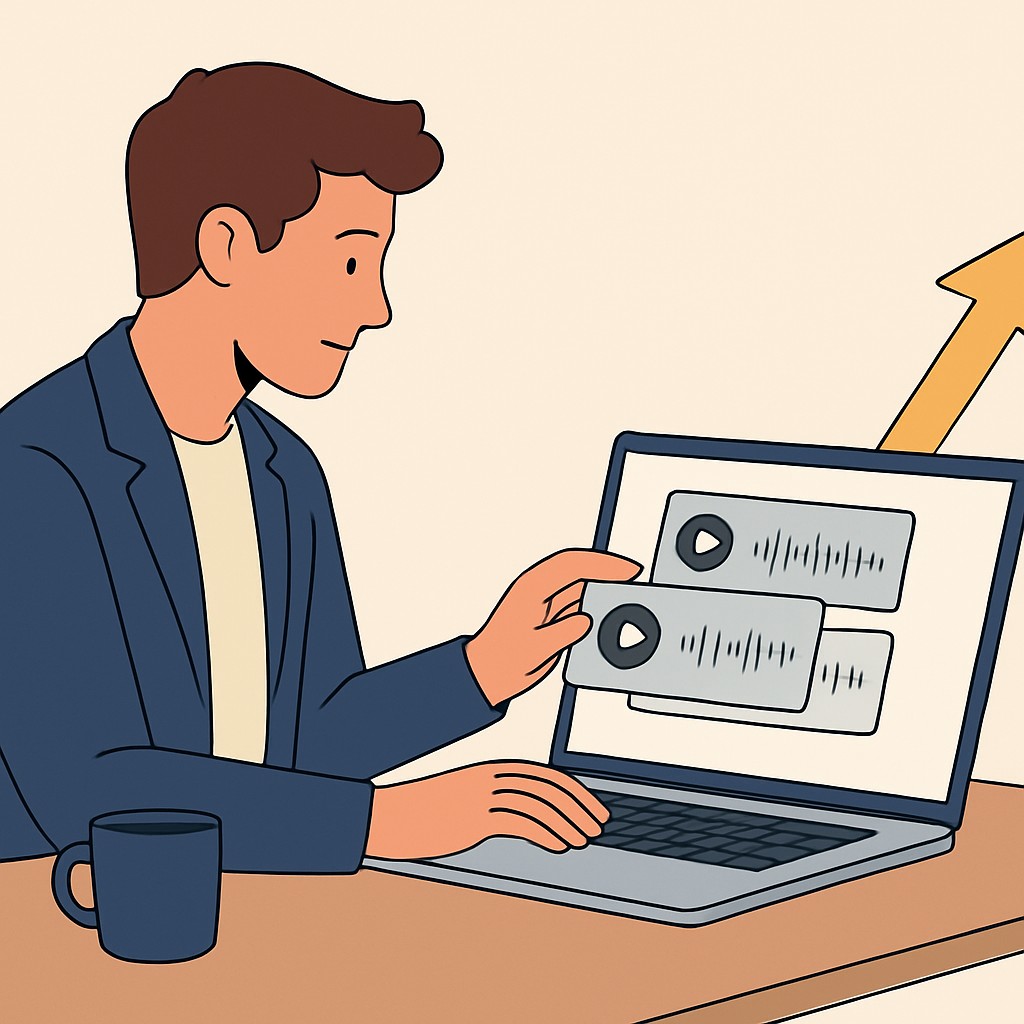
Building a successful portfolio as a sound designer requires more than just showcasing your work.
The process often involves seeking feedback and making improvements repeatedly.
Feedback plays an essential role in refining your material and ensuring it resonates with clients.
Importance of Seeking Feedback
Feedback holds immense value for aspiring sound designers.
It provides insights that may not be visible during self-evaluation.
Different perspectives illuminate areas that need improvement.
Gathering feedback from various sources enriches your understanding.
- Peer Feedback: Collaborate with fellow sound designers to exchange constructive criticism.
- Mentorship: Seek advice from seasoned professionals who offer valuable insights.
- Industry Professionals: Engage with experts to understand current market expectations.
Receiving feedback can fuel your motivation.
It encourages refinement of your skills and elevation of your craft.
Constructive critiques enhance your ability to create impactful audio designs.
By understanding what works and what does not, you align your portfolio with industry standards more effectively.
Methods for Gathering Constructive Feedback
Gathering effective feedback requires strategic approaches.
Consider implementing the following methods to enhance your portfolio.
- Portfolio Reviews: Organize sessions with peers to present work and gather insights.
- Focus Groups: Create small groups of trusted colleagues to discuss your portfolio in detail.
- Online Platforms: Use social media or forums to share work and solicit feedback.
- Surveys: Design surveys to collect specific opinions from your target audience.
- One-on-One Meetings: Schedule meetings with mentors to discuss your portfolio in depth.
Clearly articulate what type of feedback you seek.
Specify whether you want input on design, technical execution, or presentation.
This clarity helps others provide targeted suggestions.
Remain open to critiques even when they challenge your perceptions.
Adopt a mindset focused on growth and improvement.
Effective Implementation of Feedback to Enhance Your Portfolio
After gathering feedback, it is time to make impactful changes.
Prioritize suggestions that align best with your goals.
Use the following strategic ways to apply feedback effectively.
- Revise Existing Pieces: Modify works that received constructive criticism.
- Update Your Presentation: Enhance how you showcase work for clarity and engagement.
- Remove Weak Pieces: Identify less compelling works and replace them with stronger ones.
- Integrate New Techniques: Experiment with audio methods suggested by peers or mentors.
- Enhance Your Branding: Align your portfolio’s visuals with auditory content for cohesion.
Implementing feedback effectively demonstrates your commitment to growth.
Keep a record of changes to track your progress over time.
Celebrate improvements regardless of their size.
Each adjustment moves you closer to a portfolio that stands out.
Maintaining a Portfolio Through Continuous Improvement
Continuous improvement forms the foundation of a successful sound design portfolio.
An outdated portfolio can hinder new opportunities.
Updating your work regularly shows active engagement in the industry.
- Showcase New Skills: Add work that demonstrates new techniques or software.
- Include Recent Projects: Highlight collaborations or freelance jobs that show growth.
- Reflect Industry Trends: Incorporate emerging trends in sound design.
- Solicit Feedback Periodically: Reach out regularly for input to maintain relevance.
- Set Regular Review Dates: Schedule times to review and update your portfolio consistently.
Your portfolio should reflect your evolution as a sound designer.
It serves as a dynamic representation of your skills rather than a static collection.
Make sure it tells your unique story while showing versatility.
Strategies for Continuous Engagement with Peers and Mentors
Building a strong portfolio does not end with one effort.
Seek ongoing feedback and consistently implement changes.
Engage actively with peers and mentors to stay ahead.
Your portfolio should showcase your best work and growth journey.
An active approach positions you for success in the competitive sound design industry.
You Might Also Like: Tips for Creating Engaging Landing Pages
Transform Your Career Today
Unlock a personalized career strategy that drives real results. Get tailored advice and a roadmap designed just for you.
Start NowNetworking plays a vital role in showcasing a sound design portfolio.
It opens doors to new opportunities and connects you with potential clients or employers.
By engaging with industry peers and professionals, you can enhance your visibility.
Your portfolio will reach a wider audience when shared through the right channels.
Here is a comprehensive look at networking strategies and tips for sharing your portfolio.
The Role of Networking in Sound Design
Networking allows you to build relationships within the sound design community.
These relationships can lead to new projects and collaborations.
Attending industry events helps you meet professionals in your field.
Engaging with peers gives you insights into current trends and practices.
Moreover, networking platforms foster connections with potential clients.
When people know your name, they are more likely to consider you for future work.
This visibility is crucial in a competitive industry like sound design.
The more connections you make, the more opportunities you can create for yourself.
- Build Genuine Relationships: Focus on creating authentic connections rather than just seeking job opportunities.
- Exchange Knowledge: Share your expertise and learn from others. Knowledge-sharing fosters goodwill and collaboration.
- Follow Up: After meeting someone, follow up. A simple thank you note can strengthen your connection.
Effective Platforms for Sharing Your Portfolio
Once you create a standout portfolio, sharing it effectively is essential.
You can showcase your work on various platforms.
Here are some effective methods to consider.
- Personal Website: Create a professional website that highlights your skills and projects.
- Include a contact page to facilitate inquiries.
- Social Media: Utilize platforms like Instagram, Twitter, and LinkedIn.
- Share snippets of your work and engage with followers.
- Sound Design Forums: Participate in online communities like Gearslutz or Sound Design Stack Exchange.
- Share your portfolio and seek feedback.
- Portfolio Websites: Consider using platforms like Behance or SoundCloud.
- These sites are great for visual and audio portfolios.
- Professional Networking Platforms: Use LinkedIn to connect with industry professionals.
- Share your sound design journey and updates on your work.
- Networking Events: Attend industry conferences, meetups, and workshops.
- Always have a business card or link to your portfolio handy.
Strategies to Maintain an Active Online Presence
Building a portfolio is just the beginning.
Maintaining an online presence is equally important in the sound design industry.
You must actively engage with your audience and the community.
A dynamic online presence keeps you relevant and visible.
- Regular Updates: Frequently update your portfolio with new projects.
- Highlight your latest achievements and skills.
- Content Creation: Consider creating content related to sound design.
- Blog posts, tutorials, and videos can showcase your expertise.
- Engage with Followers: Respond to comments and messages.
- Engagement fosters a sense of community and encourages others to share your work.
- Participate in Challenges: Join sound design challenges online.
- These can expand your network and showcase your creativity.
- Collaborate with Others: Work with fellow sound designers or artists.
- Collaborations introduce you to new audiences and diversify your projects.
- Share Relevant Content: Post articles or music related to sound design.
- Curating valuable content keeps your audience interested.
Active Engagement within the Sound Design Community
Engagement is key to building a strong presence in the sound design community.
Attend local meetups, workshops, and online webinars.
Active participation can maximize your learning and networking opportunities.
Joining online forums allows you to share ideas and receive feedback.
Participating in discussions can position you as an expert.
Share your insights, ask questions, and provide constructive feedback.
Building your reputation develops your professional image.
Seek mentorship opportunities within the community.
Find experienced sound designers willing to share their insights.
- Mentoring Others: Offer guidance to newcomers.
- Mentoring solidifies your knowledge and creates lasting connections.
- Attend Industry Events: Networking events foster collaboration.
- They provide an excellent opportunity to showcase your work directly.
- Utilize Social Media Groups: Join Facebook or Discord groups related to sound design.
- Engage with members and contribute to discussions.
- Offer Free Workshops: Share your expertise through workshops either online or locally.
- This establishes your credibility and expands your audience.
- Follow Industry Leaders: Engage with leaders in the field on social media.
- Their posts can provide valuable insights and inspiration.
How Networking Supports Career Growth in Sound Design
Networking is integral to showcasing your sound design portfolio.
It amplifies your reach and opens doors to career opportunities.
Use various platforms to share your work consistently.
Maintain an active online presence and engage with the community.
This consistent effort will solidify your reputation and expand your professional network.
Building an Effective Portfolio as a Sound Designer
We explored the essential components of building a robust portfolio as a sound designer.
Your portfolio showcases your skills, creativity, and experience.
It serves as your calling card in the industry.
Curate diverse projects that highlight your range and expertise.
Including clear descriptions and context helps clients and employers understand your unique contributions.
Networking and seeking feedback will enhance your portfolio’s effectiveness.
Transform Your Career Today
Unlock a personalized career strategy that drives real results. Get tailored advice and a roadmap designed just for you.
Start NowFocus on quality over quantity when selecting pieces for your portfolio.
A well-organized and visually appealing layout makes a significant impact.
A strong portfolio opens doors to opportunities in the competitive sound design field.
Building it is a necessary step for your career advancement.
As you grow and evolve as a sound designer, keep your portfolio updated.
New projects, skills, and experiences should always find their place within it.
Start creating or updating your portfolio today to showcase your talent.
Taking this first step will attract potential employers.
With a focused and strategic approach, you can enhance your opportunities significantly.
Your passion and dedication will resonate through your portfolio.
Invest in your future as a successful sound designer by developing your portfolio.
Additional Resources
Sound designer in the games industry – ScreenSkills
Break into Game Design with a Portfolio, Not a Degree – LinkedIn


