




School Resource Officers and Student Relationships
Schools increasingly focus on safety, making School Resource Officers, or SROs, crucial.
SROs help maintain school safety by providing security and responding to incidents.
They also foster positive relationships with students through trust and communication.
These relationships can support a safer school environment.
Role of School Resource Officers
School resource officers help schools address safety needs.
They support students and staff through security, communication, and guidance.
Additionally, they collaborate with administrators to strengthen school safety.
Primary Responsibilities of SROs
- SROs maintain a safe and secure environment for students and staff.
- They build positive relationships with students to promote trust and communication.
- Furthermore, they collaborate with school administrators to address safety concerns and implement preventative measures.
Student Safety and Wellbeing
SROs work to prevent threats, violence, and emergencies on school grounds.
They respond when these situations occur.
Moreover, they provide resources and support to students facing personal or academic challenges.
Importance of SROs on School Grounds
- SROs provide immediate responses to fights, drugs, or intruders.
- Their visible presence deters crime and misconduct.
- They act as positive role models and mentors for students.
- Additionally, they enhance school-community relations and foster security.
- They provide counseling and guidance to students who need support.
Building Trust and Rapport with Students
SROs can build trust by listening carefully and engaging respectfully with students.
Consistent interaction helps students recognize SROs as approachable members of the school community.
As trust grows, students may communicate concerns more openly and seek assistance when needed.
Strategies for Establishing Positive Student Relationships
Active listening allows SROs to understand student concerns and respond with empathy.
Meanwhile, a consistent presence around campus helps SROs develop familiarity with students.
Participation in school activities gives SROs additional opportunities to interact with students positively.
- SROs should listen attentively to student concerns and acknowledge their feelings.
- Regular visibility around campus helps students become familiar with SROs.
- Participating in school events allows SROs to connect with students informally.
- A friendly demeanor encourages students to approach SROs with questions or concerns.
Benefits of Friendly Engagement with Students
Friendly interactions can make students more comfortable when communicating with SROs.
Furthermore, positive contact can improve students’ perceptions of law enforcement.
Trust also helps SROs address concerns peacefully and support students’ sense of security.
- Students may communicate more openly when they feel comfortable with SROs.
- Positive relationships can strengthen students’ perceptions of law enforcement.
- Trust can help SROs prevent conflicts and resolve issues peacefully.
- Good relationships can increase students’ feelings of safety at school.
Effects of Trust on School Safety and Student Behavior
When students trust SROs, they may report suspicious activities or request help sooner.
Additionally, rapport can encourage students to practice accountability and responsibility.
A trusting relationship can also support a positive and supportive school climate.
- Student trust can support earlier intervention when concerns arise.
- Rapport with SROs can encourage positive student behavior.
- Trusting relationships may reduce disciplinary issues at school.
- Strong rapport can contribute to a more supportive school climate.
Delve into the Subject: Essential Protective Service Jobs in the U.S. That Save Lives
Communication Obstacles for SROs
- Language barriers can hinder effective communication with students from diverse backgrounds.
- Additionally, stereotypes about law enforcement may affect efforts to build student confidence.
- Misunderstanding cultural norms and values can also lead to misinterpreted behavior.
Strategies for Clearer Communication
- SROs can use interpreters or translation services when students need language support.
- By listening actively, SROs can acknowledge student perspectives and encourage honest communication.
- Furthermore, cultural competency training can strengthen awareness and sensitivity toward diverse students.
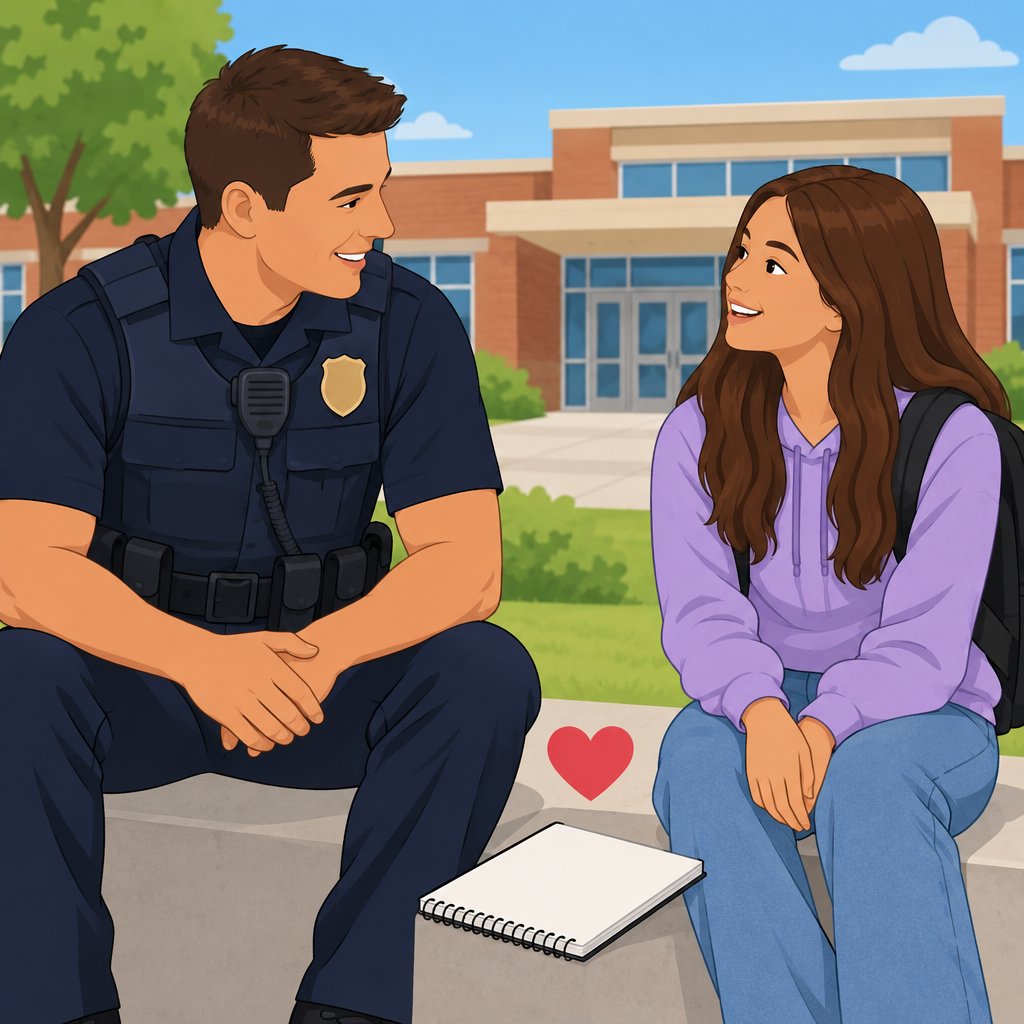
Student Confidence Through Respectful Interaction
- Showing genuine interest in student well-being can support positive interactions.
- Meanwhile, approachable and accessible conduct can create space for students to share concerns.
- Respecting privacy and maintaining confidentiality can support mutual respect.
Cultural Sensitivity in Student Support
- Understanding diverse backgrounds helps SROs recognize cultural nuances and adjust their approach.
- Moreover, cultural sensitivity can reduce bias and encourage a welcoming school environment.
- Respectful relationships can strengthen connections and support positive outcomes for students.
Gain More Insights: Impact of Climate Change on Wildland Firefighting
Collaboration Among School Staff and Administrators
Collaboration among SROs, teachers, and administrators creates a safe, supportive learning environment.
They can address concerns effectively when they coordinate their efforts.
This partnership also provides comprehensive support for students.
Benefits of Collaborative Communication
Regular communication helps stakeholders share important information.
They can coordinate their responses when incidents occur.
Additionally, collaboration supports student well-being and strengthens the school community.
- Enhances communication and information sharing
- Promotes a coordinated response to incidents
- Supports holistic student well-being
- Fosters a sense of community and partnership
Ways SROs Can Support School Staff
SROs can maintain regular communication with teachers and administrators.
They can also collaborate with staff on safety drills and response plans.
Furthermore, SROs can participate in school events and activities.
- Maintain regular communication and attend meetings
- Collaborate on safety drills and response plans
- Provide training and resources about law enforcement procedures
- Participate in school events and activities
Strengths of a Team Approach
A team approach ensures that students receive comprehensive support.
It also promotes consistency when staff address safety concerns.
As stakeholders work together, they strengthen relationships and trust.
- Ensures comprehensive support for students
- Promotes consistency in addressing safety concerns
- Strengthens relationships and trust among stakeholders
- Helps students feel safe and supported at school
See Related Content: Effective Communication for Campus Security Officers
Promoting Positive Interactions and Engagement
Building positive relationships between school resource officers (SROs) and students supports a safe, supportive school environment.
SROs can organize community policing events, such as community barbecues or basketball tournaments.
These events help SROs connect with students in casual settings.
Transform Your Career Today
Unlock a personalized career strategy that drives real results. Get tailored advice and a roadmap designed just for you.
Start Now- SROs can host community barbecues or basketball tournaments to engage students.
- SROs can join school clubs or mentorship programs and interact with students beyond regular duties.
- SROs can lead workshops about drug prevention or conflict resolution.
Positive interactions help students feel comfortable seeking help or guidance from SROs.
Additionally, these interactions help SROs foster a supportive school community.
Strong relationships can also improve school safety and help prevent conflicts.
- Positive interactions help SROs build trust and rapport with students.
- Community engagement helps create a supportive school environment.
- Positive relationships can improve school safety and prevent conflicts.
Furthermore, SROs can mentor and support students beyond their safety-related duties.
They can serve as positive role models and guide students through academic or personal issues.
SROs can also connect students with mental health resources during challenging times.
Through mentorship, SROs can encourage positive behavior and reinforce constructive values.
- SROs can provide mentorship and guidance on academic or personal concerns.
- SROs can connect students with mental health resources and offer emotional support.
- SROs can reinforce positive behavior and values through mentorship.
These efforts help SROs strengthen community connections and support students as they learn and grow.
Gain More Insights: U.S. Marshals' Role in Witness Protection
How SRO Relationships Support School Communities
Positive connections between SROs and students strengthen school safety.
These relationships also encourage trust and communication between students and law enforcement.
Consequently, supportive interactions can help create a secure school environment.
Moreover, SROs can address concerns and prevent conflicts when students communicate openly.
Such communication supports student well-being within the school community.
Schools should recognize how SROs contribute to safety and a positive atmosphere.
Supporting these relationships can enhance student well-being and academic success.
Finally, trust and collaboration can promote a more supportive school culture.
Additional Resources
Google search results for School Resource Officers and Student Relationships Protective Services
Bing search results for School Resource Officers and Student Relationships Protective Services


