




Introduction
In recent years, renewable energy has gained significant attention for its potential to reduce carbon emissions and combat climate change.
Renewable energy sources, including solar, wind, and hydropower, come from naturally replenishing resources.
These resources make renewable energy sustainable for long-term use.
Farmers play a vital role in food production and can help reduce greenhouse gas emissions.
Benefits of Renewable Energy in Agriculture
Integrating renewable energy into agriculture provides several important benefits.
Solar panels, wind turbines, and bioenergy can support cost savings and energy independence.
These sources also promote environmental sustainability across farm operations.
Overview of Renewable Energy Sources for Farms
- Solar energy: Solar panels convert sunlight into electricity for various farm operations.
- Wind energy: Wind turbines harness wind power to generate electricity, especially in areas with strong winds.
- Geothermal energy: Geothermal systems use underground heat to provide energy for heating and cooling.
- Biomass energy: Biomass fuels include organic waste, wood chips, and agricultural residues burned to generate energy.
- Hydroelectric power: Hydroelectric systems use flowing water to produce electricity through turbines.
Benefits of Renewable Energy in Farm Operations
Renewable energy offers farmers several financial, environmental, and operational benefits.
These benefits can strengthen farm sustainability while supporting long-term operational resilience.
Farmers can gain practical advantages by integrating renewable energy into their operations.
Long-Term Cost Savings
Solar panels and wind turbines can reduce farms’ dependence on expensive traditional energy sources.
Although renewable energy requires a significant upfront investment, it can create long-term savings.
Therefore, renewable energy can serve as a practical investment for farms managing future operating costs.
Lower Carbon Emissions and Environmental Impact
Clean energy sources allow farmers to reduce the carbon footprint of farm operations.
They also help limit the environmental impact associated with traditional fossil fuel use.
As a result, renewable energy supports farm practices that help mitigate climate change.
Greater Energy Independence
Renewable energy gives farmers greater independence from traditional fossil fuel supplies.
This independence can reduce exposure to energy price fluctuations.
It can also help farms manage disruptions in traditional energy supplies.
Improved Farming Efficiency and Productivity
Renewable technologies can help farmers improve the efficiency of daily farm operations.
For example, solar water pumps can support farm activities with clean energy.
Biomass generators can also help farmers streamline operations and optimize their output.
Learn More: Top Skills for Effective Agricultural Educators
Case Studies of Renewable Energy on Farms
These case studies show how farms can integrate renewable energy into daily operations.
They also illustrate financial and environmental gains from replacing some traditional energy use.
Together, these examples demonstrate practical approaches for different agricultural settings.
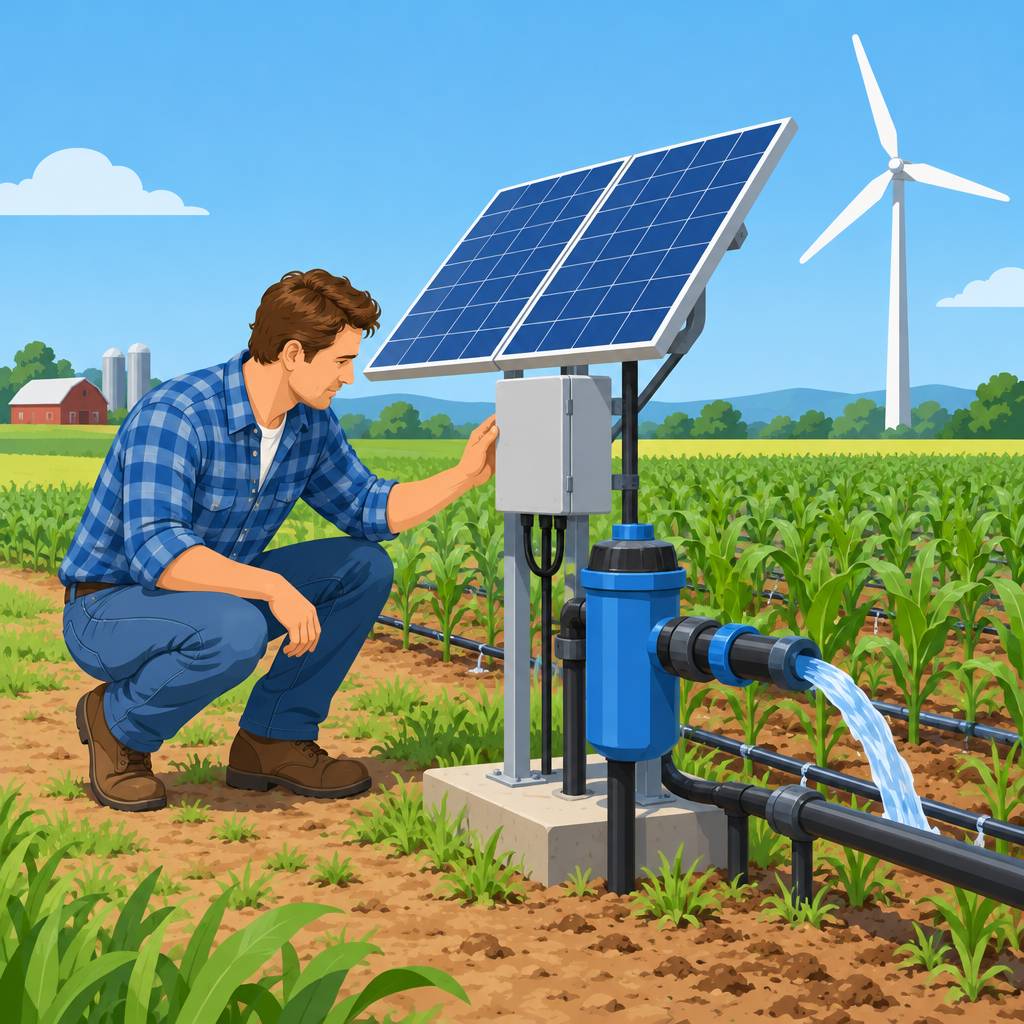
Farms Using Solar, Wind, and Biogas
- Farm A operates in the Midwest and installed solar panels on its barn roof.
- Farm B operates in California and invested in wind turbines.
- Farm C is a dairy farm in New Zealand that uses cow manure to produce biogas.
Each farm selected a renewable energy approach suited to its operations.
Farm A uses solar generation from its barn roof to support its electricity needs.
Meanwhile, Farm B uses wind turbines, while Farm C converts manure into biogas.
Financial and Environmental Benefits
Farm A reduced its electricity costs by 50 percent after installing solar panels.
Similarly, Farm B lowered its energy bills by 30 percent through wind power.
Farm A also reduced its carbon footprint, supporting a more sustainable operation.
Farm B reduced greenhouse gas emissions in the region through its renewable energy investment.
Furthermore, Farm C powers its operations with biogas from cow manure.
This approach supports waste management while reducing methane emissions.
Renewable Energy’s Role in Farm Sustainability
These farms reduced their reliance on traditional fossil fuels through renewable energy projects.
Their experiences show that renewable energy can improve efficiency while lowering operating costs.
They also demonstrate how farm energy projects can support environmental sustainability.
Other farms can consider these examples when evaluating renewable energy opportunities.
Explore Further: How Animal Nutritionists Improve Livestock Health
Transform Your Career Today
Unlock a personalized career strategy that drives real results. Get tailored advice and a roadmap designed just for you.
Start NowSteps to Implement Renewable Energy in Farm Operations
Farmers can implement renewable energy through careful planning and execution.
First, they should assess their energy needs and available options.
Then, farmers can install and maintain a suitable renewable energy system.
Conduct an Energy Audit
An energy audit helps farmers understand current consumption patterns.
It also reveals opportunities to improve energy efficiency.
Additionally, farmers can set goals for reducing energy consumption through renewable sources.
- Evaluate current energy consumption patterns on the farm
- Identify areas where energy efficiency can improve
- Determine specific energy requirements for different operations
- Set goals for reducing energy consumption through renewable sources
Choose a Suitable Renewable Energy Source
Farmers should research the renewable energy sources available to them.
They can assess solar, wind, hydro, and biomass energy options.
Furthermore, location, climate, and energy needs can guide the final selection.
- Explore different types of available renewable energy sources
- Assess the feasibility of solar, wind, hydro, or biomass energy
- Consider location, climate, and energy needs
- Select the most cost-effective and sustainable option for the farm
Obtain Permits and Incentives
Renewable energy installations must follow applicable local regulations.
Farmers should research permitting requirements before beginning installation.
They can also explore incentives, tax credits, and grants for renewable energy projects.
- Research local regulations and permitting requirements for renewable energy
- Apply for permits and approvals for renewable energy installations
- Explore available incentives, tax credits, and grants
- Ensure compliance with legal and regulatory requirements
Work with Experienced Installation Professionals
Qualified professionals can help design and install the renewable energy system.
Experienced technicians can also support proper maintenance and system monitoring.
Finally, trained farm staff can operate and maintain the system effectively.
- Hire qualified contractors or technicians with renewable energy experience
- Work with experts to design and install the system
- Maintain and monitor the system for optimal performance
- Train farm staff to operate and maintain the system effectively
Farmers can reduce energy costs by adopting renewable energy.
They can also increase sustainability through these farm operations.
These choices can contribute to a cleaner environment.
Gain More Insights: Salary Expectations for Food Safety Specialists
Challenges of Renewable Energy in Farm Operations
When farms adopt renewable energy, they face several practical challenges.
These challenges include initial expenses, technical requirements, and location constraints.
Farmers should evaluate each factor carefully before selecting an energy system.
Upfront Costs of Renewable Energy Systems
- Renewable energy systems often require substantial upfront equipment and installation costs.
- Farmers may secure financing or explore grants to help cover the initial investment.
- Over time, lower energy bills and available incentives may offset these expenses.
Location and Weather Considerations for Solar and Wind Energy
- Farm location strongly influences the viability of solar and wind energy systems.
- Regions with ample sunlight can support solar production.
- Areas with consistent wind patterns can support wind energy.
- Farmers must also assess shading, orientation, and local regulations before installation.
Maintenance and Technical Expertise for Renewable Energy Systems
- Renewable energy systems require regular maintenance to operate efficiently.
- Farmers may develop technical skills or hire professionals to monitor and service equipment.
- Training programs and available resources can help farmers build necessary maintenance expertise.
Careful planning can help farmers manage these challenges.
Farmers can strengthen operations by matching systems with local conditions and available resources.
With appropriate maintenance and expertise, renewable energy can support farm operations over time.
Find Out More: The Role of Technology in Agricultural Consulting
Government Incentives and Programs for Renewable Energy in Agriculture
Government incentives and programs support farmers who use renewable energy.
These programs can offset the initial costs of installing renewable energy systems.
They can also make renewable energy more accessible to agricultural businesses.
Federal Programs
- The USDA Rural Energy for America Program provides grants and loan guarantees for renewable energy projects.
- The Investment Tax Credit lets farmers deduct part of eligible solar or wind installation costs from federal taxes.
- The Production Tax Credit supports electricity generation from renewable energy systems, including wind turbines.
State Programs
State programs can provide additional support for renewable energy projects on farms.
Farmers should review available options because state programs vary.
State energy offices and Departments of Agriculture can provide more information.
- Many states offer grants, rebates, and tax credits for renewable energy in agriculture.
- Farmers can contact their state energy office or Department of Agriculture for program details.
Resources for Farmers Navigating Incentives and Programs
Farmers may find government incentives and application processes difficult to navigate.
Several resources can help farmers identify suitable programs and complete applications.
These resources include USDA offices, extension programs, and online tools.
USDA Rural Development Offices
USDA Rural Development offices can help farmers identify available programs.
- Local offices can guide farmers through available programs and grant or loan applications.
- These offices often host workshops and webinars about renewable energy opportunities.
Extension Programs
Cooperative Extension programs provide practical renewable energy information for agricultural operations.
- Extension programs offer resources and workshops focused on renewable energy for farms.
- Extension agents can help farmers identify incentives that match their farm’s needs.
Online Tools and Guides
Online tools can help farmers evaluate renewable energy opportunities.
They can also simplify the process of applying for grants and tax incentives.
Farmers can use these resources to estimate potential cost savings.
Transform Your Career Today
Unlock a personalized career strategy that drives real results. Get tailored advice and a roadmap designed just for you.
Start Now- The National Renewable Energy Laboratory offers tools for calculating potential renewable energy savings.
- Online guides can explain grant and tax incentive applications step by step.
By using these incentives and resources, farmers can make renewable energy more affordable and sustainable.
These programs can help agricultural businesses reduce their carbon footprint and save money over time.
Renewable Energy Supports Farm Resilience
Renewable energy can reduce farm costs and environmental impact while supporting sustainable operations.
Additionally, it helps farmers reduce their carbon footprint and build more resilient operations.
Consequently, farmers should consider renewable energy to support a greener future and secure long-term farm viability.
Additional Resources
Google search results for Utilizing Renewable Energy in Farm Operations Agricultural
Bing search results for Utilizing Renewable Energy in Farm Operations Agricultural


