




Railroad Engineers and Railway Systems
Railroad engineers design, construct, and maintain railway systems.
They help ensure safe and efficient train operations.
Transportation companies rely on railroad engineers to support smooth railway network functions.
Their expertise helps plan and execute railway projects that connect cities and move goods and people.
Maintenance Challenges Affecting Railroad Operations
Insufficient track and train maintenance creates serious challenges for railroad engineers.
Neglected equipment can threaten engineers, passengers, and dependable railroad service.
Regular upkeep helps operators control hazards and preserve efficient train movement.
- Increased risk of derailments
- Wear and tear on tracks
- Breakdowns and schedule delays
- Reduced train reliability
Track and Train Defects
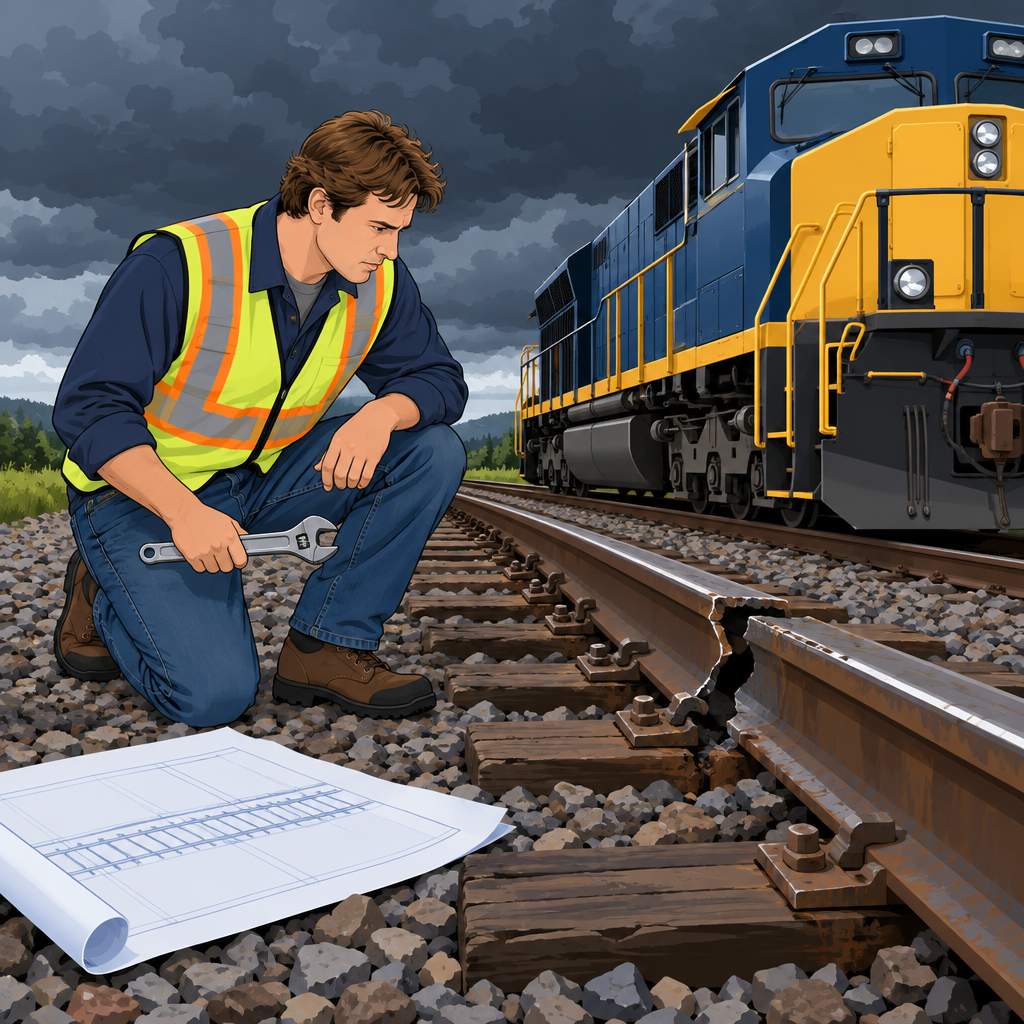
Defective tracks can increase derailment risks during railroad operations.
Uneven rails, loose bolts, and unresolved defects can weaken track integrity.
Worn tracks may buckle or shift, creating additional accident hazards.
Mechanical failures can also cause breakdowns, delays, and unexpected service disruptions.
- Track defects can endanger trains and passengers
- Shifting tracks can increase derailment risks
- Mechanical failures can interrupt scheduled service
- Unreliable trains can disrupt railroad operations
Safety and Efficiency Consequences
Maintenance gaps can reduce safety and operational efficiency.
Accidents may injure or kill people, while service interruptions frustrate passengers.
Deferred repairs often become more extensive and costly over time.
- Increased likelihood of accidents
- Higher long-term maintenance costs
- Lower operational efficiency
- Reduced customer satisfaction
Maintaining Reliable Railroad Service
Railroad companies should prioritize maintenance to protect everyone involved in transportation.
Proactive repairs can improve safety, reliability, and schedule performance.
Consistent upkeep also supports passenger confidence and more productive railroad operations.
Technological Advancements
- Rapidly evolving technology challenges engineers across the railroad industry.
- Engineers must continually learn about the latest railroad technologies.
- Advanced signaling systems and train control technologies continue changing the industry rapidly.
- Therefore, engineers need continuous training to maintain current knowledge and skills.
- Outdated technical knowledge can reduce efficiency and increase safety risks during railway operations.
Training Programs and Reskilling Efforts
- Many companies provide training programs to help engineers keep pace with technological change.
- These programs introduce new technologies and give engineers practical experience using them.
- Engineers can also join reskilling efforts to strengthen their industry knowledge and technical abilities.
- Continuous learning helps engineers adapt to the railroad industry’s changing technological environment.
- By funding training and reskilling, companies prepare engineers to manage emerging technological challenges.
Explore Further: Transportation Analyst: Industry Trends 2025
Safety Regulations
- Railroad operators must follow strict safety regulations and compliance requirements.
- Moreover, engineers must follow guidelines that prevent accidents and support smooth operations.
- Regular safety inspections identify potential hazards, allowing operators to address them promptly.
- Additionally, operators must maintain tracks, signals, and equipment for safe travel.
- Meanwhile, communication systems alert engineers about potential dangers along the tracks.
Ensuring Safety of Passengers and Crew Members
- Engineers protect the passengers and crew members traveling onboard.
- Therefore, training programs teach engineers emergency protocols and procedures.
- Furthermore, teams develop emergency response plans for unforeseen situations.
- During inclement weather or heavy traffic, engineers must remain alert and focused.
- Finally, engineers collaborate with team members to protect everyone during operations.
Gain More Insights: How to Advance Your Career as a Freight Handler
Environmental Concerns
Railroad engineers face environmental challenges during their operations.
They must reduce carbon footprints and limit harmful emissions.
Therefore, eco-friendly practices and technologies support sustainable railroad operations.
Regulatory Compliance
Railroads face strict environmental regulations governing emissions and environmental impact.
Engineers must meet these standards during railroad operations.
Compliance helps them avoid penalties and maintain operating licenses.
Carbon Footprint Reduction
Engineers prioritize reducing railroad carbon footprints.
They minimize fossil fuel use and optimize fuel efficiency.
They also explore renewable fuels and electrification as alternative energy sources.
Emissions Control
Locomotives and other equipment produce emissions that engineers must control.
Accordingly, teams can use exhaust filters, catalytic converters, and fuel additives.
These technologies reduce harmful nitrogen oxides and particulate matter.
Noise Pollution
Railroads can create noise pollution in surrounding areas.
Engineers can reduce noise through sound barriers and acoustic insulation.
Careful route and schedule planning further limits disturbance.
Habitat Protection
Construction and operation can affect local habitats and wildlife.
Engineers protect ecosystems through wildlife crossings and habitat restoration.
They also conduct environmental impact assessments before relevant work.
Waste Management
Railroad operations generate waste requiring proper management.
Engineers implement recycling programs and hazardous waste disposal protocols.
Pollution prevention measures further reduce waste-related environmental impacts.
Transform Your Career Today
Unlock a personalized career strategy that drives real results. Get tailored advice and a roadmap designed just for you.
Start NowSustainability Initiatives
Sustainability initiatives support greener railroad operations.
Engineers can invest in renewable energy and apply energy-efficient practices.
They can also collaborate with environmental organizations to promote sustainable operations.
Addressing environmental concerns requires coordinated engineering decisions.
By prioritizing eco-friendly practices and technologies, engineers support a more sustainable railroad industry.
These efforts encourage environmentally responsible railroad operations.
Uncover the Details: Transportation Analyst: Required Software Skills
Budget constraints challenge railroad engineers.
These limits can affect infrastructure maintenance and development.
As a result, engineers must prioritize work carefully.
Limited Budget Allocation
Railroad maintenance and infrastructure development require substantial funding.
However, organizations often provide limited allocations for these projects.
Therefore, engineers must direct available funds toward essential work.
- Engineers often struggle to secure enough funding for necessary maintenance.
- Limited allocations can delay repairs and upgrades, increasing safety concerns.
- Funding shortfalls can also restrict new technologies and industry innovation.
Balancing Cost-Effective Solutions
Engineers must balance affordable solutions with required quality standards.
This balance supports safe and efficient railroad operations.
Consequently, engineers must reduce costs without weakening infrastructure integrity.
- Substandard materials can create serious safety implications.
- Engineers must avoid cutting corners when managing infrastructure projects.
- Strategic planning helps engineers meet quality standards within budget limits.
Careful financial decisions help engineers maintain quality and support safe, efficient operations.
Find Out More: Key Metrics for Measuring Distribution Manager Performance
Workforce Shortage
Railroads have connected people and goods across vast distances for centuries.
They provide efficient transportation across extensive networks.
However, railroad engineers face numerous complex challenges today.
Shortage of Skilled Labor
The industry lacks skilled railroad engineers and workers.
An aging workforce contributes significantly to this shortage.
Many experienced engineers approach retirement, while few young professionals enter the field.
Recruiting and Retaining Talent
Railroad companies must recruit and retain talent in a competitive job market.
Meanwhile, technology and finance industries may offer lucrative salaries and benefits.
Additionally, demanding schedules, long hours, and travel can discourage potential employees.
Strategies for Addressing the Workforce Shortage
Railroad companies can use several strategies to reduce workforce shortage effects.
Training programs can strengthen existing employees’ skills and professional abilities.
Furthermore, competitive employment packages can help companies attract and retain talent.
- Companies can invest in training and development programs for existing employees.
- Railroads can partner with educational institutions to promote engineering careers.
- Employers can offer competitive salaries and benefits packages to attract skilled workers.
- Companies can implement flexible work arrangements that accommodate job demands.
- Railroads can provide opportunities for career advancement and professional growth.
Operational Demands in Railroad Engineering
Railroad engineers manage demanding operating conditions while supporting dependable passenger and cargo movement.
Changing terrain and severe weather require careful judgment, precise control, and constant attention.
Heavier rail traffic can create congestion across shared tracks.
Engineers coordinate schedules and operating plans to help trains move efficiently through busy rail networks.
Collaboration and Sustainable Rail Operations
Engineers work with government agencies, private companies, and local communities to address complex rail challenges.
These partnerships help stakeholders coordinate projects, manage shared concerns, and support practical solutions.
Sustainable initiatives can encourage alternative energy use and reduce trains’ carbon footprint.
Consequently, collaborative planning can strengthen rail transportation’s efficiency and long-term direction.
Additional Resources
Google search results for Challenges Faced by Railroad Engineers Transportation and Logistics
Bing search results for Challenges Faced by Railroad Engineers Transportation and Logistics
Transform Your Career Today
Unlock a personalized career strategy that drives real results. Get tailored advice and a roadmap designed just for you.
Start Now


