




Introduction
Computing technologies have transformed dramatically over the past few decades.
Early mainframes evolved into personal computers, marking significant advancements.
Today, the digital landscape appears more complex and dynamic than ever before.
Among these advancements, quantum computing stands out as a revolutionary force.
Quantum computing leverages the principles of quantum mechanics to process information.
Unlike traditional binary systems, quantum computers use qubits.
Qubits enable operations that classical computers cannot perform efficiently.
Consequently, quantum computers can address cryptography, optimization, and complex simulations more efficiently.
As quantum computing takes center stage, professionals must understand its implications.
Traditional IT roles focus on software development, system administration, and network management.
In contrast, quantum computing researchers explore theoretical frameworks and practical applications.
They seek to harness quantum phenomena through specialized research.
Recognizing these differences helps professionals and aspiring technologists understand both fields.
Traditional IT roles often require programming, database, and infrastructure management skills.
Meanwhile, quantum computing requires deep knowledge of physics, mathematics, and specialized tools.
Additionally, professionals need knowledge of linear algebra and quantum mechanics.
As industries evolve, demand for traditional IT and quantum computing skills will continue growing.
Organizations seek individuals who can innovate and adapt to emerging technologies.
Traditional IT roles will expand to incorporate quantum elements.
Meanwhile, researchers will continue pushing the boundaries of technological possibility.
Understanding these differences helps professionals navigate their career paths.
Professionals can specialize in traditional IT or explore the growing field of quantum research.
Ultimately, the future of computing holds tremendous possibilities.
Understanding these distinct roles provides valuable insights into that future.
Understanding Quantum Computing
Quantum computing changes how people process information.
It applies quantum mechanics to problems that conventional computers may struggle to solve.
This field challenges traditional computing approaches while expanding possible computational methods.
Quantum Bits and Information Processing
Quantum computers use quantum bits, called qubits, as their basic information units.
Classical bits hold either zero or one, whereas qubits can occupy multiple states.
Therefore, qubits give quantum systems distinctive ways to process information.
Core Quantum Concepts
Superposition allows a qubit to represent zero and one simultaneously.
As a result, quantum computers can perform many calculations through coordinated quantum states.
Entanglement connects qubits so that one qubit’s state can depend on another.
- Qubits: These quantum information units can occupy multiple states.
- Superposition: This property lets qubits represent multiple states at once.
- Entanglement: This relationship links the states of separate qubits.
Current Development of Quantum Technology
Quantum technology has advanced rapidly in recent years.
Major technology companies and startups continue investing in quantum computing.
IBM, Google, and Microsoft explore applications, systems, and development frameworks.
Most quantum computers still operate primarily within research laboratories.
Researchers continue improving qubit stability and error correction.
Meanwhile, commercial platforms allow users to access quantum services through the cloud.
Rigetti Computing and IonQ develop cloud-based services for researchers and businesses.
Transform Your Career Today
Unlock a personalized career strategy that drives real results. Get tailored advice and a roadmap designed just for you.
Start NowThese platforms let users test quantum algorithms without owning quantum machinery.
Potential Applications of Quantum Computing
Quantum computing could influence several industries as researchers develop practical applications.
Its potential extends from cryptography and drug discovery to finance, logistics, and artificial intelligence.
However, organizations must continue developing the technology before widespread adoption becomes possible.
- Cryptography: Quantum computers may break existing cryptographic codes while supporting secure quantum encryption methods.
- Drug Discovery: Researchers can simulate molecular interactions at atomic levels to accelerate drug discovery.
- Financial Modeling: Financial models may analyze complex systems and support better investment decisions.
- Optimization Problems: Logistics and manufacturing may gain stronger tools for solving optimization problems.
- Artificial Intelligence: Quantum methods may refine machine learning algorithms and improve their efficiency.
Researchers continue identifying additional ways to apply quantum computing.
Industries remain interested because quantum systems could address difficult problems.
As the field develops, quantum computing may create new approaches to information processing.
Responsibilities and Daily Tasks of Quantum Computing Researchers
Quantum computing researchers support the development of emerging quantum technologies.
Their work combines mathematical analysis, software development, laboratory experiments, and scientific communication.
They also coordinate with specialists from several technical disciplines.
- Theoretical Research: Researchers develop and analyze quantum algorithms using mathematics and computer science.
- Simulations: They simulate quantum systems with specialized software and evaluate algorithm performance.
- Experimental Work: Some researchers conduct laboratory experiments with qubits and physical implementation methods.
- Collaboration: Researchers work with physicists, engineers, and computer scientists to solve complex problems.
- Publishing Findings: They publish scientific papers and present findings at conferences.
- Grant Writing: Researchers write grant proposals to secure funding for their projects.
- Staying Updated: They review current literature to track developments and emerging technologies.
Educational Background and Skills for Quantum Computing Research
Quantum computing researchers typically pursue advanced education in technical or scientific disciplines.
They also develop mathematical, programming, and communication abilities for their research activities.
Because the field crosses multiple disciplines, researchers must collaborate effectively with diverse teams.
- Advanced Degrees: Most researchers hold a PhD in physics, computer science, or engineering.
- Strong Mathematical Skills: Linear algebra, calculus, and probability theory support quantum modeling.
- Programming Skills: Python, MATLAB, and C++ help researchers implement algorithms and run simulations.
- Knowledge of Quantum Mechanics: Researchers apply quantum mechanics when designing and analyzing quantum systems.
- Problem-Solving Skills: Analytical abilities help researchers address difficult theoretical and experimental challenges.
- Communication Skills: Researchers explain findings through papers, presentations, and other scientific communication.
- Collaborative Skills: Teamwork helps researchers combine expertise from different technical areas.
Research Methodologies in Quantum Computing
Quantum computing research uses several methods to investigate new concepts and technologies.
Researchers generally divide these methods into theoretical and experimental approaches.
Both approaches help scientists connect abstract principles with practical quantum systems.
Theoretical Research Methods
Theoretical research examines the abstract principles that govern quantum systems.
Researchers create mathematical models to study how quantum mechanics can support computation.
They also investigate computational limits, error correction, and unresolved questions in quantum information theory.
- Create New Algorithms: Researchers design algorithms that use quantum superposition and entanglement.
- Analyze Limits: They compare the computational limits of quantum and classical machines.
- Establish Frameworks: Researchers develop frameworks for quantum error correction and fault tolerance.
- Solve Open Problems: They investigate unresolved problems in quantum information theory.
Experimental Research Methods
Experimental research applies quantum theories through practical work in laboratory environments.
Researchers build quantum systems, test their behavior, and compare results with theoretical predictions.
This process requires specialized hardware, careful measurement, and detailed data analysis.
- Building Qubits: Experimentalists create qubits with superconductors, trapped ions, or photonic systems.
- Assembling Hardware: They design and construct hardware for quantum computation.
- Testing Quantum Devices: Researchers assess quantum circuits and algorithms through controlled experiments.
- Data Analysis: They analyze experimental results and compare them with theoretical predictions.
Quantum computing research combines theoretical insight with practical experimentation.
Researchers use this combination to address difficult challenges in next-generation computing.
Their work supports continued progress across the developing quantum technology field.
Explore Further: Certifications Beneficial for IT Procurement Specialists
Traditional IT Roles
Traditional IT roles support essential technology functions within organizations.
Systems administrators manage servers, software developers create applications, and network engineers maintain connected systems.
As technology evolves, these professionals improve performance, strengthen security, and align IT strategies with business objectives.
Responsibilities Across IT Specialties
Each traditional IT role includes responsibilities that match its technical specialty.
Systems administrators manage server operations, handle backups, and monitor system performance.
Meanwhile, software developers write code, test applications, and deploy software for users.
- Systems Administrator: Manages server operations, handles backups, and monitors system performance.
- Software Developer: Writes code, conducts testing, and deploys software applications for user needs.
- Network Engineer: Designs network infrastructures, implements security measures, and troubleshoots connectivity issues.
- Database Administrator: Manages databases, ensures data integrity, and performs regular maintenance tasks.
These responsibilities require technical knowledge, problem-solving abilities, and proactive issue resolution.
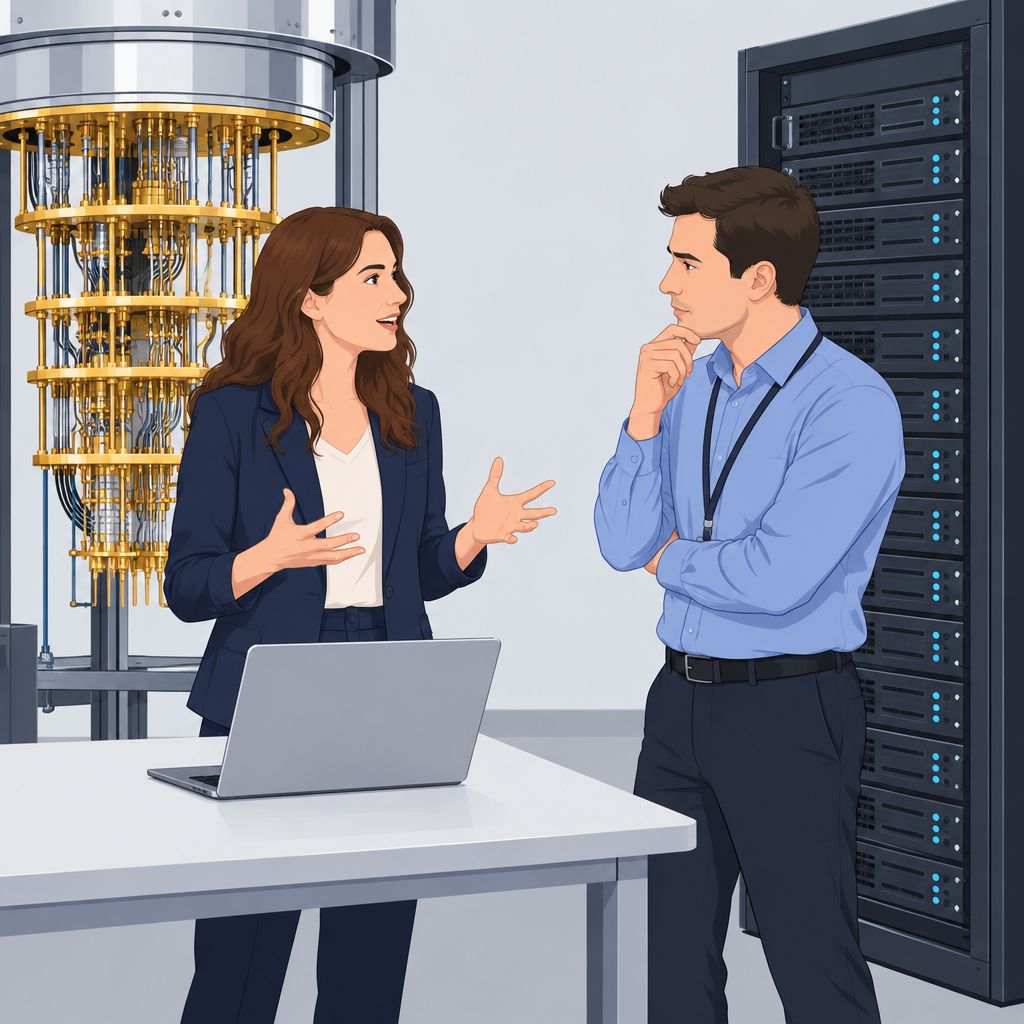
Tools Supporting Traditional IT Work
Traditional IT professionals use specialized tools to complete daily tasks efficiently.
Systems administrators commonly use Microsoft Active Directory, VMware, and Linux command line utilities.
Software developers use integrated development environments to create, test, and manage applications.
- For Systems Administration: Microsoft Active Directory, VMware, and Linux command line utilities support administrative work.
- For Software Development: Visual Studio, Eclipse, and IntelliJ IDEA provide integrated development environments.
- For Network Engineering: Wireshark and Cisco Packet Tracer assist with monitoring and network analysis.
- For Database Management: SQL Server Management Studio, MySQL Workbench, and cloud-based database services support maintenance.
Consequently, proper tool knowledge helps professionals streamline workflows and improve productivity.
Education and Skills for IT Careers
Traditional IT careers typically require education, technical expertise, certifications, and strong interpersonal abilities.
Most positions require at least a bachelor’s degree in computer science or a related field.
Additionally, professionals need knowledge of programming languages, operating systems, and networking protocols.
Transform Your Career Today
Unlock a personalized career strategy that drives real results. Get tailored advice and a roadmap designed just for you.
Start Now- Educational Background: A bachelor’s degree in computer science or a related field supports many positions.
- Technical Skills: Programming languages, operating systems, and networking protocols form an important technical foundation.
- Certifications: CompTIA A+, Cisco CCNA, and Microsoft Certified Solutions Expert can enhance job prospects.
- Soft Skills: Communication, teamwork, and analytical abilities support success in traditional IT roles.
However, requirements vary by role and industry.
Continuing Importance of Traditional IT Roles
Traditional IT professionals keep organizational systems running smoothly and securely.
They also connect users with complex technology while supporting broader business operations.
Therefore, continuous learning helps these professionals respond effectively to technological change.
Learn More: Cyber Forensics Analyst vs. Cybersecurity Specialist
Comparative Skill Sets
Quantum computing researchers and traditional IT professionals develop different technical skills.
Researchers emphasize mathematics and physics, while IT professionals focus on practical technology management.
However, both career paths require collaboration, problem-solving, adaptability, and continuous learning.
Mathematical and Physics Knowledge for Quantum Researchers
Quantum computing research applies quantum mechanics to develop advanced computational methods.
Therefore, researchers need rigorous scientific knowledge to understand quantum operations and computational challenges.
They also use mathematical and computational techniques to analyze quantum systems and results.
- Quantum Mechanics: Researchers study superposition, entanglement, and other principles of quantum theory.
- Advanced Mathematics: Linear algebra, calculus, and complex numbers support quantum algorithm development.
- Statistical Analysis: Researchers analyze datasets and interpret results using statistical techniques.
- Group Theory: Knowledge of group theory helps researchers examine symmetry in quantum systems.
- Numerical Methods: Computational techniques help researchers simulate systems and solve differential equations numerically.
Programming Languages and IT Frameworks
Traditional IT professionals support software development, network management, and system security.
Their work emphasizes practical applications that help organizations operate technology effectively.
Consequently, they build skills across programming, infrastructure, databases, security, and cloud services.
- Programming Languages: Java, Python, and C# help professionals create software and applications.
- Database Management: SQL and NoSQL skills support data extraction, storage, and manipulation.
- System Administration: Linux and Windows Server knowledge supports infrastructure management and maintenance.
- Network Security: Cybersecurity knowledge helps professionals protect systems from intrusions and threats.
- Cloud Computing: AWS, Azure, and Google Cloud skills support cloud-based solutions.
Interdisciplinary Skills Across Both Fields
Despite their differences, both fields rely on several shared professional abilities.
These interdisciplinary skills help professionals solve problems and collaborate across technical specializations.
They also support innovation, productivity, and continuous improvement in changing technology environments.
- Problem-Solving Skills: Professionals analyze issues and develop effective solutions.
- Collaboration: Teams use communication and cooperation to achieve successful project outcomes.
- Adaptability: Professionals continue learning as tools and methods change.
- Project Management: Teams manage timelines, resources, and stakeholder expectations.
- Programming Basics: Coding knowledge helps quantum researchers develop and test quantum algorithms.
Career Development Through Continuous Learning
Quantum researchers need strong foundations in mathematics and physics.
Traditional IT professionals need practical expertise in programming, infrastructure, and system management.
Meanwhile, shared professional skills help both groups communicate, adapt, and contribute effectively.
As technology changes, continuous learning remains essential for both career paths.
Explore Further: How to Master Debugging as a Web Developer
Career Paths and Opportunities
Quantum computing is an emerging field with multiple career opportunities.
As this technology progresses, researchers play a crucial role in its development.
Traditional IT roles often focus on maintaining and evolving existing technologies.
Both paths present unique opportunities for professional exploration.
Career Opportunities in Quantum Computing Research
Quantum computing offers several exciting career paths.
These positions require knowledge of advanced mathematics, physics, and computer science.
Academia, industry, and government sectors provide opportunities for quantum professionals.
- Quantum Algorithm Developer: Designs and optimizes algorithms for quantum computers.
- Quantum Hardware Engineer: Builds and maintains quantum computing hardware.
- Theoretical Physicist: Studies principles related to quantum mechanics.
- Quantum Software Engineer: Develops tools for programming quantum systems.
- Quantum Information Scientist: Studies information processing through quantum mechanics.
- Research Scientist: Conducts experiments that advance quantum technologies.
- Consultant: Advises businesses about implementing quantum solutions.
Job Prospects, Growth Potential, and Salary Expectations
The quantum computing job market continues to evolve rapidly.
Quantum roles often offer different growth trajectories than traditional IT positions.
Traditional IT includes programming, system administration, and network security.
The following areas highlight differences between these career paths.
Job Prospects
Quantum computing positions are becoming more available as demand grows.
Large technology companies and startups invest heavily in quantum research.
Finance, healthcare, and telecommunications organizations require quantum expertise.
Traditional IT roles remain steady, although many job seekers compete for them.
Growth Potential
Quantum computing offers significant growth potential.
As industries adopt quantum capabilities, new roles may emerge.
This field gives professionals opportunities to advance technology and explore new possibilities.
Transform Your Career Today
Unlock a personalized career strategy that drives real results. Get tailored advice and a roadmap designed just for you.
Start NowTraditional IT roles provide stable paths toward managerial or senior technical positions.
Salary Expectations
Salary expectations vary significantly between quantum computing and traditional IT.
Quantum professionals often command higher salaries because they possess specialized skills.
Entry-level quantum researchers may earn more than $100,000.
Experienced quantum engineers can earn more than $150,000 annually.
Traditional IT roles also offer competitive salaries.
These positions typically start near $60,000, depending on experience and location.
The Evolving Job Market for Quantum and Traditional IT Skills
Technological advances continuously reshape the job market.
Quantum computing could experience rapid growth during the coming years.
Research indicates that industries will increasingly seek specialized quantum skills.
This trend creates dynamic changes throughout the employment landscape.
Organizations expect quantum computing to transform problem-solving.
Companies invest heavily in quantum technology research and development.
Consequently, demand is rising for professionals with quantum skills.
Universities and companies now establish programs that develop this talent.
Online platforms also provide quantum computing courses.
These courses broaden access to quantum education.
Traditional IT roles continue to provide stability.
Systems analysts, software developers, and cybersecurity experts remain essential.
These professionals maintain current systems and support operational efficiency.
Demand remains consistent, although it may grow more slowly than quantum computing demand.
Job seekers should align their skills with changing market needs.
Understanding employment trends can strengthen future career prospects.
Traditional IT professionals may benefit from learning quantum concepts.
That knowledge can help them stand out in a competitive job market.
Both fields offer valuable professional opportunities.
Quantum computing promises groundbreaking technological possibilities.
Traditional IT roles provide reliable career trajectories.
As technology advances, adaptable professionals can find meaningful career success.
Quantum computing careers continue to expand rapidly.
This growth creates advantages compared with many traditional IT paths.
However, both options can support different professional goals.
Job seekers should examine these paths carefully.
Staying current with industry trends can support fulfilling careers.
See Related Content: How to Build a Strong Back End Developer Portfolio
Industry Impact and Future Trends
Quantum computing promises to revolutionize numerous industries.
Unlike classical computing, quantum computing uses principles from quantum mechanics.
This technology can improve processing power and solve previously intractable problems.
Business sectors increasingly recognize its potential for transformative change.
Transformative Effects of Quantum Computing
Various industries could benefit significantly from quantum computing.
Transform Your Career Today
Unlock a personalized career strategy that drives real results. Get tailored advice and a roadmap designed just for you.
Start NowThese applications could influence healthcare, finance, logistics, energy, and telecommunications.
Each sector can apply quantum methods to address complex operational challenges.
- Healthcare: Quantum computing can accelerate drug discovery processes.
It enables faster simulations of molecular interactions.
This progress may support efficient clinical trials and personalized medicine. - Finance: Financial institutions can use quantum algorithms for risk analysis.
They can optimize portfolios in real time and improve security through advanced encryption methods.
Faster data analysis can support better investment decisions. - Logistics: Quantum computing can improve supply chain management.
Companies can optimize routing and inventory management with advanced algorithms.
These improvements can reduce costs and increase efficiency. - Energy: The energy sector can use quantum computing to optimize grid management.
Quantum technology can improve simulations for renewable energy technologies.
It can also support materials discovery for improved energy storage solutions. - Telecommunications: Quantum key distribution can secure data transmission.
Advanced encryption methods can protect sensitive information from cyber threats.
This progress could support more secure networks and stronger data integrity.
The Continuing Evolution of Traditional IT
Traditional IT roles continue to evolve as quantum computing emerges.
Organizations must adapt to rapid technological changes.
Traditional IT remains essential for implementing and managing digital infrastructure.
It also improves connectivity and accessibility across various sectors.
Key developments in traditional IT include cloud computing, artificial intelligence, cybersecurity, DevOps, and edge computing.
- Cloud Computing: Cloud migration enables organizations to streamline operations.
It improves data storage and collaboration across teams. - Artificial Intelligence: AI integration optimizes processes and improves decision-making.
IT professionals increasingly use machine learning for predictive analytics. - Cybersecurity: Growing threats make cybersecurity roles more critical.
IT teams must implement robust measures to protect sensitive information. - DevOps Practices: DevOps promotes collaboration between development and operations teams.
This practice streamlines application development and enhances productivity. - Edge Computing: Edge computing reduces latency by processing data near its source.
This technology improves response times for real-time applications.
Collaboration Between Quantum Researchers and IT Professionals
Quantum computing requires collaboration between quantum researchers and traditional IT professionals.
As quantum technology develops, IT roles must incorporate new methodologies.
This partnership can help organizations use quantum computing effectively.
Several areas demonstrate the need for continued cooperation.
- Hybrid Systems: Organizations must connect classical and quantum systems.
IT professionals will manage integrations and transitions between both environments. - Data Management: Quantum computing will require innovative storage and management techniques.
IT experts must ensure that data pipelines support quantum-generated data. - Security: Data security will evolve as quantum computers become more widespread.
IT professionals must develop infrastructure that mitigates quantum-related security threats. - Algorithm Development: Quantum researchers will work with IT teams to implement algorithms.
This collaboration can improve performance within existing IT frameworks. - Skill Development: Traditional IT professionals should learn quantum programming and concepts.
This knowledge can strengthen collaboration with quantum researchers.
Future Job Landscape in Relation to Quantum Technology
Quantum technology will reshape the job market.
Companies will seek professionals who understand quantum computing and traditional IT.
Several trends will influence the future employment landscape.
- Increased Demand for Quantum Specialists: Organizations will seek quantum algorithm and hardware experts.
Opportunities will arise in technology companies, research institutions, and various industries. - Integration of Quantum Knowledge in IT Roles: Traditional IT roles will increasingly require quantum knowledge.
Data analysis, software development, and cybersecurity positions may incorporate quantum technology. - Emergence of Hybrid Roles: New positions may combine quantum and classical computing skills.
Professionals will need versatility across both technology domains. - Growth in Academia and Research: Research institutions will expand quantum computing programs.
These programs can create more collaboration between academia and industry. - Upskilling and Continuous Learning: Professionals will need training programs that support adaptation.
Ongoing education will help them keep pace with quantum advancements.
Quantum computing will transform various industries.
Traditional IT roles will evolve alongside this technology.
Collaboration between both fields will remain essential.
Professionals can help organizations use quantum and traditional IT innovations effectively.
Complementary Roles in Technology’s Future
Quantum researchers investigate physics and advanced mathematics.
They address complex problems involving quantum algorithms and quantum hardware.
By contrast, traditional IT professionals manage systems, develop software, and support users.
Nevertheless, both fields demand strong analytical skills and a problem-solving mindset.
Additionally, both domains advance technology and encourage innovation.
Moreover, collaboration and teamwork help professionals address technology challenges.
Each field shapes the future of technology.
Quantum computing may transform data processing.
Meanwhile, traditional IT keeps systems reliable and efficient.
Together, these areas create infrastructure and advancements that drive progress.
Emerging technologies create new career paths and professional opportunities.
As quantum computing advances, employers may seek more skilled professionals.
At the same time, traditional IT remains essential for maintaining current systems.
Therefore, readers should evaluate career choices thoughtfully and consider the changing job market.
Both paths offer distinct professional prospects.
Those pursuing quantum computing can participate in groundbreaking research and innovation.
Meanwhile, traditional IT professionals maintain and improve technologies that affect daily life.
As technology evolves, adaptability becomes increasingly important.
Readers should monitor advancements across both fields.
Furthermore, lifelong learning helps professionals respond to changing opportunities.
The future of technology offers exciting possibilities across both career paths.
Additional Resources
Transform Your Career Today
Unlock a personalized career strategy that drives real results. Get tailored advice and a roadmap designed just for you.
Start NowBing search results for Quantum Computing Researcher vs. Traditional IT Roles Information Technology


