




Understanding Abuse in Counseling
In counseling, physical abuse means physical harm or violence toward an individual.
Emotional abuse involves psychological manipulation and control.
Counselors must address abuse because it can harm mental and emotional well-being for a long time.
Importance of Addressing Abuse
Counseling gives individuals a safe space to process abusive experiences.
It also supports healing after traumatic experiences.
Furthermore, counseling helps clients regain empowerment and control by recognizing and addressing endured trauma.
Strategies for Addressing Abuse
Counselors can use several strategies to address physical and emotional abuse effectively.
They can create a safe, non-judgmental environment and validate each client’s experience.
Additionally, counselors can explore coping mechanisms, teach relaxation techniques, and promote self-care practices.
Trust and rapport help clients discuss sensitive abuse-related topics openly.
An empathetic environment helps clients feel heard, validated, and empowered to process past abuse.
Recognizing Signs of Abuse
Counselors can recognize abuse through physical, emotional, and behavioral indicators.
Unexplained injuries, frequent accidents, and bruises at different healing stages may signal physical abuse.
Emotional abuse may appear through low self-esteem, anxiety, depression, or fear of an abuser.
- Counselors should notice unexplained injuries and repeated accidents.
- Bruises in various healing stages may require careful attention.
- Low self-esteem can indicate emotional harm or manipulation.
- Anxiety, depression, or fear may reflect an unsafe relationship.
The Importance of Recognizing Abuse
Early recognition helps counselors provide appropriate support and intervention.
Moreover, a safe counseling environment can encourage clients to disclose difficult experiences.
Timely support may prevent further harm and help survivors begin healing.
- Recognition helps counselors tailor therapy to each client’s needs.
- Support can help clients regain empowerment and control.
- Careful observation demonstrates commitment to client safety.
- Empathetic intervention can strengthen trust during counseling.
How Abuse May Appear in Counseling Sessions
During sessions, clients may avoid certain topics, cry, or respond defensively.
They may also show hypervigilance, mistrust, or difficulty establishing relationship boundaries.
Furthermore, trauma discussions can trigger intense emotional reactions or distress.
- Clients may feel fearful or anxious when discussing an abuser.
- Some clients minimize or deny the abuse’s severity.
- Fear of judgment may prevent clients from sharing sensitive information.
- Self-destructive behaviors may develop as coping responses to trauma.
- Clients may struggle to establish healthy boundaries.
- Some clients may have difficulty expressing emotions calmly.
Counselor Support for Abuse Survivors
Counselors can respond with vigilance, empathy, and proactive attention to safety.
By acknowledging abuse, they can help clients feel heard and supported.
Consistent support can help survivors heal and regain control over their lives.
Creating a Safe Space
Counselors need to provide a safe and confidential environment for clients discussing abuse.
Clients often disclose abuse more openly when they feel secure and free from judgment.
Trust and privacy support a therapeutic relationship that helps clients seek assistance.
- Counselors should emphasize safety and confidentiality throughout counseling sessions.
- They should discuss practical ways to create a supportive counseling environment.
- They must recognize trust and confidentiality as foundations for therapeutic relationships.
Importance of a Safe Counseling Environment
A safe counseling environment helps clients share physical and emotional abuse experiences.
Clients can discuss difficult events without fearing judgment or harmful repercussions.
Therefore, counselors should make emotional and physical safety central to every session.
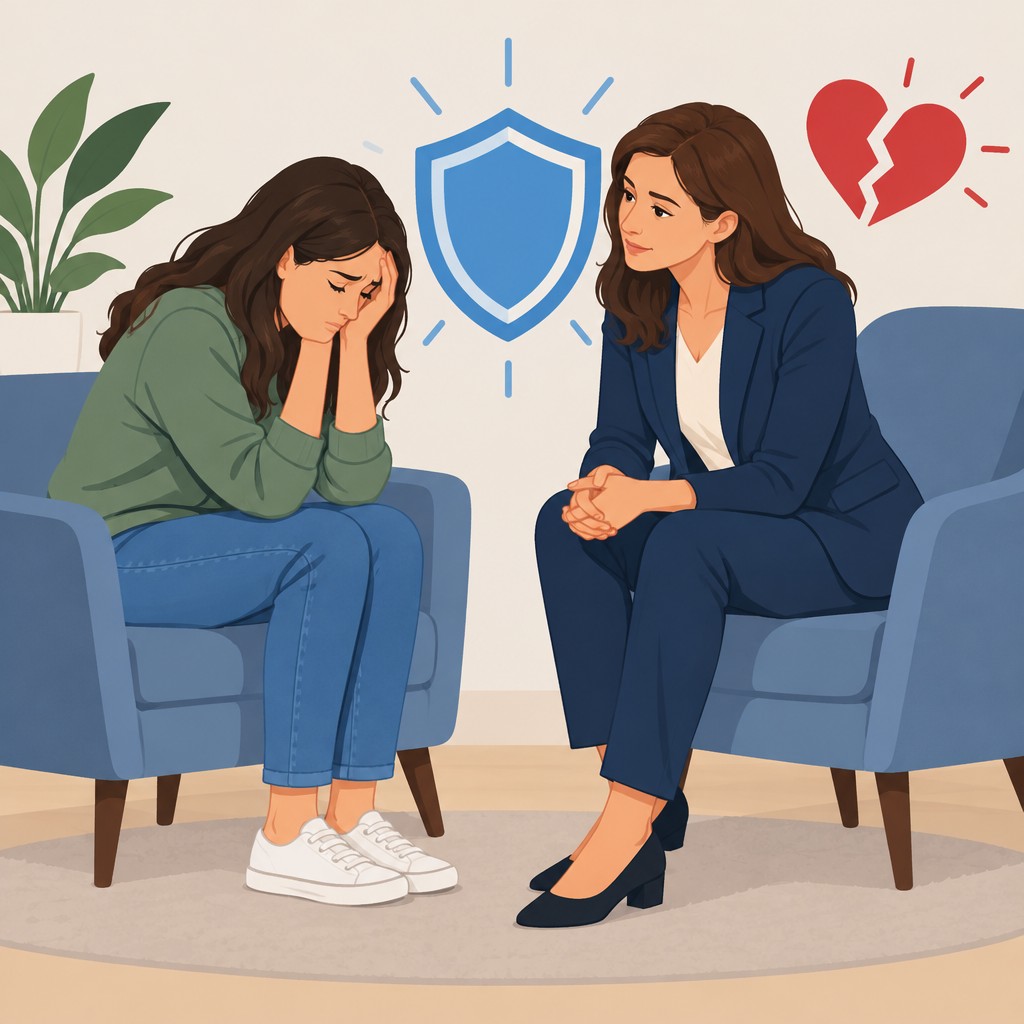
Best Practices for Creating a Safe Space
Counselors can begin by establishing clear boundaries and expectations with each client.
They should explain confidentiality and protect privacy during counseling sessions.
Additionally, counselors should maintain a respectful and non-judgmental attitude.
Active listening allows counselors to understand clients without interrupting or dismissing their experiences.
Empathy and validation can help clients feel heard, respected, and supported.
Open communication can gradually strengthen rapport and encourage abuse disclosures.
Building Trust and Protecting Confidentiality
Trust forms the foundation of counseling relationships involving sensitive abuse disclosures.
Counselors should prioritize confidentiality and reassure clients about protecting their information.
Clients need confidence that counselors will not share disclosures without consent.
Consistency helps counselors build trust over time.
Furthermore, empathy, respect, and genuine care support mutual respect within therapy.
Transform Your Career Today
Unlock a personalized career strategy that drives real results. Get tailored advice and a roadmap designed just for you.
Start NowA secure therapeutic relationship can support clients as they heal and seek help.
Learn More: Mental Health Technician: Dealing with Burnout
Trauma-Informed Care in Abuse Counseling
Trauma-informed care recognizes how trauma affects mental, emotional, and physical well-being.
It creates conditions that support healing, dignity, and personal empowerment.
Abuse survivors may experience anxiety, depression, PTSD, or substance abuse.
Trauma can also affect relationships, self-esteem, and daily functioning.
Counselors can incorporate trauma-informed care through several focused strategies.
- Establishing trust and safety: Counselors can create spaces where clients feel heard, understood, and respected.
- Providing psychoeducation: Information about trauma can help clients understand their experiences and responses.
- Supporting empowerment: Counselors can help clients recognize their strengths and resilience.
- Teaching self-care techniques: Coping and self-soothing skills can help clients manage distressing emotions.
- Using a collaborative approach: Shared treatment planning can strengthen client autonomy and personal control.
Discover More: Collaborating with Families as a Life Skills Instructor
Empowerment and Advocacy in Abuse Counseling
Empowerment helps clients regain control over personal choices and decisions.
Counselors support self-determination by respecting clients’ preferences and encouraging self-advocacy.
This approach helps clients pursue goals that reflect their values and needs.
- Shelters can offer safety and essential support.
- Hotlines can provide immediate guidance and connection.
- Support groups can reduce isolation through shared understanding.
Advocacy organizations may provide shelter, counseling, legal assistance, and support groups.
Counselors can explain available services and make referrals to appropriate organizations.
By collaborating with advocacy organizations, counselors help clients access coordinated support.
Clients can then address abuse effects while beginning their healing process.
Discover More: How to Create a Volunteer Recognition Program
Building Resilience
Resilience helps people recover from difficult experiences, including physical and emotional abuse.
However, abuse survivors may struggle to trust others, feel safe, or manage their emotions.
Therefore, building resilience supports healthier responses to stress, challenges, and trauma.
Healthy coping strategies can help clients address the lasting effects of abuse.
Techniques for Building Resilience
Counselors can help clients strengthen resilience through practical skills and supportive relationships.
Additionally, identifying personal strengths can help clients develop confidence and emotional stability.
Self-care activities can further support emotional well-being during the healing process.
- Encourage clients to practice healthy coping skills, including mindfulness and grounding techniques.
- Help clients identify personal strengths and build on them to increase self-confidence.
- Teach relaxation methods, such as deep breathing, to help clients manage stress and anxiety.
- Encourage clients to establish supportive networks with friends, family, or support groups.
- Promote exercise, hobbies, and self-reflection to strengthen emotional well-being.
Self-Care for Counselors
Supporting clients who experienced abuse can place significant emotional demands on counselors.
Consequently, counselors must prioritize self-care to protect their well-being and prevent burnout.
Self-care strategies can help counselors manage work-related emotional demands more effectively.
Moreover, counselor well-being supports better client care and helps prevent compassion fatigue.
Taking care of yourself is a necessity rather than a luxury.
Gain More Insights: Employment Specialist Certifications and Training Programs
Addressing Abusive Behavior in Counseling
- Strategies for addressing abusive behavior
- Clear boundaries and client accountability
- Resources for counselors supporting clients with abusive tendencies
Counselors must address abusive behavior directly to protect everyone involved.
Clear boundaries identify unacceptable conduct and explain consequences for violations.
Counselors should hold clients accountable and clarify how their behavior affects themselves and others.
CBT helps clients identify and change thoughts and behaviors that contribute to abuse.
By challenging these patterns, clients can learn healthier ways to interact with others.
Anger management teaches clients to recognize and manage anger before aggressive behavior occurs.
Clients can also practice coping and relaxation skills to de-escalate dangerous situations.
Counselors may collaborate with social workers, legal professionals, or law enforcement when safety requires.
These professionals can support a comprehensive treatment plan for clients who exhibit abusive tendencies.
Group therapy offers a supportive setting where clients can examine their behavior and learn from others.
It can also help clients develop empathy and understand the harm they caused.
Transform Your Career Today
Unlock a personalized career strategy that drives real results. Get tailored advice and a roadmap designed just for you.
Start NowCommunity resources may include domestic violence shelters, support groups, legal aid services, and crisis hotlines.
These resources can help clients access support while addressing abusive behavior.
Counselors should prioritize safety while helping clients accept responsibility and build healthier relationships.
Supporting Healing Through Counseling
Addressing physical and emotional abuse helps clients heal and move forward.
Counselors provide essential support and guidance to clients who have experienced abuse.
Additionally, counselors should pursue ongoing education to address abuse effectively during counseling sessions.


