




Importance of Collaborating with Families
When families participate, students receive consistent support at home.
This support reinforces lessons taught in class.
Additionally, families offer valuable insights into students’ strengths and areas needing improvement.
These insights guide instructional decisions.
Together, families and instructors create a holistic learning environment.
This environment supports students’ well-rounded development.
Furthermore, family involvement builds community and strengthens student support networks.
Parents and caregivers reinforce the importance of life skills at home.
Consequently, consistent practice enhances students’ learning experiences.
Family collaboration also reveals individual needs and supports adapted teaching methods.
This personalized approach can improve student outcomes.
A unified partnership benefits students through well-rounded education.
Understanding Family Dynamics
Family dynamics can influence how learners experience education.
Household relationships may shape communication, routines, and approaches to learning.
Therefore, educators should consider each family’s circumstances with care.
Different Family Structures
Families take several forms, and each structure can affect household dynamics.
For example, blended families may include complex relationships among parents, stepparents, and siblings.
These relationships can influence how family members approach and support learning.
- Nuclear family: Parents and children form the immediate household.
- Extended family: Relatives beyond the immediate family participate in family life.
- Blended family: Stepparents and stepsiblings form part of the household.
- Single-parent family: One parent raises the children.
- Same-sex parent family: LGBTQ+ parents raise children.
Each structure presents distinct relationships and household experiences.
Accordingly, educators should avoid assuming that every family operates in the same way.
Recognizing family diversity creates a more responsive learning environment.
Potential Challenges for Diverse Families
Families may encounter barriers that influence educational experiences.
These barriers can involve communication, cultural expectations, financial resources, or parental involvement.
Understanding these factors helps educators respond with sensitivity and respect.
- Language barriers: Communication may become difficult when English is not the first language.
- Cultural differences: Values, beliefs, and practices may differ across families.
- Socioeconomic factors: Financial constraints may limit available learning resources.
- Parental involvement: Parents may provide different levels of educational participation.
Educators should approach each family situation with patience and understanding.
Additionally, building trust and rapport can help address barriers.
A supportive environment respects differences while encouraging positive learning experiences.
Establishing Trust with Families
Open and honest communication helps educators build trust with families.
Therefore, educators should remain transparent about goals, progress, and challenges.
Showing empathy demonstrates understanding of each family’s unique circumstances and needs.
Additionally, consistent follow-through shows families that educators provide reliable support.
Effective Communication with Families
Active listening helps educators foster positive relationships with families.
Educators can acknowledge feelings and provide feedback during each conversation.
Meanwhile, empathy encourages open dialogue and collaboration by recognizing the family’s perspective.
Finally, clear language and understanding checks help prevent communication misunderstandings.
Uncover the Details: How to Create a Volunteer Recognition Program
Involving Families in Goal-setting
Families can help define meaningful life skills goals for their loved ones.
Clear communication helps instructors, students, and families understand shared expectations.
Shared planning also connects instruction with family values and aspirations.
Benefits of Family Involvement
Families gain opportunities to participate actively in their loved one’s development.
Transform Your Career Today
Unlock a personalized career strategy that drives real results. Get tailored advice and a roadmap designed just for you.
Start NowTheir involvement can strengthen support for goals and improve communication.
Regular collaboration creates opportunities to recognize progress and celebrate achievements.
- Increased family buy-in and support for the goals set.
- Enhanced communication between instructors, students, and families.
- Alignment of goals with family values and aspirations.
- Empowerment of families to support their loved one’s development.
Family Contributions to Goal-setting
Families can describe their loved one’s strengths and areas needing growth.
They can also help create action plans that remain realistic and achievable.
Ongoing updates help families reinforce progress and participate in shared celebrations.
- Share perspectives on strengths and areas for growth.
- Participate in goal-setting meetings and provide feedback.
- Collaborate on realistic and achievable action plans.
- Practice skills at home through family-focused assignments.
- Use provided resources to reinforce progress at home.
- Receive regular progress updates and celebrate achievements together.
Discover More: Employment Specialist Certifications and Training Programs
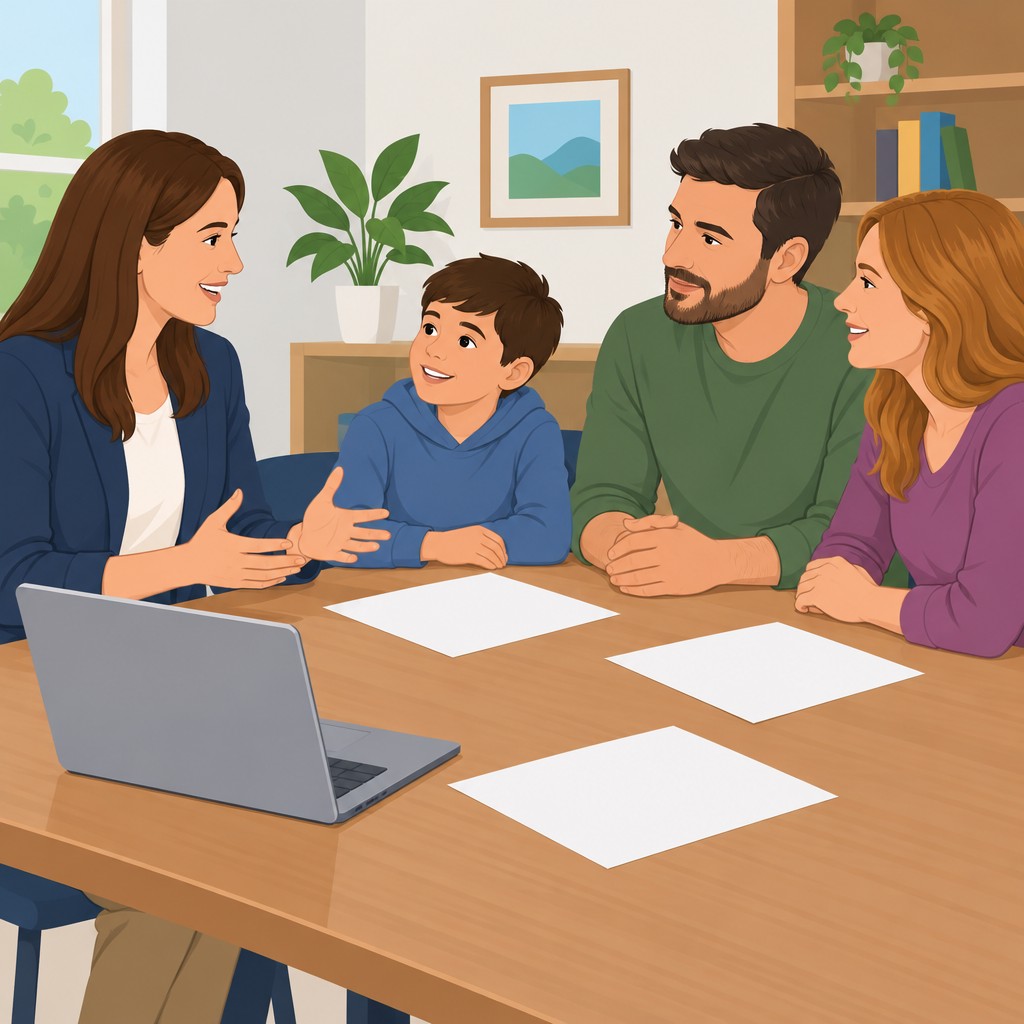
Family Input in Curriculum Planning
Families can identify life skills topics that reflect students’ everyday needs.
Instructors can use family feedback to refine curriculum content and learning activities.
This process gives families meaningful opportunities to shape instruction and support implementation.
- Send families surveys about relevant life skills topics.
- Invite families to review curriculum materials and suggest improvements.
- Organize workshops that explain the value of life skills education.
- Develop hands-on activities that families can use at home.
Supportive Family Participation
Open communication allows families to share questions, ideas, and concerns.
Accessible resources help families reinforce learning through practical activities and conversations.
Welcoming spaces encourage families, instructors, and students to participate respectfully.
- Maintain clear communication channels for family feedback.
- Provide materials that families can access when supporting learning.
- Build positive relationships among families, instructors, and students.
- Create welcoming settings for discussions and shared activities.
Family participation helps instructors align lessons with students’ interests and practical needs.
When families feel respected, they can engage more confidently in educational activities.
Instructors and families can work together to strengthen students’ preparation for everyday responsibilities.
Find Out More: School Social Workers: Supporting Special Education Students
Addressing Concerns and Conflict Resolution
Life skills instructors may face concerns while working with families.
Professional responses help maintain respectful communication during difficult situations.
Moreover, thoughtful conflict resolution supports a collaborative instructional environment.
Strategies for Addressing Concerns
- Listen actively to concerns raised by families without interrupting.
- Ask clarifying questions to understand the issue’s underlying cause.
- Show empathy by acknowledging family members’ feelings.
- Offer possible solutions or alternatives to address their concerns.
- Collaborate with the family to reach a mutual agreement.
Conflict Resolution Techniques
- Remain calm and composed throughout the resolution process.
- Acknowledge differing perspectives and validate the emotions involved.
- Focus on shared goals and find common ground with the family.
- Use active listening and empathy during communication.
- Seek the conflict’s underlying reasons and address them directly.
Handling difficult family situations requires empathy, communication, and problem-solving skills.
These strategies can foster positive relationships with families.
As a result, instructors can create supportive environments for life skills instruction.
Find Out More: Stress Management Techniques for Counselors
Recognizing Achievements with Families
Families can celebrate meaningful achievements alongside students.
These shared moments can highlight progress in life skills programs.
Schools can create opportunities for families to recognize completed work and important milestones.
- Host a family appreciation event and present certificates for completed life skills programs.
- Create a family achievement wall showcasing accomplishments from students and their families.
- Share success stories through newsletters or social media to involve families in celebrating milestones.
- Organize a family potluck where each family shares a favorite dish and celebrates together.
- Collaborate with families to plan a graduation ceremony honoring students’ program completion.
Appreciating Family Contributions to Learning
Families contribute important support throughout the learning process.
Recognizing their efforts shows appreciation for the encouragement they provide.
Furthermore, family involvement helps students practice life skills beyond the classroom.
- Recognize and thank families for supporting and encouraging students throughout the program.
- Invite families to participate in classroom activities as a sign of appreciation.
- Provide opportunities for families to share their unique skills and expertise with students.
- Acknowledge how families reinforce and practice life skills outside the classroom.
- Encourage open communication among instructors, students, and families to support learning.
Benefits of Family Collaboration in Life Skills Programs
Collaborating with families strengthens life skills programs.
Furthermore, family engagement makes learning more connected for individuals.
Regular communication keeps families and educators aligned during instruction.
Family involvement also adds practical support to educational activities.
Together, families and educators create a steady learning environment.
This partnership can help individuals achieve stronger results in their programs.


