




Broadcast Technician Responsibilities
Broadcast technicians help audio and video content reach audiences smoothly.
They support live news broadcasts and pre-recorded shows behind the scenes.
Without their expertise, technical glitches could disrupt the viewing experience.
These professionals work in radio stations, television studios, and on-location production environments.
Technical Skills and Industry Knowledge
Broadcast technicians set up, maintain, and repair essential equipment.
They improve media presentations by supporting clear and precise audio and video quality.
Consequently, their technical skills influence audience satisfaction and brand reputation.
Aspiring technicians should become familiar with audio and video equipment.
They also need knowledge of software used for editing.
Career Preparation and Professional Growth
Hands-on experience can provide valuable insight into broadcast technician careers.
For example, internships and part-time jobs can develop practical knowledge.
These opportunities can also create useful connections within the industry.
Furthermore, networking may strengthen future career prospects.
Continuous learning remains important in this fast-paced environment.
Technicians should monitor new technologies and changing industry trends.
Online courses, workshops, and certifications can expand their technical abilities.
Ultimately, passion, perseverance, practical experience, and lifelong learning support success in this field.
Understanding the Broadcast Technician Role
Broadcast technicians support radio, television, and digital media operations.
They operate electronic systems that carry audio and video signals to audiences.
Their work combines equipment management, technical judgment, and continuous problem-solving.
Broadcast Technician Duties and Responsibilities
Technicians prepare equipment before broadcasts begin.
They monitor signals and address technical problems during live transmissions.
They also maintain systems and coordinate technical needs with production teams.
- Set up equipment for radio and television broadcasts.
- Monitor broadcast signals to maintain quality.
- Troubleshoot technical issues during live broadcasts.
- Maintain and repair broadcasting equipment.
- Collaborate with producers and directors on technical requirements.
- Follow federal broadcasting regulations.
- Conduct regular equipment maintenance checks.
- Configure and operate audio and video systems.
Technicians handle routine maintenance and urgent repairs.
They must respond quickly when live transmissions experience unexpected difficulties.
Strong problem-solving skills help them keep equipment functioning effectively.
Broadcast Technologies and Work Environments
Broadcast technicians work across several technical environments.
Each environment requires specialized equipment and operating knowledge.
Technicians must adjust their methods as broadcasting systems continue changing.
- Radio: Technicians operate mixers and transmitters.
- They maintain clear signals and high sound quality.
- Television: Technicians work with cameras, switchers, and visual equipment.
- They help manage and improve image quality.
- Digital broadcasting: Technicians support satellite and internet broadcasting systems.
- They configure streaming software and manage bandwidth.
New systems require technicians to pursue continuous training.
Therefore, familiarity with technological trends remains important.
Adaptability helps technicians manage different broadcast platforms.
Skills and Knowledge for Broadcast Technicians
Successful technicians combine technical knowledge with strong workplace habits.
They must understand equipment operation and respond effectively under pressure.
They also need knowledge of broadcasting regulations and industry standards.
- Technical skills: Understand how broadcasting equipment operates.
- Attention to detail: Detect small errors before they create larger problems.
- Problem-solving skills: Develop practical responses to unexpected difficulties.
- Communication skills: Share information clearly with producers and colleagues.
- Time management: Balance several tasks under tight deadlines.
- Adaptability: Learn new tools and methods as technology changes.
FCC regulations and broadcasting standards guide compliant technical operations.
Technicians use this knowledge to support legal and reliable broadcasts.
Clear communication also helps production teams meet technical expectations.
Education and Professional Certifications
Employers accept varied educational backgrounds for broadcast technician positions.
Many employers prefer training in broadcasting, communications, or related fields.
Transform Your Career Today
Unlock a personalized career strategy that drives real results. Get tailored advice and a roadmap designed just for you.
Start NowSpecialized certifications can further demonstrate technical commitment.
- Associate’s degree in broadcast technology or a related field.
- Bachelor’s degree in communications or audio-visual arts.
- Certification programs focused on specific technologies, including digital broadcasting.
The Society of Broadcast Engineers offers certifications in various technical areas.
These credentials can strengthen a candidate’s professional profile.
They also show continued dedication to the broadcast technology profession.
Practical Experience and Industry Connections
Practical experience helps technicians apply classroom knowledge.
Hands-on assignments also build confidence with broadcast equipment.
Networking can connect aspiring technicians with useful professional opportunities.
- Complete internships at local radio or television stations.
- Participate in school or community media projects.
- Volunteer for technical roles during events or productions.
- Freelance on small technical projects and build a portfolio.
Professionals can expand their networks through conferences and industry associations.
Relationships with experienced workers may reveal future job opportunities.
Portfolio projects can provide evidence of practical technical abilities.
Continuous Learning in Broadcast Technology
Broadcast technology continues to evolve across traditional and digital platforms.
Technicians must regularly update their knowledge and operating skills.
Ongoing education supports career growth and future advancement.
- Attend workshops and seminars about emerging technologies.
- Join online forums and groups focused on broadcasting.
- Follow industry leaders and technology blogs for current information.
- Complete additional education courses.
Regular learning helps technicians remain competitive in the job market.
New training can prepare them for changing tools and production methods.
A learning-focused approach supports long-term effectiveness in technical roles.
Professional Growth for Broadcast Technicians
Broadcast technicians need both technical ability and dependable professional habits.
Radio, television, and digital broadcasting each require focused technical knowledge.
Experience, certification, and continuous learning can strengthen career development.
Technicians who adapt to new systems can support reliable media operations.
Educational Foundations for Broadcast Technicians
A strong educational foundation can help aspiring broadcast technicians enter this competitive field.
Associate and bachelor’s degrees provide valuable knowledge for different career goals.
Both pathways develop technical abilities and introduce important broadcasting concepts.
Internships can connect classroom learning with practical workplace experience.
- Associate Degree in Broadcasting: This two-year program covers audio production, video production, equipment operation, and broadcasting laws.
- Bachelor’s Degree in Technology or Broadcasting: This four-year program explores advanced production, media ethics, and digital broadcasting.
Students can choose a degree based on their preferred depth of study.
Hands-on practice strengthens technical confidence and supports future employment.
Additionally, internships help students apply academic knowledge in professional settings.
Vocational Training and Professional Certifications
Vocational training builds focused abilities that complement formal education.
Many employers value candidates who demonstrate practical preparation.
Certifications can also strengthen a resume and show dedication to broadcasting.
- Vocational Training Programs: These programs teach equipment operation, troubleshooting, and other broadcasting technology skills.
- Industry Certifications: The Society of Broadcast Engineers offers certifications such as Certified Broadcast Technologist and Certified Audio Engineer.
- Technical Skills Development: Workshops and seminars help professionals maintain current knowledge of broadcasting technology.
Specialized training can address specific equipment and production requirements.
Furthermore, continued learning supports long-term professional development.
Employers may recognize varied skills when evaluating candidates for advancement.
Online Courses and Flexible Learning Options
Online education gives aspiring broadcast technicians flexible ways to expand their knowledge.
These resources can support learners who need adaptable schedules.
Online programs also allow students to study from home.
- Online Degree Programs: Universities offer online degrees in broadcasting and media arts.
- Short Courses: Focused courses can develop skills in video editing or sound engineering within weeks.
- Webinars and Workshops: Industry professionals and organizations discuss broadcasting technologies and recommended practices online.
- Online Forums and Communities: Digital communities provide professional discussions, training resources, and networking opportunities.
Short courses let learners strengthen particular abilities without pursuing a complete degree.
Webinars can introduce participants to evolving technologies and professional practices.
Online communities may also support mentorship and career-related connections.
Continuous Learning for Career Development
Successful broadcast technicians continue developing their knowledge after completing formal education.
Transform Your Career Today
Unlock a personalized career strategy that drives real results. Get tailored advice and a roadmap designed just for you.
Start NowCombining degrees, vocational training, certifications, and online study creates a strong learning foundation.
Consistent skill development can prepare professionals for changes within the broadcasting field.
By selecting suitable educational options, aspiring technicians can pursue meaningful opportunities in broadcasting.
You Might Also Like: How to Pitch Ideas as a Creative Director
Practical experience is crucial for anyone aspiring to succeed as a broadcast technician.
Internships and entry-level positions provide essential hands-on knowledge that classroom education cannot offer.
They let you apply theoretical concepts in real-world scenarios while strengthening your skills and confidence.
Importance of Internships and Entry-Level Positions
Internships and entry-level positions act as stepping stones into the broadcasting industry.
They help you understand daily operations while preparing you for more challenging roles.
These opportunities also introduce professional standards, workflows, and problem-solving expectations.
- Hands-On Experience: You gain practical knowledge and understand how broadcasting operations flow.
- Skill Development: You develop technical skills with cameras, soundboards, and editing software.
- Confidence Building: Real-world exposure helps you become comfortable in fast-paced environments.
- Understanding Workflow: You learn how production processes connect different broadcasting roles.
- Problem-Solving: You handle real-time issues that require quick thinking and adaptation.
- Learning Industry Standards: You discover the professional standards and ethics expected in broadcasting.
Each experience lays groundwork for your future career.
Together, these opportunities deepen your industry knowledge and prepare you for advanced responsibilities.
Seeking Volunteer Opportunities
Volunteer work can strengthen your resume while providing valuable broadcasting experience.
Local radio and television stations may offer opportunities for people who show commitment and enthusiasm.
A proactive approach can help you discover openings and develop useful connections.
- Research Local Stations: Identify nearby media outlets, including large and small organizations.
- Visit Station Websites: Check career pages for volunteer listings and internship opportunities.
- Connect with Community Organizations: Explore groups that collaborate with media stations.
- Engage on Social Media: Follow local stations on Facebook and Twitter for updates.
- Attend Events: Participate in community events and job fairs hosted by broadcasters.
Volunteer work often creates networking opportunities and may lead to paid positions.
Showcase your dedication and enthusiasm during interviews.
Your initiative can demonstrate commitment to a broadcasting career.
Networking with Industry Professionals
Building a professional network can support your development as a broadcast technician.
Industry connections can create mentorship opportunities and expand your understanding of broadcasting careers.
Experienced professionals may offer feedback, guidance, and information about available positions.
- Attend Industry Events: Participate in conferences, workshops, and expos to meet experienced professionals.
- Join Professional Associations: Organizations such as the Society of Broadcast Engineers offer resources and connections.
- Utilize Social Media Platforms: Use LinkedIn and Twitter to connect with industry leaders.
- Engage with Alumni Networks: Use your school’s alumni network to find broadcasting mentors.
- Conduct Informational Interviews: Request conversations with professionals to learn about their careers.
Established professionals can provide guidance and introduce you to potential opportunities.
Mentors can review your work and connect you with job openings.
These relationships can support your progress throughout your career.
Tips for Building Successful Relationships
Networking involves more than collecting contacts.
Meaningful connections require authenticity, consistency, and mutual support.
Strong relationships can provide encouragement and direction during important career moments.
- Be Genuine: Show sincere interest in other people and their experiences.
- Follow Up: Send a thank-you note or email after meeting someone.
- Offer Help: Provide assistance when possible instead of only requesting support.
- Stay Informed: Follow industry trends and share relevant insights with your network.
- Be Persistent: Continue building connections despite occasional setbacks.
Supportive relationships can become a foundation for professional growth.
They can motivate you and provide guidance when you face difficult decisions.
Consistent communication helps maintain these valuable connections.
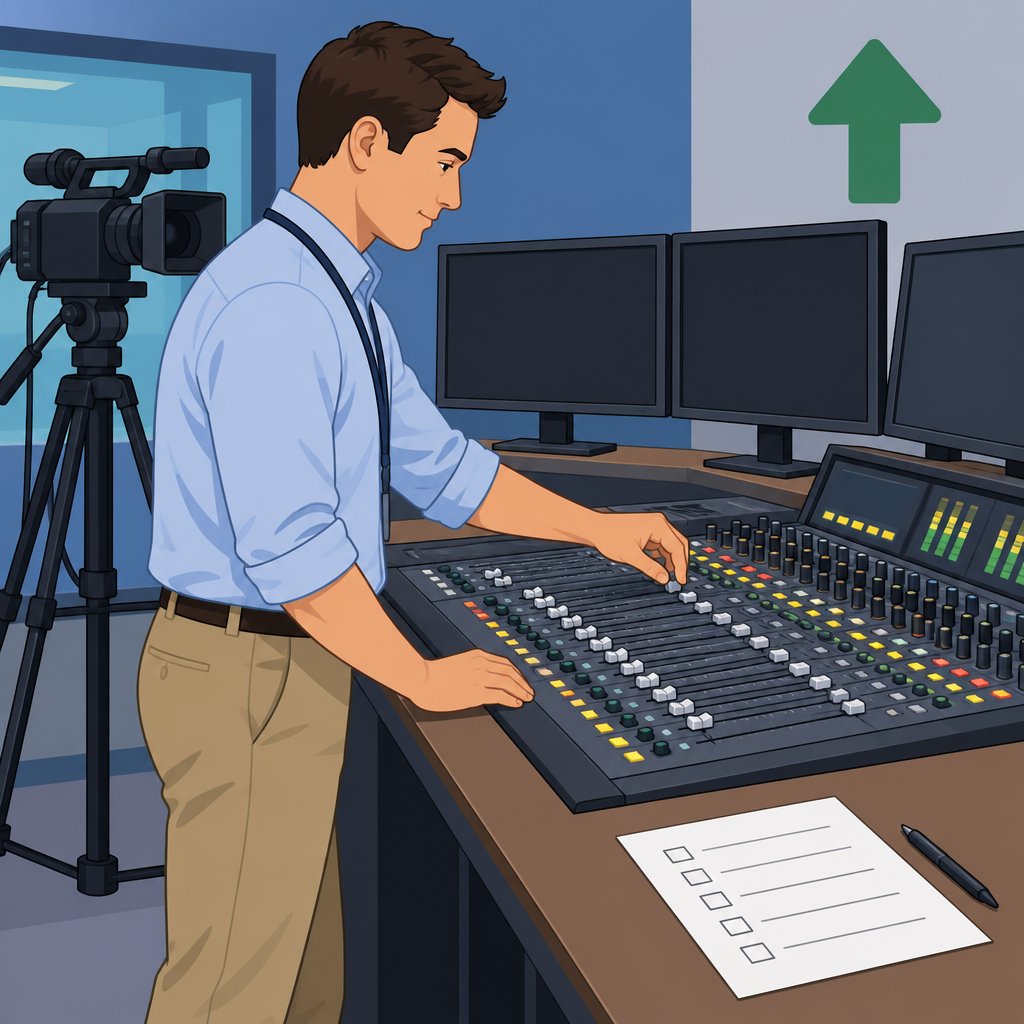
Practical Experience Transforms Your Career
Practical experience can prepare you for a successful career as a broadcast technician.
Internships and entry-level roles let you immerse yourself in broadcasting operations.
Volunteer work can strengthen your skills and expand your resume.
Professional networking can provide mentorship, guidance, and access to new opportunities.
Every experience can improve your abilities and broaden your industry awareness.
Remain persistent as you pursue experience and knowledge.
The broadcasting industry continues to change, requiring adaptability and ongoing learning.
Your commitment to growth can help establish your presence in the broadcasting field.
Each challenge can make you a stronger technician and professional.
Find Out More: How Publicists Help Launch Successful Products
Transform Your Career Today
Unlock a personalized career strategy that drives real results. Get tailored advice and a roadmap designed just for you.
Start NowDeveloping Technical Skills
Broadcast technicians need a broad technical foundation to perform effectively.
Broadcasting combines equipment, software, signals, lighting, and networked systems.
Building these abilities can improve your employability and workplace performance.
Essential Technical Skills
Several technical abilities support reliable broadcast production.
Practice helps you apply these skills with greater confidence.
Continued learning also prepares you for changing broadcast technologies.
- Audio and Video Editing: Learn Adobe Premiere Pro, Final Cut Pro, and Avid Media Composer.
- Equipment Operation: Practice operating cameras, microphones, mixers, and other professional equipment.
- Signal Processing: Study modulation and demodulation to improve signal troubleshooting.
- Lighting Techniques: Explore lighting setups that create effective visual results.
- Broadcast Engineering: Learn about frequencies, transmission methods, and antenna design.
- Troubleshooting Skills: Develop diagnostic habits that help you identify problems quickly.
- Networking Fundamentals: Understand IP addressing and network setup for broadcast systems.
- Software Proficiency: Practice using content management, automation, and virtual broadcasting tools.
Broadcasting Software and Hardware Integration
Successful broadcast technicians understand both software and hardware.
Hardware knowledge helps you operate, calibrate, and maintain equipment effectively.
Software knowledge supports content creation, automation, editing, and graphics production.
You must also understand how different tools work together.
Complex setups require careful coordination between physical equipment and digital systems.
Regular software updates make ongoing learning especially important.
Resources for Self-Learning
Self-directed study can strengthen your technical knowledge.
Formal courses and practical resources offer different ways to develop useful skills.
Choose resources that match your goals, experience, and preferred learning pace.
Online Tutorials
Online tutorials can explain specific broadcasting techniques clearly.
Platforms such as YouTube provide lessons from experienced professionals.
You can study difficult concepts at your own pace.
Forums and Communities
Online communities connect learners with people who share broadcasting interests.
Reddit and specialized forums allow you to ask questions and exchange knowledge.
These discussions can expose you to different technical viewpoints.
Community Colleges and Workshops
Community colleges and vocational schools may offer broadcast technician courses.
These programs can provide hands-on experience with equipment and software.
Workshops may focus on audio engineering or video production.
Books and Ebooks
Books and ebooks can reinforce lessons from other learning resources.
Look for guides covering broadcasting techniques and technologies.
Exercises and case studies can make technical concepts easier to understand.
Mentorship and Networking
Mentors can share industry experience and offer practical career guidance.
Industry events, conferences, and local meetups provide networking opportunities.
Conversations with experienced professionals can broaden your understanding of broadcasting.
Online Courses and Certifications
Online courses provide structured lessons for independent learners.
Platforms such as Coursera, Udemy, and LinkedIn Learning offer relevant training.
Certifications in specific broadcasting areas can demonstrate focused knowledge.
Continued Technical Skill Development
Strong technical skills support effective work as a broadcast technician.
Equipment operation, software proficiency, and troubleshooting all contribute to professional competence.
Regular learning helps you respond to changes within this dynamic field.
Use available resources and communities to support your ongoing development.
Uncover the Details: Broadcast Technician: Role in Media Production
Staying Updated with Industry Trends
Continuous learning helps broadcast technicians remain effective in a rapidly changing field.
Technology, software, and production methods continue to develop frequently.
Transform Your Career Today
Unlock a personalized career strategy that drives real results. Get tailored advice and a roadmap designed just for you.
Start NowTherefore, tracking industry trends supports professional growth and career advancement.
The Importance of Continuous Learning
The broadcast industry changes as new technologies replace older solutions.
Consequently, lifelong learning helps technicians maintain relevant knowledge and practical abilities.
This commitment also creates several professional advantages.
- Adaptability: Updated knowledge helps technicians adjust to evolving technologies and improve job performance.
- Innovation: Familiarity with emerging tools encourages creative approaches to engaging content.
- Career Opportunities: Employers value professionals who actively develop their knowledge and skills.
- Professional Networking: Learning activities connect technicians with peers and industry leaders.
Recommended Publications
Publications provide consistent access to broadcasting news, technical updates, and professional analysis.
Readers can compare viewpoints across engineering, television, audio, and business coverage.
Subscribing to relevant sources makes regular learning easier to maintain.
- Broadcast Engineering Magazine: This publication covers broadcasting technologies and technical methods.
- TV Technology: This magazine examines television technology, equipment reviews, and industry analysis.
- Pro Sound News: This source discusses sound technology, audio production, and broadcast techniques.
- Broadcasting & Cable: This magazine covers broadcasting business trends and regulatory changes.
Useful Websites and Blogs
Websites and blogs provide convenient access to articles, videos, tutorials, and current industry discussions.
These resources can supplement publication reading and support self-directed learning.
Bookmarking reliable platforms makes useful information easier to revisit.
- Broadcasting & Cable Online: Its online coverage provides timely broadcasting news and emerging trend features.
- TechHive: This website covers technology trends relevant to broadcasting professionals.
- Future Publishing websites: Creative Bloq and TechRadar offer information about developing technologies.
- Social Media and Professional Blogs: Industry experts share updates and insights through platforms such as LinkedIn.
Conferences and Workshops
Conferences and workshops offer direct exposure to current broadcasting technologies.
They also combine educational sessions with practical demonstrations and professional networking.
Attending these events can strengthen knowledge beyond individual study.
- NAB Show: This National Association of Broadcasters event features broadcasting technology sessions and exhibitions.
- IBC Conference: IBC serves professionals working in film, television, and electronic media.
- SBE National Meeting: The Society of Broadcast Engineers presents technical updates and industry advancements.
- Local Workshops: Educational institutions and associations may offer focused technology workshops.
The Role of Social Media
Social media supports both professional learning and industry networking.
Technicians can follow specialists, exchange ideas, and monitor discussions about broadcasting developments.
Active participation can also increase visibility within the professional community.
- Join Industry Groups: Facebook and LinkedIn host groups focused on broadcasting trends and technologies.
- Follow Thought Leaders: Industry figures on Twitter and LinkedIn share useful insights and updates.
- Participate in Discussions: Online conversations reveal different professional experiences and perspectives.
- Share Knowledge: Posting discoveries can encourage discussion and strengthen professional credibility.
Professional Organizations Supporting Career Development
Professional organizations provide structured ways to access training, resources, newsletters, and industry events.
Membership can help technicians organize their learning and connect with specialized communities.
These organizations also support continued engagement with broadcasting developments.
- The Society of Broadcast Engineers: SBE offers certifications, training, and networking opportunities.
- National Association of Broadcasters: NAB addresses broadcasting issues and provides educational resources.
- The Audio Engineering Society: AES supports audio technology professionals through resources, conferences, and publications.
- International Association of Broadcast Monitors: IABM provides information and resources for broadcast and media professionals.
Broadcast technicians strengthen their careers by monitoring industry trends and developing relevant knowledge.
Using publications, websites, events, social media, and organizations creates a balanced learning routine.
This proactive approach helps professionals remain prepared for changes in a fast-paced industry.
Gain More Insights: Top U.S. Media Careers That Are Shaping the Future
The Value of Networking in Broadcasting
Networking plays a crucial role in the broadcasting industry.
It connects broadcast technicians with peers, mentors, and industry leaders.
These relationships can create opportunities for employment, collaboration, and career advancement.
Technology and industry trends change rapidly.
A strong network helps professionals learn about new equipment, techniques, and job openings.
Networking can open doors that education and technical skills alone may not.
Building Professional Relationships in Broadcasting
Building a professional network requires intentional and consistent effort.
The following strategies can help broadcasting professionals develop valuable relationships.
- Attend Industry Events: Conferences, trade shows, and workshops help you meet professionals and learn about industry developments.
- Join Professional Organizations: Groups such as the Society of Broadcast Engineers provide resources and networking opportunities.
- Connect Locally: Local broadcasting groups and meetups can lead to collaborative projects and professional opportunities.
- Use Informational Interviews: Conversations with professionals can reveal career paths and demonstrate your genuine interest.
- Participate in Online Forums: Sharing insights and learning from others can establish you as a knowledgeable resource.
- Offer Help: Sharing information or assisting with projects builds trust and encourages professional reciprocity.
Using Social Media for Professional Networking
Social media platforms provide useful tools for professional networking.
LinkedIn and Twitter can help broadcasting professionals share knowledge and build visibility.
Consistent engagement allows professionals to develop connections across the broadcasting community.
Building Connections Through LinkedIn
- Create a Comprehensive Profile: Highlight your skills, experience, and certifications through a well-crafted LinkedIn profile.
- Engage with Content: Sharing relevant articles, insights, and experiences can increase your professional visibility.
- Connect Strategically: Personalize connection requests by explaining your interest in meeting each professional.
- Join Relevant Groups: Broadcasting groups provide spaces for discussion and knowledge sharing.
- Seek Recommendations: Recommendations from former colleagues can strengthen your credibility and highlight your work ethic.
Expanding Industry Awareness Through Twitter
- Follow Industry Leaders: Industry leaders often share insights and updates about broadcasting trends.
- Engage in Conversations: Replies and discussions can help establish your professional voice.
- Use Relevant Hashtags: Tags such as #Broadcasting and #TVTech can improve content discoverability.
- Create Original Content: Sharing broadcasting experiences and ideas can demonstrate your expertise.
- Participate in Twitter Chats: Real-time discussions can connect you with professionals who share your interests.
Strengthening a Broadcasting Career Through Relationships
Effective networking focuses on meaningful relationships rather than collecting contacts.
Genuine connections can provide valuable opportunities, knowledge, and professional insight.
Because broadcasting depends on collaboration, professionals benefit from maintaining an active network.
Attend events, participate online, and nurture relationships through consistent professional engagement.
Each connection may contribute to future growth within the broadcasting industry.
Preparing for Job Applications and Interviews
As a broadcast technician, you must showcase your skills effectively.
Transform Your Career Today
Unlock a personalized career strategy that drives real results. Get tailored advice and a roadmap designed just for you.
Start NowBecause the job market remains competitive, a strong resume and portfolio support your success.
The following strategies can help you prepare for applications and interviews.
Creating a Standout Resume
Your resume creates an important first impression.
Therefore, it should clearly present your skills and experience.
- Contact Information: Keep your phone number, email, and LinkedIn profile current.
- Tailored Objective Statement: Write a brief statement connecting your goals with broadcasting.
- Relevant Experience: Highlight related positions, internships, and projects.
- Technical Skills: List software, equipment, and systems that you operate proficiently.
- Education: Include degrees and certifications relevant to broadcasting.
- Achievements: Quantify accomplishments to demonstrate the value you provide.
- Formatting: Use a clean layout with consistent fonts and sizes.
These elements help your resume capture attention.
Keep the document concise, ideally using one page for entry-level positions.
Building a Portfolio
A portfolio complements your resume with visual evidence of your abilities.
It can also show employers how you apply technical knowledge.
- Media Samples: Include broadcast clips or technical work that displays varied skills.
- Project Descriptions: Explain your role and emphasize your specific contributions.
- Technical Diagrams: Feature setup diagrams or schematics that demonstrate technical understanding.
- Recommendation Letters: Add letters from supervisors or industry professionals who support your abilities.
- Contact Information: Make it easy for potential employers to reach you.
A well-organized portfolio can make you a memorable candidate.
Moreover, it gives hiring managers visual evidence of your experience.
Preparing for Common Interview Questions
Interviews can feel nerve-wracking.
However, preparation can reduce anxiety and improve your responses.
- What motivated you to pursue broadcasting? Describe your passion and relevant experiences.
- Describe your technical expertise. Discuss specific equipment and software you have used.
- How do you troubleshoot technical issues? Provide examples of solving problems under pressure.
- How do you work in a team? Share experiences where collaboration produced successful results.
- What are your broadcasting career goals? Answer honestly while showing ambition.
Practice your responses before the interview.
Additionally, mock interviews with friends or mentors can help refine your answers.
Demonstrating Technical Skills
Technical skills remain vital in broadcasting.
You should demonstrate those abilities clearly during your interview.
- Hands-On Experience: Discuss equipment you have used and explain your proficiency.
- Problem-Solving Stories: Describe situations where you resolved issues promptly.
- Technical Questions: Prepare for questions related to the position.
- Certifications: Highlight certifications that support your technical knowledge.
- Portfolio Pieces: Reference projects where you applied technical skills.
Besides technical abilities, soft skills also contribute to workplace success.
Employers value communication, flexibility, and teamwork.
Highlighting Soft Skills
Soft skills strengthen your technical abilities.
Use specific examples to show how you apply them.
- Communication: Speak clearly and confidently while giving specific examples.
- Team Collaboration: Describe how teamwork helped achieve a shared goal.
- Adaptability: Explain how you handled changes or unexpected challenges.
- Time Management: Describe how you prioritize tasks and meet deadlines.
- Learning Attitude: Express your willingness to learn and grow within broadcasting.
Employers also want technicians who interact well with others.
They value professionals who adapt effectively to changing situations.
Final Preparation Steps
As the interview approaches, complete several preparation steps.
These actions can help you present yourself with greater confidence.
- Research the Company: Learn about its mission, values, and recent projects.
- Dress Appropriately: Choose professional attire that matches the company culture.
- Prepare Questions: Develop questions that demonstrate enthusiasm and interest.
- Practice Good Body Language: Maintain eye contact and a confident posture.
- Follow-Up: Send a thank-you email after the interview.
These strategies can help you prepare effectively for applications and interviews.
Show your passion, skills, and readiness to contribute to broadcasting.
Building a Sustainable Broadcast Career
Successful broadcast technicians combine technical knowledge, clear communication, and practical problem-solving during demanding production situations.
These qualities help them respond effectively when broadcasts require quick decisions.
Moreover, curiosity encourages continued learning as broadcasting technologies and methods change.
Passion can sustain that effort and strengthen commitment to professional growth.
Challenges can become valuable opportunities to develop judgment, confidence, and resilience.
Therefore, aspiring technicians should approach each experience with dedication and openness to learning.
Those who combine preparation with adaptability can build a meaningful path in broadcasting.
Each new responsibility can reveal strengths while identifying areas that need further development.
Furthermore, sharing experiences and advice can encourage others entering the field.
An engaged community can promote continued learning and excellence across broadcasting.
Share your experiences or additional advice to help fellow broadcast technicians pursue their goals.
Additional Resources
Google search results for How to Succeed as a Broadcast Technician Media and Communication
Bing search results for How to Succeed as a Broadcast Technician Media and Communication


