




Understanding Gerontologists’ Roles
Myths about gerontologists affect perceptions and decisions regarding care for older adults.
Therefore, accurate information helps people understand their roles and contributions.
This understanding can strengthen appreciation for gerontology and support older individuals’ well-being.
Myth: Gerontologists Only Work With Older Adults
Gerontology studies aging rather than focusing only on older adults.
Therefore, gerontologists address aging issues with people of all ages.
- They collaborate with healthcare professionals to improve older adults’ quality of life.
- Additionally, gerontologists research biological, psychological, and social aspects of aging.
- They develop programs and policies that promote healthy aging for all age groups.
- Gerontologists also work in hospitals, research institutions, and community organizations.
Gerontologists and Physical Health
Gerontologists address more than mental health concerns in older adults.
They examine how aging affects the body and support broader health needs.
Therefore, their work can include physical care, prevention, and daily function.
- Gerontologists understand physical changes associated with aging.
- They consider physical health when evaluating an older adult’s complete needs.
- They can help connect physical concerns with appropriate healthcare support.
Physical Health Support from Gerontologists
Gerontologists assess physical conditions that commonly affect older adults.
They may address concerns such as arthritis, osteoporosis, and cardiovascular disease.
They also coordinate with healthcare professionals to create personalized care plans.
- Personalized plans can address physical and mental well-being together.
- Preventive care can help older adults maintain independence and quality of life.
- Health promotion strategies can support physical function and ongoing wellness.
Promoting Well-Being in Later Life
Gerontologists consider physical, mental, emotional, and social aspects of well-being.
They encourage exercise, nutrition, and stress management to support healthier lives.
They also provide counseling and support during age-related changes and challenges.
- A holistic approach helps connect health needs with everyday experiences.
- Lifestyle changes can help prevent chronic diseases and support ongoing health.
- Gerontologists help older adults pursue healthy and fulfilling lives.
See Related Content: Day in the Life of a Residential Counselor
Gerontologists Support More Than End-of-Life Care
Many people mistakenly associate gerontologists with end-of-life care.
However, these specialists address diverse needs throughout the aging process.
Their work can support well-being before end-of-life concerns arise.
- Gerontologists provide services beyond end-of-life care.
- They promote healthy aging and help prevent age-related diseases.
Services That Address Diverse Aging Needs
Gerontologists can conduct comprehensive assessments for older adults.
They can develop individualized care plans based on identified needs.
Additionally, they can coordinate services that support quality of life.
Strategies for Healthy Aging
Gerontologists emphasize nutrition, exercise, and social engagement.
These lifestyle factors can help older adults maintain health and well-being.
Moreover, specialists can help people make informed choices supporting wellness.
Preventing Age-Related Diseases
Gerontologists can identify risk factors through assessments and early intervention.
They address risks associated with Alzheimer’s, osteoporosis, and heart disease.
Through prevention and management, they can help improve quality of life.
Delve into the Subject: How to Create Engaging Health Education Content
Gerontologists Have Specialized Healthcare Expertise
Gerontologists receive specialized preparation for work related to aging.
They combine formal education, practical training, and continuing learning to support older adults effectively.
This preparation equips them to address biological, psychological, and social dimensions of aging.
Education and Training Prepare Gerontologists for Practice
Most gerontologists hold master’s or doctoral degrees in gerontology or related fields.
Their coursework examines physiology, psychology, and social policies affecting older adults.
Many also complete internships or practicums in healthcare settings before practicing.
- Gerontologists typically earn advanced degrees in gerontology or related disciplines.
- Their studies cover biological, psychological, and social aspects of aging.
- Internships and practicums provide valuable experience in healthcare settings.
- Continuing education helps gerontologists follow current research and best practices.
Gerontologists Bring Specialized Skills to Aging Care
Gerontologists understand how biological, psychological, and social factors influence aging.
They assess individual needs and develop care plans suited to each person.
Additionally, they navigate health and social systems while advocating for clients.
- Gerontologists evaluate the unique needs of older adults.
- They create individualized plans that address specific circumstances.
- They help clients navigate complex health and social systems.
- They understand age-related conditions and support appropriate management.
Explore Further: Addressing Behavioral Issues: School Social Worker Role
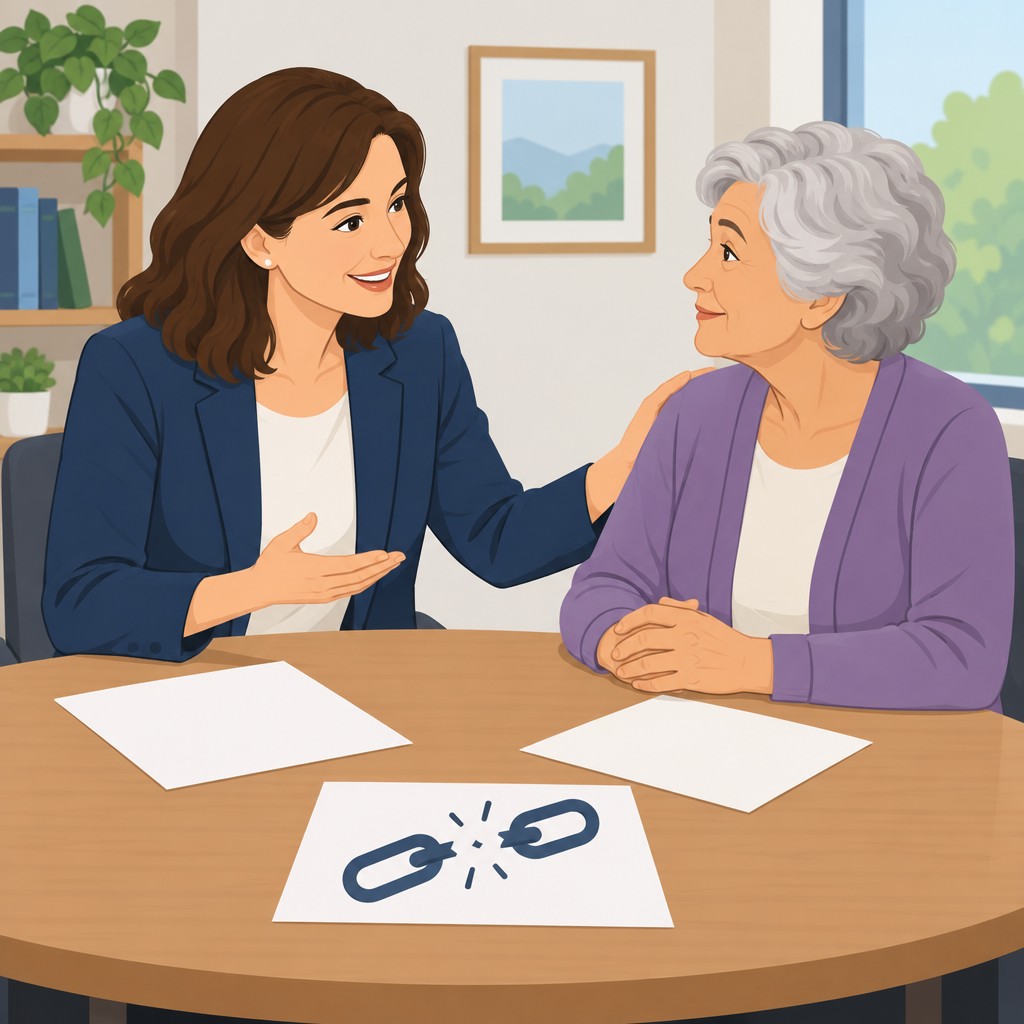
Gerontologists Are in High Demand
Contrary to popular belief, gerontologists are in high demand today.
The aging population creates greater need for professionals who understand gerontology.
Transform Your Career Today
Unlock a personalized career strategy that drives real results. Get tailored advice and a roadmap designed just for you.
Start NowConsequently, gerontology offers a promising and rewarding career path.
Population Changes Increase Demand
The United States has a rapidly growing population of adults aged 65 and older.
According to the U.S. Census Bureau, all baby boomers will exceed age 65 by 2030.
Therefore, this demographic shift will increase demand for gerontologists across several fields.
- The United States has a growing population of adults aged 65 and older.
- All baby boomers will be older than age 65 by 2030.
- This demographic change will increase demand for gerontologists.
Growing Need for Gerontology Specialists
As the population ages, organizations need more professionals who specialize in gerontology.
Gerontologists address the distinct needs and challenges that aging individuals experience.
Additionally, they provide holistic support that can enhance older adults’ quality of life.
- Gerontologists address the unique needs of aging individuals.
- They respond to challenges associated with aging.
- They provide holistic care and support for older adults.
Employment Opportunities Across Multiple Settings
Gerontologists can pursue employment in healthcare, residential care, public service, and education.
For example, hospitals and senior living communities employ professionals with gerontology expertise.
Furthermore, government agencies, nonprofits, research institutions, and academic settings offer additional opportunities.
- Hospitals and healthcare facilities employ gerontologists.
- Senior living communities and retirement homes provide employment opportunities.
- Government agencies and nonprofit organizations hire gerontology professionals.
- Research institutions and academic settings support gerontology careers.
Demand for gerontologists should continue increasing as the aging population grows.
This expanding need makes gerontology a promising career choice.
Discover More: Developing Volunteer Appreciation Programs
Myth: Gerontologists Only Focus on Individual Clients
Many people believe gerontologists only work with individual clients.
They may provide direct services, including counseling or medical care.
However, gerontologists also advocate for policies and improve community services for older adults.
Advocacy for Policy Changes
Gerontologists advocate for policy changes at local, state, and national levels.
They address the needs of older adults through public programs and community initiatives.
Additionally, they work with policymakers to develop programs that benefit older adults.
- Gerontologists collaborate with government agencies and nonprofit organizations to influence policy decisions affecting older adults.
- They conduct research that supports policy recommendations and encourages meaningful change.
- Furthermore, gerontologists educate the public about issues affecting older adults.
Improving Community Services
Gerontologists also work to improve community services for older adults.
They identify service gaps and develop solutions that connect older adults with needed resources.
Moreover, their efforts can strengthen support systems and improve daily quality of life.
- Gerontologists collaborate with community organizations to develop programs for older adults.
- They support expanded transportation, housing, and social activity services.
- Gerontologists promote age-friendly environments that encourage healthy aging and social inclusion.
The Importance of a Holistic Approach to Gerontology
Gerontology is a multidisciplinary field that addresses the needs of older adults.
A holistic approach considers social, economic, and environmental factors together.
As a result, gerontologists examine how different life circumstances affect overall well-being.
- Gerontologists combine knowledge from psychology, sociology, public health, and economics.
- They address social determinants such as poverty, discrimination, and healthcare access.
- They encourage collaboration among healthcare providers, social service agencies, and community organizations.
Through this broader approach, gerontologists can enhance quality of life and promote healthy aging within communities.
Why Accurate Information About Gerontologists Matters
Debunking myths about gerontologists helps dispel misinformation and clarify the purpose of this field.
Furthermore, accurate information can promote a better understanding of gerontology.
Challenging stereotypes also supports more informed perceptions of gerontologists and their work.
Ultimately, recognizing their valuable role can help improve outcomes for older adults.
Additional Resources
Google search results for Common Myths About Gerontologists Debunked Social and Human Services
Bing search results for Common Myths About Gerontologists Debunked Social and Human Services


