




Introduction
Incident response involves detecting, responding to, and managing security breaches.
Professionals in this field protect organizations from security threats.
They ensure data integrity, confidentiality, and availability.
As cyber threats grow, organizations increasingly need skilled responders.
Cybersecurity incidents can occur at any moment.
Businesses face ransomware, phishing attacks, and data breaches daily.
Effective incident response minimizes damage and speeds recovery.
This field protects assets and fosters trust with clients.
Without a solid incident response plan, organizations can suffer significant financial losses.
Regulatory fines, reputational damage, and lost revenue may follow a breach.
Therefore, incident response forms an integral part of an organization’s cybersecurity strategy.
This blog post guides aspiring professionals in building careers in incident response.
We will cover essential skills, certifications, and resources.
Each component can help aspiring professionals navigate this growing field effectively.
A career in incident response requires a clear understanding of its core principles.
These principles guide decisions before, during, and after security incidents.
They also provide a framework for developing practical skills and professional judgment.
Core Principles of Incident Response
Incident response uses a structured approach for handling security breaches and attacks.
Each phase requires specific actions, priorities, and considerations.
Together, these phases help teams manage incidents more consistently.
- Preparation: Teams develop readiness for potential incidents.
- Identification: Responders detect and verify incidents quickly.
- Containment: Teams limit the damage caused by incidents.
- Eradication: Responders remove the incident’s cause from the environment.
- Recovery: Teams restore systems and operations to normal conditions.
- Lessons Learned: Teams review their response and improve future actions.
Preparation may include creating an incident response plan.
Identification may involve tools that recognize suspicious activity quickly.
Later phases focus on limiting harm, removing threats, and restoring services.
Common Incidents and Response Strategies
Incident responders commonly address several types of security events.
Recognizing these events helps professionals select suitable response actions.
Each incident type presents different risks and operational challenges.
- Malware Infections: Malicious software compromises systems or devices.
- Phishing Attacks: Deceptive messages attempt to steal sensitive information.
- DDoS Attacks: Excessive requests overwhelm systems and disrupt services.
- Data Breaches: Unauthorized access exposes sensitive information.
- Insider Threats: Employees or contractors misuse authorized access.
For malware infections, responders should use removal tools promptly.
They can then restore compromised systems from backups.
For phishing attacks, organizations should train employees and deploy email filters.
During DDoS attacks, teams can filter traffic and apply rate limits.
Strong access controls and regular audits help address data breaches.
User monitoring and strict access policies help manage insider threats.
Incident Response Tools and Technologies
Incident response tools support detection, investigation, and incident management.
Learning these technologies strengthens practical response capabilities.
Hands-on practice can make technical concepts easier to apply.
- SIEM: Security information and event management platforms analyze security data in real time.
- SIEM Examples: Splunk and IBM QRadar provide SIEM capabilities.
- Intrusion Detection Systems: IDS tools monitor network traffic for suspicious activity.
- IDS Examples: Snort and Suricata support intrusion detection.
- Endpoint Detection and Response: EDR tools provide visibility into endpoint activity.
- EDR Examples: CrowdStrike and Symantec Endpoint Protection support endpoint monitoring.
- Forensic Tools: These tools assist with breach investigation and analysis.
- Forensic Examples: FTK Imager and EnCase support forensic analysis.
- Vulnerability Scanners: These tools identify weaknesses in systems.
- Scanner Examples: Nessus and Qualys identify security weaknesses.
A lab environment can provide valuable practice with incident response technologies.
Practical exercises also help connect tools with response procedures.
Consistent experimentation improves familiarity with technical workflows.
Education and Professional Certification
Incident response changes quickly, so professionals must continue learning.
Formal education can provide useful foundations in cybersecurity or computer science.
Transform Your Career Today
Unlock a personalized career strategy that drives real results. Get tailored advice and a roadmap designed just for you.
Start NowCertifications can also demonstrate knowledge and support career development.
- Formal Education: Degrees can establish foundational technical knowledge.
- Certifications: Industry credentials can validate relevant skills.
- CISSP: The Certified Information Systems Security Professional credential supports security expertise.
- CISM: The Certified Information Security Manager credential supports security management knowledge.
- CEH: The Certified Ethical Hacker credential supports ethical hacking knowledge.
- GIAC: Global Information Assurance Certification offers industry-recognized credentials.
- Online Courses: Specialized courses provide flexible learning opportunities.
Employers often view recognized credentials as evidence of professional expertise.
Online courses allow learners to continue studying while managing other responsibilities.
Combining education, certification, and practice can strengthen career preparation.
Professional Networking and Community Participation
Professional relationships can support growth within incident response.
Community participation can expose practitioners to industry trends and emerging technologies.
Active involvement may also create opportunities to exchange practical knowledge.
- Attend Conferences: Black Hat and DEF CON connect participants with industry leaders.
- Join Local Meetups: Local cybersecurity groups help professionals connect with peers.
- Contribute to Forums: Reddit and specialized forums support online discussions.
- Volunteer: Professionals can offer skills to nonprofit organizations or educational institutions.
Networking can provide insight into changing expectations within the field.
It can also help professionals discover potential career opportunities.
Regular engagement keeps practitioners connected to the broader cybersecurity community.
Building a Sustainable Incident Response Career
Incident response careers require technical knowledge, practical experience, and continued development.
Learning common incidents and response strategies improves preparedness.
Training with relevant tools builds confidence during investigations.
Education, certifications, and networking can further support professional progress.
With consistent effort, professionals can develop meaningful careers in this critical domain.
Develop Technical Skills
Technical skills help incident responders investigate events and choose suitable actions.
Build those skills through structured study, practical exercises, and regular review.
Consistent practice strengthens technical judgment and supports effective incident handling.
Networking, Operating Systems, and Cybersecurity Principles
Networking knowledge helps responders understand how security events move through systems.
Operating system knowledge supports accurate investigation across common computing environments.
Cybersecurity principles guide decisions involving confidentiality, integrity, and availability.
- Understand Networking Fundamentals: Study TCP/IP, DNS, DHCP, and subnetting to recognize network activity.
- Explore Operating Systems: Learn Linux and Windows architectures because incidents often involve these platforms.
- Study Cybersecurity Principles: Apply confidentiality, integrity, and availability when planning response strategies.
- Learn About Threats and Vulnerabilities: Review common threats and vulnerabilities to understand possible attacks.
- Familiarize Yourself with Security Policies: Study organizational policies and compliance requirements before responding to incidents.
Forensic Tools and Malware Analysis
Forensic tools help responders recover and examine data during security investigations.
Malware analysis reveals how malicious software operates and affects systems.
Log analysis and SIEM platforms provide additional insight into security events.
- Familiarize Yourself with Forensic Tools: Practice with EnCase, FTK, and Sleuth Kit for data recovery.
- Practice Malware Analysis: Examine malicious software with IDA Pro, OllyDbg, and VirusTotal.
- Utilize SIEM Systems: Explore Splunk and the ELK stack to review security events.
- Develop Log Analysis Skills: Examine firewall, server, and application logs for possible incidents.
- Test Your Skills with Virtual Labs: Use Cyber Range or TryHackMe for controlled practical exercises.
Hands-on Exercises for Technical Proficiency
Practical exercises turn technical concepts into repeatable investigation skills.
Controlled environments allow responders to practice without disrupting operational systems.
Collaboration also exposes learners to different methods for solving security problems.
- Participate in Capture The Flag Competitions: Solve challenges that simulate real-world incident scenarios.
- Engage in Bug Bounty Programs: Identify and report vulnerabilities through available company programs.
- Set Up a Home Lab: Create vulnerable systems for practicing exploitation and security improvements.
- Collaborate with Peers: Join online communities or local meetups to exchange knowledge.
- Follow an Online Curriculum: Use Coursera, Udemy, or Cybrary for structured learning paths.
Embrace Lifelong Learning
Incident response changes as technology, threats, and defensive practices develop.
Continuous learning helps responders recognize new information and adjust their methods.
Regular study also strengthens professional awareness and practical judgment.
- Subscribe to Industry News: Follow Krebs on Security or Threatpost for current cybersecurity information.
- Attend Conferences and Workshops: Participate in Black Hat or DEF CON to learn and network.
- Engage in Online Forums: Read discussions on Reddit’s /r/netsec community to follow industry trends.
- Read Cybersecurity Books and Research Papers: Study incident response material and case studies.
- Join Professional Associations: Explore resources from (ISC)2 or ISACA to support continued development.
Develop Soft Skills
Technical ability alone does not cover every requirement of incident response.
Clear communication helps teams understand technical findings and urgent priorities.
Teamwork, decision-making, and emotional awareness support professional responses under pressure.
- Improve Communication Skills: Explain technical concepts clearly to people without technical backgrounds.
- Enhance Team Collaboration: Join group projects or accept team roles to practice cooperation.
- Practice Decision-Making: Complete simulations that require quick and careful responses.
- Cultivate Emotional Intelligence: Manage your emotions while recognizing how others respond to stress.
- Seek Feedback: Ask peers and mentors for constructive advice about areas needing improvement.
A balanced development plan combines technical practice, continuous learning, and interpersonal growth.
These efforts prepare you to communicate clearly, investigate carefully, and adapt during incident response work.
Discover More: Building a Career in IT Change Management: Tips and Advice
Pursue Relevant Education and Training
Building an incident response career requires a strong educational foundation.
Begin with relevant education in cybersecurity or information technology.
Higher education institutions offer programs that address the technology industry’s changing needs.
Consider Obtaining a Degree
Choose an academic program that supports your career goals.
Transform Your Career Today
Unlock a personalized career strategy that drives real results. Get tailored advice and a roadmap designed just for you.
Start NowCybersecurity, computer science, and information technology degrees can provide valuable preparation.
Prioritize programs that include practical laboratories and realistic security scenarios.
- An associate degree provides essential knowledge and skills through a two-year program.
- A bachelor’s degree often creates broader employment opportunities through four years of study.
- A master’s degree develops advanced knowledge and increases professional marketability.
- Online degrees offer flexible study options for people managing work or family responsibilities.
Coursework commonly includes network security, system administration, and ethical hacking.
Furthermore, laboratory work and realistic exercises strengthen your learning experience.
Hands-on training helps you apply classroom knowledge to incident response situations.
Earn Professional Certifications
After completing relevant education, pursue certifications that strengthen your professional credibility.
Certifications demonstrate practical knowledge and sustained commitment to cybersecurity.
Several credentials can support different stages of an incident response career.
- Certified Incident Handler (GCIH): This credential focuses on recognizing and responding to security incidents.
- Certified Ethical Hacker (CEH): This certification covers hacking techniques used to identify vulnerabilities.
- CompTIA Security+: This foundational credential introduces essential security concepts.
- CompTIA Cybersecurity Analyst (CySA+): This certification emphasizes behavioral analytics and defensive improvement.
- CISSP: This widely recognized certification represents advanced information security expertise.
Certification providers offer study materials that support exam preparation.
Use online courses, study guides, and practice tests to review important concepts.
Set aside regular study time and practice consistently before taking an exam.
Attend Workshops, Conferences, and Training Sessions
Incident responders must follow cybersecurity changes because threats and defenses evolve quickly.
Therefore, attend educational events that expand your knowledge and professional network.
These opportunities can introduce you to tools, techniques, and industry professionals.
- Workshops: Local workshops provide hands-on practice with specific tools and techniques.
- Conferences: Black Hat and DEF CON feature expert sessions about current cybersecurity trends.
- Webinars: Reputable organizations often host free presentations about emerging security topics.
- Meetups: Local cybersecurity clubs connect learners with professionals in their communities.
- Vendor Training: Security vendors teach participants how to use their products and services.
Attending these events helps you learn current security tools and response techniques.
Meanwhile, professional conversations can reveal employment opportunities and collaborative projects.
Consistent networking strengthens relationships that can support your career development.
Use Additional Learning Resources
Structured education provides a foundation, while independent resources support continued growth.
Use several resource types to reinforce concepts and follow industry developments.
Regular study can deepen your understanding of incident response practices.
- Online Courses: Coursera, Udemy, and edX offer cybersecurity-related courses.
- Books: Cybersecurity and incident response books explain principles and response strategies.
- Blogs and Websites: Krebs on Security and the SANS Internet Storm Center provide updates.
- YouTube Channels: Video lessons can explain complex concepts in accessible ways.
- Podcasts: Cybersecurity podcasts help you follow developments while traveling or working.
Combine these resources with practical exercises to reinforce your technical understanding.
Additionally, consistent engagement helps you recognize changing industry patterns.
Review material regularly so important concepts remain accessible during future investigations.
Gain Practical Experience
After developing your educational background, seek opportunities to practice your skills.
Theoretical knowledge matters, but hands-on work builds confidence and investigative ability.
Practical experience also gives you specific examples for future job applications.
- Internships: Security firm internships provide exposure to workplace practices and mentorship.
- Entry-Level Positions: Security analyst and support technician roles can develop foundational experience.
- Volunteer Work: Nonprofits and small businesses may need assistance with cybersecurity practices.
- Personal Projects: Virtual machines can help you simulate attacks and defensive responses.
- Competitions: Capture The Flag competitions test skills through realistic security challenges.
Each activity can strengthen your resume and demonstrate commitment to incident response.
Moreover, repeated practice helps you apply security concepts under realistic conditions.
Document your projects so employers can understand your developing capabilities.
Network Within the Industry
Professional networking can support long-term career development in cybersecurity.
Meaningful connections can expose you to employment opportunities and collaborative work.
Approach networking as an ongoing exchange of knowledge and professional support.
- Professional Organizations: Organizations like (ISC)2 and ISACA provide networking opportunities.
- Social Media: LinkedIn helps you connect with experts and share relevant content.
- Local Meetups: Cybersecurity meetups introduce you to professionals in your area.
- Alumni Networks: Educational connections can provide advice and professional introductions.
- Event Volunteering: Helping organize events creates opportunities to meet industry professionals.
Maintain professional relationships by communicating respectfully and sharing useful information.
Likewise, mentors and peers can offer guidance as your experience grows.
Education, certification, practice, and networking can prepare you for incident response roles.
Explore Further: How to Write Effective Test Cases for Software QA
To build a solid incident response career, focus on communication and problem-solving.
These skills form the backbone of effective incident management.
Without them, technical abilities may not reach their full potential.
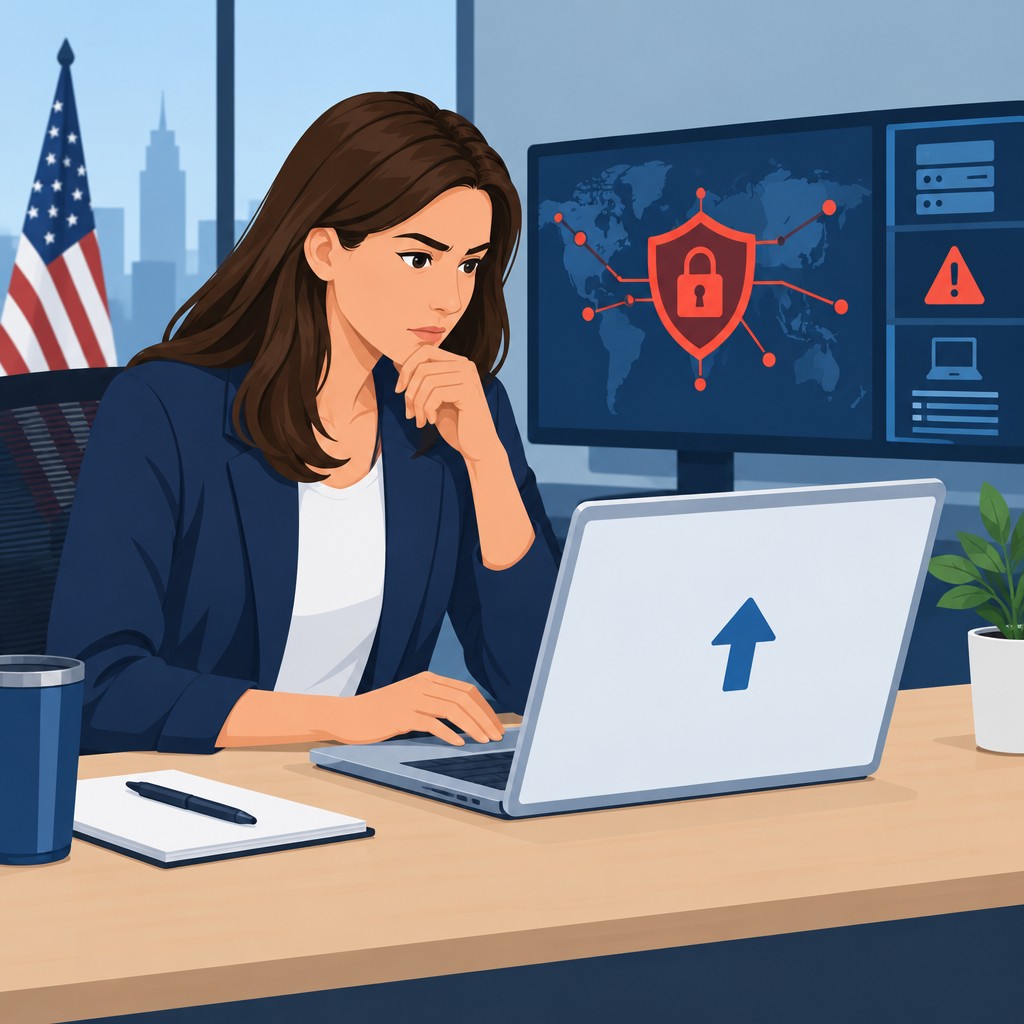
Strong Written and Verbal Communication Skills
Incident response success requires more than technical ability.
Transform Your Career Today
Unlock a personalized career strategy that drives real results. Get tailored advice and a roadmap designed just for you.
Start NowClear communication strongly influences how teams handle incidents.
Use the following activities to strengthen written and verbal communication skills.
- Engage in Public Speaking: Join organizations like Toastmasters to practice public speaking and build presentation confidence.
- Take Writing Courses: Study technical writing or business communication to document incidents clearly.
- Practice Active Listening: Focus on understanding others to improve communication and strengthen team rapport.
- Read Incident Reports: Review existing reports to learn how professionals explain complex information clearly.
- Participate in Training Sessions: Attend or lead sessions that explain technical concepts to nontechnical audiences.
Clear writing and speaking create common ground during incident response.
Because teams include diverse roles, effective communication keeps everyone aligned.
Additionally, clear findings and recommendations help teams streamline operations.
Effective Performance Under Pressure
Incident responders routinely manage time-sensitive situations.
Stress can interfere with sound decisions and clear communication.
Develop pressure-handling techniques to maintain focus during difficult incidents.
- Simulate Incident Scenarios: Join tabletop exercises that encourage critical thinking and decisive action.
- Develop Stress-Management Techniques: Practice mindfulness, meditation, or breathing exercises to remain calm.
- Practice Time Management: Prioritize tasks so urgent issues receive appropriate attention.
- Reflect on Past Incidents: Examine decisions affected by pressure and identify ways to improve.
- Seek Feedback: Ask peers for performance feedback after managing an incident.
Pressure management improves incident response effectiveness.
Responders must make rapid decisions while communicating those decisions clearly.
Therefore, practice managing stress without sacrificing clarity or composure.
Collaboration Across Teams and Stakeholders
Incident response rarely succeeds as a solo effort.
Collaborative work supports thorough incident examination and coordinated action.
Responders often communicate with multiple departments and stakeholders.
- Join Cross-Functional Projects: Volunteer for projects involving multiple teams and perspectives.
- Attend Team-Building Activities: Strengthen relationships that support cooperation during incidents.
- Establish Clear Roles: Define responsibilities to prevent confusion and improve teamwork.
- Facilitate Open Communication: Encourage discussion so team members can share important information.
- Develop Conflict Resolution Skills: Address disagreements constructively to protect team effectiveness.
Collaboration strengthens the incident response process.
Each participant may contribute skills that help resolve incidents efficiently.
By practicing collaboration, you build relationships that expand your response capabilities.
Integrated Incident Response Capabilities
Communication and problem-solving create a strong foundation for incident response careers.
Written and verbal communication help responders present findings clearly.
Pressure management supports effective decisions during high-stress situations.
Cross-functional collaboration creates a more comprehensive approach to incident management.
Invest time in training, critical discussions, and realistic practice.
Over time, these efforts can strengthen your ability to manage complex scenarios.
Combining technical knowledge with communication and problem-solving skills supports success in incident response.
See Related Content: Pros and Cons of Being a Digital Transformation Specialist
Building Career Experience Through Practice
Practical experience strengthens the knowledge required for incident response work.
Hands-on activities help you apply concepts during realistic security situations.
Additionally, direct experience develops confidence, judgment, and familiarity with response processes.
Internships and Entry-Level Roles
Internships and entry-level positions reveal how organizations manage security incidents.
These roles may include daily responsibilities connected to incident management.
Therefore, target opportunities that provide exposure to cybersecurity teams and response activities.
- Research Organizations: Identify companies with cybersecurity teams and incident response responsibilities.
- Tailor Your Resume: Highlight relevant coursework, projects, and certifications.
- Network: Meet professionals at cybersecurity conferences, workshops, and industry events.
- Apply Broadly: Consider smaller companies that may offer meaningful hands-on experience.
- Use Job Boards: Search LinkedIn, Indeed, and industry-specific websites for openings.
During an internship, observe experienced professionals and ask focused questions.
Also, participate in different projects to expand your understanding of response tools and procedures.
Volunteer Projects and Capture the Flag Competitions
Volunteer projects let you apply cybersecurity knowledge while supporting organizations with limited resources.
Community initiatives can also provide opportunities to explain security concepts and prepare educational materials.
Meanwhile, Capture the Flag competitions create controlled environments for practicing investigation and technical problem solving.
- Nonprofit Organizations: Help secure networks and address cybersecurity needs.
- Local Community Initiatives: Support cybersecurity awareness workshops and training materials.
- Educational Institutions: Assist with cybersecurity events and mentor interested students.
CTF challenges can cover network attacks, forensics, web exploitation, and cryptography.
Furthermore, team-based competitions develop communication and collaboration skills.
Hands-On Portfolio Development
A portfolio gives employers clear evidence of your incident response abilities.
It should show how you approached challenges and resolved practical problems.
Transform Your Career Today
Unlock a personalized career strategy that drives real results. Get tailored advice and a roadmap designed just for you.
Start NowKeep each project organized so readers can understand your contributions quickly.
- Document Projects: Describe the work, challenges, and solutions clearly.
- Share Blog Posts: Explain cybersecurity insights and practical experiences.
- Maintain a GitHub Repository: Publish response scripts, tools, and open-source contributions.
- Include Certifications: Display relevant credentials, including CompTIA Security+ or Certified Ethical Hacker.
Update your portfolio as your skills and responsibilities grow.
When applying for positions, provide a direct link to your work.
Lessons from Real Security Incidents
Real incident reviews demonstrate how response teams handle changing conditions.
They also reveal how organizations assess damage and improve future decisions.
Study each case carefully instead of focusing only on its final outcome.
- Incident Timeline: Trace events to understand how the situation developed.
- Response Strategies: Compare actions that succeeded with actions that failed.
- Impact Assessment: Examine effects on organizations and stakeholders.
- Best Practices: Identify useful methods for future response situations.
Reviewing past incidents improves your ability to recognize patterns and evaluate response choices.
Continue studying new cases to remain prepared for changing cybersecurity conditions.
Professional Networking and Mentorship
Professional networks support knowledge sharing and expose you to potential career opportunities.
Meetups, workshops, and conferences can connect you with experienced incident response practitioners.
Approach these conversations with thoughtful questions and genuine interest.
- Join Professional Associations: Participate in groups such as the Information Systems Security Association.
- Engage on Social Media: Follow and discuss cybersecurity topics with professionals on Twitter and LinkedIn.
- Participate in Forums: Contribute to discussions on Reddit and specialized incident response forums.
- Request Informational Interviews: Ask professionals about their experiences and career advice.
Networking can lead to mentorship and broader professional relationships.
Experienced practitioners can offer perspectives that accelerate your development.
By combining practice, reflection, and networking, you can steadily build an incident response career.
Gain More Insights: Transitioning to a Digital Transformation Specialist Role
Networking with Industry Professionals
Building an incident response career requires more than technical skills.
A strong professional network can provide opportunities, mentorship, and practical industry knowledge.
Therefore, connect consistently with professionals who share your interests and career goals.
Professional Organizations for Cybersecurity Networking
Professional organizations can expand your network and provide useful resources.
Members often share experiences through forums, committees, and project teams.
Active participation can increase your visibility while helping you learn from experienced professionals.
- ISACA: This organization focuses on IT governance and cybersecurity.
- (ISC)2: This organization offers certifications and networking opportunities.
- SANS Institute: This institute provides training and supports a strong community.
- Cybersecurity and Infrastructure Security Agency: CISA offers resources and networking events.
- International Association of Privacy Professionals: IAPP focuses on privacy laws and regulations.
Industry Conferences and Local Cybersecurity Meetups
Industry events allow you to meet cybersecurity professionals in person.
Meanwhile, local meetups often create smaller settings for focused conversations.
Prepare to introduce yourself, attend sessions, and discuss shared professional interests.
- Black Hat: This conference focuses on advanced information security knowledge.
- DEF CON: This convention brings together a large hacker community.
- RSA Conference: This event serves information security professionals.
- Infosecurity Europe: This event focuses on information security.
- CISO Summit: This summit serves senior security professionals and CISOs.
Workshops and presentations can help you develop useful industry connections.
After a presentation, approach speakers with a respectful introduction and thoughtful question.
Additionally, Meetup.com may help you find cybersecurity gatherings near you.
Mentorship from Incident Response Professionals
A mentor can help you navigate professional decisions and identify useful career skills.
Begin by identifying professionals whose work aligns with your interests.
Then, send a personalized message that explains your admiration and learning goals.
- Identify potential mentors: Choose professionals whose work you respect.
- Act proactively: Contact them with a thoughtful, personalized message.
- Attend their talks: Speak with them after their presentations.
- Use LinkedIn: Connect with professionals and engage with their content.
- Offer assistance: Volunteer to support appropriate research or projects.
Ask insightful questions during mentor conversations.
This approach demonstrates commitment and encourages meaningful professional guidance.
Mentors can discuss career paths, industry trends, and essential capabilities.
Social Media and Online Cybersecurity Communities
LinkedIn and Twitter can help you maintain regular contact with industry professionals.
Share useful incident response content and contribute thoughtful comments to relevant discussions.
Consistency helps you build visibility and maintain professional relationships over time.
- Share relevant content: Post articles or insights about incident response.
- Follow industry leaders: Monitor updates from established cybersecurity professionals.
- Join discussions: Contribute to relevant groups and conversation threads.
- Use hashtags: Apply industry-specific hashtags to increase visibility.
- Join online communities: Participate in cybersecurity discussions on Reddit or Discord.
Alumni Networks and Professional Connections
Your educational institution’s alumni network can provide valuable professional connections.
Alumni associations often help graduates connect through events and online groups.
Use these relationships to exchange support, experience, and career guidance.
- Attend alumni events: Meet graduates during organized gatherings.
- Reach out: Use alumni directories to identify suitable connections.
- Engage online: Follow your school’s alumni groups on LinkedIn.
- Support newer graduates: Offer help when appropriate.
- Join panels: Share your experiences during alumni events.
Follow-Up Practices for Stronger Relationships
Networking continues after an event or initial conversation ends.
Transform Your Career Today
Unlock a personalized career strategy that drives real results. Get tailored advice and a roadmap designed just for you.
Start NowSend a timely message that thanks each contact for their time and insights.
Continue the relationship by sharing relevant information and asking thoughtful questions.
- Express gratitude: Thank contacts for their time and guidance.
- Reaffirm your interest: Explain why you value the connection.
- Continue conversations: Share articles or ask relevant questions.
- Arrange future meetings: Suggest coffee or a virtual conversation.
- Stay engaged: Interact with contacts’ posts and updates.
Strong relationships develop when you nurture them consistently.
Offer assistance whenever possible, because professional networking should benefit everyone involved.
Strategic connections can support your incident response career as it develops.
Reliable Cybersecurity Information Sources
Industry blogs, forums, and news sources provide timely information about cybersecurity developments.
Reputable sources help incident responders understand current threats, trends, and recommended practices.
Regularly reviewing these platforms strengthens awareness of the changing cybersecurity landscape.
- The Hacker News: This platform publishes cybersecurity news and regular industry updates.
- Krebs on Security: Brian Krebs covers major cybersecurity incidents and emerging trends.
- Dark Reading: Industry experts provide articles and analysis about current threats.
- Threatpost: This source focuses on cybersecurity news, threats, and vulnerabilities.
- Reddit’s r/netsec: This community supports cybersecurity discussions, news sharing, and practical tips.
Structured Learning Through Digital Education
Webinars and podcasts expose learners to expert discussions about threats and mitigation strategies.
Online courses create structured pathways for developing focused incident response skills.
Using several learning formats broadens knowledge and supports steady professional development.
- Cybrary: This service offers free and paid courses about incident response.
- Coursera: This platform provides cybersecurity courses from reputable institutions.
- Infosec Skills: This resource provides an extensive library of video training courses.
- Security Now Podcast: This weekly podcast discusses cybersecurity news and issues.
- Black Hat Webinars: Industry experts host free online seminars through this program.
Practical Methods for Continuous Skill Development
Cybersecurity changes quickly, so incident responders must regularly update their capabilities.
Consistent learning helps professionals adapt to new technologies, techniques, and emerging threats.
Practical activities also connect theoretical knowledge with incident response work.
- Earn Certifications: Certifications such as CISSP, CEH, and GCIH validate relevant knowledge.
- Practice Hands-On Labs: TryHackMe and Hack The Box provide practical training opportunities.
- Join a Local Security Meetup: Peer discussions can provide support and fresh perspectives.
- Read Research Papers: Academic papers and case studies explain advanced techniques.
- Shadow Experienced Professionals: Experienced practitioners can deepen practical understanding.
Social Media for Real-Time Cybersecurity Awareness
Social media helps professionals receive cybersecurity information as events develop.
Practitioners and organizations often share important updates through these platforms.
Focused participation can reveal trends while connecting responders with the wider community.
- Follow Influential Figures: Practitioners and researchers often share valuable cybersecurity insights.
- Join LinkedIn Groups: These groups support discussions about incident response and cybersecurity.
- Twitter Lists: Curated lists organize researchers, news outlets, and other essential accounts.
- Attend Virtual Conferences: Social media announcements can identify relevant online events.
- Participate in Twitter Chats: These discussions offer different perspectives on important topics.
Personal Research for Deeper Threat Understanding
Personal research lets responders examine specific security issues in greater depth.
Investigating selected topics can strengthen knowledge and clarify complicated incident patterns.
Research also encourages professionals to develop informed approaches to security challenges.
- Subscribe to Threat Intelligence Reports: Reports identify active threats and developing trends.
- Analyze Security Breaches: Past incidents reveal impacts, causes, and lessons learned.
- Develop Your Own Security Strategies: Personal frameworks can reflect research and industry knowledge.
- Engage in Simulations: Hypothetical incidents help responders practice decision-making.
- Collaborate with Peers: Colleagues can contribute different viewpoints and shared knowledge.
Professional Relationships That Support Career Growth
Professional relationships create opportunities to exchange knowledge and practical ideas.
A strong network can provide resources that support continued learning and career development.
Active participation also helps professionals discover perspectives beyond their usual work environment.
- Attend Industry Conferences: Conferences encourage meaningful connections with other professionals.
- Join Professional Organizations: ISACA and (ISC)2 offer resources and networking opportunities.
- Collaborate on Projects: Shared projects and research initiatives encourage professional cooperation.
- Engage in Online Communities: Specialized forums support incident response and cybersecurity discussions.
- Volunteer: Offering expertise to organizations can expand professional connections.
Maintaining Readiness Through Proactive Engagement
Incident responders must actively monitor emerging threats and evolving professional practices.
Regular learning, research, and community participation help professionals remain prepared.
These habits support confident decision-making as cybersecurity challenges continue to change.
Practical Steps Toward an Incident Response Career
Begin by learning cybersecurity fundamentals.
Study networking, operating systems, and security principles.
These subjects establish a foundation for future incident response work.
Next, pursue certifications that strengthen your professional credentials.
CompTIA Security+, Certified Information Systems Security Professional (CISSP), and Certified Incident Handler (GCIH) demonstrate relevant knowledge.
Employers may value these qualifications when reviewing candidates.
Also, join online forums and communities focused on incident response.
Participate in discussions, attend webinars, and exchange insights with other professionals.
These activities can expand your knowledge and reveal career opportunities.
Then, practice through hands-on labs and simulations.
TryHackMe and Hack The Box provide practical security scenarios.
Such exercises build confidence and sharpen problem-solving under pressure.
Meanwhile, seek internships and entry-level roles for real-world experience.
IT support, help desk, and cybersecurity positions can provide useful stepping stones.
Transform Your Career Today
Unlock a personalized career strategy that drives real results. Get tailored advice and a roadmap designed just for you.
Start NowThese roles can help you move toward specialized incident response work.
Furthermore, demonstrate dedication and a willingness to learn.
Cybersecurity changes continually, so maintain an adaptable mindset.
Update your skills regularly and monitor emerging threats and technologies.
Industry newsletters and conferences can support that ongoing learning.
Finally, persistence will support your professional development.
Challenges and setbacks may appear during your career journey.
Keep your goals visible and continue working toward them.
Start today by creating a study plan, enrolling in courses, or joining a community.
Each consistent step can move you closer to an incident response career.
With dedication, learning, and persistence, you can build a fulfilling career in incident response.


