




When it comes to winemaking, grape selection plays a crucial role in wine quality and taste.
The grapes chosen for the process can determine flavor, aroma, and mouthfeel.
This post explores the art of grape selection and key factors for choosing grapes.
The Importance of Grape Selection
Quality grapes form the foundation of any high-quality wine.
Ripeness, sugar levels, acidity, tannins, and flavor profiles shape the finished wine.
Careful grape selection helps winemakers achieve balance and the intended wine character.
Factors to Consider
Winemakers must evaluate grape variety to match the desired wine style.
Vineyard location and terroir influence grapes through soil, climate, and exposure.
Harvest timing determines sugar and acidity levels that affect fermentation and taste.
Winemakers also inspect overall grape condition before harvesting or purchasing fruit.
Matching Grapes to Wine Styles
Different grape varieties suit particular wine styles and expected profiles.
For example, Cabernet Sauvignon commonly produces bold red wines with structure.
Chardonnay often yields rich and buttery white wines when properly vinified.
Understanding each variety’s characteristics guides grape selection for style.
Implications of Grape Selection for Wine Quality
Grape selection directly affects a wine’s final quality and sensory attributes.
Carefully considering varieties, terroir, timing, and condition supports the desired style.
Skilled choices allow winemakers to showcase grape character and winemaking artistry.
Understanding Grape Varieties
Understanding grape varieties helps winemakers shape flavor, aroma, and structure.
Different varieties deliver unique characteristics that influence the final wine.
Therefore, choosing grapes requires careful consideration of desired style.
Cabernet Sauvignon
Cabernet Sauvignon produces bold flavors.
It shows dark fruit aromas such as blackcurrant and blackberry.
Additionally, it adds tannins and structure that support aging.
Chardonnay
Chardonnay offers versatile styles.
Producers can make wines from crisp and unoaked to rich and buttery.
Moreover, it often shows tropical fruit flavors with oak influence.
Merlot
Merlot provides a softer and more approachable profile.
It presents flavors of plums, cherries, and herbs.
Winemakers frequently blend it with other varieties to add complexity.
Pinot Noir
Pinot Noir displays delicacy and complexity.
It offers red fruit, mushroom, and earthy notes.
However, the grape can be challenging to grow yet rewarding.
Sauvignon Blanc
Sauvignon Blanc feels crisp and refreshing.
The variety provides citrus, green apple, and herb flavors.
Producers often ferment it in stainless steel to preserve freshness.
These examples represent common grape varieties used in winemaking.
They illustrate how grape choice influences aroma, flavor, and structure.
Therefore, winemakers should match grape traits to their intended wine style.
Importance of Climate and Terroir in Grape Selection
Climate determines how grapes ripen on the vine.
Different grape varieties perform best in specific climate conditions.
Transform Your Career Today
Unlock a personalized career strategy that drives real results. Get tailored advice and a roadmap designed just for you.
Start NowTerroir includes soil, topography, and local climate factors.
This combination shapes grape character and wine style.
Effects of Soil Composition and Sunlight Exposure on Grape Quality
Soil composition supplies nutrients and minerals to the vines.
Different soil types can impart specific flavors and aromas.
Sunlight exposure drives photosynthesis and aids grape ripening.
It also affects flavor development and tannin structure.
Significance of Grape Ripeness and Sugar Levels in Winemaking
Grape ripeness determines sugar levels at harvest.
Fully ripe grapes provide sugar needed for fermentation.
Sugar levels influence the wine’s alcohol content and sweetness.
Winemakers monitor sugar to achieve the desired balance.
Factors That Shape Grape Selection for Winemaking
Multiple factors influence grape selection for winemaking decisions.
Each factor affects grape quality and the resulting wine profile.
Understanding these elements helps producers choose grapes that suit goals.
Uncover the Details: Career Growth Opportunities for Animal Nutritionists
Visual Inspection of Grapes
When selecting grapes for winemaking, visually inspect the fruit to ensure quality.
Also check clusters for even ripeness to avoid underripe or overripe grapes.
Next, ensure uniform color across each bunch as a ripeness indicator.
- Look for even ripeness in the grapes to avoid under or overripe fruit.
- Check for uniformity in grape clusters to ensure consistent flavor and sugar levels.
- Ensure that the color of the grapes is uniform throughout the bunch, indicating ripeness.
- Inspect for signs of disease such as mold, rot, or mildew on the grapes.
- Look out for pests like mealybugs or aphids that can damage the grapes.
- Healthy grapes are essential for producing high-quality wine, so thorough inspection is key.
Uncover the Details: Benefits of Sustainable Agriculture to the Ecosystem
Tasting Grapes:
Begin by tasting grapes to assess flavor and acidity.
Then swirl the grape in your mouth to reveal flavor fully.
Also record sweetness, acidity, and tannin impressions for reference.
- Sample grapes to assess flavor profile and acidity levels.
- Swirl the grape in your mouth to experience its taste fully.
- Note sweetness, acidity, and tannins present in each grape.
- Seek grapes with harmonious sweetness, acidity, and tannins.
- Recognize that acidity adds freshness and structure to wine.
- Avoid excessive acidity because it can taste sharp or off-putting.
- Also avoid too little acidity since wines may taste flat.
- Try to identify grapes that pair sweetness with bright acidity.
- High-quality grapes often show a pleasing balance of sweetness and acidity.
- Tannins from skins and seeds contribute important structure and texture.
- They also add complexity and potential for ageability in wine.
- Select grapes with moderate tannins to enhance the wine’s character.
- Be mindful that too much tannin can cause bitterness on the palate.
- Aim for grapes offering a well-rounded flavor profile with balanced elements.
Uncover the Details: Tools and Software for Food Safety Specialists
Sugar and Acid Levels in Grapes
When it comes to winemaking the sugar and acid levels in grapes shape the wine’s flavor and quality.
The balance between sugar and acid is essential for fermentation and a well rounded wine.
Winemakers measure and monitor these levels to achieve the desired outcome.
Effects on Fermentation and Flavor Profile
High sugar levels in grapes can yield higher alcohol in the finished wine.
Adequate acidity balances sweetness and enhances the wine’s overall structure.
Sugar and acid together influence the wine’s taste and mouthfeel.
- Impact on Fermentation: High sugar can increase alcohol while acidity balances sweetness.
- Effect on Flavor Profile: Higher sugar yields sweeter taste and higher acidity creates a sharper refreshing profile.
Measuring Sugar and Acid Levels
Winemakers use several methods to measure sugar and acid in grapes.
The Brix scale measures sugar content in grape juice by degrees.
Each Brix degree equals one gram of sugar per one hundred grams of juice.
Titration determines acid levels and reports results as grams of tartaric acid per liter.
- Brix Scale: Each Brix degree equals one gram of sugar per one hundred grams of juice.
- Titration: Titration determines acid levels and expresses results as grams of tartaric acid per liter.
Ideal Sugar and Acid Levels
Ideal sugar and acid levels depend on the wine type being produced.
White wines typically require higher acidity to maintain a crisp refreshing taste.
Sugar levels for white wines commonly range from 17 to 23 Brix.
- White Wines: White wines typically require higher acidity and sugar levels between 17 and 23 Brix.
- Red Wines: Red wines generally have lower acidity and sugar commonly ranges from 23 to 25 Brix.
- Rose Wines: Rose wines fall between white and red in sugar and acid balance.
Discover More: How Quality Inspectors Impact Agricultural Productivity
Harvesting Techniques
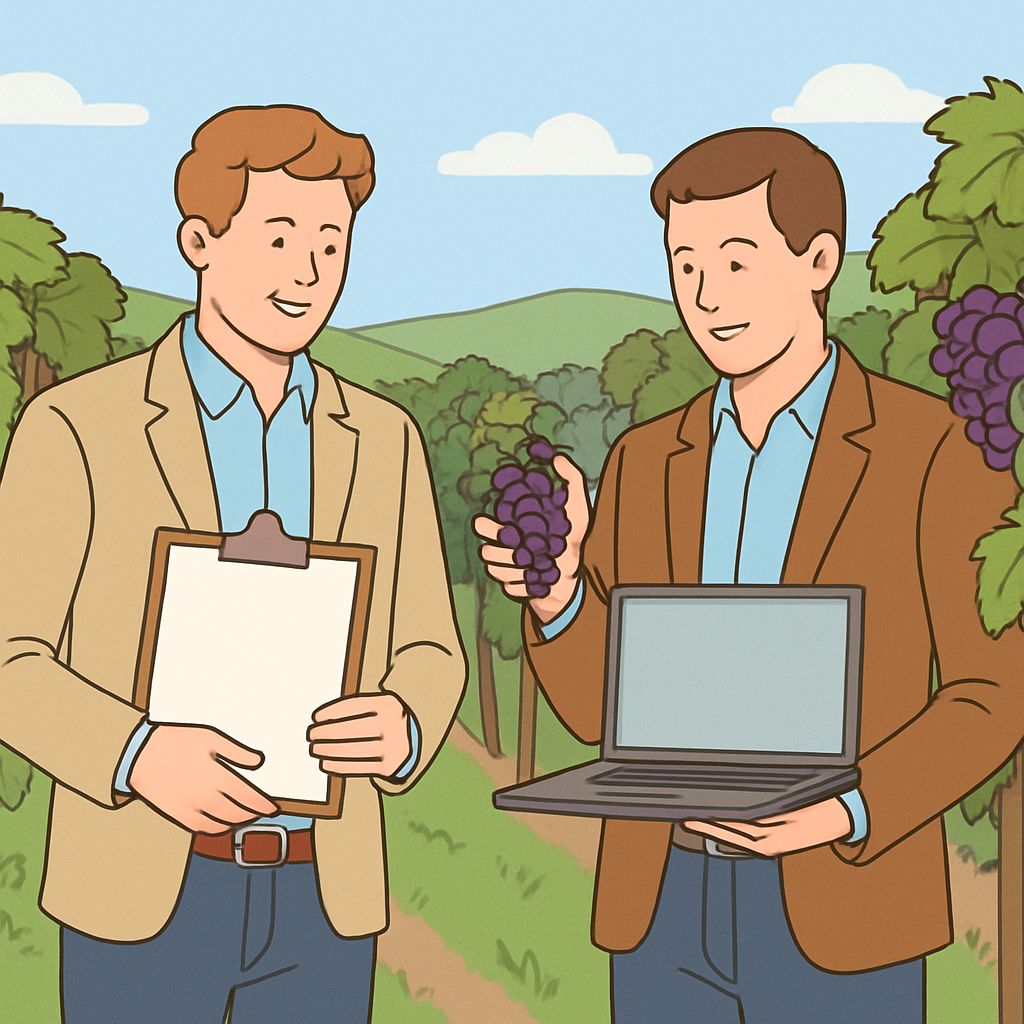
Harvest timing affects grape quality and wine outcomes.
Winemakers select harvest dates based on sugar and acid balance.
Additionally, timely harvest prevents overripeness and flavor loss.
- Optimal time for harvesting: harvest when sugar is high and acid is balanced.
- Handpicking allows selective harvest and minimizes grape damage for higher quality.
- Machine harvesting works faster but may bruise grapes and reduce quality.
Gentle handling preserves grape integrity and prevents oxidation.
Transform Your Career Today
Unlock a personalized career strategy that drives real results. Get tailored advice and a roadmap designed just for you.
Start NowThis practice improves flavor and aroma in the finished wine.
Moreover, choose harvesting methods that balance selectivity and efficiency for quality.
Attention to harvest details helps craft wines that reflect careful grape selection.
Quality Control and Testing
Lab testing plays a crucial role in determining grape quality for winemaking.
Through these tests winemakers can assess ripeness, acidity, and grape health.
Quality control measures are essential for ensuring consistency in wine production.
Role of Lab Testing
Lab testing provides measurable data about grape composition.
Winemakers use test results to evaluate ripeness and acidity.
These results also indicate the overall health of grape samples.
Common Tests Performed
Winemakers perform specific lab tests on grape samples.
These tests quantify sugars, measure pH, and record total acidity.
Consequently the results inform fermentation and flavor development decisions.
- Brix Testing measures sugar content in grapes.
- pH Testing measures grape pH that affects fermentation and flavor.
- TA Testing measures total acidity and helps determine balance in the final wine.
Ensuring Consistency
Maintaining consistency requires regular testing and monitoring.
Winemakers conduct regular tests and monitor grape quality.
These practices help maintain a high standard of quality in wines.
Selecting Grapes to Elevate Wine Quality
Ultimately, selecting the right grapes shapes the final wine’s character and quality.
Consider grape variety, ripeness, and vineyard location when making choices.
Additionally, monitor flavor, acidity, tannins, and balance to guide selection decisions.
Practice careful inspection and taste samples before harvesting fruit.
Apply attention to detail and passion to craft distinctive, high quality wines.
Additional Resources
Google search results for The Art of Grape Selection for Winemaking Agricultural
Bing search results for The Art of Grape Selection for Winemaking Agricultural


